
What Is Virtual Interlining on Kiwi.com? Unlocking Cheaper, Smarter Travel Now
Updated March 29, 2026
Finding cheap flights can feel like a puzzle, especially when you’re trying to reach a place with no direct route. Virtual interlining on Kiwi.com mixes flights from different airlines—airlines that usually don’t cooperate—to create new, often cheaper options you won’t spot on standard booking sites. It’s a bit like picking your own pieces to build a unique route, and honestly, it’s kind of fun if you like travel puzzles.
Kiwi.com kicked off this whole idea in 2012. Co-founder Oliver Dlouhý just couldn’t find affordable tickets and realized the answer was connecting flights from separate carriers.
So, they built an algorithm that searches millions of combinations in real time, ignoring the old airline partnership rules. Over 10 million travelers have booked routes that simply didn’t exist before.
You might fly with a budget airline for your first leg, then switch to a different carrier for your connection—all in a single booking. The system checks realistic connection times at airports all over the world, showing you ways to save money and still get where you want to go.
Key Takeaways
- Virtual interlining combines flights from airlines that don’t usually partner, creating new routes
- Kiwi.com’s algorithm finds cheaper trips by mixing budget and traditional carriers
- Travelers can reach destinations through connections that weren’t bookable before
Table of Contents
- Defining Virtual Interlining on Kiwi.com
- How Virtual Interlining Works
- Origins of the Concept
- Comparison to Codeshare and Traditional Interlining
- How Kiwi.com Creates Unique Itineraries
- Flight Combination Algorithm Explained
- Minimum Connecting Times Calculation
- Self-Connect Versus Self-Booking
- Benefits for Travelers Using Virtual Interlining
- Finding Cheaper Routes With Low-Cost Carriers
- Access to More Destinations and Virtual Hubs
- Kiwi.com Guarantee for Disrupted Flights
- How Airlines and Airports Adapt to Virtual Interlining
- Network Development Changes
- Benefits of the Virtual Interlining Solution
- Rise of Virtual Networks in European Airports
- Technology and Partnerships Powering Kiwi.com’s Innovation
- OTA Role and Booking Systems
- Collaborations with AeroCRS
- The Founders Behind Kiwi.com
- Expanding the Retail Journey: Ground Transport and Multicity Travel
- Integrating Rail and Bus Operators
- Supporting Multicity and End-to-End Travel
- Evolution of the Retail Journey Experience
- Frequently Asked Questions
- How can travelers benefit from virtual interlining when booking multi-airline flights?
- What should passengers be aware of when dealing with connecting flights from different carriers?
- How does Kiwi.com facilitate smoother connections between non-partner airlines?
- What are the potential cost savings associated with choosing virtual interlining for international travel?
- In what ways does virtual interlining differ from traditional airline alliances?
- What kind of travel itineraries are best suited for virtual interlining services?
- Book Your Dream Experience
- More Travel Guides
Defining Virtual Interlining on Kiwi.com
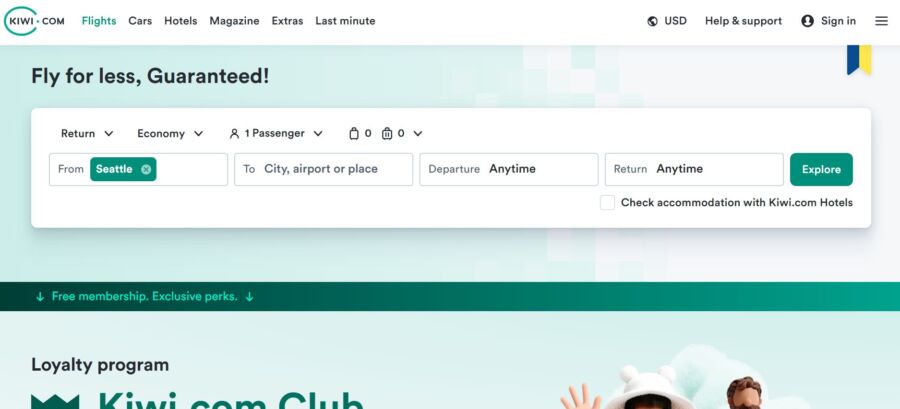
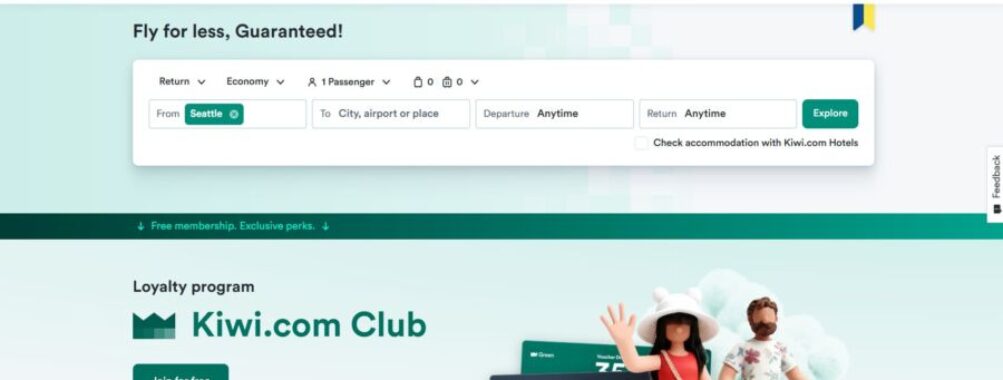
Virtual interlining lets you book connecting flights across airlines that don’t work together, unlocking routes and prices traditional booking systems just can’t offer. Kiwi.com basically opened this door, giving you access to millions of flight combos that weren’t possible before.
How Virtual Interlining Works

When you search for cheap flight tickets on Kiwi.com, their algorithm zips through thousands of airlines to build custom itineraries. Regular booking sites usually show you flights from airlines that have partnerships, but virtual interlining just connects whoever makes sense.
The system treats each flight segment as a separate ticket. You’re buying two or more individual flights, but Kiwi.com packages them as one trip. Their algorithm figures out minimum connecting times for thousands of airports based on real passenger data and airport layouts.
Here’s what sets it apart:
- No airline partnerships needed – Budget carriers can link up with major airlines
- Real-time optimization – The system checks gate distances and terminal changes
- Price aggregation – You see the total cost for all segments, no surprises
Kiwi.com stands behind the connection. If a delay on your first leg makes you miss your next flight, they’ll rebook you or offer compensation through their guarantee.
Origins of the Concept

Oliver Dlouhý, after struggling to find affordable flights in 2012, saw that booking separate tickets on different airlines was way cheaper than direct flights. The catch? Doing it yourself was risky and a hassle.
He and Jozef Képesi built the first virtual interlining algorithm from scratch. At first, it was pretty rough—just rough guesses for connection times—but they kept tweaking it with feedback and airport data.
By 2022, more than 10 million passengers had self-connected through Kiwi.com. The tech turned small airports into “virtual hubs” without needing a big airline to set up shop there.

Traditional interlining means airlines have formal agreements to transfer passengers and baggage between flights. Codeshare agreements go further—one airline sells seats on another’s plane under their own flight number.
Virtual interlining skips the airline agreements. Kiwi.com acts as the go-between, buying separate tickets and bundling them for you. Sometimes you’ll need to collect and recheck your bags at connections, though some airports now offer special help for self-connecting travelers.
| Feature | Traditional Interlining | Virtual Interlining |
|---|---|---|
| Airline partnership | Required | Not required |
| Baggage transfer | Automatic | Usually manual |
| Missed connection protection | Airline handles | Kiwi.com handles |
| Available routes | Limited to partners | Millions of combinations |
| Typical price | Higher | Often 30-60% cheaper |
Kiwi.com’s interlining technology opens up routes major airlines would never offer through codeshare deals. Budget airlines rarely join these traditional partnerships, so you get access to their low fares with connections you couldn’t book anywhere else.
How Kiwi.com Creates Unique Itineraries
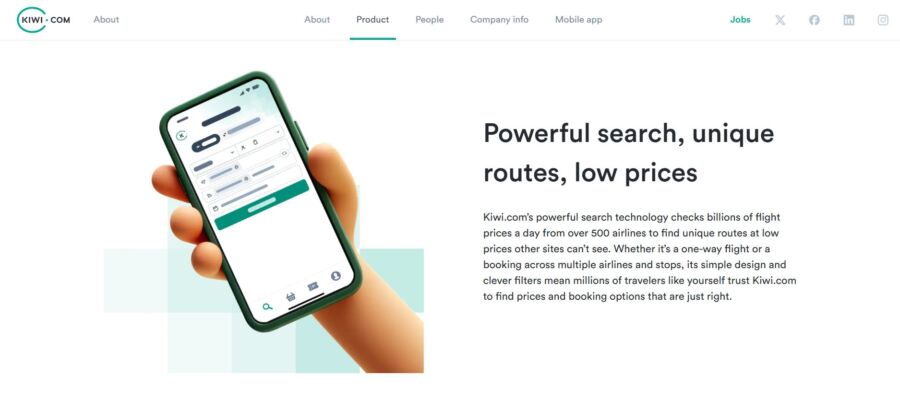
Kiwi.com’s tech pieces together flights from airlines that don’t usually work together, crunching numbers to find routes you won’t spot on regular booking sites. The system figures out safe connecting times and bundles separate tickets into one journey.
Flight Combination Algorithm Explained
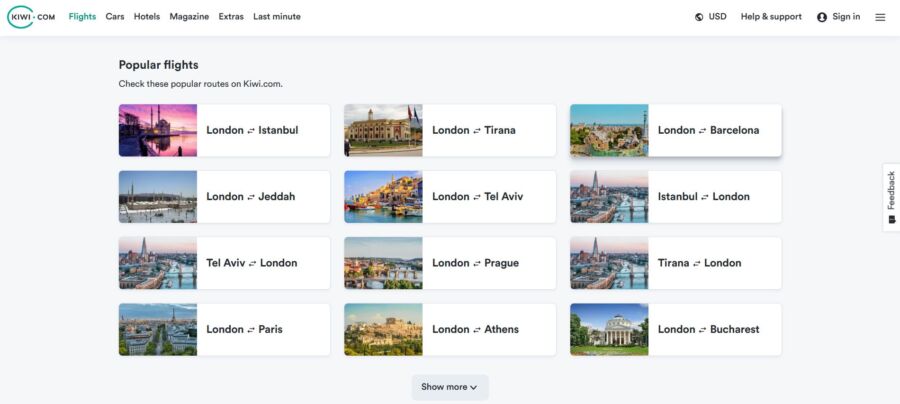
The algorithm sifts through millions of flight options in real time, creating routes that don’t exist in airline partnerships. It pulls data from both the big carriers and budget airlines, mixing and matching in ways traditional booking platforms just can’t.
You get access to combinations that would take hours to figure out on your own. The system doesn’t care if United and Ryanair have never even spoken—it’ll pair them if it works for your trip.
Unlike standard flight search engines that only show codeshare options, Kiwi.com treats every airline as a potential connection. Sometimes you’ll see itineraries with two, three, even four different carriers on a single trip.
The algorithm also checks out smaller regional airports you might not think to use. These “hidden” connections can save you money and, surprisingly, sometimes even time compared to flying through big hubs.
Minimum Connecting Times Calculation
Kiwi.com built its own database to figure out how much time you actually need between flights at different airports. They didn’t just guess—they asked real travelers who used their service.
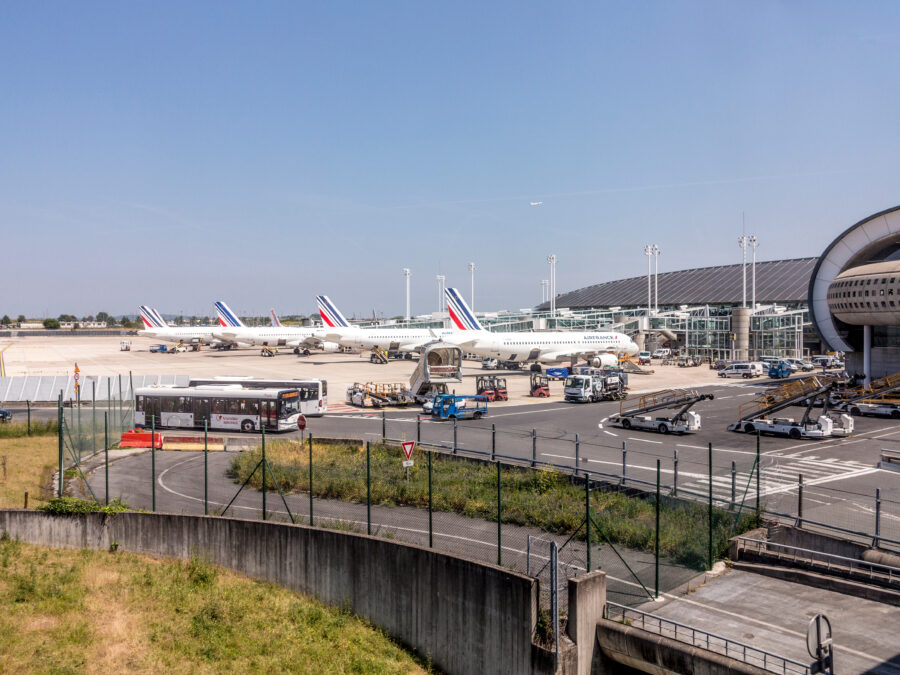
At small airports, 90 minutes between flights is usually enough since everything’s close. But at huge airports like Heathrow or Charles de Gaulle, you might need three hours or more, especially if you’re switching terminals.
The system knows which airports are easy and which ones will have you running forever. It checks if you’ll need to collect and recheck bags, go through security again, or even ride a shuttle between terminals.
This database gets updates all the time. If travelers keep missing connections somewhere, the system adds more buffer time.
Self-Connect Versus Self-Booking

When you self-connect with Kiwi.com, you’re buying what look like separate tickets, but bundled into one purchase. The platform sorts out the booking process and gives you some protection if things go sideways.
If you self-book, you search for each flight yourself and buy tickets from different airlines. It can be cheaper, but if your first flight is late and you miss the connection, you’re on your own.
With Kiwi.com’s self-connecting system, you get a guarantee—if you miss a flight due to delays, they’ll rebook you. They’ve figured out the logistics so you know what to expect at each airport, whether you need to grab your bags or if they’re checked through.
You’re not getting a traditional interline ticket, though. Airlines don’t know about each other, so you have to follow Kiwi.com’s instructions at every stop.
See Related: Do Travel Agents Get Better Hotel Rates? Insider Secrets Revealed
Benefits for Travelers Using Virtual Interlining
Virtual interlining opens up travel possibilities that old-school booking methods just can’t touch. You get cheaper flight combos, more destinations, and a bit of backup if things go wrong.
Finding Cheaper Routes With Low-Cost Carriers

Virtual interlining lets you string together flights from different low-cost carriers in one trip. These budget airlines don’t usually work together or sell connecting flights through traditional systems.
Kiwi.com’s system checks billions of combinations daily across hundreds of airlines. You might find yourself flying Ryanair for one leg, Wizz Air for another, and end up paying a lot less than what a big airline would charge.
The savings come from mixing and matching whatever’s cheapest at the moment. Instead of being stuck with one airline’s prices, you get the best deal from multiple low-cost carriers. This works especially well for routes between smaller airports where budget airlines rule.
You’re basically getting what travel nerds used to spend hours piecing together manually. The platform does all the heavy lifting, finding combos you probably wouldn’t spot on your own.
Access to More Destinations and Virtual Hubs

Traditional airline networks keep you limited to cities where carriers have deals. Virtual interlining blows those limits wide open.
Now you can reach smaller cities and out-of-the-way places that big airlines don’t serve directly. The tech creates “virtual hubs,” connecting flights at airports where airlines don’t actually partner. You might connect through Prague or Budapest—places that aren’t typical airline hubs.
Self-connecting traffic has grown because travelers want more options. You’re not stuck flying through London, Paris, or Frankfurt just because those are the big airline hubs.
The system finds routing combos across 95% of global flight content. That’s thousands of destination pairs you just won’t see in standard booking systems.
Kiwi.com Guarantee for Disrupted Flights

Let’s be honest—flight disruption is probably your biggest worry when self-connecting. Missing a connection because your first flight was delayed can turn into a nightmare.
Kiwi.com offers protection for these moments. If you miss a connection thanks to a delay, they’ll sort out alternative flights to get you to your destination. This coverage really sets them apart from just booking separate tickets yourself.
You also get 24/7 customer support when things go sideways. During the 2023 UK Air Traffic Control mess, thousands of stranded travelers used the platform to find alternative routes when traditional airlines left them waiting for days.
The guarantee includes help with rebooking and finding solutions that actually work. You’re managing the connections yourself at the airport, but you’re not totally on your own if your itinerary falls apart.
How Airlines and Airports Adapt to Virtual Interlining
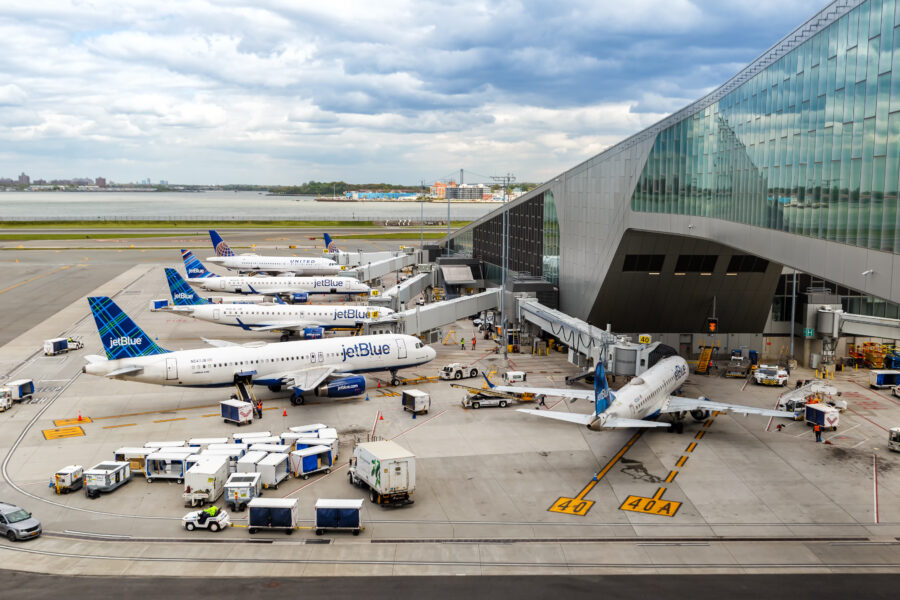
The travel industry has changed the way it handles flight connections. Airports and airlines are tweaking their operations to support self-connecting passengers. Traditional partnerships are fading, and European airports especially are setting themselves up as virtual hubs—no major airline agreements needed.
Network Development Changes

Airlines used to build their networks around codeshare deals and formal partnerships. That was standard—signing contracts to offer connected flights.
Virtual interlining flips this on its head. Airlines don’t need formal agreements to show up in connected itineraries on platforms like Kiwi.com. The algorithm finds connections between carriers that might never have even spoken.
Smaller airlines and low-cost carriers can now join global route options without spending big on partnership deals. You might book a trip that connects a budget airline in Europe with a regional carrier in Asia, even if those two airlines have zero relationship.
But here’s the thing: you’re responsible for your own connection. Airlines aren’t coordinating your transfer, and your bags won’t move automatically like they would with traditional interlining.
Benefits of the Virtual Interlining Solution

You get access to routes that just didn’t exist before. Kiwi.com says over 10 million passengers have used their system to self-connect on unique itineraries.
The biggest perk? Price. By mixing different carriers, you can often save a lot compared to booking a single airline’s connecting flight. The algorithm digs through millions of combinations in real time to find the cheapest way to get you there.
Key benefits:
- Access to smaller regional airports you might never have considered
- Cheaper alternatives to pricey direct flights
- More flexibility in how you route your trip
- The ability to mix budget and traditional airlines
Still, there’s a trade-off. You need to give yourself enough time between flights, and if things go wrong, the airlines won’t bail you out like they would with a traditional connection.
Rise of Virtual Networks in European Airports

European airports have caught onto something interesting—they can become connection hubs without hosting a major airline’s hub operation. These airports support what’s called a virtual network.
Instead of waiting around for a legacy carrier to set up shop, some airports now actively support self-connecting passengers. Fast Track security lanes for transfers, special layover discounts—it’s all on the table.
The airport turns into a meeting point for different airlines that don’t work together officially. You might hop off a Ryanair flight and jump onto a Wizz Air plane, even though those airlines compete and would never team up.
This approach clicks for mid-sized European airports that want to boost passenger numbers but can’t snag a traditional hub airline. They’re building services and infrastructure just for self-connecting travelers. It’s a clever move, honestly.
See Related: Tumi vs Briggs and Riley Carry On: Which Is Right for You?
Technology and Partnerships Powering Kiwi.com’s Innovation

Kiwi.com owes its travel booking breakthrough to sharp technology and a founding team that really saw where things could go. The platform works as an OTA with custom booking systems, and both key partnerships and in-house innovations have shaped its unique Virtual Interlining capabilities.
OTA Role and Booking Systems

When you book through Kiwi.com, you’re dealing with an online travel agency (OTA) that approaches things differently from the old-school sites. Kiwi.com doesn’t operate flights; it acts as a middleman between you and a bunch of airlines.
Their booking systems scan flight content in real time from hundreds of carriers. That means you see close to every available flight, which the algorithm then mixes into unique itineraries. Most OTAs get stuck with airline partnerships and codeshares. Kiwi.com’s tech just ignores those restrictions.
A big part of this is a smart database of minimum connecting times. The system knows which airports are tiny with close gates and which ones force you to trek between terminals. They built this up over years, collecting customer feedback and learning how airports actually work.
Collaborations with AeroCRS

Kiwi.com built most of its tech in-house, but virtual interlining isn’t just their thing anymore. Other platforms, like Asia’s Value Alliance, use systems from AeroCRS (ABB Technology) to make similar multi-airline bookings possible.
These partnerships signal a shift away from traditional code-sharing. Low-cost carriers that never used to cooperate now connect through virtual interlining platforms. That means more competition, more choices, and honestly, better prices for travelers.
The Founders Behind Kiwi.com
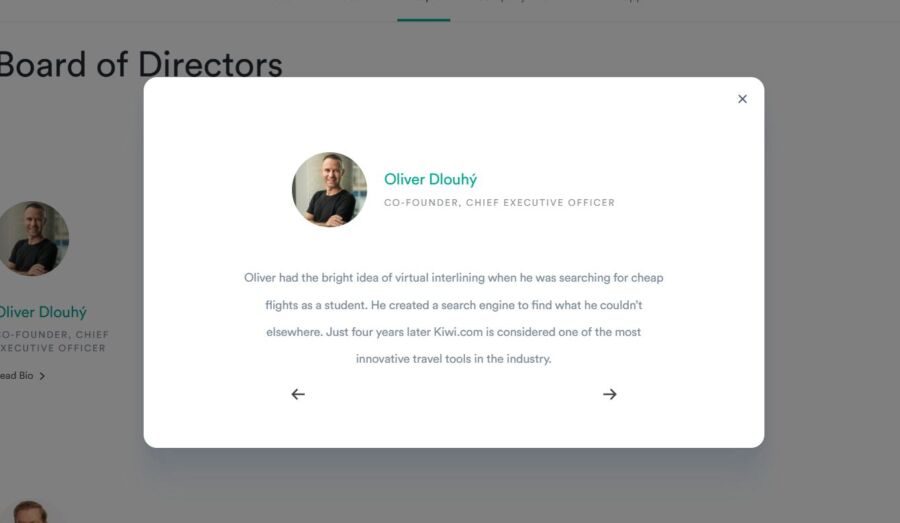
Oliver Dlouhý launched Kiwi.com in 2012 after hitting a wall trying to find affordable flights to his destination. He realized the cheapest route meant connecting different airlines with a layover—something you couldn’t easily book back then.
Dlouhý brought in Jozef Képesi as Chief Technology Officer to help build the Virtual Interlining algorithm from scratch. Stanislav Komanec, now VP of Engineering, put together the minimum connecting times database that keeps the system reliable. Lately, Mario Gavira as VP of Growth has focused on making Kiwi.com’s app a true digital travel companion.
Together, these four turned a personal headache into tech that’s helped over 10 million passengers book self-connecting flights.
Expanding the Retail Journey: Ground Transport and Multicity Travel

Kiwi.com hasn’t stopped at connecting flights that don’t usually work together. The platform now blends buses and trains into your trip, and it’s made planning those wild five-cities-in-two-weeks adventures a lot less stressful.
Integrating Rail and Bus Operators

Kiwi.com added ground transport to its virtual interlining system, so now you can book a flight that connects directly to a bus or train, all in one go. This multimodal approach pulls from over 800 carriers, mixing airlines with rail and bus operators that would never coordinate on their own.
The best part? You pay once for the whole thing. No more juggling separate bookings for your flight into Berlin and then your bus to Prague. It’s all bundled, so you don’t have to track a pile of confirmation emails or stress over timing your train and flight.
Their system finds combinations that other booking sites just don’t see because they only look at traditional airline partnerships. Suddenly, your options open wide if you’re willing to hop on a train for part of the journey.
Supporting Multicity and End-to-End Travel
The NOMAD tool does the heavy lifting for multicity trips. You say which cities you want to visit, and it figures out the cheapest order. For a 10-city trip, the algorithm checks up to 180,000 one-way flights and then builds the best route.
This approach isn’t just about getting from A to B anymore. You can string together a flight to London, a train to Paris, another flight to Barcelona, and a bus to Valencia. Instead of four separate bookings, it’s all treated as one connected journey.
Before the pandemic, 72% of bookings with first or business class included mixed-class itineraries. People would treat themselves to a comfy seat for the long leg, then fly economy for the short hops around Europe.
Evolution of the Retail Journey Experience
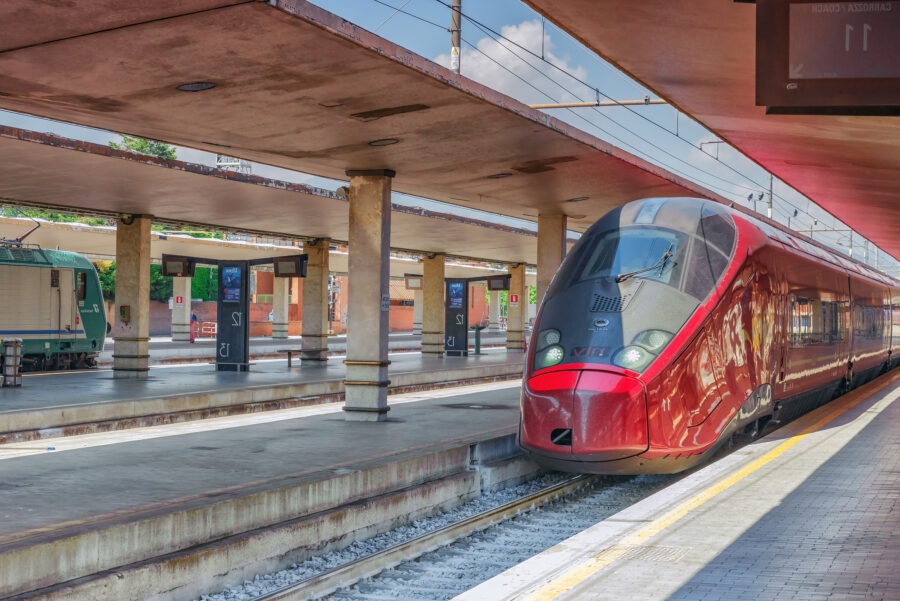
The retail journey has shifted—it’s not just about booking a flight anymore. Travelers want more control, better prices, and airlines are having to rethink their old business models.
Kiwi.com treats ground transportation as an equal part of your trip, not just an afterthought. That matters most in places with great rail networks, like Europe, where taking a train instead of a short flight can actually save you time once you consider security and early arrival.
The platform runs over 2 billion price checks daily to find deals that combine standard fares with hidden city ticketing and self-transfer options. Their Deals tool looks at routes from your home airport and calculates value by price per kilometer, surfacing options you’d probably never find by searching manually.
See Related: Top Travel Websites Compared: Finding the Best for Your Wanderlust
Frequently Asked Questions
Virtual interlining brings up some practical questions about savings, risks, and when it makes sense for your trip. Here are a few things to know before booking flights through different carriers on one ticket.
How can travelers benefit from virtual interlining when booking multi-airline flights?
You’ll save money by getting access to flight combos that regular booking sites just can’t offer. Traditional search engines only show you partnerships between airlines that already work together.
Virtual interlining opens up thousands more possibilities. Maybe you fly a budget carrier for the first leg and switch to a regional airline for the second. These combos often cost 30-50% less than direct flights or standard connections.
You also get way more flexibility with routes. Airports that once seemed out of reach suddenly open up through creative layovers.
What should passengers be aware of when dealing with connecting flights from different carriers?
The biggest risk? Tight connections. If your first flight runs late, the second airline won’t wait or rebook you.
You have to collect your bags and recheck them yourself. Airlines that don’t partner won’t transfer luggage automatically. So, you need enough time to clear customs, grab bags, and check in again.
It’s smart to budget extra time at your layover airport—at least 3-4 hours for international connections. Yeah, it’s longer than usual, but it saves you from missing your next flight.
How does Kiwi.com facilitate smoother connections between non-partner airlines?
Kiwi.com built a database of minimum connection times for airports around the world. Their algorithm knows which airports need extra time for terminal changes and which ones are compact.
They offer a guarantee program to cover rebooking if you miss a connection because of delays. That protection fills the gap left by airlines that don’t work together. You’ll see exactly what to expect on the platform—if you need to collect bags, change terminals, or go through security again, it’s all laid out.
What are the potential cost savings associated with choosing virtual interlining for international travel?
International routes see the biggest savings. You might pay $800 for a direct flight to Southeast Asia, but virtual interlining could get you there for $450 by mixing carriers.
The savings come from using budget airlines alongside traditional carriers. Maybe a low-cost airline flies you across Europe cheap, then a regional airline finishes the trip.
Multi-city trips benefit even more. Instead of booking separate one-way tickets at high prices, you combine them into one itinerary for a lot less.
In what ways does virtual interlining differ from traditional airline alliances?
Traditional alliances like Star Alliance or OneWorld only work within their member airlines. Your ticket, baggage, and rebooking protections all stay within that group.
Virtual interlining ignores these partnerships. It mixes any airline with any other airline, even direct competitors.
You don’t get alliance perks like lounge access or frequent flyer miles across carriers. Each flight segment stands alone. But you do get access to price combos that alliance rules just wouldn’t allow.
What kind of travel itineraries are best suited for virtual interlining services?
Complex international trips really shine here. If you’re hopping between several countries or heading somewhere a bit off the beaten path, virtual interlining can uncover flight connections you’d probably never spot on your own.
Travelers on a budget usually get the most out of it. When saving money is the main goal and you don’t mind putting in a bit of extra work to connect flights yourself, it can be totally worth it.
But honestly, if you’re on a tight business schedule and every minute counts, it’s probably smarter to book the old-fashioned way. Traditional bookings just offer more protection and easier rebooking if something goes sideways.


