Amalfi Coast vs Cinque Terre Without a Car: Essential Guide & Insider Tips
Updated March 11, 2026
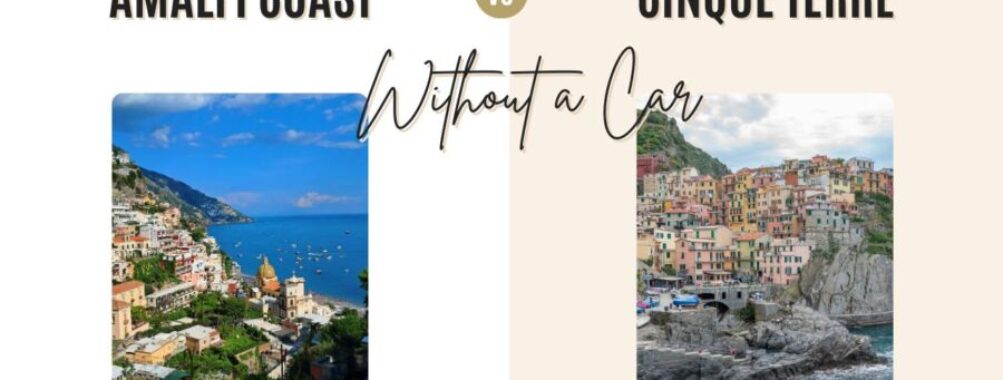
Choosing between the Amalfi Coast and Cinque Terre without a car might sound tricky, but honestly, it makes both places way more enjoyable. Both Italian coastlines are pretty much made for car-free travel—Cinque Terre thrives on trains and coastal trails, while the Amalfi Coast leans on ferries and local buses—so you’ll dodge stressful parking and those wild cliff roads. The real question isn’t whether you can go carless, but which coast fits your travel style.
It all comes down to the vibe you’re after. Cinque Terre feels compact, with villages linked by quick train rides and hiking paths—perfect if you want to hop around with little fuss.
The Amalfi Coast is bigger and more spread out, with ferries and buses connecting dramatic towns like Positano and Praiano. You get more variety, but also more ground to cover. Both work great without a car once you get the hang of local transport and pick a smart home base.
Key Takeaways
- Both Cinque Terre and the Amalfi Coast are fantastic for car-free travel—trains, ferries, and buses handle most connections
- Cinque Terre is more compact and walkable between villages; the Amalfi Coast covers wider distances with ferry and bus networks
- Picking your base town makes a huge difference in how easily you explore each coast without driving
Table of Contents
- Car-Free Travel: Why Go Without a Car on the Amalfi Coast and Cinque Terre?
- Traffic Restrictions and Local Laws
- Pros and Cons of Car-Free Exploration
- Accessibility Challenges and Tips
- Getting There: Airports, Train Routes, and Transfers
- Reaching Cinque Terre by Rail and Air
- Arriving on the Amalfi Coast Without a Car
- Effortless Mobility: Navigating Each Coast Without Wheels
- Train and Ferry Options in Cinque Terre
- Public Transport and Boat Tours Along the Amalfi Coast
- Walking, Hiking, and Local Transfers
- Where to Stay: Car-Free Bases for Every Traveler
- Best Towns to Stay in Cinque Terre Without a Car
- Top Car-Free Bases on the Amalfi Coast
- Top Experiences Without a Car: Hiking, Sights, and Coastal Adventures
- Famous Hiking Trails and Village Walks
- Swimming, Beaches, and Boat Excursions
- Cultural Landmarks and Local Food
- Comparing the Destinations: Vibes, Costs, and Itineraries Without a Car
- Atmosphere and Type of Traveler
- Budget and Crowds
- Planning the Perfect Car-Free Itinerary
- Frequently Asked Questions
- What are the best ways to explore the Amalfi Coast and Cinque Terre without a car?
- Can you compare the costs of traveling in the Amalfi Coast versus Cinque Terre for tourists without personal vehicles?
- Which is more accessible by train for a traveler without a car: Amalfi Coast or Cinque Terre?
- How do ferry services between Cinque Terre and Amalfi Coast cater to tourists traveling without cars?
- What is the optimal time of year to visit Amalfi Coast or Cinque Terre when one is not driving?
- Is the public transportation system in the Amalfi Coast sufficient for tourists without a car to visit the main attractions?
- Book Your Dream Experience
- More Travel Guides
Car-Free Travel: Why Go Without a Car on the Amalfi Coast and Cinque Terre?
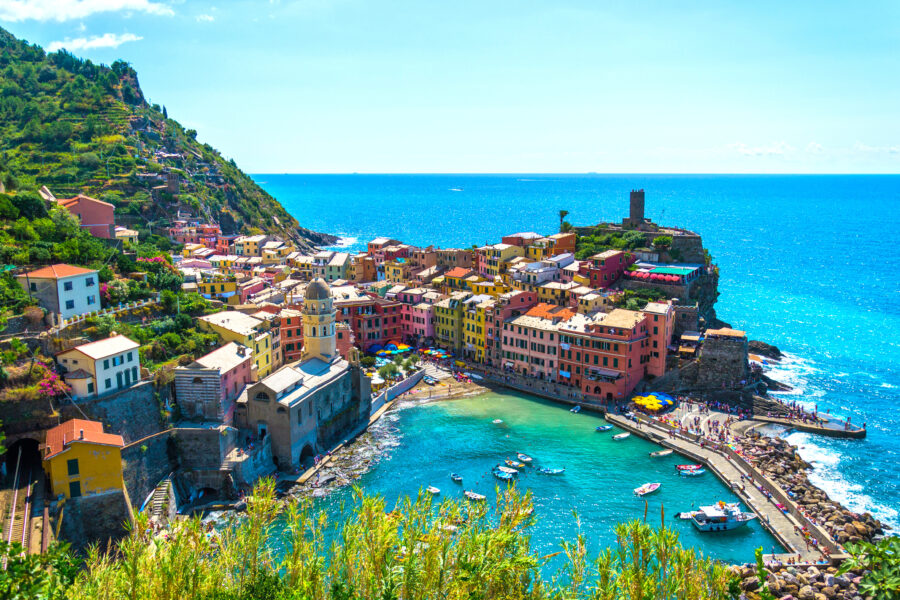
Both regions have set things up so ditching the rental car is actually easier (and smarter) than you’d expect. With traffic rules, narrow roads, and surprisingly solid public transit, you’ll spend less time stressed and more time soaking in the views.
Traffic Restrictions and Local Laws

The Amalfi Coast road (SS163) is famous for its scenery, but also for tough ZTL zones—only residents can drive during peak hours. If you take a rental car into restricted areas in towns like Positano or Amalfi without a permit, expect a fine.
Parking? It’s a mess. Lots fill up fast in summer, and you might drive in circles for half an hour just to pay €5 an hour. Some villages don’t even have parking near the center.
Cinque Terre goes even further. Four out of five villages ban cars in their historic centers. Manarola, Riomaggiore, Vernazza, and Corniglia are pedestrian-only. Monterosso allows cars, but parking costs €2-3 an hour and fills up quickly.
Both regions strictly limit traffic to protect their narrow streets and keep pollution down. Local police don’t mess around—tourists who ignore the rules definitely get ticketed.
Pros and Cons of Car-Free Exploration
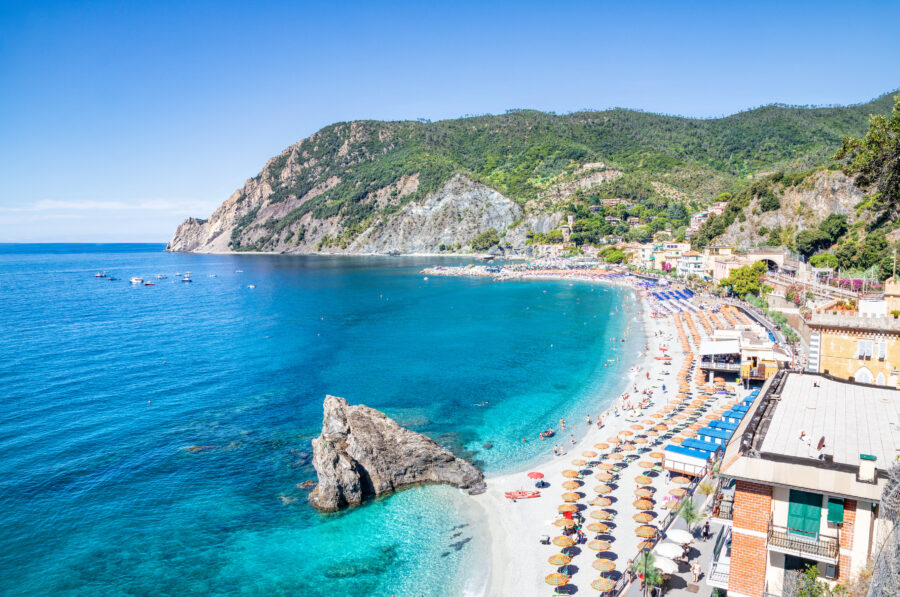
Going car-free means you’ll rely on the SITA bus along the Amalfi Coast or regional trains in Cinque Terre. And honestly? It works.
Ferries connect Amalfi Coast towns from April to October. They’re faster than driving those endless hairpin turns and the views are unbeatable. The regional train through Cinque Terre runs every 15-20 minutes in summer and links all five villages in under half an hour.
You’ll save cash, too. No rental fees, no fuel, no parking that can easily top €40 a day.
But there are trade-offs. Buses get jam-packed in July and August. If it’s full, you’ll wait for the next one. Ferries depend on weather—rough seas mean you’re stuck with the bus.
Train connections in Cinque Terre are reliable but crowded. Standing room only during peak hours is pretty normal. If you’ve got lots of luggage or mobility issues, the stairs at train stations might be a hassle.
Accessibility Challenges and Tips

Both spots have serious hills and stairs. Positano has 300+ steps from the bus stop down to the beach. In Riomaggiore, the train station sits below the village, so you’ll climb to reach restaurants and hotels.
If mobility is a concern, pick your base carefully. In Cinque Terre, Monterosso is flattest and even has an elevator from the station. On the Amalfi Coast, Sorrento is much flatter compared to Positano’s vertical maze.
Travel light. Dragging a massive suitcase up stairs after a train ride is just not fun. A backpack or small roller is way better.
Check transport schedules before booking dinner. The last SITA bus from Positano to Sorrento usually leaves around 10 PM. Miss it and you’re stuck paying for a pricey taxi.
Transport passes help save money. The Cinque Terre Card covers unlimited train rides and hiking trails. SITA offers day passes for the Amalfi Coast that beat buying single tickets.
Getting There: Airports, Train Routes, and Transfers
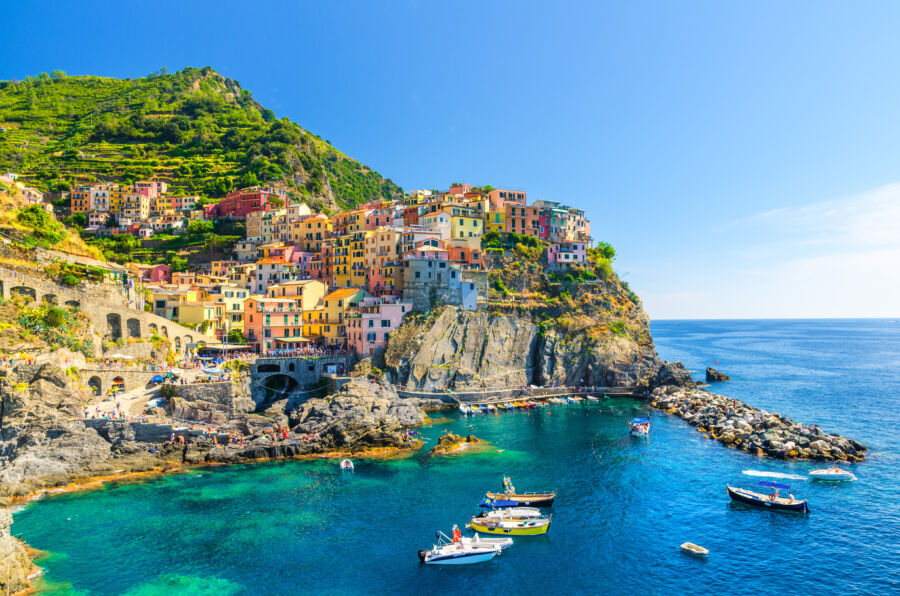
Cinque Terre is easy to reach by train via La Spezia, while the Amalfi Coast takes a bit more juggling from Naples or Rome. Both are doable without a car, but your route planning will look pretty different.
Reaching Cinque Terre by Rail and Air
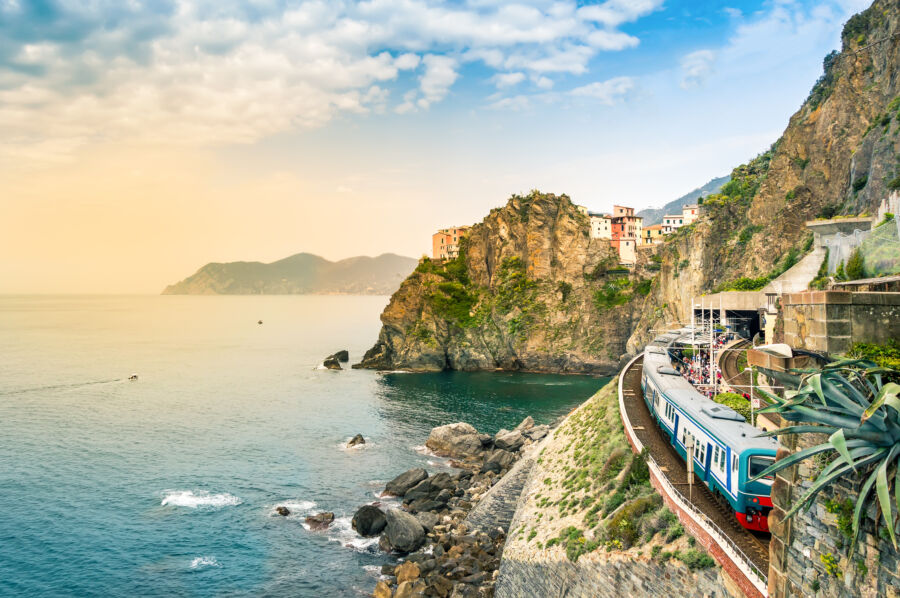
The quickest way to Cinque Terre is flying into Pisa, then hopping on a regional train through La Spezia—takes about 90 minutes. Florence is another option, about two hours from La Spezia by train. Coming from Rome or Milan? Direct trains run to La Spezia Centrale several times a day.
La Spezia is your entry point. Buy a Cinque Terre Card there for unlimited train rides between the five villages. Trains run every 15-30 minutes in busy season. The whole coast is only about 20 minutes from end to end by train.
These Ligurian villages all sit along one rail line hugging the cliffs. You won’t need buses or ferries unless you just want a scenic boat ride.
Arriving on the Amalfi Coast Without a Car
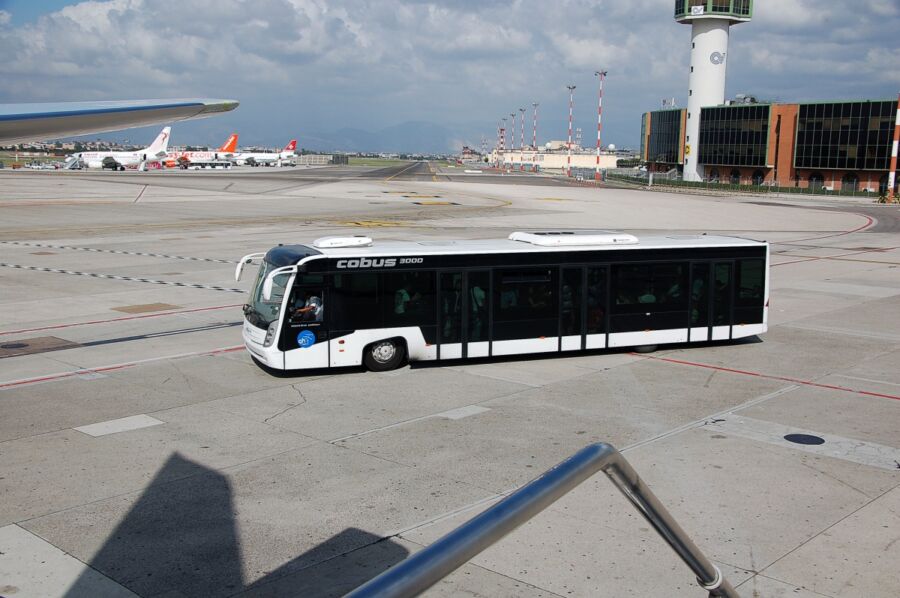
Naples International Airport is closest—about 60-90 minutes from the coast. There’s a direct Curreri bus to Sorrento (10 euros, 80 minutes) at 9:00am, 11:00am, 12:00pm, 1:00pm, 2:30pm, 4:30pm, 6:00pm, and 7:30pm. Or, take the Circumvesuviana train from Naples Central to Sorrento, then hop on a SITA bus along the coast.
Rome’s Fiumicino Airport works, but it’s more complicated. You’ll catch a train to Rome Termini, then a high-speed train to either Salerno (2 hours, 30 euros) or Naples. From Salerno, buses leave often for Amalfi, Positano, and other towns.
No direct train runs along the coast. Buses wind between Sorrento and Salerno, stopping at each town. The whole ride takes 90+ minutes, though ferries are faster between bigger towns when the sea’s calm.
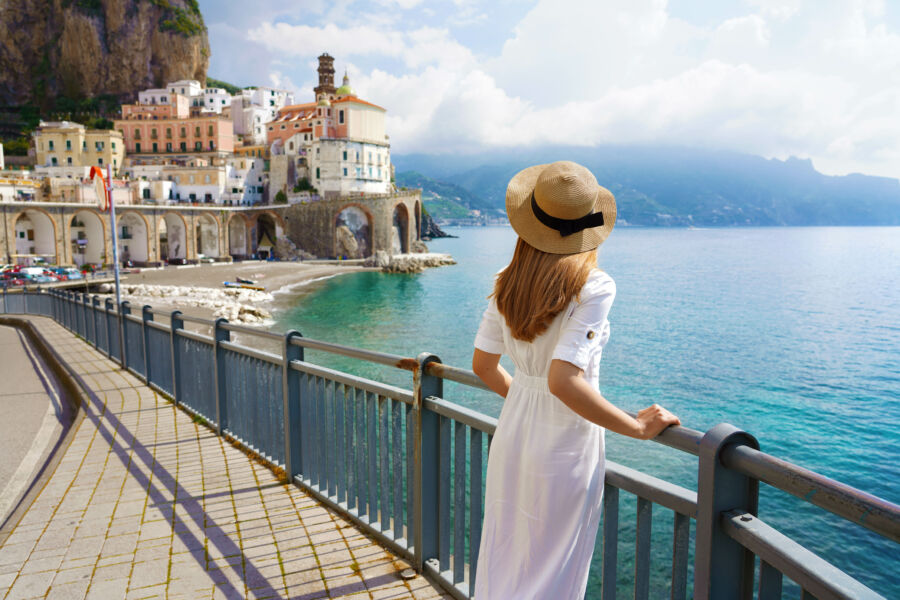
Both coasts are easy to explore car-free, but they run a bit differently. Cinque Terre depends on trains and ferries between tightly packed villages, while the Amalfi Coast is all about buses and boats connecting more spread-out towns.
Train and Ferry Options in Cinque Terre
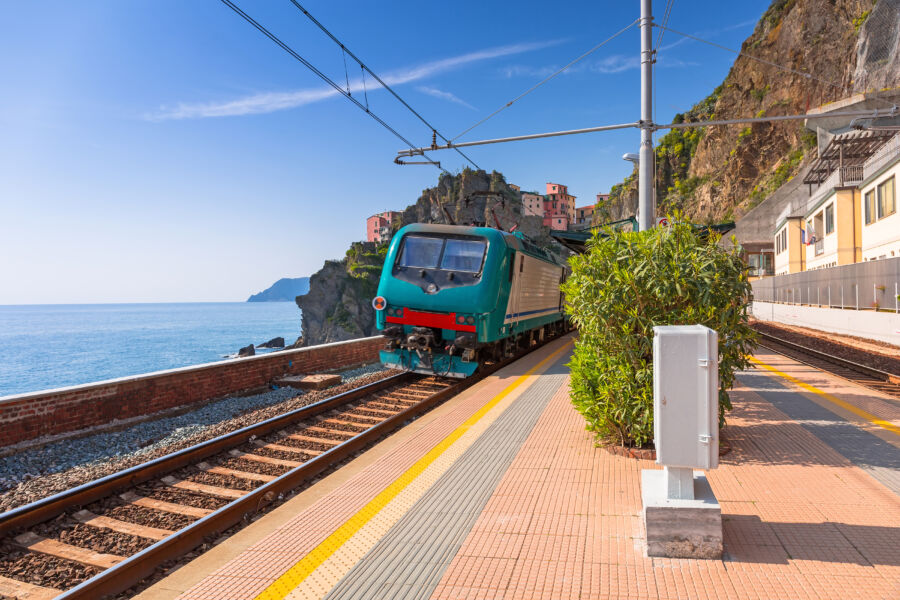
The regional train links all five Cinque Terre villages and runs often. You’ll zip from one town to the next in minutes—usually under 10.
The Cinque Terre Card gets you unlimited train rides and access to hiking trails. It’s about €18.20 for a day, €33 for two. Buy it at any village station or in La Spezia.
Ferries run April to October and stop at four villages (Corniglia’s too high up for a dock). The boats give you epic coastline views you’ll totally miss by train. Ferry tickets are around €5-7 per leg, or grab an all-day pass for about €35.
Each village’s train station is close to the main area, so taxis aren’t needed. Just brace yourself for stairs—these towns cling to the cliffs.
Public Transport and Boat Tours Along the Amalfi Coast
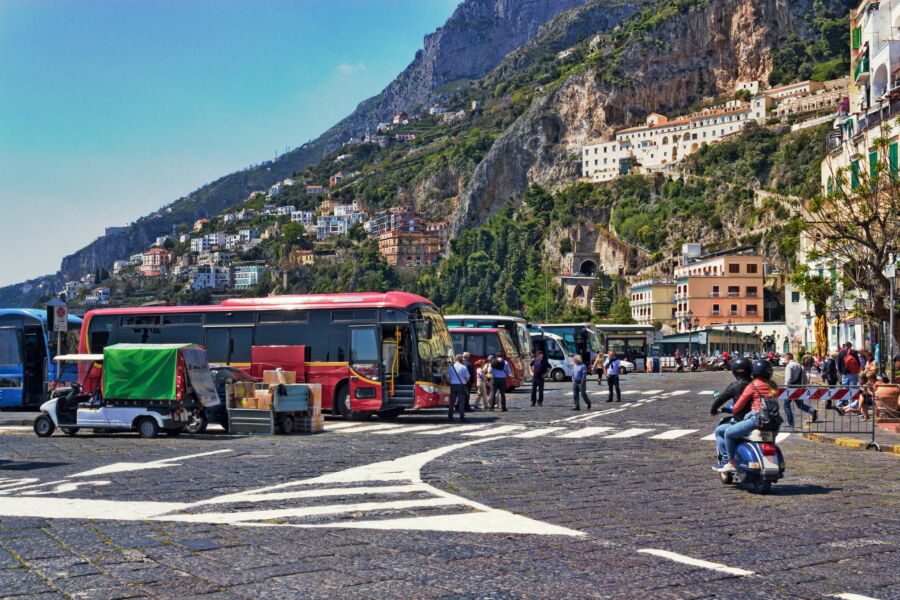
The SITA bus is your main option for getting between Amalfi Coast towns. These blue buses run regularly along the winding road, connecting all the big names from Sorrento to Salerno. A ride costs €1.30-2.50 depending how far you’re going, and you’ll find tickets at tobacco shops or newsstands.
You’ll get some jaw-dropping views, but buses can get crowded in summer. Standing for the whole ride—especially between Positano and Amalfi—is pretty common.
Ferries run April to October and link major towns like Positano, Amalfi, Maiori, and Salerno. Boats are a nice break from crowded buses and take about 20-30 minutes between stops. Tickets run €8-18 per leg.
Private boat tours are a splurge (starting around €150-200 for a few hours) but let you see hidden coves and swimming spots you’d never reach by bus. They’re flexible and skip all the traffic.
Walking, Hiking, and Local Transfers

You’ll walk a lot, no matter which coast you choose. Both places have steep stairs and sloping streets—it’s part of the charm.
In Cinque Terre, hiking trails connect the villages and offer some of Italy’s best coastal views. The classic walk between Monterosso and Vernazza takes about 90 minutes. You’ll need some fitness, but the scenery is worth every step.
The Amalfi Coast’s Path of the Gods hike takes 3-4 hours and runs high above the sea. To get to the trailhead, you’ll need to catch a bus to Bomerano or Praiano.
Taxis are available on both coasts but cost a lot more than public transport. On the Amalfi Coast, expect to pay €15-30 for short hops between towns. Some travelers just book cheap flights to Italy and rely on local transport to keep things affordable.
If you’ve got heavy luggage and lots of stairs to tackle, porter services exist in both regions.
Where to Stay: Car-Free Bases for Every Traveler
Both areas offer great car-free bases. Cinque Terre puts you close to hiking trails and village-hopping, while the Amalfi Coast gives you more accommodation styles and day trip options.
Best Towns to Stay in Cinque Terre Without a Car
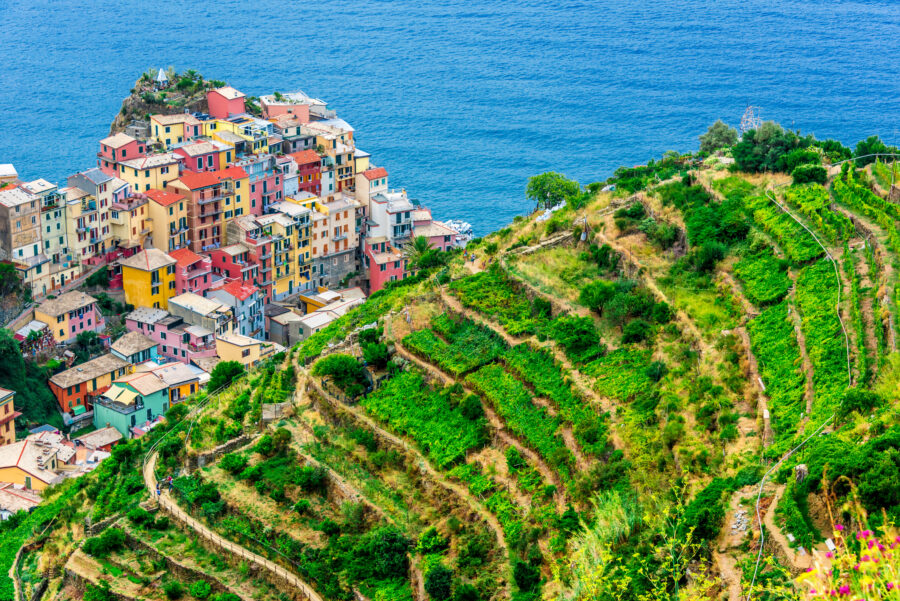
Monterosso al Mare is the easiest base if you want comfort and convenience. It’s the biggest village, has the most hotels, and even a real sandy beach. The train station is right in the center, so jumping to other villages is a breeze.
Levanto is a smart, budget-friendly pick just north of Cinque Terre. It’s less crowded, cheaper, and only a 5-minute train ride from Monterosso. The town feels more local and laid-back.
Riomaggiore and Vernazza are stunning, but not ideal if you’re hauling heavy bags—steep stairs everywhere and taxis are rare. Manarola is a bit easier, but still has some stairs.
Corniglia is the tiniest and sits highest above the sea. You’ll have to climb 382 steps from the train station just to get there, so unless you’re after solitude and don’t mind a workout, maybe skip it.
Top Car-Free Bases on the Amalfi Coast

Sorrento is probably the most practical base—even if it sits just outside the Amalfi Coast proper. Buses and ferries zip you everywhere, hotel prices make a bit more sense, and the town buzzes with restaurants and shops. If the weather turns, you’ve still got options.
Amalfi stands out as the main transport hub. Buses from here head to Ravello, Positano, and smaller towns like Atrani and Minori. The town’s flatter layout really matters after a long day out.
Positano photographs like a dream but comes with steep prices and, well, a lot of stairs. If you book here, try to stay near the main beach or bus stop unless you’re up for dragging luggage up endless steps.
Praiano and Maiori bring a quieter vibe and solid bus connections. Praiano sits between Positano and Amalfi, while Maiori offers the coast’s longest beach and a less touristy feel. Both let you explore accommodation options without splurging like you would in Positano.
Ravello perches high above the sea with epic views, but you’ll need a bus ride up from Amalfi. It’s peaceful and elegant, though you’ll have to head downhill for any beach time.
Top Experiences Without a Car: Hiking, Sights, and Coastal Adventures
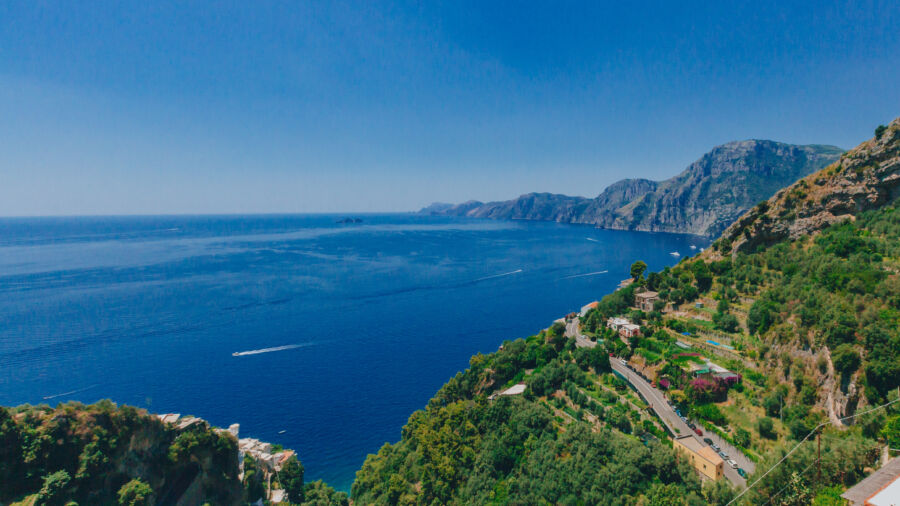
Both regions make car-free travel easy, with hiking between villages, easy beach access by train or ferry, and cultural experiences you can walk to.
Famous Hiking Trails and Village Walks
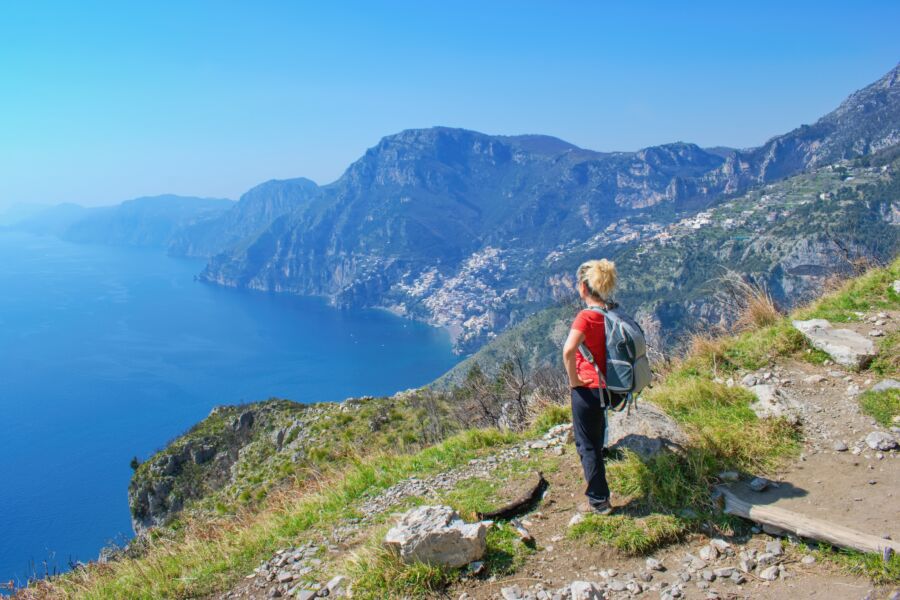
The Sentiero Azzurro links all five villages in Cinque Terre, and it’s one of Italy’s most accessible coastal trails. You’ll wander past terraced vineyards and pastel houses clinging to the cliffs. The Monterosso to Vernazza stretch feels especially scenic, though it gets crowded in summer.
The Amalfi Coast’s Path of the Gods (Sentiero degli Dei) offers even wilder, jaw-dropping views as you wind down from Agerola toward Positano. Fewer crowds, more drama. You can hop off the SITA bus and start walking—no car needed.
In both spots, you can walk or use public transport to jump between villages. Cinque Terre’s towns sit closer together, so you can stroll from Riomaggiore to Manarola in about 20 minutes (when the Via dell’Amore reopens). On the Amalfi Coast, distances stretch out, but buses and ferries fill in the gaps.
Swimming, Beaches, and Boat Excursions
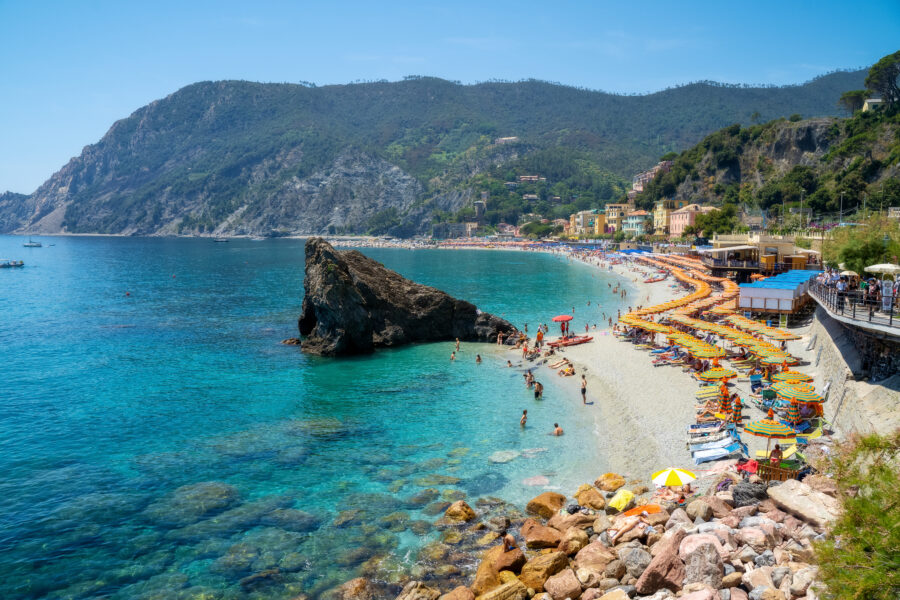
Monterosso boasts the biggest sandy beach in Cinque Terre. Fegina Beach has both free spots and private clubs if you want to rent an umbrella. The other villages have smaller, rockier places to swim, but the water stays crystal clear—perfect after a sweaty hike.
The Amalfi Coast gives you more variety. Positano’s main beach gets packed, so catch a ferry to quieter spots like Furore or Conca dei Marini. Most beaches here are run by clubs, and prices are steeper than in Cinque Terre.
Ferries run up and down both coasts during warmer months. You can book boat tours and coastal excursions to hidden coves and grottos. Seeing the villages from the water really is the best angle.
Cultural Landmarks and Local Food
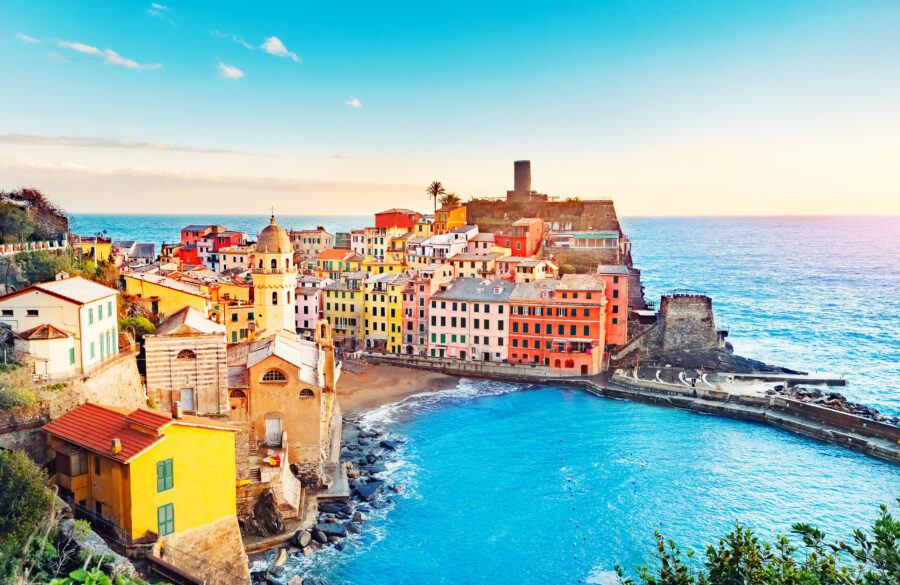
Cinque Terre charms with its simplicity. Each village has a small church and maybe a medieval tower, but the UNESCO status comes from pure natural beauty. The main draw? Wandering narrow lanes and grabbing fresh focaccia from a bakery.
The Amalfi Coast brings more culture. Amalfi’s cathedral dominates the square with striking Arab-Norman architecture. Ravello’s gardens at Villa Cimbrone and Villa Rufolo have terraces made for sipping limoncello and staring at the sea.
Food-wise, you’re set in both places. Cinque Terre’s pesto comes straight from those terraced hillsides. The Amalfi Coast loves lemons and seafood. Every village has trattorias within walking distance of the station or bus stop.
Comparing the Destinations: Vibes, Costs, and Itineraries Without a Car

These coastal destinations attract different crowds and budgets. Amalfi Coast feels polished and glamorous. Cinque Terre keeps it rustic and peaceful.
Atmosphere and Type of Traveler

Amalfi Coast brings the upscale Mediterranean experience: luxury hotels, designer shops, lively beach clubs. Infinity pools with sea views, restaurants where you might spot a celebrity or two. It’s a classic honeymoon spot—romantic sunsets, five-star stays in Positano and Ravello.
Cinque Terre goes in the opposite direction. The five villages feel laid-back and authentic, with no fancy hotels or nightlife. Cars aren’t allowed, adding to the quiet.
If you want hiking, simple food, and a slower pace, this is your place. Even with tourists, the vibe stays rustic.
If you’re after boutique hotels with spas and cocktails, Amalfi Coast is your match. If you’re dreaming of colorful fishing villages and locals hanging laundry from their windows, Cinque Terre wins.
Budget and Crowds

The Amalfi Coast costs more, no way around it. Hotels climb quickly, especially in Positano—think $300-500 per night in summer. Waterfront meals start at $25-40 per person. You’re paying for the luxury.
Cinque Terre is less expensive, but it’s not exactly cheap. Decent hotels in Monterosso or Vernazza run $150-250. Food’s a bit easier on the wallet—casual meals go for $15-25.
Both fill up in July and August. Shoulder season (April-May, September-October) brings better prices and fewer crowds. You’ll save 30-40% on hotels and won’t have to elbow through tour groups.
Planning the Perfect Car-Free Itinerary

On the Amalfi Coast, it makes sense to pick a base and use buses or ferries to explore. The SITA bus hugs the coast but gets packed in summer.
Ferries run April–October and let you book tours and activities without traffic headaches. Four or five days is enough to see the highlights.
Cinque Terre is easier. Trains connect all five villages, and you can walk between most towns on scenic trails.
Grab a Cinque Terre Card for unlimited train rides. Two or three days covers the basics—unless you want to hike every trail. Both work well without a car, but Cinque Terre almost demands it—cars aren’t allowed in the villages anyway.
Frequently Asked Questions
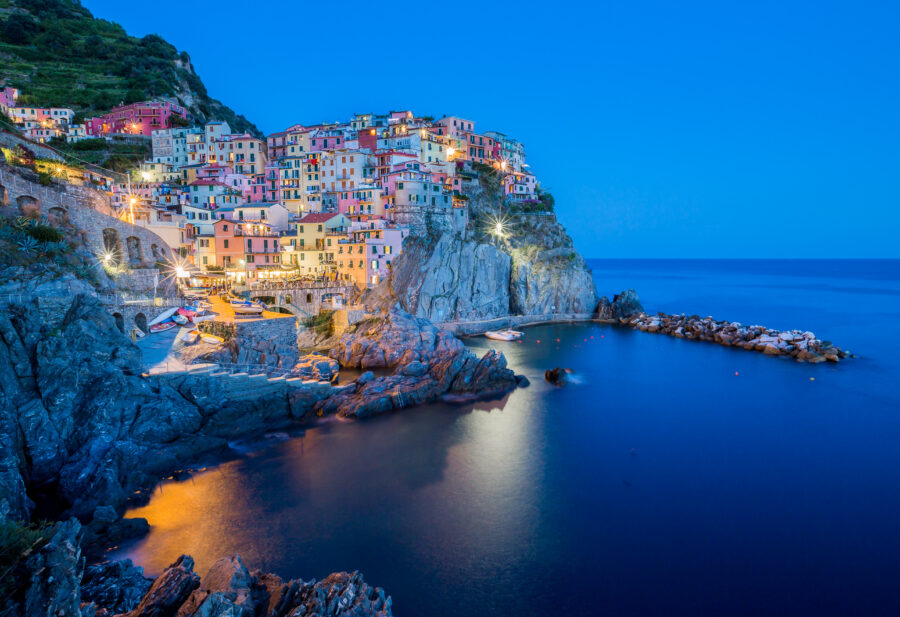
Getting around these coastal spots without a car takes different tools. Trains rule in one area, ferries in the other, and costs can surprise you depending on which coast you pick.
What are the best ways to explore the Amalfi Coast and Cinque Terre without a car?
In Cinque Terre, trains are your best friend. Each village has its own station, and trains run every 15 to 30 minutes in peak season. It only takes 5 to 10 minutes to zip between towns.
You can also walk between villages via the famous hiking trails. The Blue Path connects all five towns, though sections close at times for weather or repairs.
Ferries run from April through October. They’re slower than trains but give you postcard views from the water.
On the Amalfi Coast, things get trickier. Buses wind along the coast between towns like Positano, Amalfi, and Ravello, but they fill up fast in summer. Sometimes you’ll end up waiting for the next bus because the first one’s packed.
Ferries here also run April through October. They connect major towns and are honestly more comfortable and reliable than buses in high season.
If your budget allows, hiring a private driver or joining tours can be worth it on the Amalfi Coast. Those roads are narrow and twisty, so sometimes it’s nicer to let someone else drive.
Can you compare the costs of traveling in the Amalfi Coast versus Cinque Terre for tourists without personal vehicles?
Cinque Terre comes out cheaper. A Cinque Terre Card costs about 16 to 20 euros per day and covers unlimited train rides and trail access. Three days? Maybe 50 euros total for transport.
Hotels and guesthouses in Cinque Terre range from 80 to 150 euros per night for decent spots. Meals run about 15 to 25 euros per person at local restaurants.
The Amalfi Coast is pricier. Bus tickets cost 2 to 3 euros per ride, but you’ll probably take several daily. Ferry tickets go for 8 to 15 euros, depending on distance. Expect at least 30 to 40 euros a day just for getting around.
Rooms start at 150 euros per night and climb quickly. Many hotels aim for luxury travelers, so finding budget places takes some effort. Restaurants usually charge 25 to 40 euros per person.
So your daily spend in Cinque Terre might land around 120 to 180 euros, including lodging, food, and transport. On the Amalfi Coast, plan for 200 to 300 euros minimum per day.
Which is more accessible by train for a traveler without a car: Amalfi Coast or Cinque Terre?
Cinque Terre wins by a landslide. The train system is practically built for tourists. Stations sit right in the heart of each village, and you can reach any of them in minutes.
Trains run often from morning until late evening in tourist season. You barely need to check a schedule—another train will show up soon enough.
The Amalfi Coast doesn’t have trains connecting the main coastal towns. There’s a train station in Sorrento and another in Salerno, but nothing in between.
If you want to reach Positano, Amalfi, or Ravello by train, you’re out of luck. You’ll need to take a train to Sorrento or Salerno first, then switch to buses or ferries.
So, Cinque Terre is much easier for train travelers. Stay in any village and explore the others without stress.
How do ferry services between Cinque Terre and Amalfi Coast cater to tourists traveling without cars?
Both areas run seasonal ferry services that work well for car-free travelers. In Cinque Terre, ferries connect all five villages, plus Portovenere and La Spezia. They run multiple times a day from April through October, weather permitting.
You can buy single tickets or day passes. Rides between villages take 15 to 30 minutes—slower than the train, but the views are worth it. I’d say everyone should try at least one ferry ride to see the villages from the water.
On the Amalfi Coast, ferries matter even more since buses get so crowded. Services connect Positano, Amalfi, Salerno, and even Capri. Some boats head to Sorrento, too.
The ferries here are bigger and run more like regular transport than sightseeing boats. Schedules are usually reliable, though rough seas can cancel trips.
Both coasts shut down ferry service in winter. If you visit November through March, you’ll rely on trains in Cinque Terre or buses on the Amalfi Coast.
Ferry terminals are easy to spot in the main towns. Staff usually speak enough English to help tourists sort out tickets and schedules.
What is the optimal time of year to visit Amalfi Coast or Cinque Terre when one is not driving?
Late April through early June—honestly, that’s the sweet spot for both places. The weather’s usually warm enough for swimming, ferries run, and you don’t have to elbow your way through massive summer crowds. Public transport runs on full schedules but isn’t completely jammed.
September and early October? Also a smart choice. The summer madness calms down, yet most services still operate almost like it’s peak season. The sea stays warm enough for a dip well into September.
But July and August? Brace yourself for crowds and sky-high prices. Buses on the Amalfi Coast turn into sardine cans, and you might end up letting two or three pass before you can even get on. Trains in Cinque Terre deal with the rush a bit better, though stations can still get wild.
Winter? I’d only recommend it if you’re after absolute peace and don’t mind missing out on a lot. From November through March, loads of hotels and restaurants shut their doors. Ferries stop running entirely, which makes a bigger difference on the Amalfi Coast—buses become your only real option.
In spring, wildflowers pop up all over the Cinque Terre hiking trails. Fall brings harvest season, so both coasts fill up with food festivals and wine events. Weather in the shoulder months can flip on you, so yeah—bring layers and rain gear, just to be safe.
Is the public transportation system in the Amalfi Coast sufficient for tourists without a car to visit the main attractions?
Yeah, it technically works, but honestly, it can get pretty frustrating. SITA buses run along the coastal route, so you can get to the main spots, but expect crowds and delays, especially in high season.