
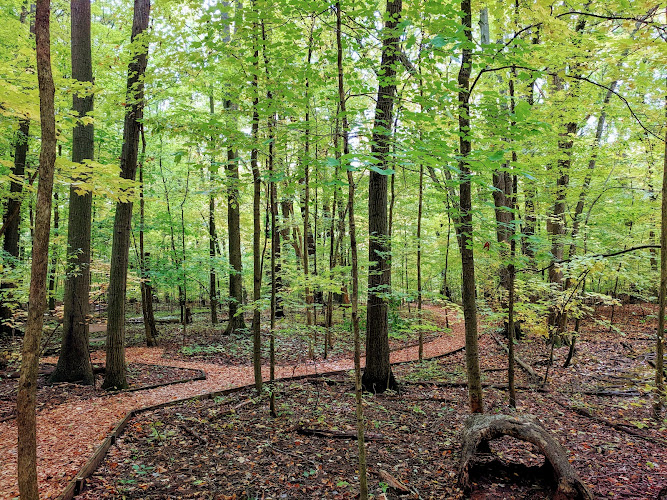
Bunker Interpretive Center
About Bunker Interpretive Center
Description
The Bunker Interpretive Center offers travelers an unexpected gem where natural beauty meets environmental education in a way that feels authentic rather than overly curated. This nature preserve serves multiple purposes - it's simultaneously a hiking destination, an educational facility, and a peaceful retreat from the usual tourist chaos that seems to plague so many popular destinations these days. What makes this place genuinely interesting is how it manages to balance accessibility with genuine natural experiences. I've visited plenty of nature centers that either feel too commercialized or too rustic for comfort, but this one seems to have found that sweet spot. The center itself provides context and understanding for the ecosystems you're about to explore, which honestly makes the whole experience richer than just wandering trails without knowing what you're looking at. The environmental organization behind the Bunker Interpretive Center has clearly put considerable thought into creating spaces that welcome everyone. And I mean everyone - this isn't one of those places where you need to be an experienced hiker or naturalist to appreciate what's on offer. Families with young kids find it manageable, people with mobility challenges can access most areas, and serious nature enthusiasts still discover enough depth to keep them engaged. Visitors consistently report that the preserve offers more substance than they initially expected. It's not just a quick photo stop on your way to somewhere else - though plenty of people start out thinking it will be. Once you're there, the combination of well-maintained trails, thoughtful interpretive displays, and genuinely interesting natural features tends to keep people exploring longer than they planned.Key Features
The Bunker Interpretive Center distinguishes itself through several notable characteristics that make it worth including in your travel plans:- Comprehensive Accessibility Features: The center provides wheelchair-accessible entrances, parking areas, and restrooms, making it one of the more inclusive nature destinations you'll find. This isn't just token accessibility either - the main trails and viewing areas are designed so that visitors with various mobility needs can actually experience the preserve, not just glimpse it from a parking lot.
- Family-Friendly Trail System: Multiple hiking options cater specifically to families traveling with children, featuring routes that are engaging without being exhausting. The trails incorporate educational elements that keep kids interested rather than complaining about being bored - something any parent who's dragged children through nature can appreciate.
- Educational Programming: As an environmental organization, the center offers interpretive resources that genuinely enhance understanding of local ecosystems, wildlife patterns, and conservation efforts. These aren't dumbed-down displays with generic information you could find anywhere.
- Varied Hiking Experiences: The trail network accommodates different fitness levels and time constraints, from short interpretive walks to longer backcountry explorations. You're not locked into one type of experience.
- Active Conservation Work: Visitors witness real environmental stewardship in action rather than just reading about conservation in abstract terms. The organization's ongoing projects make this a living laboratory of sorts.
- Natural Diversity: The preserve encompasses multiple habitat types, which means you're not staring at the same landscape for hours. The variety keeps things interesting as you explore different sections.
Best Time to Visit
Timing your visit to the Bunker Interpretive Center can significantly impact your experience, though honestly, this place has something worthwhile happening pretty much year-round. Spring brings that explosive renewal energy that makes nature preserves particularly magical. Wildflowers start appearing, migratory birds return, and the whole landscape seems to wake up after winter dormancy. If you're into bird watching or photography, spring mornings offer exceptional opportunities. The temperatures are usually comfortable for hiking too - not too hot, not freezing cold. Just be prepared for potential rain and muddy trail conditions, which come with the territory during this season. Summer attracts the biggest crowds, especially families taking advantage of school breaks. The center remains open for extended hours during peak season, and all trails are fully accessible. But summer also means heat, which can make midday hiking less pleasant depending on your heat tolerance. Early morning visits work best during summer months - you'll beat both the crowds and the temperature extremes. Plus, wildlife tends to be more active during cooler morning hours anyway. Fall might actually be the ideal visiting season if you ask me. The weather's usually perfect for hiking - cool enough to be comfortable but not cold enough to require heavy layers. Autumn colors transform the landscape into something genuinely spectacular, and the summer crowds have thinned out considerably. You can actually enjoy some solitude on the trails, which feels increasingly rare at popular nature destinations. Winter offers a completely different experience. The preserve takes on a stark, quiet beauty that appeals to travelers seeking peace rather than Instagram moments. Fewer visitors mean you'll likely have trails largely to yourself. However, check ahead about facility hours and trail conditions, as winter weather can impact access to certain areas. Some people find winter nature preserves depressing, but others discover a meditative quality in the stripped-down landscape. Weekday visits throughout any season provide noticeably different experiences than weekends. If your travel schedule allows flexibility, choosing a Tuesday or Wednesday means encountering fewer people and having more opportunities for wildlife observation.How to Get There
Getting to the Bunker Interpretive Center requires some planning, though it's not particularly complicated once you understand the basic route options. Most travelers arrive by personal vehicle, which offers the most flexibility for exploring the area on your own schedule. The preserve maintains adequate parking facilities that can accommodate standard vehicles and RVs. The wheelchair-accessible parking sits close to the main entrance, minimizing the distance visitors need to cover before reaching facilities and trailheads. If you're traveling without a car, options become more limited but not impossible. Some visitors arrange taxi or rideshare services from nearby towns, though you'll want to schedule return transportation in advance since getting a ride from the preserve on-demand can be unreliable. This is definitely one of those places where having your own wheels makes life easier. The roads leading to the center are generally well-maintained, suitable for regular passenger vehicles year-round under normal conditions. You don't need a 4x4 or specialized vehicle. However, winter weather can occasionally impact road conditions, so checking current conditions before departing makes sense during colder months. Plan for the actual drive to take slightly longer than GPS estimates suggest. Rural roads often have lower speed limits, and you might encounter farm equipment or wildlife that slows progress. Building in that extra buffer time prevents arriving stressed and rushed. Signage directing visitors to the Bunker Interpretive Center is adequate once you're in the general area, though the initial turnoff catches some people by surprise. Keeping your navigation app running even if you think you know where you're going helps avoid missed turns.Tips for Visiting
Making the most of your Bunker Interpretive Center experience involves some practical preparation that goes beyond just showing up. Dress in layers regardless of season. Nature preserve microclimates can differ significantly from town temperatures, and you'll likely warm up once you start hiking even on cool days. Comfortable, sturdy footwear matters more than you might think - even the easier trails can have uneven surfaces that make flimsy shoes uncomfortable. Bring water and snacks, especially if you're planning to explore multiple trails. While the center has facilities, you won't find vending machines or cafes scattered throughout the preserve. Staying hydrated and maintaining energy levels makes hiking more enjoyable and safer. Don't skip the interpretive center building itself, even if you're eager to hit the trails. Spending 15-20 minutes reviewing the displays and maps provides context that genuinely enhances what you'll see outside. You'll recognize plants, understand geological features, and notice wildlife signs you'd otherwise walk right past. Photography enthusiasts should know that lighting conditions change dramatically throughout the day. Golden hour - that period shortly after sunrise or before sunset - produces the most dramatic images, but midday light works fine for documentary-style nature photography. If you're visiting with children, consider downloading or picking up the family-friendly trail guide. Having a structured activity or scavenger hunt keeps kids engaged and transforms a walk into an adventure. Trust me on this one - it's the difference between hearing "are we done yet?" after ten minutes versus kids actually enjoying themselves. Respect wildlife by observing from appropriate distances and never feeding animals, no matter how cute or seemingly tame they appear. This isn't just about your safety - though that matters - it's about not disrupting natural behaviors and creating problematic dependencies. Check the center's schedule for any special programs or guided walks happening during your visit. These ranger-led or volunteer-guided experiences often reveal details and stories you'd never discover exploring independently. Even experienced naturalists usually learn something new from local experts. Be realistic about your fitness level and available time when choosing trails. The shorter interpretive walks aren't "lesser" experiences - they're designed to showcase key features efficiently. You don't need to complete the longest, most challenging trail to have a worthwhile visit. Bring binoculars if you have them, particularly for bird watching. The preserve attracts diverse species, and spotting distant wildlife becomes much more satisfying when you can actually see details rather than squinting at dots in the distance. Finally, give yourself more time than you think you'll need. The most common regret visitors express is feeling rushed. The Bunker Interpretive Center rewards slower, more observant exploration rather than quick pass-through visits.Key Features
- LEED-certified Bunker Interpretive Center with interpretive exhibits
- Network of walking trails and boardwalks through native gardens, wetlands and woods
- Educational programs and hands-on nature activities for families and students
- Wildlife viewing opportunities including turtles, birds and native plants
- Accessible location on Calvin University campus with public trail access
More Details
Updated March 30, 2026
Table of Contents
Description
The Bunker Interpretive Center offers travelers an unexpected gem where natural beauty meets environmental education in a way that feels authentic rather than overly curated. This nature preserve serves multiple purposes – it’s simultaneously a hiking destination, an educational facility, and a peaceful retreat from the usual tourist chaos that seems to plague so many popular destinations these days.
What makes this place genuinely interesting is how it manages to balance accessibility with genuine natural experiences. I’ve visited plenty of nature centers that either feel too commercialized or too rustic for comfort, but this one seems to have found that sweet spot. The center itself provides context and understanding for the ecosystems you’re about to explore, which honestly makes the whole experience richer than just wandering trails without knowing what you’re looking at.
The environmental organization behind the Bunker Interpretive Center has clearly put considerable thought into creating spaces that welcome everyone. And I mean everyone – this isn’t one of those places where you need to be an experienced hiker or naturalist to appreciate what’s on offer. Families with young kids find it manageable, people with mobility challenges can access most areas, and serious nature enthusiasts still discover enough depth to keep them engaged.
Visitors consistently report that the preserve offers more substance than they initially expected. It’s not just a quick photo stop on your way to somewhere else – though plenty of people start out thinking it will be. Once you’re there, the combination of well-maintained trails, thoughtful interpretive displays, and genuinely interesting natural features tends to keep people exploring longer than they planned.
Key Features
The Bunker Interpretive Center distinguishes itself through several notable characteristics that make it worth including in your travel plans:
- Comprehensive Accessibility Features: The center provides wheelchair-accessible entrances, parking areas, and restrooms, making it one of the more inclusive nature destinations you’ll find. This isn’t just token accessibility either – the main trails and viewing areas are designed so that visitors with various mobility needs can actually experience the preserve, not just glimpse it from a parking lot.
- Family-Friendly Trail System: Multiple hiking options cater specifically to families traveling with children, featuring routes that are engaging without being exhausting. The trails incorporate educational elements that keep kids interested rather than complaining about being bored – something any parent who’s dragged children through nature can appreciate.
- Educational Programming: As an environmental organization, the center offers interpretive resources that genuinely enhance understanding of local ecosystems, wildlife patterns, and conservation efforts. These aren’t dumbed-down displays with generic information you could find anywhere.
- Varied Hiking Experiences: The trail network accommodates different fitness levels and time constraints, from short interpretive walks to longer backcountry explorations. You’re not locked into one type of experience.
- Active Conservation Work: Visitors witness real environmental stewardship in action rather than just reading about conservation in abstract terms. The organization’s ongoing projects make this a living laboratory of sorts.
- Natural Diversity: The preserve encompasses multiple habitat types, which means you’re not staring at the same landscape for hours. The variety keeps things interesting as you explore different sections.
Best Time to Visit
Timing your visit to the Bunker Interpretive Center can significantly impact your experience, though honestly, this place has something worthwhile happening pretty much year-round.
Spring brings that explosive renewal energy that makes nature preserves particularly magical. Wildflowers start appearing, migratory birds return, and the whole landscape seems to wake up after winter dormancy. If you’re into bird watching or photography, spring mornings offer exceptional opportunities. The temperatures are usually comfortable for hiking too – not too hot, not freezing cold. Just be prepared for potential rain and muddy trail conditions, which come with the territory during this season.
Summer attracts the biggest crowds, especially families taking advantage of school breaks. The center remains open for extended hours during peak season, and all trails are fully accessible. But summer also means heat, which can make midday hiking less pleasant depending on your heat tolerance. Early morning visits work best during summer months – you’ll beat both the crowds and the temperature extremes. Plus, wildlife tends to be more active during cooler morning hours anyway.
Fall might actually be the ideal visiting season if you ask me. The weather’s usually perfect for hiking – cool enough to be comfortable but not cold enough to require heavy layers. Autumn colors transform the landscape into something genuinely spectacular, and the summer crowds have thinned out considerably. You can actually enjoy some solitude on the trails, which feels increasingly rare at popular nature destinations.
Winter offers a completely different experience. The preserve takes on a stark, quiet beauty that appeals to travelers seeking peace rather than Instagram moments. Fewer visitors mean you’ll likely have trails largely to yourself. However, check ahead about facility hours and trail conditions, as winter weather can impact access to certain areas. Some people find winter nature preserves depressing, but others discover a meditative quality in the stripped-down landscape.
Weekday visits throughout any season provide noticeably different experiences than weekends. If your travel schedule allows flexibility, choosing a Tuesday or Wednesday means encountering fewer people and having more opportunities for wildlife observation.
How to Get There
Getting to the Bunker Interpretive Center requires some planning, though it’s not particularly complicated once you understand the basic route options.
Most travelers arrive by personal vehicle, which offers the most flexibility for exploring the area on your own schedule. The preserve maintains adequate parking facilities that can accommodate standard vehicles and RVs. The wheelchair-accessible parking sits close to the main entrance, minimizing the distance visitors need to cover before reaching facilities and trailheads.
If you’re traveling without a car, options become more limited but not impossible. Some visitors arrange taxi or rideshare services from nearby towns, though you’ll want to schedule return transportation in advance since getting a ride from the preserve on-demand can be unreliable. This is definitely one of those places where having your own wheels makes life easier.
The roads leading to the center are generally well-maintained, suitable for regular passenger vehicles year-round under normal conditions. You don’t need a 4×4 or specialized vehicle. However, winter weather can occasionally impact road conditions, so checking current conditions before departing makes sense during colder months.
Plan for the actual drive to take slightly longer than GPS estimates suggest. Rural roads often have lower speed limits, and you might encounter farm equipment or wildlife that slows progress. Building in that extra buffer time prevents arriving stressed and rushed.
Signage directing visitors to the Bunker Interpretive Center is adequate once you’re in the general area, though the initial turnoff catches some people by surprise. Keeping your navigation app running even if you think you know where you’re going helps avoid missed turns.
Tips for Visiting
Making the most of your Bunker Interpretive Center experience involves some practical preparation that goes beyond just showing up.
Dress in layers regardless of season. Nature preserve microclimates can differ significantly from town temperatures, and you’ll likely warm up once you start hiking even on cool days. Comfortable, sturdy footwear matters more than you might think – even the easier trails can have uneven surfaces that make flimsy shoes uncomfortable.
Bring water and snacks, especially if you’re planning to explore multiple trails. While the center has facilities, you won’t find vending machines or cafes scattered throughout the preserve. Staying hydrated and maintaining energy levels makes hiking more enjoyable and safer.
Don’t skip the interpretive center building itself, even if you’re eager to hit the trails. Spending 15-20 minutes reviewing the displays and maps provides context that genuinely enhances what you’ll see outside. You’ll recognize plants, understand geological features, and notice wildlife signs you’d otherwise walk right past.
Photography enthusiasts should know that lighting conditions change dramatically throughout the day. Golden hour – that period shortly after sunrise or before sunset – produces the most dramatic images, but midday light works fine for documentary-style nature photography.
If you’re visiting with children, consider downloading or picking up the family-friendly trail guide. Having a structured activity or scavenger hunt keeps kids engaged and transforms a walk into an adventure. Trust me on this one – it’s the difference between hearing “are we done yet?” after ten minutes versus kids actually enjoying themselves.
Respect wildlife by observing from appropriate distances and never feeding animals, no matter how cute or seemingly tame they appear. This isn’t just about your safety – though that matters – it’s about not disrupting natural behaviors and creating problematic dependencies.
Check the center’s schedule for any special programs or guided walks happening during your visit. These ranger-led or volunteer-guided experiences often reveal details and stories you’d never discover exploring independently. Even experienced naturalists usually learn something new from local experts.
Be realistic about your fitness level and available time when choosing trails. The shorter interpretive walks aren’t “lesser” experiences – they’re designed to showcase key features efficiently. You don’t need to complete the longest, most challenging trail to have a worthwhile visit.
Bring binoculars if you have them, particularly for bird watching. The preserve attracts diverse species, and spotting distant wildlife becomes much more satisfying when you can actually see details rather than squinting at dots in the distance.
Finally, give yourself more time than you think you’ll need. The most common regret visitors express is feeling rushed. The Bunker Interpretive Center rewards slower, more observant exploration rather than quick pass-through visits.
Key Highlights
- LEED-certified Bunker Interpretive Center with interpretive exhibits
- Network of walking trails and boardwalks through native gardens, wetlands and woods
- Educational programs and hands-on nature activities for families and students
- Wildlife viewing opportunities including turtles, birds and native plants
- Accessible location on Calvin University campus with public trail access
Location
Places to Stay Near Bunker Interpretive Center
Find and Book a Tour
Explore More Travel Guides
No reviews found! Be the first to review!
Bunker Interpretive Center is a prominent attractions located in Grand Rapids.
Visit us at: 1750 E Beltline Ave SE, Grand Rapids, MI 49546.
Traveler Reviews for Bunker Interpretive Center
There are no reviews yet. Be the first one to write one.
Have you visited Bunker Interpretive Center? Help other travelers by sharing your review.
Nearby Attractions
You Might Also Like
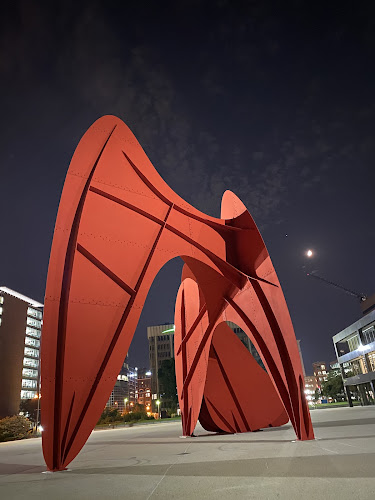
La Grande Vitesse
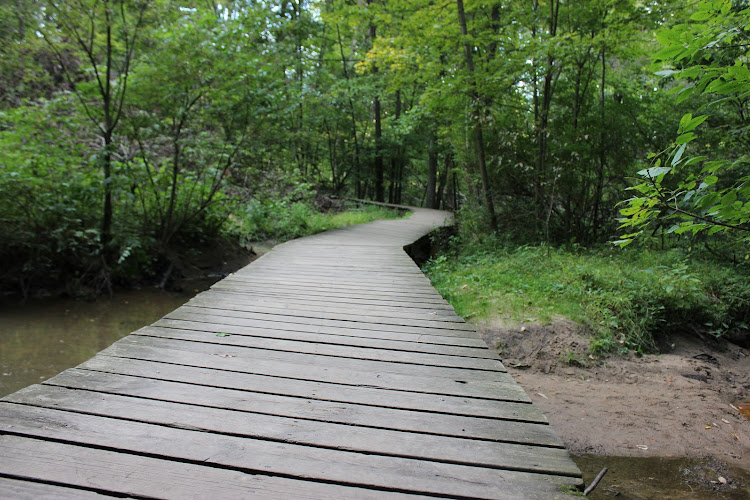
Blandford Nature Center
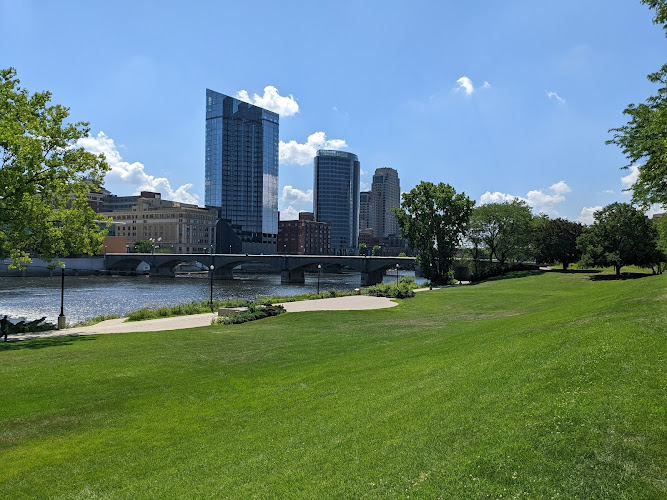
Ah-Nab-Awen Park
Find Accommodations Nearby
Recommended Tours & Activities
Visitor Reviews
There are no reviews yet. Be the first one to write one.
Share Your Experience
Have you visited Bunker Interpretive Center? Help other travelers by leaving a review.