

150000
About 150000
Description
The postal code 150000 represents a fascinating slice of geographic territory that most travelers overlook when planning their journeys. But here's the thing - postal codes aren't just administrative boundaries drawn on maps by bureaucrats. They're living, breathing spaces where real communities exist and authentic experiences await those curious enough to venture beyond the typical tourist trails. Now, I'll be honest with you. When I first heard about exploring a destination through its postal code designation, I thought it was a bit odd. But then I remembered my own trip to a small town in Eastern Europe where I didn't even know the proper name of the neighborhood I was staying in - I just had the postal code scribbled on a piece of paper. And you know what? That forced me to interact with locals, ask questions, and discover corners of the city I would have never found otherwise. The 150000 postal code area offers travelers an opportunity to experience a destination in its most genuine form. Without the polish of tourist boards and marketing campaigns, places identified primarily by their postal codes tend to retain their authentic character. You're not going to find crowds of tourists snapping selfies at every corner here. Instead, you'll encounter everyday life as it actually unfolds for the people who call this place home. What makes postal code areas particularly interesting for adventurous travelers is the element of discovery. You're essentially exploring a geographic zone defined by practical mail delivery routes rather than historical landmarks or commercial interests. This means you might stumble upon residential neighborhoods where grandmothers still gossip on their front porches, small family-run businesses that have served the same customers for decades, and local eateries where the menu hasn't changed in twenty years because, frankly, why mess with perfection?Key Features
The 150000 postal code area presents several distinctive characteristics that make it worth considering for your travel itinerary:- Authentic local atmosphere unmarred by heavy tourist commercialization
- Opportunity to observe genuine daily life and community interactions
- Potential for discovering hidden gems that don't appear in conventional travel guides
- Access to local businesses, markets, and eateries frequented by residents
- Lower costs compared to heavily touristed areas with inflated prices
- Unique photographic opportunities capturing real life rather than staged attractions
- Chance to practice language skills with locals who rarely encounter foreign visitors
- Residential architecture and urban planning that reflects local history and culture
- Community spaces like parks, playgrounds, and gathering spots where locals actually spend time
- Transportation hubs and infrastructure used by everyday commuters
Best Time to Visit
Figuring out the best time to visit an area defined by its postal code requires a different approach than planning trips to conventional tourist destinations. You're not working around peak seasons or trying to avoid crowds at famous monuments. Instead, you want to time your visit to experience the area when local life is at its most vibrant and accessible. Weekday mornings and late afternoons often provide the richest experiences in postal code areas. This is when you'll see the neighborhood truly come alive - parents walking children to school, professionals grabbing coffee before work, shopkeepers opening their stores, and markets setting up for the day. I remember wandering through a postal district in Prague on a Tuesday morning and the energy was just incredible. Everyone had somewhere to be, something to do, and watching it all unfold felt like seeing the gears of a clock working in perfect harmony. Weekend visits offer a different perspective. You might find local markets in full swing, families out for weekend activities, and a more relaxed pace overall. Saturday mornings, in particular, can be golden for experiencing community life. That's when people have time to linger over conversations, children play in public spaces, and neighborhoods show their social side. Seasonal considerations matter too. Spring and fall generally provide comfortable weather for walking around residential areas and exploring neighborhoods on foot. Summer can be wonderful if you enjoy warm weather, though be prepared for potential vacation periods when some local businesses might close and regular residents head out of town. Winter visits offer their own charm - there's something special about seeing how a community functions during colder months, with cafes full of locals seeking warmth and neighborhoods adorned with seasonal decorations. Avoid major holidays when businesses close and neighborhoods empty out as residents travel to visit family. But minor local holidays? Those can be absolutely fantastic for witnessing authentic cultural celebrations without the tourist circus.How to Get There
Getting to a specific postal code area requires a bit more navigation savvy than heading to a famous landmark, but that's part of the adventure. Your smartphone mapping application becomes your best friend here - simply input the postal code and let technology guide you. Most modern GPS systems and map apps handle postal codes beautifully, plotting routes whether you're driving, using public transportation, or walking. Public transportation often provides the most authentic arrival experience. Buses, trams, and metro lines that serve postal code areas are the same ones local residents use daily. You'll share space with people heading to work, students commuting to school, and elderly folks doing their shopping. It's an immediate immersion into local life that you simply can't replicate in a taxi or rental car. If you're taking public transport, research the routes beforehand but don't stress about getting it perfect. I've found some of my best travel experiences came from getting slightly lost and having to ask locals for directions. Most people appreciate when visitors make an effort to navigate their neighborhoods and are surprisingly helpful when you approach them respectfully. Driving works too, particularly if you're exploring multiple areas within the same postal code or carrying camera equipment and supplies. Just be aware that residential parking can be tricky. Many postal code areas have permit parking for residents, limited street parking, or paid parking facilities. Factor in extra time for finding parking and be prepared to walk a bit from wherever you leave your vehicle. For international travelers, you'll likely fly into the nearest major airport and then use regional transportation to reach the postal code area. Train stations and bus terminals often serve as good intermediate waypoints. Don't be afraid to mix transportation modes - maybe a train gets you to the general area and then a local bus takes you into the specific postal code zone.Tips for Visiting
Exploring a postal code area as a travel destination requires a different mindset than conventional sightseeing. You're essentially doing what I like to call "slow travel" - taking time to observe, interact, and absorb rather than rushing from one attraction to another checking items off a list. First and foremost, dress like you're visiting a residential neighborhood because, well, you are. Leave the obvious tourist gear at your accommodation. Comfortable walking shoes are essential because you'll be covering ground on foot, but skip the hiking boots and fanny pack combo. Blend in as much as reasonably possible. This isn't about deception - it's about respect for the community and making locals more comfortable with your presence. Bring a paper map or have offline maps downloaded on your phone. Not everywhere has perfect cell service, and wandering residential areas often means ducking into spots where signals get spotty. Plus, there's something satisfying about old-school navigation that makes you pay more attention to your surroundings. Language basics go a long way. Learn simple phrases like "hello," "thank you," "excuse me," and "I'm sorry" in the local language. Even your mangled pronunciation shows respect and effort that locals appreciate. I've had countless positive interactions that started with my terrible attempts at speaking local languages. People respond well to genuine effort. Be respectful of private property and personal space. You're in someone's neighborhood, not a theme park. Don't peer into ground-floor windows, photograph people without permission, or treat private spaces like public attractions. If you want to photograph something on private property, ask first. The worst they can say is no, and often they'll say yes and maybe even offer you tea and conversation. Support local businesses. Buy your coffee at the neighborhood cafe, grab lunch at the family restaurant, shop at the small grocers rather than chain stores. Your spending directly benefits the community you're exploring. Plus, small businesses are where you'll have the most meaningful interactions with locals who might share recommendations and stories. Keep flexible timing. Unlike visiting famous monuments with set hours, exploring postal code areas works best when you don't rigidly schedule your day. Allow yourself to wander, follow interesting streets, stop when something catches your attention, and linger over conversations that develop naturally. Stay aware of your surroundings but don't be paranoid. Residential areas generally have lower crime rates than tourist hotspots, but basic street smarts still apply. Keep valuables secure, stay alert, and trust your instincts. If an area feels uncomfortable, there's no shame in moving along. Document your experience thoughtfully. Take photos that capture the character of the place rather than just collecting images. Write notes about what you observe, conversations you have, and feelings the area evokes. These details fade quickly from memory but become treasured when you review them later. And finally, embrace the unexpected. The beauty of exploring a place through its postal code is that you truly don't know what you'll find. Maybe it's an amazing bakery, a beautiful piece of street art, a park where locals play chess, or simply a quiet street where the afternoon light falls perfectly across old buildings. These unplanned discoveries become your best travel memories.Key Features
- Authentic local atmosphere unmarred by heavy tourist commercialization
- Opportunity to observe genuine daily life and community interactions
- Potential for discovering hidden gems that don't appear in conventional travel guides
- Access to local businesses, markets, and eateries frequented by residents
- Lower costs compared to heavily touristed areas with inflated prices
- Unique photographic opportunities capturing real life rather than staged attractions
- Chance to practice language skills with locals who rarely encounter foreign visitors
- Residential architecture and urban planning that reflects local history and culture
More Details
Updated March 30, 2026
Table of Contents
Description
The postal code 150000 represents a fascinating slice of geographic territory that most travelers overlook when planning their journeys. But here’s the thing – postal codes aren’t just administrative boundaries drawn on maps by bureaucrats. They’re living, breathing spaces where real communities exist and authentic experiences await those curious enough to venture beyond the typical tourist trails.
Now, I’ll be honest with you. When I first heard about exploring a destination through its postal code designation, I thought it was a bit odd. But then I remembered my own trip to a small town in Eastern Europe where I didn’t even know the proper name of the neighborhood I was staying in – I just had the postal code scribbled on a piece of paper. And you know what? That forced me to interact with locals, ask questions, and discover corners of the city I would have never found otherwise.
The 150000 postal code area offers travelers an opportunity to experience a destination in its most genuine form. Without the polish of tourist boards and marketing campaigns, places identified primarily by their postal codes tend to retain their authentic character. You’re not going to find crowds of tourists snapping selfies at every corner here. Instead, you’ll encounter everyday life as it actually unfolds for the people who call this place home.
What makes postal code areas particularly interesting for adventurous travelers is the element of discovery. You’re essentially exploring a geographic zone defined by practical mail delivery routes rather than historical landmarks or commercial interests. This means you might stumble upon residential neighborhoods where grandmothers still gossip on their front porches, small family-run businesses that have served the same customers for decades, and local eateries where the menu hasn’t changed in twenty years because, frankly, why mess with perfection?
Key Features
The 150000 postal code area presents several distinctive characteristics that make it worth considering for your travel itinerary:
- Authentic local atmosphere unmarred by heavy tourist commercialization
- Opportunity to observe genuine daily life and community interactions
- Potential for discovering hidden gems that don’t appear in conventional travel guides
- Access to local businesses, markets, and eateries frequented by residents
- Lower costs compared to heavily touristed areas with inflated prices
- Unique photographic opportunities capturing real life rather than staged attractions
- Chance to practice language skills with locals who rarely encounter foreign visitors
- Residential architecture and urban planning that reflects local history and culture
- Community spaces like parks, playgrounds, and gathering spots where locals actually spend time
- Transportation hubs and infrastructure used by everyday commuters
Best Time to Visit
Figuring out the best time to visit an area defined by its postal code requires a different approach than planning trips to conventional tourist destinations. You’re not working around peak seasons or trying to avoid crowds at famous monuments. Instead, you want to time your visit to experience the area when local life is at its most vibrant and accessible.
Weekday mornings and late afternoons often provide the richest experiences in postal code areas. This is when you’ll see the neighborhood truly come alive – parents walking children to school, professionals grabbing coffee before work, shopkeepers opening their stores, and markets setting up for the day. I remember wandering through a postal district in Prague on a Tuesday morning and the energy was just incredible. Everyone had somewhere to be, something to do, and watching it all unfold felt like seeing the gears of a clock working in perfect harmony.
Weekend visits offer a different perspective. You might find local markets in full swing, families out for weekend activities, and a more relaxed pace overall. Saturday mornings, in particular, can be golden for experiencing community life. That’s when people have time to linger over conversations, children play in public spaces, and neighborhoods show their social side.
Seasonal considerations matter too. Spring and fall generally provide comfortable weather for walking around residential areas and exploring neighborhoods on foot. Summer can be wonderful if you enjoy warm weather, though be prepared for potential vacation periods when some local businesses might close and regular residents head out of town. Winter visits offer their own charm – there’s something special about seeing how a community functions during colder months, with cafes full of locals seeking warmth and neighborhoods adorned with seasonal decorations.
Avoid major holidays when businesses close and neighborhoods empty out as residents travel to visit family. But minor local holidays? Those can be absolutely fantastic for witnessing authentic cultural celebrations without the tourist circus.
How to Get There
Getting to a specific postal code area requires a bit more navigation savvy than heading to a famous landmark, but that’s part of the adventure. Your smartphone mapping application becomes your best friend here – simply input the postal code and let technology guide you. Most modern GPS systems and map apps handle postal codes beautifully, plotting routes whether you’re driving, using public transportation, or walking.
Public transportation often provides the most authentic arrival experience. Buses, trams, and metro lines that serve postal code areas are the same ones local residents use daily. You’ll share space with people heading to work, students commuting to school, and elderly folks doing their shopping. It’s an immediate immersion into local life that you simply can’t replicate in a taxi or rental car.
If you’re taking public transport, research the routes beforehand but don’t stress about getting it perfect. I’ve found some of my best travel experiences came from getting slightly lost and having to ask locals for directions. Most people appreciate when visitors make an effort to navigate their neighborhoods and are surprisingly helpful when you approach them respectfully.
Driving works too, particularly if you’re exploring multiple areas within the same postal code or carrying camera equipment and supplies. Just be aware that residential parking can be tricky. Many postal code areas have permit parking for residents, limited street parking, or paid parking facilities. Factor in extra time for finding parking and be prepared to walk a bit from wherever you leave your vehicle.
For international travelers, you’ll likely fly into the nearest major airport and then use regional transportation to reach the postal code area. Train stations and bus terminals often serve as good intermediate waypoints. Don’t be afraid to mix transportation modes – maybe a train gets you to the general area and then a local bus takes you into the specific postal code zone.
Tips for Visiting
Exploring a postal code area as a travel destination requires a different mindset than conventional sightseeing. You’re essentially doing what I like to call “slow travel” – taking time to observe, interact, and absorb rather than rushing from one attraction to another checking items off a list.
First and foremost, dress like you’re visiting a residential neighborhood because, well, you are. Leave the obvious tourist gear at your accommodation. Comfortable walking shoes are essential because you’ll be covering ground on foot, but skip the hiking boots and fanny pack combo. Blend in as much as reasonably possible. This isn’t about deception – it’s about respect for the community and making locals more comfortable with your presence.
Bring a paper map or have offline maps downloaded on your phone. Not everywhere has perfect cell service, and wandering residential areas often means ducking into spots where signals get spotty. Plus, there’s something satisfying about old-school navigation that makes you pay more attention to your surroundings.
Language basics go a long way. Learn simple phrases like “hello,” “thank you,” “excuse me,” and “I’m sorry” in the local language. Even your mangled pronunciation shows respect and effort that locals appreciate. I’ve had countless positive interactions that started with my terrible attempts at speaking local languages. People respond well to genuine effort.
Be respectful of private property and personal space. You’re in someone’s neighborhood, not a theme park. Don’t peer into ground-floor windows, photograph people without permission, or treat private spaces like public attractions. If you want to photograph something on private property, ask first. The worst they can say is no, and often they’ll say yes and maybe even offer you tea and conversation.
Support local businesses. Buy your coffee at the neighborhood cafe, grab lunch at the family restaurant, shop at the small grocers rather than chain stores. Your spending directly benefits the community you’re exploring. Plus, small businesses are where you’ll have the most meaningful interactions with locals who might share recommendations and stories.
Keep flexible timing. Unlike visiting famous monuments with set hours, exploring postal code areas works best when you don’t rigidly schedule your day. Allow yourself to wander, follow interesting streets, stop when something catches your attention, and linger over conversations that develop naturally.
Stay aware of your surroundings but don’t be paranoid. Residential areas generally have lower crime rates than tourist hotspots, but basic street smarts still apply. Keep valuables secure, stay alert, and trust your instincts. If an area feels uncomfortable, there’s no shame in moving along.
Document your experience thoughtfully. Take photos that capture the character of the place rather than just collecting images. Write notes about what you observe, conversations you have, and feelings the area evokes. These details fade quickly from memory but become treasured when you review them later.
And finally, embrace the unexpected. The beauty of exploring a place through its postal code is that you truly don’t know what you’ll find. Maybe it’s an amazing bakery, a beautiful piece of street art, a park where locals play chess, or simply a quiet street where the afternoon light falls perfectly across old buildings. These unplanned discoveries become your best travel memories.
Key Highlights
- Authentic local atmosphere unmarred by heavy tourist commercialization
- Opportunity to observe genuine daily life and community interactions
- Potential for discovering hidden gems that don't appear in conventional travel guides
- Access to local businesses, markets, and eateries frequented by residents
- Lower costs compared to heavily touristed areas with inflated prices
- Unique photographic opportunities capturing real life rather than staged attractions
- Chance to practice language skills with locals who rarely encounter foreign visitors
- Residential architecture and urban planning that reflects local history and culture
Location
Places to Stay Near 150000
Find and Book a Tour
Explore More Travel Guides
No reviews found! Be the first to review!
150000 is a prominent Attractions located in Yaroslavl.
Visit us at: Yaroslavl, Yaroslavl Oblast, Russia, 150000.
Traveler Reviews for 150000
There are no reviews yet. Be the first one to write one.
Have you visited 150000? Help other travelers by sharing your review.
You Might Also Like
"Zamochnoye Derevo"

Monument to the 1000 anniversary of Yaroslavl
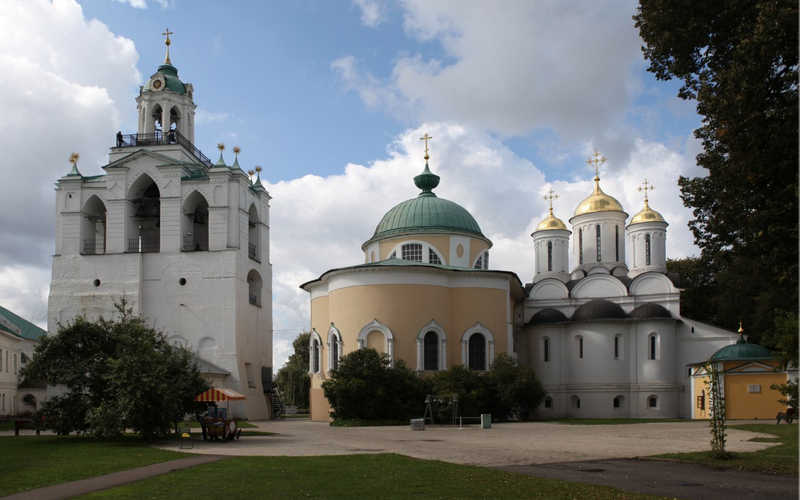
Yaroslavskiy Muzey Zapovednik
Find Accommodations Nearby
Recommended Tours & Activities
Visitor Reviews
There are no reviews yet. Be the first one to write one.
Share Your Experience
Have you visited 150000? Help other travelers by leaving a review.