
Yaroslavskiy Muzey Zapovednik
About Yaroslavskiy Muzey Zapovednik
Description
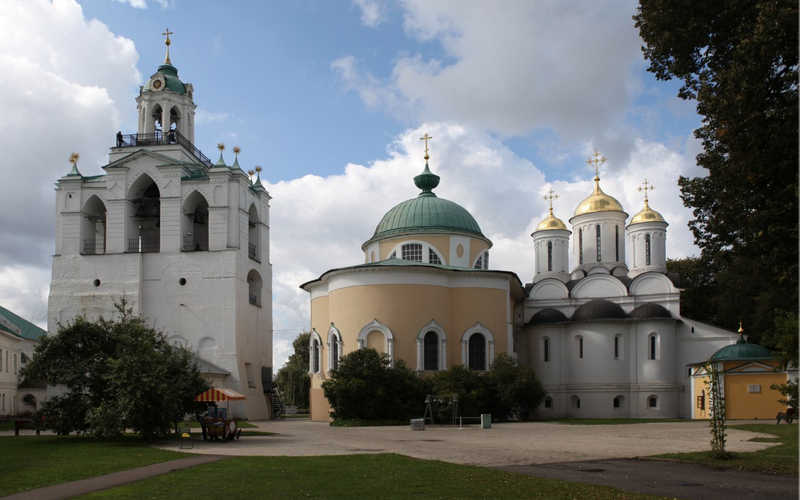
The Yaroslavskiy Muzey Zapovednik stands as one of Russia's most comprehensive museum complexes, bringing together centuries of cultural heritage under one umbrella organization. This isn't just your typical walk-through-and-look-at-stuff kind of museum. The complex spreads across multiple historical buildings and exhibition spaces throughout Yaroslavl, creating what locals sometimes call a living museum that breathes with the city itself. What makes this place genuinely fascinating is its scope. You'll find everything from ancient religious icons that'll make art historians weak at the knees to Soviet-era space exploration exhibits that remind visitors of Russia's cosmic achievements. And honestly, that combination tells you everything about Russian history right there – the spiritual meets the technological, the ancient collides with the modern. The museum complex operates as a heritage preservation organization, which means it's not just displaying artifacts behind glass cases. The staff here are actively working to preserve and restore pieces of Russian cultural identity. I've always found that approach more meaningful than museums that feel like mausoleums. This women-owned institution has earned its reputation through dedication to making history accessible while maintaining scholarly standards. The architecture itself deserves your attention. Many of the buildings housing the collections date back centuries, their walls having witnessed more history than any textbook could contain. Walking through these spaces, you're physically stepping through different epochs of Russian civilization.Key Features
The Yaroslavskiy Muzey Zapovednik offers visitors an impressive array of features that distinguish it from other museum complexes: • Extensive religious art collection featuring icons, manuscripts, and ecclesiastical treasures spanning several centuries of Russian Orthodox tradition • Space exploration exhibition showcasing Russia's contributions to cosmic discovery, including artifacts from the Soviet space program • Multiple historic buildings serving as exhibition spaces, each with architectural significance • Wheelchair accessible entrance, parking facilities, and restroom accommodations throughout the complex • Gender-neutral restroom facilities for inclusive visitor experiences • Family-friendly exhibitions and programs designed specifically for younger visitors • Rotating temporary exhibitions that complement the permanent collections • Preservation workshops and restoration facilities where visitors can occasionally observe conservators at work • Educational programs and guided tours in multiple languages • Comprehensive documentation of regional cultural history specific to the Yaroslavl area • Collections representing various periods of Russian history from medieval times through the 20th century • Photography opportunities in designated areas (though policies vary by exhibition)Best Time to Visit
Timing your visit to the Yaroslavskiy Muzey Zapovednik can significantly impact your experience. Let's be practical about this. The summer months from June through August bring the heaviest tourist traffic. You'll encounter tour groups, families, and international visitors all competing for space in front of the most popular exhibits. But there's a trade-off – the weather's pleasant, the city feels alive, and extended daylight hours mean you can explore Yaroslavl before or after your museum visit without feeling rushed. I'd argue that late spring (May) or early autumn (September) offers the sweet spot for museum visits. The crowds thin out considerably, yet the weather remains comfortable enough for walking between different buildings in the complex. And here's something most guidebooks won't tell you – museum staff tend to be more relaxed and willing to chat during these shoulder seasons. I've had some of my best museum experiences when guards and docents had time to share stories that never make it into official tours. Winter visits present their own charm. Yes, it's cold. Sometimes brutally so. But the museum complex becomes a warm refuge from Yaroslavl's harsh winters, and you'll practically have certain exhibitions to yourself on weekday mornings. The religious art collection feels particularly atmospheric when snow's falling outside medieval walls. Weekday mornings generally offer the calmest visiting conditions regardless of season. The museum opens its doors before tour buses arrive, giving early birds a chance to experience key exhibits without jostling for position. Local school groups typically visit during midweek afternoons, so plan accordingly if you prefer quieter surroundings.How to Get There
Getting to the Yaroslavskiy Muzey Zapovednik requires some planning, but it's more straightforward than you might expect for a museum complex in provincial Russia. If you're coming from Moscow, the most common starting point for international travelers, you've got options. The train remains the most reliable choice – regular services run from Moscow's Yaroslavsky Station to Yaroslavl, taking roughly 3-4 hours depending on which train you catch. Book ahead if you're traveling during summer or holidays, because Russians love their weekend getaways. Buses also connect Moscow to Yaroslavl, though I'd personally stick with trains. Russian highways can be unpredictable, and bus schedules tend to be more... flexible than advertised. That said, buses cost less than trains if budget's your primary concern. Driving yourself? The M8 highway connects Moscow to Yaroslavl in about 250 kilometers. The road quality's decent by Russian standards, though winter driving requires serious confidence and proper tires. The museum complex offers wheelchair accessible parking facilities, which honestly impressed me given that many older Russian institutions overlook such necessities. Once you're in Yaroslavl itself, the museum buildings are scattered throughout the historic center. The main administrative building and several key exhibitions cluster together, making them walkable if you're reasonably fit. Local buses and marshrutkas (those chaotic minibuses that somehow arrive everywhere) serve the area frequently. Taxis through Yandex or other apps work reliably and won't break your budget. For visitors with mobility concerns, the wheelchair accessible entrance and facilities throughout the complex make this genuinely achievable. That's not something you can take for granted at heritage sites in this part of the world.Tips for Visiting
After considering what makes visits to the Yaroslavskiy Muzey Zapovednik successful, here's what you actually need to know. Buy your tickets early in the day or book ahead if possible. The ticketing system can get overwhelmed during peak periods, and there's nothing worse than standing in line for forty minutes before you even start exploring. Some exhibitions require separate tickets, so clarify what your admission includes. Dress in layers. Russian museum buildings vary wildly in temperature – you might freeze in one gallery and sweat in another. Plus, if you're visiting multiple buildings within the complex, you'll be going outside between locations. The religious art collection deserves at least two hours if you're genuinely interested. Don't rush through icons thinking they all look similar. Each piece tells specific theological and historical stories. Consider hiring a guide for this section specifically – the context transforms the experience from "looking at old paintings" to understanding a sophisticated visual language. Photography rules change depending on which exhibition you're in. Always check before snapping pictures. Some areas prohibit photography entirely, others allow it without flash. Breaking these rules brings swift reprimands from babushka guards who've perfected the art of the disapproving look. The space exploration exhibit attracts families with kids, so expect noise and energy in that section. It's genuinely good for children – interactive elements and actual space equipment capture young imaginations. But if you're seeking quiet contemplation, visit this area last. Comfortable shoes aren't optional. You'll be on your feet for hours, walking on various surfaces from ancient stone floors to modern concrete. I learned this the hard way wearing new boots and deeply regretted it by hour three. Bring cash for the gift shop and any small purchases. Card payments work in main areas, but smaller kiosks sometimes operate cash-only. The gift shop actually stocks decent quality reproductions and books, not just tacky magnets. Plan for at least half a day, preferably a full day if you're a serious museum person. Trying to rush through this complex does neither you nor the collections justice. There's a reason locals return multiple times – you can't absorb everything in one visit. The gender-neutral restroom facilities and accessibility features mean this museum accommodates diverse visitors more thoughtfully than many Russian institutions. Take advantage of these amenities as needed. Finally, engage with staff when appropriate. Despite language barriers, museum employees often possess encyclopedic knowledge about their collections. A simple question might unlock fascinating stories that enriched my own visits immeasurably. And remember – this women-owned institution operates with genuine passion for preservation and education. That commitment shows in how the complex is managed and maintained.Key Features
- Key Features
- Best Time to Visit
- How to Get There
- Tips for Visiting
More Details
Updated March 30, 2026
Table of Contents
Description
The Yaroslavskiy Muzey Zapovednik stands as one of Russia’s most comprehensive museum complexes, bringing together centuries of cultural heritage under one umbrella organization. This isn’t just your typical walk-through-and-look-at-stuff kind of museum. The complex spreads across multiple historical buildings and exhibition spaces throughout Yaroslavl, creating what locals sometimes call a living museum that breathes with the city itself.
What makes this place genuinely fascinating is its scope. You’ll find everything from ancient religious icons that’ll make art historians weak at the knees to Soviet-era space exploration exhibits that remind visitors of Russia’s cosmic achievements. And honestly, that combination tells you everything about Russian history right there – the spiritual meets the technological, the ancient collides with the modern.
The museum complex operates as a heritage preservation organization, which means it’s not just displaying artifacts behind glass cases. The staff here are actively working to preserve and restore pieces of Russian cultural identity. I’ve always found that approach more meaningful than museums that feel like mausoleums. This women-owned institution has earned its reputation through dedication to making history accessible while maintaining scholarly standards.
The architecture itself deserves your attention. Many of the buildings housing the collections date back centuries, their walls having witnessed more history than any textbook could contain. Walking through these spaces, you’re physically stepping through different epochs of Russian civilization.
Key Features
The Yaroslavskiy Muzey Zapovednik offers visitors an impressive array of features that distinguish it from other museum complexes:
• Extensive religious art collection featuring icons, manuscripts, and ecclesiastical treasures spanning several centuries of Russian Orthodox tradition
• Space exploration exhibition showcasing Russia’s contributions to cosmic discovery, including artifacts from the Soviet space program
• Multiple historic buildings serving as exhibition spaces, each with architectural significance
• Wheelchair accessible entrance, parking facilities, and restroom accommodations throughout the complex
• Gender-neutral restroom facilities for inclusive visitor experiences
• Family-friendly exhibitions and programs designed specifically for younger visitors
• Rotating temporary exhibitions that complement the permanent collections
• Preservation workshops and restoration facilities where visitors can occasionally observe conservators at work
• Educational programs and guided tours in multiple languages
• Comprehensive documentation of regional cultural history specific to the Yaroslavl area
• Collections representing various periods of Russian history from medieval times through the 20th century
• Photography opportunities in designated areas (though policies vary by exhibition)
Best Time to Visit
Timing your visit to the Yaroslavskiy Muzey Zapovednik can significantly impact your experience. Let’s be practical about this.
The summer months from June through August bring the heaviest tourist traffic. You’ll encounter tour groups, families, and international visitors all competing for space in front of the most popular exhibits. But there’s a trade-off – the weather’s pleasant, the city feels alive, and extended daylight hours mean you can explore Yaroslavl before or after your museum visit without feeling rushed.
I’d argue that late spring (May) or early autumn (September) offers the sweet spot for museum visits. The crowds thin out considerably, yet the weather remains comfortable enough for walking between different buildings in the complex. And here’s something most guidebooks won’t tell you – museum staff tend to be more relaxed and willing to chat during these shoulder seasons. I’ve had some of my best museum experiences when guards and docents had time to share stories that never make it into official tours.
Winter visits present their own charm. Yes, it’s cold. Sometimes brutally so. But the museum complex becomes a warm refuge from Yaroslavl’s harsh winters, and you’ll practically have certain exhibitions to yourself on weekday mornings. The religious art collection feels particularly atmospheric when snow’s falling outside medieval walls.
Weekday mornings generally offer the calmest visiting conditions regardless of season. The museum opens its doors before tour buses arrive, giving early birds a chance to experience key exhibits without jostling for position. Local school groups typically visit during midweek afternoons, so plan accordingly if you prefer quieter surroundings.
How to Get There
Getting to the Yaroslavskiy Muzey Zapovednik requires some planning, but it’s more straightforward than you might expect for a museum complex in provincial Russia.
If you’re coming from Moscow, the most common starting point for international travelers, you’ve got options. The train remains the most reliable choice – regular services run from Moscow’s Yaroslavsky Station to Yaroslavl, taking roughly 3-4 hours depending on which train you catch. Book ahead if you’re traveling during summer or holidays, because Russians love their weekend getaways.
Buses also connect Moscow to Yaroslavl, though I’d personally stick with trains. Russian highways can be unpredictable, and bus schedules tend to be more… flexible than advertised. That said, buses cost less than trains if budget’s your primary concern.
Driving yourself? The M8 highway connects Moscow to Yaroslavl in about 250 kilometers. The road quality’s decent by Russian standards, though winter driving requires serious confidence and proper tires. The museum complex offers wheelchair accessible parking facilities, which honestly impressed me given that many older Russian institutions overlook such necessities.
Once you’re in Yaroslavl itself, the museum buildings are scattered throughout the historic center. The main administrative building and several key exhibitions cluster together, making them walkable if you’re reasonably fit. Local buses and marshrutkas (those chaotic minibuses that somehow arrive everywhere) serve the area frequently. Taxis through Yandex or other apps work reliably and won’t break your budget.
For visitors with mobility concerns, the wheelchair accessible entrance and facilities throughout the complex make this genuinely achievable. That’s not something you can take for granted at heritage sites in this part of the world.
Tips for Visiting
After considering what makes visits to the Yaroslavskiy Muzey Zapovednik successful, here’s what you actually need to know.
Buy your tickets early in the day or book ahead if possible. The ticketing system can get overwhelmed during peak periods, and there’s nothing worse than standing in line for forty minutes before you even start exploring. Some exhibitions require separate tickets, so clarify what your admission includes.
Dress in layers. Russian museum buildings vary wildly in temperature – you might freeze in one gallery and sweat in another. Plus, if you’re visiting multiple buildings within the complex, you’ll be going outside between locations.
The religious art collection deserves at least two hours if you’re genuinely interested. Don’t rush through icons thinking they all look similar. Each piece tells specific theological and historical stories. Consider hiring a guide for this section specifically – the context transforms the experience from “looking at old paintings” to understanding a sophisticated visual language.
Photography rules change depending on which exhibition you’re in. Always check before snapping pictures. Some areas prohibit photography entirely, others allow it without flash. Breaking these rules brings swift reprimands from babushka guards who’ve perfected the art of the disapproving look.
The space exploration exhibit attracts families with kids, so expect noise and energy in that section. It’s genuinely good for children – interactive elements and actual space equipment capture young imaginations. But if you’re seeking quiet contemplation, visit this area last.
Comfortable shoes aren’t optional. You’ll be on your feet for hours, walking on various surfaces from ancient stone floors to modern concrete. I learned this the hard way wearing new boots and deeply regretted it by hour three.
Bring cash for the gift shop and any small purchases. Card payments work in main areas, but smaller kiosks sometimes operate cash-only. The gift shop actually stocks decent quality reproductions and books, not just tacky magnets.
Plan for at least half a day, preferably a full day if you’re a serious museum person. Trying to rush through this complex does neither you nor the collections justice. There’s a reason locals return multiple times – you can’t absorb everything in one visit.
The gender-neutral restroom facilities and accessibility features mean this museum accommodates diverse visitors more thoughtfully than many Russian institutions. Take advantage of these amenities as needed.
Finally, engage with staff when appropriate. Despite language barriers, museum employees often possess encyclopedic knowledge about their collections. A simple question might unlock fascinating stories that enriched my own visits immeasurably. And remember – this women-owned institution operates with genuine passion for preservation and education. That commitment shows in how the complex is managed and maintained.
Key Highlights
- Key Features
- Best Time to Visit
- How to Get There
- Tips for Visiting
Location
Places to Stay Near Yaroslavskiy Muzey Zapovednik
Find and Book a Tour
Explore More Travel Guides
No reviews found! Be the first to review!
Yaroslavskiy Muzey Zapovednik is a prominent attractions located in Yaroslavl.
Visit us at: Богоявленская пл, 25, Yaroslavl, Yaroslavl Oblast, Russia, 150000.
Traveler Reviews for Yaroslavskiy Muzey Zapovednik
There are no reviews yet. Be the first one to write one.
Have you visited Yaroslavskiy Muzey Zapovednik? Help other travelers by sharing your review.
You Might Also Like
Ulitsa Sverdlova, 53
Einstein Museum of entertaining science

Kazanskiy Zhenskiy Monastyr'
Find Accommodations Nearby
Recommended Tours & Activities
Visitor Reviews
There are no reviews yet. Be the first one to write one.
Share Your Experience
Have you visited Yaroslavskiy Muzey Zapovednik? Help other travelers by leaving a review.