
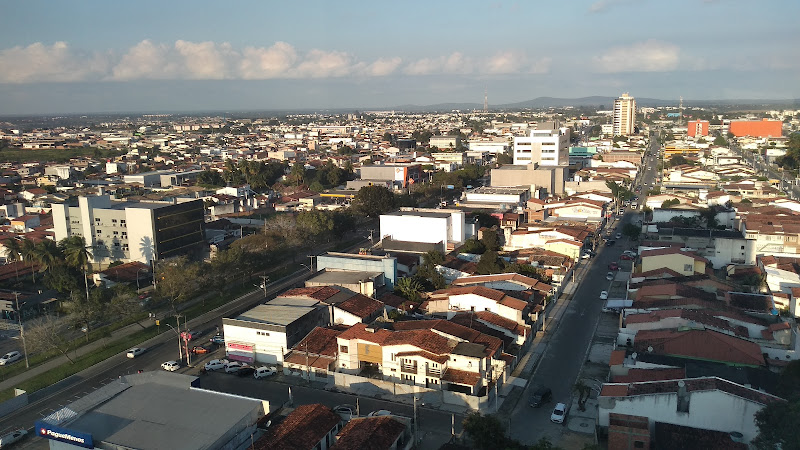
Feira de Santana
About Feira de Santana
Description
Feira de Santana stands as Bahia's second-largest urban center, and honestly, it's one of those Brazilian destinations that doesn't always make it onto the typical tourist radar—which is actually part of its charm. With over 616,000 residents calling it home, this city pulses with authentic Brazilian energy that you won't find in the more polished tourist hubs. I remember hearing from a friend who stumbled upon this place during a road trip, and she couldn't stop talking about how refreshingly real everything felt. Positioned roughly 100 kilometers northwest of Salvador, Feira de Santana serves as a crucial gateway between Brazil's northeastern coast and its interior regions. The city earned its name—which translates to "Saint Anne's Fair"—from the massive cattle fairs that historically defined its economic identity. And let me tell you, that mercantile spirit hasn't gone anywhere. Today, this place remains one of Brazil's most significant commercial centers, with a business culture that's been thriving since the 19th century. What makes Feira de Santana genuinely interesting for travelers is its position as a crossroads. The BR-324 highway connects it directly to Salvador, making day trips feasible in both directions. But here's the thing—while many visitors simply pass through on their way to somewhere else, those who actually stop and explore discover a city that offers an unfiltered glimpse into working-class Brazilian life, complete with bustling markets, regional cuisine that'll make your taste buds dance, and cultural traditions that haven't been sanitized for tourist consumption. The city's architecture tells stories of different eras, from colonial influences to modern Brazilian design. You'll find neighborhoods where old and new sit side by side, sometimes awkwardly, sometimes beautifully. It's not a museum piece or a carefully curated destination—it's a living, breathing city where people go about their daily lives, which in my opinion makes it far more interesting than yet another picture-perfect beach town.Key Features
Feira de Santana offers travelers several distinctive experiences that set it apart from more conventional Brazilian destinations: • Commercial Heritage: The city's famous markets and commercial districts showcase centuries of trading tradition, with the Centro de Abastecimento serving as one of the largest wholesale centers in northeastern Brazil where locals shop for everything from fresh produce to leather goods • Strategic Location: Positioned at the intersection of major highways connecting Bahia's coast to its interior, the city functions as a natural base for exploring the wider region without paying Salvador's premium prices • Authentic Bahian Culture: Experience forró music venues, traditional vaquejada (rodeo) events, and local festivals that celebrate the region's cattle-ranching heritage without the tourist markup you'd encounter in coastal cities • Micareta Festival: This off-season carnival held in April transforms the city into one massive street party, offering all the energy of Salvador's Carnaval but with fewer international tourists and lower accommodation costs • Regional Cuisine: Discover interior Bahian food culture featuring dishes like carne de sol (sun-dried beef), buchada (stuffed goat stomach), and regional sweets that differ significantly from coastal Bahian cuisine • Educational Hub: Home to Universidade Estadual de Feira de Santana, the city maintains a youthful atmosphere with student-friendly cafes, bars, and cultural spaces that welcome curious visitors • Shopping Opportunities: From the massive Feira do Couro (leather market) to modern shopping centers, the city offers purchasing power that attracts shoppers from across the region • Gateway Access: Day trip possibilities to Cachoeira and São Félix (historic colonial towns), Chapada Diamantina National Park's eastern access points, and Salvador's beaches make it a practical hub for budget-conscious travelersBest Time to Visit
Timing your visit to Feira de Santana really depends on what kind of experience you're after, and I'll be straight with you—this isn't a destination where weather plays as dramatic a role as it might elsewhere in Brazil. The city experiences a semi-arid climate with temperatures that stay pretty consistent year-round, typically ranging between 20°C to 30°C (68°F to 86°F). But here's what you actually need to know: the rainy season runs from April through July, though "rainy" here doesn't mean what it might in the Amazon. You'll get afternoon showers that clear up rather than days of continuous rain. If you're planning to experience Feira de Santana at its most electric, aim for April when Micareta takes over the streets. This carnival-style festival is basically the city's answer to Salvador's famous Carnaval, but scheduled for a different time of year so locals can enjoy both. The energy during Micareta is absolutely insane—in the best way possible—with music trios, street dancing, and that particular brand of Brazilian celebration that's hard to describe until you've experienced it yourself. For festival enthusiasts, June brings São João celebrations, which in the Northeast are arguably more important than Carnaval. The city goes all-in on forró music, traditional foods like canjica and pamonha, and bonfires. I've heard from travelers who've attended these June festivals in smaller Northeastern cities, and they consistently say it's one of the most authentically cultural experiences they've had in Brazil. The period from August through November offers drier weather and fewer crowds, making it ideal for travelers who prefer exploring markets, trying local restaurants, and soaking up daily life without festival chaos. Temperatures are comfortable, accommodation prices drop, and you'll have an easier time connecting with locals who aren't overwhelmed by event tourism. December through March brings hotter temperatures but also school vacation periods, which means more domestic tourists and higher prices. Unless you're specifically trying to experience Brazilian summer culture, you might want to avoid these months. One practical consideration: if you're using Feira de Santana as a base for exploring Chapada Diamantina, the dry season (August-November) offers better hiking conditions, while the wet season (April-July) brings waterfalls to their fullest flow. Choose based on your priorities.How to Get There
Getting to Feira de Santana is refreshingly straightforward, especially compared to some of Brazil's more remote destinations. Most international travelers will arrive via Salvador's Deputado Luís Eduardo Magalhães International Airport, which handles flights from major Brazilian cities and selected international routes. From Salvador's airport, you've got several options. The most convenient is probably booking a transfer or renting a car—the drive takes about 90 minutes via BR-324, a well-maintained divided highway that's one of the better roads you'll encounter in this part of Brazil. And honestly, having your own vehicle gives you flexibility to explore the surrounding region, which is part of the appeal of basing yourself here. If you're budget-conscious (and who isn't?), intercity buses run frequently between Salvador's main bus terminal and Feira de Santana's rodoviária. Companies like Expresso São Jorge and Cidade Sol operate this route throughout the day, with tickets costing a fraction of what you'd pay for a transfer. The buses are generally comfortable, air-conditioned, and reliable—though travel time extends to about two hours depending on traffic and stops. For travelers already in other parts of Brazil, Feira de Santana's central location makes it accessible by bus from numerous cities. Routes connect to Aracaju (Sergipe), Recife (Pernambuco), and even more distant cities like Brasília. The rodoviária sits relatively close to the city center, and local taxis or ride-sharing apps can get you to your accommodation without drama. Now here's something worth mentioning: Feira de Santana doesn't have its own commercial airport, though it maintains a regional airfield primarily for private aviation. There've been discussions for years about expanding air service, but for now, Salvador remains your gateway. Once you're in the city, getting around requires either taxis, ride-sharing apps (which work reasonably well in the central areas), or local buses if you're feeling adventurous and speak some Portuguese. The city sprawls more than you might expect, and walking isn't always practical between major points of interest. Renting a car makes sense if you're planning excursions to surrounding areas, but for exploring the city center and markets, ride-sharing offers a good balance of affordability and convenience.Tips for Visiting
Let me share some practical wisdom that'll make your time in Feira de Santana considerably smoother and more enjoyable. First thing: Portuguese is essential here. Unlike Salvador's tourist zones where you might stumble through with English and Spanish, Feira de Santana operates in Portuguese, full stop. Download a translation app, learn basic phrases, or better yet, invest in some language lessons before arriving. That said, Brazilians are famously warm and patient with travelers attempting their language, so don't let language barriers stop you—just be prepared to communicate creatively. Safety deserves a real conversation. Feira de Santana is a working city, not a resort destination, which means you need street smarts. Don't flash expensive cameras or jewelry, avoid isolated areas after dark, and use legitimate taxis or ride-sharing apps rather than accepting rides from strangers. Keep most of your cash and cards secured in your accommodation, bringing only what you need for the day. That said, exercise normal urban caution rather than paranoia—millions of people live and work here safely. The market scene is where Feira de Santana truly shines, but timing matters. Visit markets early in the morning when produce is freshest and crowds are manageable. The Feira do Couro operates primarily on Mondays and Fridays (hence "feira" meaning market day), and this is when you'll find the best selection of leather goods at wholesale prices. Bargaining is expected and actually part of the shopping experience, so don't pay the first price quoted. Food adventures await, but start cautiously if you've got a sensitive stomach. The regional cuisine tends toward rich, heavy dishes with lots of meat and carbs. Try carne de sol with mandioca (cassava) for an authentic taste of sertão (backlands) cuisine. Street food can be excellent, but use the same judgment you would anywhere—look for busy stalls with high turnover. And please, don't skip the fresh juices made from regional fruits you've probably never heard of; they're genuinely one of Brazil's greatest contributions to human happiness. Cash remains king in many establishments, especially markets and smaller restaurants. While cards are accepted in shopping centers and major stores, bring sufficient reais for daily expenses. ATMs are widely available, but use machines inside banks or shopping centers rather than standalone street units. The heat can be intense, particularly if you're visiting between October and March. Carry water, wear sunscreen, and don't schedule too much for the hottest part of the day (roughly 11 AM to 3 PM). Follow local patterns—have a substantial lunch, take an afternoon break, then head out again as temperatures cool. Accommodation-wise, you'll find options ranging from budget hotels to more comfortable mid-range places. The city center offers convenience for markets and commerce, while neighborhoods like Brasília and Ponto Central provide quieter environments with shopping and dining nearby. Book ahead during Micareta and São João when the city fills up. If you're using Feira de Santana as a base for regional exploration, start early. Day trips to Chapada Diamantina's eastern towns like Lençóis require leaving by 6 or 7 AM to maximize your time. Similarly, visits to the historic towns of Cachoeira and São Félix are more enjoyable when you beat the midday heat. Finally, adjust your expectations accordingly. Feira de Santana isn't trying to be a tourist destination, and that's genuinely refreshing. You won't find multilingual signs, polished experiences, or infrastructure designed for international visitors. What you will find is authentic Brazilian culture, honest prices, and the satisfaction of traveling somewhere that hasn't been smoothed down and packaged for consumption. And honestly? That's becoming increasingly rare and valuable in our overly-curated travel landscape.Key Features
- Key Features
- Best Time to Visit
- How to Get There
- Tips for Visiting
More Details
Updated March 30, 2026
Table of Contents
Description
Feira de Santana stands as Bahia’s second-largest urban center, and honestly, it’s one of those Brazilian destinations that doesn’t always make it onto the typical tourist radar—which is actually part of its charm. With over 616,000 residents calling it home, this city pulses with authentic Brazilian energy that you won’t find in the more polished tourist hubs. I remember hearing from a friend who stumbled upon this place during a road trip, and she couldn’t stop talking about how refreshingly real everything felt.
Positioned roughly 100 kilometers northwest of Salvador, Feira de Santana serves as a crucial gateway between Brazil’s northeastern coast and its interior regions. The city earned its name—which translates to “Saint Anne’s Fair”—from the massive cattle fairs that historically defined its economic identity. And let me tell you, that mercantile spirit hasn’t gone anywhere. Today, this place remains one of Brazil’s most significant commercial centers, with a business culture that’s been thriving since the 19th century.
What makes Feira de Santana genuinely interesting for travelers is its position as a crossroads. The BR-324 highway connects it directly to Salvador, making day trips feasible in both directions. But here’s the thing—while many visitors simply pass through on their way to somewhere else, those who actually stop and explore discover a city that offers an unfiltered glimpse into working-class Brazilian life, complete with bustling markets, regional cuisine that’ll make your taste buds dance, and cultural traditions that haven’t been sanitized for tourist consumption.
The city’s architecture tells stories of different eras, from colonial influences to modern Brazilian design. You’ll find neighborhoods where old and new sit side by side, sometimes awkwardly, sometimes beautifully. It’s not a museum piece or a carefully curated destination—it’s a living, breathing city where people go about their daily lives, which in my opinion makes it far more interesting than yet another picture-perfect beach town.
Key Features
Feira de Santana offers travelers several distinctive experiences that set it apart from more conventional Brazilian destinations:
• Commercial Heritage: The city’s famous markets and commercial districts showcase centuries of trading tradition, with the Centro de Abastecimento serving as one of the largest wholesale centers in northeastern Brazil where locals shop for everything from fresh produce to leather goods
• Strategic Location: Positioned at the intersection of major highways connecting Bahia’s coast to its interior, the city functions as a natural base for exploring the wider region without paying Salvador’s premium prices
• Authentic Bahian Culture: Experience forró music venues, traditional vaquejada (rodeo) events, and local festivals that celebrate the region’s cattle-ranching heritage without the tourist markup you’d encounter in coastal cities
• Micareta Festival: This off-season carnival held in April transforms the city into one massive street party, offering all the energy of Salvador’s Carnaval but with fewer international tourists and lower accommodation costs
• Regional Cuisine: Discover interior Bahian food culture featuring dishes like carne de sol (sun-dried beef), buchada (stuffed goat stomach), and regional sweets that differ significantly from coastal Bahian cuisine
• Educational Hub: Home to Universidade Estadual de Feira de Santana, the city maintains a youthful atmosphere with student-friendly cafes, bars, and cultural spaces that welcome curious visitors
• Shopping Opportunities: From the massive Feira do Couro (leather market) to modern shopping centers, the city offers purchasing power that attracts shoppers from across the region
• Gateway Access: Day trip possibilities to Cachoeira and São Félix (historic colonial towns), Chapada Diamantina National Park’s eastern access points, and Salvador’s beaches make it a practical hub for budget-conscious travelers
Best Time to Visit
Timing your visit to Feira de Santana really depends on what kind of experience you’re after, and I’ll be straight with you—this isn’t a destination where weather plays as dramatic a role as it might elsewhere in Brazil.
The city experiences a semi-arid climate with temperatures that stay pretty consistent year-round, typically ranging between 20°C to 30°C (68°F to 86°F). But here’s what you actually need to know: the rainy season runs from April through July, though “rainy” here doesn’t mean what it might in the Amazon. You’ll get afternoon showers that clear up rather than days of continuous rain.
If you’re planning to experience Feira de Santana at its most electric, aim for April when Micareta takes over the streets. This carnival-style festival is basically the city’s answer to Salvador’s famous Carnaval, but scheduled for a different time of year so locals can enjoy both. The energy during Micareta is absolutely insane—in the best way possible—with music trios, street dancing, and that particular brand of Brazilian celebration that’s hard to describe until you’ve experienced it yourself.
For festival enthusiasts, June brings São João celebrations, which in the Northeast are arguably more important than Carnaval. The city goes all-in on forró music, traditional foods like canjica and pamonha, and bonfires. I’ve heard from travelers who’ve attended these June festivals in smaller Northeastern cities, and they consistently say it’s one of the most authentically cultural experiences they’ve had in Brazil.
The period from August through November offers drier weather and fewer crowds, making it ideal for travelers who prefer exploring markets, trying local restaurants, and soaking up daily life without festival chaos. Temperatures are comfortable, accommodation prices drop, and you’ll have an easier time connecting with locals who aren’t overwhelmed by event tourism.
December through March brings hotter temperatures but also school vacation periods, which means more domestic tourists and higher prices. Unless you’re specifically trying to experience Brazilian summer culture, you might want to avoid these months.
One practical consideration: if you’re using Feira de Santana as a base for exploring Chapada Diamantina, the dry season (August-November) offers better hiking conditions, while the wet season (April-July) brings waterfalls to their fullest flow. Choose based on your priorities.
How to Get There
Getting to Feira de Santana is refreshingly straightforward, especially compared to some of Brazil’s more remote destinations. Most international travelers will arrive via Salvador’s Deputado Luís Eduardo Magalhães International Airport, which handles flights from major Brazilian cities and selected international routes.
From Salvador’s airport, you’ve got several options. The most convenient is probably booking a transfer or renting a car—the drive takes about 90 minutes via BR-324, a well-maintained divided highway that’s one of the better roads you’ll encounter in this part of Brazil. And honestly, having your own vehicle gives you flexibility to explore the surrounding region, which is part of the appeal of basing yourself here.
If you’re budget-conscious (and who isn’t?), intercity buses run frequently between Salvador’s main bus terminal and Feira de Santana’s rodoviária. Companies like Expresso São Jorge and Cidade Sol operate this route throughout the day, with tickets costing a fraction of what you’d pay for a transfer. The buses are generally comfortable, air-conditioned, and reliable—though travel time extends to about two hours depending on traffic and stops.
For travelers already in other parts of Brazil, Feira de Santana’s central location makes it accessible by bus from numerous cities. Routes connect to Aracaju (Sergipe), Recife (Pernambuco), and even more distant cities like Brasília. The rodoviária sits relatively close to the city center, and local taxis or ride-sharing apps can get you to your accommodation without drama.
Now here’s something worth mentioning: Feira de Santana doesn’t have its own commercial airport, though it maintains a regional airfield primarily for private aviation. There’ve been discussions for years about expanding air service, but for now, Salvador remains your gateway.
Once you’re in the city, getting around requires either taxis, ride-sharing apps (which work reasonably well in the central areas), or local buses if you’re feeling adventurous and speak some Portuguese. The city sprawls more than you might expect, and walking isn’t always practical between major points of interest. Renting a car makes sense if you’re planning excursions to surrounding areas, but for exploring the city center and markets, ride-sharing offers a good balance of affordability and convenience.
Tips for Visiting
Let me share some practical wisdom that’ll make your time in Feira de Santana considerably smoother and more enjoyable.
First thing: Portuguese is essential here. Unlike Salvador’s tourist zones where you might stumble through with English and Spanish, Feira de Santana operates in Portuguese, full stop. Download a translation app, learn basic phrases, or better yet, invest in some language lessons before arriving. That said, Brazilians are famously warm and patient with travelers attempting their language, so don’t let language barriers stop you—just be prepared to communicate creatively.
Safety deserves a real conversation. Feira de Santana is a working city, not a resort destination, which means you need street smarts. Don’t flash expensive cameras or jewelry, avoid isolated areas after dark, and use legitimate taxis or ride-sharing apps rather than accepting rides from strangers. Keep most of your cash and cards secured in your accommodation, bringing only what you need for the day. That said, exercise normal urban caution rather than paranoia—millions of people live and work here safely.
The market scene is where Feira de Santana truly shines, but timing matters. Visit markets early in the morning when produce is freshest and crowds are manageable. The Feira do Couro operates primarily on Mondays and Fridays (hence “feira” meaning market day), and this is when you’ll find the best selection of leather goods at wholesale prices. Bargaining is expected and actually part of the shopping experience, so don’t pay the first price quoted.
Food adventures await, but start cautiously if you’ve got a sensitive stomach. The regional cuisine tends toward rich, heavy dishes with lots of meat and carbs. Try carne de sol with mandioca (cassava) for an authentic taste of sertão (backlands) cuisine. Street food can be excellent, but use the same judgment you would anywhere—look for busy stalls with high turnover. And please, don’t skip the fresh juices made from regional fruits you’ve probably never heard of; they’re genuinely one of Brazil’s greatest contributions to human happiness.
Cash remains king in many establishments, especially markets and smaller restaurants. While cards are accepted in shopping centers and major stores, bring sufficient reais for daily expenses. ATMs are widely available, but use machines inside banks or shopping centers rather than standalone street units.
The heat can be intense, particularly if you’re visiting between October and March. Carry water, wear sunscreen, and don’t schedule too much for the hottest part of the day (roughly 11 AM to 3 PM). Follow local patterns—have a substantial lunch, take an afternoon break, then head out again as temperatures cool.
Accommodation-wise, you’ll find options ranging from budget hotels to more comfortable mid-range places. The city center offers convenience for markets and commerce, while neighborhoods like Brasília and Ponto Central provide quieter environments with shopping and dining nearby. Book ahead during Micareta and São João when the city fills up.
If you’re using Feira de Santana as a base for regional exploration, start early. Day trips to Chapada Diamantina’s eastern towns like Lençóis require leaving by 6 or 7 AM to maximize your time. Similarly, visits to the historic towns of Cachoeira and São Félix are more enjoyable when you beat the midday heat.
Finally, adjust your expectations accordingly. Feira de Santana isn’t trying to be a tourist destination, and that’s genuinely refreshing. You won’t find multilingual signs, polished experiences, or infrastructure designed for international visitors. What you will find is authentic Brazilian culture, honest prices, and the satisfaction of traveling somewhere that hasn’t been smoothed down and packaged for consumption. And honestly? That’s becoming increasingly rare and valuable in our overly-curated travel landscape.
Key Highlights
- Key Features
- Best Time to Visit
- How to Get There
- Tips for Visiting
Location
Places to Stay Near Feira de Santana
Find and Book a Tour
Explore More Travel Guides
No reviews found! Be the first to review!
Feira de Santana is a prominent Attractions located in Feira de Santana.
Traveler Reviews for Feira de Santana
There are no reviews yet. Be the first one to write one.
Have you visited Feira de Santana? Help other travelers by sharing your review.
You Might Also Like
ibis Feira de Santana
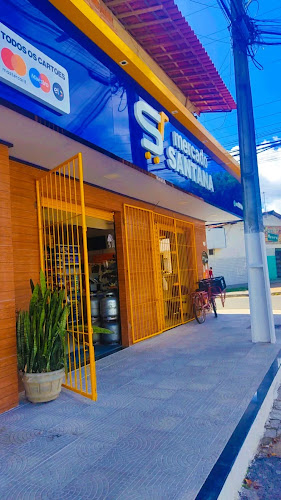
Mercado Santana 1
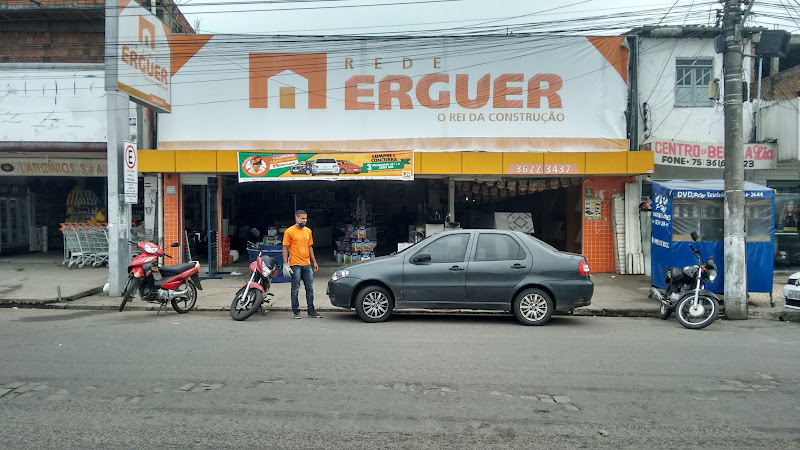
Rede Erguer O Rei da Construção - Tomba
Find Accommodations Nearby
Recommended Tours & Activities
Visitor Reviews
There are no reviews yet. Be the first one to write one.
Share Your Experience
Have you visited Feira de Santana? Help other travelers by leaving a review.