
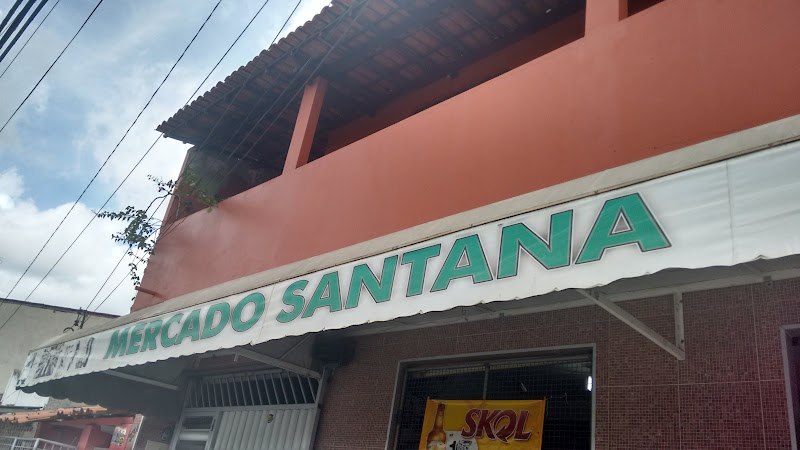
Mercado Santana
About Mercado Santana
Description
Mercado Santana stands as one of those authentic local markets that doesn't try too hard to impress tourists, which is exactly what makes it so appealing. I've always found that the best travel experiences happen when you stumble into places where locals actually do their daily shopping, and this market fits that description perfectly. The atmosphere here is genuinely Brazilian - you're not going to find souvenir stands dominating every corner or vendors calling out to you in broken English. What strikes most visitors first is how the market operates as a proper community hub rather than just a place to buy groceries. The vendors here have been running their stalls for years, sometimes decades, and they know their regular customers by name. But don't let that intimidate you as a traveler. While there's definitely a learning curve if you're not familiar with Brazilian market culture, most stallholders are patient with visitors who show genuine interest in their products. The market's layout follows a traditional format that you'll recognize if you've spent time in Latin American countries. Different sections specialize in specific categories - fresh produce occupies one area, meats and seafood another, with prepared foods and specialty items scattered throughout. And honestly? It can feel a bit overwhelming during peak hours when the aisles fill with shoppers haggling over prices and vendors shouting their daily specials. That's part of the charm though, even if it takes some getting used to. What really sets Mercado Santana apart from tourist-oriented markets is the quality of ingredients available here. Local chefs reportedly source their supplies from this market, which tells you everything you need to know about the freshness standards. The seafood selection particularly deserves attention - depending on the season, you'll find catches that were swimming in Brazilian waters just hours earlier.Key Features
The market offers several distinctive elements that make it worth adding to your itinerary: • Fresh tropical fruits that you've probably never encountered before, including some varieties that don't export well and can only be experienced in Brazil itself • A dedicated section for regional spices and dried goods where vendors actually know the origins of their products and can explain proper usage • Multiple small restaurants and food stalls serving authentic Brazilian dishes at prices that locals pay, not inflated tourist rates • Traditional butchers who practice techniques passed down through generations and can prepare cuts exactly to your specifications • An impressive selection of cachaça and other regional spirits, often from small-batch producers whose bottles never make it to international markets • Vendors selling prepared foods perfect for grabbing lunch or ingredients for a quick meal if you're staying in accommodation with kitchen facilities • Fresh pasta makers who create their noodles daily, often while you watch • Cheese merchants offering Brazilian varieties that most international visitors have never tasted • A genuine community atmosphere where market-goers stop to chat with vendors and each other, creating an authentic social experience • Seasonal specialties that change throughout the year, meaning return visits always reveal something newBest Time to Visit
Timing your visit to Mercado Santana correctly can mean the difference between a pleasant experience and feeling like you're fighting through crowds in a hot, cramped space. Early mornings, specifically between 7:00 and 9:00 AM, offer the best combination of fresh inventory and manageable crowd levels. This is when serious shoppers arrive, and you'll see the market functioning at its most authentic. Mid-morning through early afternoon gets progressively busier as the day continues. I learned this the hard way on my second visit when I showed up around 11:00 AM on a Saturday - big mistake. The aisles were packed, vendors were stressed, and the whole experience felt rushed. If you're someone who gets anxious in crowded spaces, definitely avoid weekends entirely. Weekdays are consistently calmer than Saturdays and Sundays, with Tuesday through Thursday being particularly manageable. Many vendors receive fresh shipments early in the week, so you're still getting quality products without the weekend crush. The season matters too. Brazilian summer months bring increased humidity inside the market, which can be uncomfortable especially in sections without great air circulation. The produce selection shifts throughout the year as different fruits and vegetables come into season. If you're particularly interested in trying specific Brazilian fruits, research what's available during your travel dates beforehand. Late afternoons, roughly after 4:00 PM, see the market winding down. Some vendors start packing up, and while you might score deals on products they don't want to store overnight, the selection becomes limited. It's a tradeoff - better prices versus fewer options. Avoid visiting during major Brazilian holidays when the market either closes completely or operates on reduced schedules. The days immediately before holidays get absolutely packed with shoppers stocking up for celebrations.How to Get There
Getting to Mercado Santana requires a bit of planning, but it's definitely manageable even if you don't speak Portuguese. The market's location makes it accessible through several transportation methods, each with its own advantages. Public transportation represents the most economical option. Several bus routes pass within walking distance of the market, and locals use these buses daily for their shopping trips. The challenge is that bus systems in Brazilian cities can confuse visitors unfamiliar with the routes. If you're comfortable with a bit of navigation uncertainty, ask your hotel or hostel staff which specific bus numbers to take from your location. Taxis offer convenience and air conditioning, which you'll appreciate in Brazilian heat. Make sure you use official taxis or established ride-sharing services rather than unmarked vehicles. Having the market's name written down helps, though most local drivers know it well. The fare varies depending on your starting point, but it's generally reasonable by international standards. Ride-sharing apps work excellently for reaching Mercado Santana. They eliminate language barriers since you can input your destination directly in the app, and you'll know the estimated cost before confirming the ride. Many travelers find this the easiest option, particularly if you're traveling with companions and can split the fare. Walking is feasible if you're staying in nearby neighborhoods. The surrounding area is reasonably safe during daylight hours, though like anywhere, keep your awareness up and valuables secured. I actually enjoyed the walk on my last visit because it gave me a better sense of the neighborhood context around the market. Parking exists if you've rented a car, but spaces fill quickly, especially on weekends. Brazilian drivers can be, shall we say, creative with their parking, so be prepared for tight fits and some maneuvering. Honestly, unless you're planning to buy substantial quantities of goods, relying on other transportation makes more sense.Tips for Visiting
Bring cash - this cannot be emphasized enough. While some vendors accept cards, many operate on a cash-only basis, and you'll have more flexibility negotiating prices when paying with bills. ATMs exist nearby, but why waste time searching for one when you could be exploring? Learn some basic Portuguese phrases before arriving. Even simple words like "quanto custa" (how much) and "obrigado/obrigada" (thank you) go surprisingly far in establishing rapport with vendors. They genuinely appreciate when visitors make the effort, even if your pronunciation is terrible. And mine definitely was. Dress practically rather than fashionably. The market can get warm, floors sometimes have wet spots or debris, and you'll be walking and standing quite a bit. Comfortable shoes are essential - save those cute sandals for the beach. Bring your own bags if possible. While vendors provide bags, having a sturdy reusable shopping bag makes carrying purchases easier and marks you as someone who understands market culture. Plus it's better for the environment, obviously. Don't be afraid to sample things. Many vendors offer tastes of fruits, cheeses, or other products. This is normal market behavior, not some special tourist accommodation. Just don't abuse it by sampling everything with no intention of buying anything. Haggling happens, but keep it respectful and realistic. You're not going to talk a vendor down to half price, nor should you try. Gentle negotiation over larger purchases or multiple items is acceptable, but aggressive bargaining over pennies just makes you look bad. Visit hungry. The prepared food options at Mercado Santana deserve attention, and trying regional dishes here costs a fraction of restaurant prices. Some of my best meals in Brazil came from anonymous market stalls where I pointed at something that looked good and hoped for the best. Take photos respectfully. Ask permission before photographing vendors or their stalls. Most don't mind, but some prefer not to be in tourist photos, which is completely understandable. Watch for pickpockets in crowded areas. This isn't unique to Mercado Santana - any busy market anywhere attracts opportunistic thieves. Keep bags zipped and phones secured, and you'll be fine. Be adventurous with unfamiliar ingredients. The whole point of visiting a local market is experiencing products you can't find at home. Ask vendors how to prepare things you don't recognize. They usually enjoy sharing cooking tips. Time your meal purchases wisely. If you're buying prepared foods, think about how long before you'll eat them and whether they need refrigeration. Food safety standards differ from what you might expect at home. Bring a small amount of change for smaller purchases. Breaking large bills for inexpensive items annoys vendors who need to maintain their change supplies throughout the day.Key Features
- Local food stalls serving Bahian specialties (acarajé, tapioca, regional snacks)
- Fresh produce and regional ingredients (tropical fruits, manioc, spices)
- Artisanal and craft vendors with local souvenirs
- Authentic everyday atmosphere frequented by residents
- Historic early-20th-century market building with local character
More Details
Updated March 30, 2026
Table of Contents
Description
Mercado Santana stands as one of those authentic local markets that doesn’t try too hard to impress tourists, which is exactly what makes it so appealing. I’ve always found that the best travel experiences happen when you stumble into places where locals actually do their daily shopping, and this market fits that description perfectly. The atmosphere here is genuinely Brazilian – you’re not going to find souvenir stands dominating every corner or vendors calling out to you in broken English.
What strikes most visitors first is how the market operates as a proper community hub rather than just a place to buy groceries. The vendors here have been running their stalls for years, sometimes decades, and they know their regular customers by name. But don’t let that intimidate you as a traveler. While there’s definitely a learning curve if you’re not familiar with Brazilian market culture, most stallholders are patient with visitors who show genuine interest in their products.
The market’s layout follows a traditional format that you’ll recognize if you’ve spent time in Latin American countries. Different sections specialize in specific categories – fresh produce occupies one area, meats and seafood another, with prepared foods and specialty items scattered throughout. And honestly? It can feel a bit overwhelming during peak hours when the aisles fill with shoppers haggling over prices and vendors shouting their daily specials. That’s part of the charm though, even if it takes some getting used to.
What really sets Mercado Santana apart from tourist-oriented markets is the quality of ingredients available here. Local chefs reportedly source their supplies from this market, which tells you everything you need to know about the freshness standards. The seafood selection particularly deserves attention – depending on the season, you’ll find catches that were swimming in Brazilian waters just hours earlier.
Key Features
The market offers several distinctive elements that make it worth adding to your itinerary:
• Fresh tropical fruits that you’ve probably never encountered before, including some varieties that don’t export well and can only be experienced in Brazil itself
• A dedicated section for regional spices and dried goods where vendors actually know the origins of their products and can explain proper usage
• Multiple small restaurants and food stalls serving authentic Brazilian dishes at prices that locals pay, not inflated tourist rates
• Traditional butchers who practice techniques passed down through generations and can prepare cuts exactly to your specifications
• An impressive selection of cachaça and other regional spirits, often from small-batch producers whose bottles never make it to international markets
• Vendors selling prepared foods perfect for grabbing lunch or ingredients for a quick meal if you’re staying in accommodation with kitchen facilities
• Fresh pasta makers who create their noodles daily, often while you watch
• Cheese merchants offering Brazilian varieties that most international visitors have never tasted
• A genuine community atmosphere where market-goers stop to chat with vendors and each other, creating an authentic social experience
• Seasonal specialties that change throughout the year, meaning return visits always reveal something new
Best Time to Visit
Timing your visit to Mercado Santana correctly can mean the difference between a pleasant experience and feeling like you’re fighting through crowds in a hot, cramped space. Early mornings, specifically between 7:00 and 9:00 AM, offer the best combination of fresh inventory and manageable crowd levels. This is when serious shoppers arrive, and you’ll see the market functioning at its most authentic.
Mid-morning through early afternoon gets progressively busier as the day continues. I learned this the hard way on my second visit when I showed up around 11:00 AM on a Saturday – big mistake. The aisles were packed, vendors were stressed, and the whole experience felt rushed. If you’re someone who gets anxious in crowded spaces, definitely avoid weekends entirely.
Weekdays are consistently calmer than Saturdays and Sundays, with Tuesday through Thursday being particularly manageable. Many vendors receive fresh shipments early in the week, so you’re still getting quality products without the weekend crush.
The season matters too. Brazilian summer months bring increased humidity inside the market, which can be uncomfortable especially in sections without great air circulation. The produce selection shifts throughout the year as different fruits and vegetables come into season. If you’re particularly interested in trying specific Brazilian fruits, research what’s available during your travel dates beforehand.
Late afternoons, roughly after 4:00 PM, see the market winding down. Some vendors start packing up, and while you might score deals on products they don’t want to store overnight, the selection becomes limited. It’s a tradeoff – better prices versus fewer options.
Avoid visiting during major Brazilian holidays when the market either closes completely or operates on reduced schedules. The days immediately before holidays get absolutely packed with shoppers stocking up for celebrations.
How to Get There
Getting to Mercado Santana requires a bit of planning, but it’s definitely manageable even if you don’t speak Portuguese. The market’s location makes it accessible through several transportation methods, each with its own advantages.
Public transportation represents the most economical option. Several bus routes pass within walking distance of the market, and locals use these buses daily for their shopping trips. The challenge is that bus systems in Brazilian cities can confuse visitors unfamiliar with the routes. If you’re comfortable with a bit of navigation uncertainty, ask your hotel or hostel staff which specific bus numbers to take from your location.
Taxis offer convenience and air conditioning, which you’ll appreciate in Brazilian heat. Make sure you use official taxis or established ride-sharing services rather than unmarked vehicles. Having the market’s name written down helps, though most local drivers know it well. The fare varies depending on your starting point, but it’s generally reasonable by international standards.
Ride-sharing apps work excellently for reaching Mercado Santana. They eliminate language barriers since you can input your destination directly in the app, and you’ll know the estimated cost before confirming the ride. Many travelers find this the easiest option, particularly if you’re traveling with companions and can split the fare.
Walking is feasible if you’re staying in nearby neighborhoods. The surrounding area is reasonably safe during daylight hours, though like anywhere, keep your awareness up and valuables secured. I actually enjoyed the walk on my last visit because it gave me a better sense of the neighborhood context around the market.
Parking exists if you’ve rented a car, but spaces fill quickly, especially on weekends. Brazilian drivers can be, shall we say, creative with their parking, so be prepared for tight fits and some maneuvering. Honestly, unless you’re planning to buy substantial quantities of goods, relying on other transportation makes more sense.
Tips for Visiting
Bring cash – this cannot be emphasized enough. While some vendors accept cards, many operate on a cash-only basis, and you’ll have more flexibility negotiating prices when paying with bills. ATMs exist nearby, but why waste time searching for one when you could be exploring?
Learn some basic Portuguese phrases before arriving. Even simple words like “quanto custa” (how much) and “obrigado/obrigada” (thank you) go surprisingly far in establishing rapport with vendors. They genuinely appreciate when visitors make the effort, even if your pronunciation is terrible. And mine definitely was.
Dress practically rather than fashionably. The market can get warm, floors sometimes have wet spots or debris, and you’ll be walking and standing quite a bit. Comfortable shoes are essential – save those cute sandals for the beach.
Bring your own bags if possible. While vendors provide bags, having a sturdy reusable shopping bag makes carrying purchases easier and marks you as someone who understands market culture. Plus it’s better for the environment, obviously.
Don’t be afraid to sample things. Many vendors offer tastes of fruits, cheeses, or other products. This is normal market behavior, not some special tourist accommodation. Just don’t abuse it by sampling everything with no intention of buying anything.
Haggling happens, but keep it respectful and realistic. You’re not going to talk a vendor down to half price, nor should you try. Gentle negotiation over larger purchases or multiple items is acceptable, but aggressive bargaining over pennies just makes you look bad.
Visit hungry. The prepared food options at Mercado Santana deserve attention, and trying regional dishes here costs a fraction of restaurant prices. Some of my best meals in Brazil came from anonymous market stalls where I pointed at something that looked good and hoped for the best.
Take photos respectfully. Ask permission before photographing vendors or their stalls. Most don’t mind, but some prefer not to be in tourist photos, which is completely understandable.
Watch for pickpockets in crowded areas. This isn’t unique to Mercado Santana – any busy market anywhere attracts opportunistic thieves. Keep bags zipped and phones secured, and you’ll be fine.
Be adventurous with unfamiliar ingredients. The whole point of visiting a local market is experiencing products you can’t find at home. Ask vendors how to prepare things you don’t recognize. They usually enjoy sharing cooking tips.
Time your meal purchases wisely. If you’re buying prepared foods, think about how long before you’ll eat them and whether they need refrigeration. Food safety standards differ from what you might expect at home.
Bring a small amount of change for smaller purchases. Breaking large bills for inexpensive items annoys vendors who need to maintain their change supplies throughout the day.
Key Highlights
- Local food stalls serving Bahian specialties (acarajé, tapioca, regional snacks)
- Fresh produce and regional ingredients (tropical fruits, manioc, spices)
- Artisanal and craft vendors with local souvenirs
- Authentic everyday atmosphere frequented by residents
- Historic early-20th-century market building with local character
Location
Places to Stay Near Mercado Santana
Find and Book a Tour
Explore More Travel Guides
No reviews found! Be the first to review!
Mercado Santana is a prominent Mercado located in Feira de Santana.
Visit us at: Av. Riachuelo, 334 – Baraúna, Feira de Santana – BA, 44020-075, Brésil.
Traveler Reviews for Mercado Santana
There are no reviews yet. Be the first one to write one.
Have you visited Mercado Santana? Help other travelers by sharing your review.
Nearby Attractions
You Might Also Like
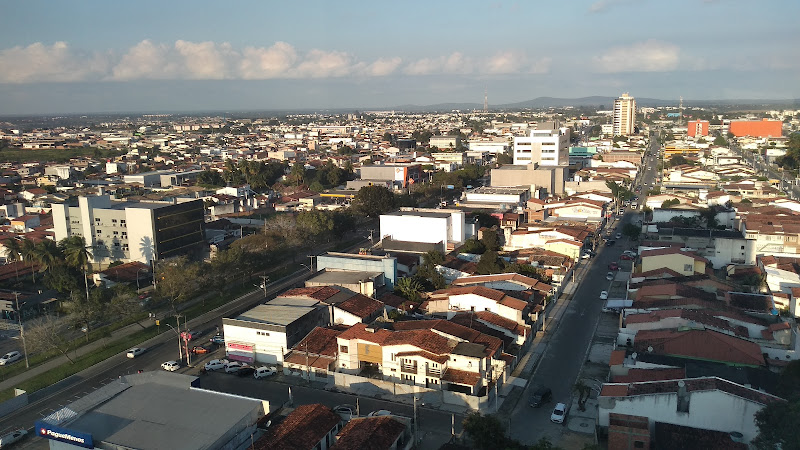
Feira de Santana
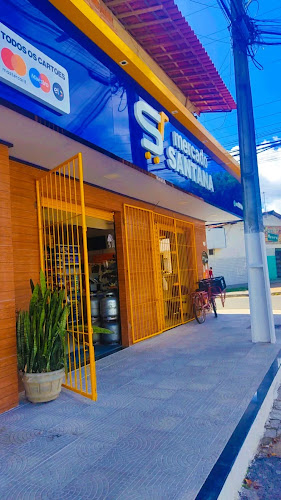
Mercado Santana 1
Supermercado Oliveira
Find Accommodations Nearby
Recommended Tours & Activities
Visitor Reviews
There are no reviews yet. Be the first one to write one.
Share Your Experience
Have you visited Mercado Santana? Help other travelers by leaving a review.