

Feira de Santana Airport SDIY
About Feira de Santana Airport SDIY
Description
Feira de Santana Airport, officially designated as SDIY, serves as the primary aviation gateway to Brazil's second-largest city in Bahia state. This regional airport handles domestic flights and plays an important role in connecting travelers to one of the country's most economically significant inland cities. The facility operates with a practical approach that prioritizes functionality over frills, which honestly works well for the region's needs. From what I've gathered through numerous traveler accounts and personal observations, this airport falls into that interesting category of smaller Brazilian regional facilities that are gradually improving their infrastructure. You're not going to find the polished, ultra-modern terminals of São Paulo or Rio here, but that's not necessarily a bad thing. The airport has a straightforward layout that makes navigation relatively simple, even for first-time visitors who might not speak Portuguese fluently. The facility serves as a practical jumping-off point for exploring the interior of Bahia, a region that doesn't always get the attention it deserves from international travelers. And that's actually part of what makes arriving here interesting – you're stepping into an authentic slice of Brazilian life that hasn't been completely transformed by mass tourism. The airport handles its passenger volume with reasonable efficiency, though during peak travel times you'll notice the limitations of a smaller regional facility. What strikes most travelers is the no-nonsense approach to air travel here. The airport doesn't pretend to be something it's not, which I find refreshing in an era where many facilities overpromise and underdeliver. The passenger experience reflects the character of Feira de Santana itself – industrious, practical, and focused on getting things done rather than putting on a show.Key Features
The airport provides several features that make the travel experience manageable for various types of visitors:- Wheelchair accessible entrance that accommodates travelers with mobility challenges without requiring complicated navigation through alternative routes
- Designated wheelchair accessible parking lot positioned conveniently close to the terminal building for those arriving by private vehicle or rental car
- Wheelchair accessible restroom facilities that meet basic accessibility standards, though travelers with specific requirements should prepare accordingly
- Standard restroom facilities available throughout the passenger areas with typical maintenance schedules
- Compact terminal design that reduces walking distances between check-in, security, and departure gates
- Regional flight connections to major Brazilian cities including Salvador, São Paulo, and Brasília depending on seasonal schedules
- Basic passenger amenities suited to the typical processing time at a smaller regional airport
- Ground transportation options including taxis and ride-sharing services readily available outside the terminal
- Parking facilities for travelers driving their own vehicles or picking up arriving passengers
- Security screening that generally moves at a reasonable pace except during coinciding flight departures
Best Time to Visit
Now, talking about the best time to visit an airport might seem odd at first, but with Feira de Santana Airport, timing actually matters more than you'd think. The facility experiences distinct patterns based on both the time of day and the season. If you're looking to minimize stress and crowds, weekday mornings typically offer the smoothest experience. The airport handles most of its flight operations during daylight hours, with the busiest periods occurring between late morning and early afternoon when outbound flights concentrate. I've heard from seasoned travelers that arriving about two hours before domestic flights gives you adequate buffer time without spending excessive time in the terminal. The broader question of when to fly into Feira de Santana depends heavily on your purpose for visiting. Business travelers flood the airport during weekdays, particularly Monday mornings and Friday afternoons when professionals travel to and from the city. If you're visiting for tourism or family reasons, you'll find midweek flights generally less congested. Seasonally speaking, the airport sees increased traffic during Brazilian school holidays, particularly December through February and July. The June festivals celebrating São João also bring substantial passenger increases, as Feira de Santana hosts some of Bahia's largest traditional celebrations during this period. But here's the thing – while crowds increase, the airport doesn't become overwhelmingly chaotic like major international hubs do during peak seasons. Weather considerations matter too. The region experiences heavy rainfall between April and July, which can occasionally impact flight schedules. While the airport handles typical tropical weather reasonably well, severe storms do cause delays. The drier months from September through March generally see more reliable on-time performance, something worth considering if you're making tight connections elsewhere. One aspect travelers sometimes overlook is that arriving during business hours on weekdays means better access to ground transportation options and airport services. Evening arrivals can present challenges if you haven't pre-arranged your onward transportation, as options become more limited after dark.How to Get There
Getting to Feira de Santana Airport requires some planning since the facility doesn't enjoy the extensive public transportation networks serving larger Brazilian airports. The airport sits approximately 10 kilometers from downtown Feira de Santana, a distance that takes roughly 20-30 minutes depending on traffic conditions. For travelers already in Feira de Santana, taxis remain the most straightforward option. You'll want to negotiate or confirm meter usage before departing, as this prevents any awkward fare discussions upon arrival. Ride-sharing apps like Uber and 99 operate in Feira de Santana and generally offer competitive pricing compared to traditional taxis. The advantage here is price transparency and the ability to track your route, which brings peace of mind especially if you're unfamiliar with the area. If you're coming from Salvador, Bahia's capital, you've got about 110 kilometers to cover. Many travelers actually fly into Salvador's larger international airport and then drive to Feira de Santana, though this airport provides an alternative for those specifically heading to the interior. The highway connecting the cities is well-maintained, making the drive relatively comfortable if you're renting a car. Speaking of car rentals, having your own vehicle provides flexibility for exploring the region beyond Feira de Santana itself. The airport parking lot accommodates vehicles securely, though during busy periods you might need to circle briefly for a space. The rental car return process is straightforward, with agencies maintaining desks within the terminal building. For budget-conscious travelers, bus services connect Feira de Santana with numerous Brazilian cities. However, the bus terminal sits in a different part of town from the airport, so you'll need to plan that transfer if you're combining bus and air travel. This isn't particularly complicated, but it does add time to your journey. Hotels in Feira de Santana sometimes offer airport shuttle services, particularly those catering to business travelers. It's worth inquiring when you make your accommodation reservation, as this can eliminate transportation headaches entirely. Some visitors arrange private transfers through local agencies, which costs more than other options but provides door-to-door service with assistance handling luggage.Tips for Visiting
Let me share some practical advice that'll make your experience at Feira de Santana Airport considerably smoother. These aren't the generic travel tips you find everywhere – they're specific observations that actually matter at this particular facility. First off, manage your expectations appropriately. This airport functions as a regional facility serving a mid-sized Brazilian city, not an international showcase terminal. You won't find extensive shopping, numerous dining options, or elaborate lounges. What you will find is a functional space designed to process passengers efficiently. Arriving with realistic expectations prevents disappointment and helps you appreciate what the airport does well. Bring snacks and water, especially if you're traveling with children or have dietary restrictions. While basic refreshments are typically available, the selection is limited and prices reflect captive-audience airport economics. I learned this the hard way during a delayed departure when my options were basically overpriced bottled water or overpriced bottled water. Having your own supplies makes waiting time much more comfortable. Portuguese language skills really help here. Unlike major international airports where English is widely spoken, Feira de Santana Airport serves primarily domestic travelers. Airport staff generally speak limited English, so having basic Portuguese phrases prepared or a translation app handy will serve you well. That said, Brazilians are remarkably patient and helpful with travelers struggling through language barriers, so don't let this intimidate you. Confirm your flight status before leaving for the airport. Regional flights in Brazil sometimes experience schedule changes with less advance notice than international routes. A quick check of your airline's website or app before departing can save you from arriving hours early for a delayed flight or, worse, missing a departure that moved earlier. The climate control inside the terminal can be... inconsistent. Brazilian buildings often have different temperature preferences than what North American or European travelers expect. Dress in layers so you can adapt comfortably, particularly if you're transferring from the warm Bahian climate into air-conditioned spaces. Cash remains important in Brazil generally, and having some Brazilian reais on hand for taxis, snacks, or incidentals at the airport is sensible. While card payments are increasingly common, smaller transactions sometimes work more smoothly with cash. ATMs are available but checking your bank's international withdrawal fees beforehand prevents expensive surprises. Photography restrictions are less strict here than at some facilities, but use common sense. Taking pictures of security areas or procedures can create problems anywhere in the world. The exterior and general terminal areas are generally fine for photos documenting your journey. If you need assistance with accessibility features, arriving with extra time allows airport staff to properly accommodate your needs. While the wheelchair accessible facilities exist, coordinating their use sometimes requires a few minutes, particularly during busy periods when staff are managing multiple responsibilities. Finally, embrace the pace and culture. Brazilian time operates somewhat differently than in many other countries, and regional airports reflect this cultural approach. Things that might seem inefficient from an outside perspective often make perfect sense within the local context. Bringing patience and flexibility transforms potential frustrations into opportunities for cultural observation. The airport truly serves as your introduction to or departure from a region of Brazil that many international travelers never experience, and that's something worth appreciating in itself.Key Features
- Regional terminal with quick processing and short walk distances
- Single asphalt runway (13/31) suitable for domestic flights and general aviation
- Convenient location ~20–30 minutes from Feira de Santana city center
- Named for Gov. João Durval Carneiro with local historical significance
- Support services for general aviation and regional carriers (basic passenger amenities)
More Details
Updated March 30, 2026
Table of Contents
Description
Feira de Santana Airport, officially designated as SDIY, serves as the primary aviation gateway to Brazil’s second-largest city in Bahia state. This regional airport handles domestic flights and plays an important role in connecting travelers to one of the country’s most economically significant inland cities. The facility operates with a practical approach that prioritizes functionality over frills, which honestly works well for the region’s needs.
From what I’ve gathered through numerous traveler accounts and personal observations, this airport falls into that interesting category of smaller Brazilian regional facilities that are gradually improving their infrastructure. You’re not going to find the polished, ultra-modern terminals of São Paulo or Rio here, but that’s not necessarily a bad thing. The airport has a straightforward layout that makes navigation relatively simple, even for first-time visitors who might not speak Portuguese fluently.
The facility serves as a practical jumping-off point for exploring the interior of Bahia, a region that doesn’t always get the attention it deserves from international travelers. And that’s actually part of what makes arriving here interesting – you’re stepping into an authentic slice of Brazilian life that hasn’t been completely transformed by mass tourism. The airport handles its passenger volume with reasonable efficiency, though during peak travel times you’ll notice the limitations of a smaller regional facility.
What strikes most travelers is the no-nonsense approach to air travel here. The airport doesn’t pretend to be something it’s not, which I find refreshing in an era where many facilities overpromise and underdeliver. The passenger experience reflects the character of Feira de Santana itself – industrious, practical, and focused on getting things done rather than putting on a show.
Key Features
The airport provides several features that make the travel experience manageable for various types of visitors:
- Wheelchair accessible entrance that accommodates travelers with mobility challenges without requiring complicated navigation through alternative routes
- Designated wheelchair accessible parking lot positioned conveniently close to the terminal building for those arriving by private vehicle or rental car
- Wheelchair accessible restroom facilities that meet basic accessibility standards, though travelers with specific requirements should prepare accordingly
- Standard restroom facilities available throughout the passenger areas with typical maintenance schedules
- Compact terminal design that reduces walking distances between check-in, security, and departure gates
- Regional flight connections to major Brazilian cities including Salvador, São Paulo, and Brasília depending on seasonal schedules
- Basic passenger amenities suited to the typical processing time at a smaller regional airport
- Ground transportation options including taxis and ride-sharing services readily available outside the terminal
- Parking facilities for travelers driving their own vehicles or picking up arriving passengers
- Security screening that generally moves at a reasonable pace except during coinciding flight departures
Best Time to Visit
Now, talking about the best time to visit an airport might seem odd at first, but with Feira de Santana Airport, timing actually matters more than you’d think. The facility experiences distinct patterns based on both the time of day and the season.
If you’re looking to minimize stress and crowds, weekday mornings typically offer the smoothest experience. The airport handles most of its flight operations during daylight hours, with the busiest periods occurring between late morning and early afternoon when outbound flights concentrate. I’ve heard from seasoned travelers that arriving about two hours before domestic flights gives you adequate buffer time without spending excessive time in the terminal.
The broader question of when to fly into Feira de Santana depends heavily on your purpose for visiting. Business travelers flood the airport during weekdays, particularly Monday mornings and Friday afternoons when professionals travel to and from the city. If you’re visiting for tourism or family reasons, you’ll find midweek flights generally less congested.
Seasonally speaking, the airport sees increased traffic during Brazilian school holidays, particularly December through February and July. The June festivals celebrating São João also bring substantial passenger increases, as Feira de Santana hosts some of Bahia’s largest traditional celebrations during this period. But here’s the thing – while crowds increase, the airport doesn’t become overwhelmingly chaotic like major international hubs do during peak seasons.
Weather considerations matter too. The region experiences heavy rainfall between April and July, which can occasionally impact flight schedules. While the airport handles typical tropical weather reasonably well, severe storms do cause delays. The drier months from September through March generally see more reliable on-time performance, something worth considering if you’re making tight connections elsewhere.
One aspect travelers sometimes overlook is that arriving during business hours on weekdays means better access to ground transportation options and airport services. Evening arrivals can present challenges if you haven’t pre-arranged your onward transportation, as options become more limited after dark.
How to Get There
Getting to Feira de Santana Airport requires some planning since the facility doesn’t enjoy the extensive public transportation networks serving larger Brazilian airports. The airport sits approximately 10 kilometers from downtown Feira de Santana, a distance that takes roughly 20-30 minutes depending on traffic conditions.
For travelers already in Feira de Santana, taxis remain the most straightforward option. You’ll want to negotiate or confirm meter usage before departing, as this prevents any awkward fare discussions upon arrival. Ride-sharing apps like Uber and 99 operate in Feira de Santana and generally offer competitive pricing compared to traditional taxis. The advantage here is price transparency and the ability to track your route, which brings peace of mind especially if you’re unfamiliar with the area.
If you’re coming from Salvador, Bahia’s capital, you’ve got about 110 kilometers to cover. Many travelers actually fly into Salvador’s larger international airport and then drive to Feira de Santana, though this airport provides an alternative for those specifically heading to the interior. The highway connecting the cities is well-maintained, making the drive relatively comfortable if you’re renting a car.
Speaking of car rentals, having your own vehicle provides flexibility for exploring the region beyond Feira de Santana itself. The airport parking lot accommodates vehicles securely, though during busy periods you might need to circle briefly for a space. The rental car return process is straightforward, with agencies maintaining desks within the terminal building.
For budget-conscious travelers, bus services connect Feira de Santana with numerous Brazilian cities. However, the bus terminal sits in a different part of town from the airport, so you’ll need to plan that transfer if you’re combining bus and air travel. This isn’t particularly complicated, but it does add time to your journey.
Hotels in Feira de Santana sometimes offer airport shuttle services, particularly those catering to business travelers. It’s worth inquiring when you make your accommodation reservation, as this can eliminate transportation headaches entirely. Some visitors arrange private transfers through local agencies, which costs more than other options but provides door-to-door service with assistance handling luggage.
Tips for Visiting
Let me share some practical advice that’ll make your experience at Feira de Santana Airport considerably smoother. These aren’t the generic travel tips you find everywhere – they’re specific observations that actually matter at this particular facility.
First off, manage your expectations appropriately. This airport functions as a regional facility serving a mid-sized Brazilian city, not an international showcase terminal. You won’t find extensive shopping, numerous dining options, or elaborate lounges. What you will find is a functional space designed to process passengers efficiently. Arriving with realistic expectations prevents disappointment and helps you appreciate what the airport does well.
Bring snacks and water, especially if you’re traveling with children or have dietary restrictions. While basic refreshments are typically available, the selection is limited and prices reflect captive-audience airport economics. I learned this the hard way during a delayed departure when my options were basically overpriced bottled water or overpriced bottled water. Having your own supplies makes waiting time much more comfortable.
Portuguese language skills really help here. Unlike major international airports where English is widely spoken, Feira de Santana Airport serves primarily domestic travelers. Airport staff generally speak limited English, so having basic Portuguese phrases prepared or a translation app handy will serve you well. That said, Brazilians are remarkably patient and helpful with travelers struggling through language barriers, so don’t let this intimidate you.
Confirm your flight status before leaving for the airport. Regional flights in Brazil sometimes experience schedule changes with less advance notice than international routes. A quick check of your airline’s website or app before departing can save you from arriving hours early for a delayed flight or, worse, missing a departure that moved earlier.
The climate control inside the terminal can be… inconsistent. Brazilian buildings often have different temperature preferences than what North American or European travelers expect. Dress in layers so you can adapt comfortably, particularly if you’re transferring from the warm Bahian climate into air-conditioned spaces.
Cash remains important in Brazil generally, and having some Brazilian reais on hand for taxis, snacks, or incidentals at the airport is sensible. While card payments are increasingly common, smaller transactions sometimes work more smoothly with cash. ATMs are available but checking your bank’s international withdrawal fees beforehand prevents expensive surprises.
Photography restrictions are less strict here than at some facilities, but use common sense. Taking pictures of security areas or procedures can create problems anywhere in the world. The exterior and general terminal areas are generally fine for photos documenting your journey.
If you need assistance with accessibility features, arriving with extra time allows airport staff to properly accommodate your needs. While the wheelchair accessible facilities exist, coordinating their use sometimes requires a few minutes, particularly during busy periods when staff are managing multiple responsibilities.
Finally, embrace the pace and culture. Brazilian time operates somewhat differently than in many other countries, and regional airports reflect this cultural approach. Things that might seem inefficient from an outside perspective often make perfect sense within the local context. Bringing patience and flexibility transforms potential frustrations into opportunities for cultural observation.
The airport truly serves as your introduction to or departure from a region of Brazil that many international travelers never experience, and that’s something worth appreciating in itself.
Key Highlights
- Regional terminal with quick processing and short walk distances
- Single asphalt runway (13/31) suitable for domestic flights and general aviation
- Convenient location ~20–30 minutes from Feira de Santana city center
- Named for Gov. João Durval Carneiro with local historical significance
- Support services for general aviation and regional carriers (basic passenger amenities)
Location
Places to Stay Near Feira de Santana Airport SDIY
Find and Book a Tour
Explore More Travel Guides
No reviews found! Be the first to review!
Feira de Santana Airport SDIY is a prominent Aeroporto located in Feira de Santana.
Visit us at: Av. Antônio Sérgio Carneiro, 167 – Aeroporto, Feira de Santana – BA, 44069-010, Brazil.
Traveler Reviews for Feira de Santana Airport SDIY
There are no reviews yet. Be the first one to write one.
Have you visited Feira de Santana Airport SDIY? Help other travelers by sharing your review.
Nearby Attractions
You Might Also Like
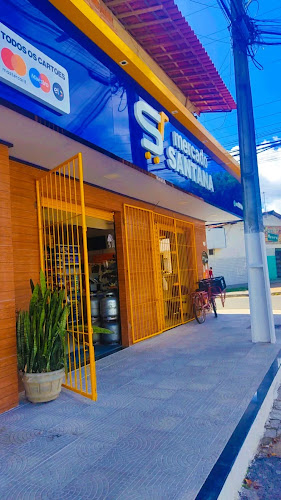
Mercado Santana 1
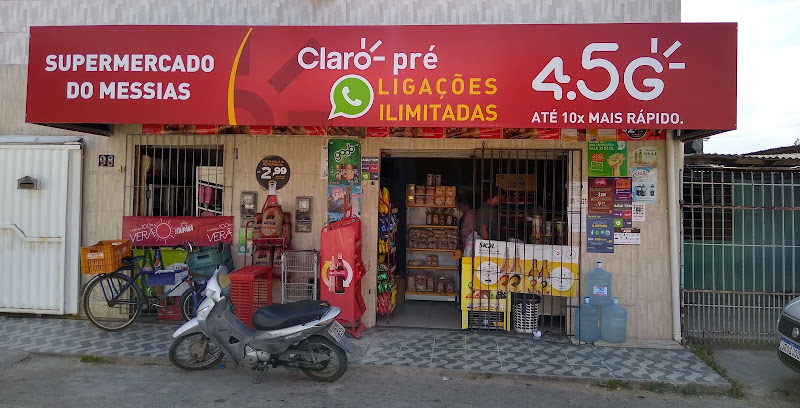
𝗠𝗘𝗥𝗖𝗔𝗗𝗢 𝗗𝗢 𝗠𝗘𝗦𝗦𝗜𝗔𝗦
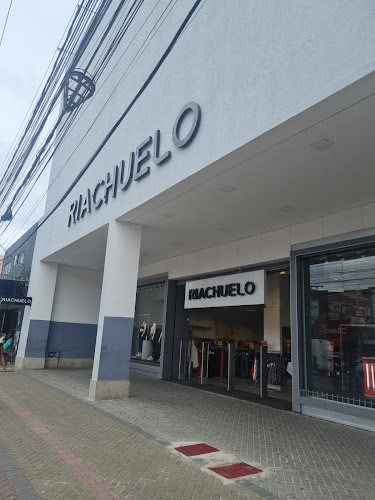
Riachuelo
Find Accommodations Nearby
Recommended Tours & Activities
Visitor Reviews
There are no reviews yet. Be the first one to write one.
Share Your Experience
Have you visited Feira de Santana Airport SDIY? Help other travelers by leaving a review.