
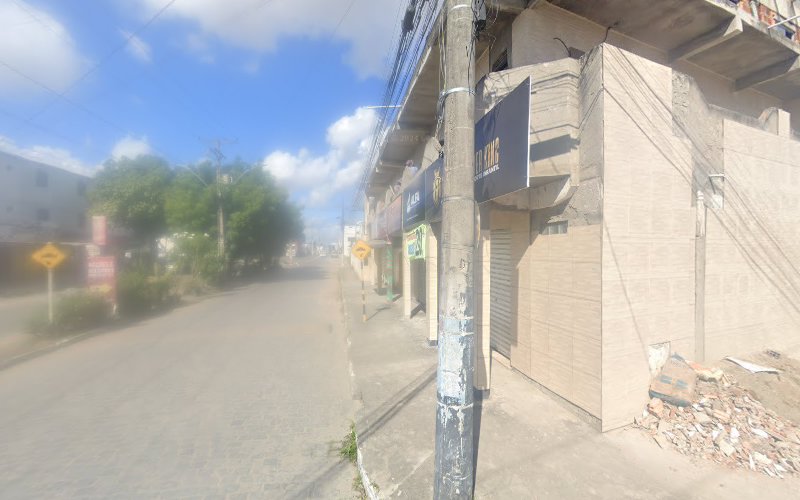
Supermercado Bom de Preço
About Supermercado Bom de Preço
Description
Supermercado Bom de Preço stands as one of those authentic local spots that travelers often overlook but really shouldn't. I've always believed that visiting a neighborhood grocery store tells you more about a place than any tourist attraction ever could, and this particular supermarket delivers that genuine slice of everyday life that guidebooks rarely capture. The name itself translates to "Good Price Supermarket" which pretty much tells you what you're getting into – no frills, straightforward shopping that caters primarily to locals going about their daily routines. And honestly, that's exactly what makes it worth a visit if you're staying in the area for more than a couple days or renting an apartment instead of booking a hotel room. Unlike the massive chain supermarkets that could exist anywhere in the world, Bom de Preço maintains that neighborhood feel where regulars chat with cashiers and everybody seems to know where everything is except you. But that's part of the charm. The store operates as a functional grocery outlet serving its community, which means you'll find products and prices that reflect what actual residents need and can afford rather than inflated tourist-trap pricing. For travelers looking to experience authentic daily life, prepare your own meals to save money, or simply need to stock up on basics for your accommodations, this supermarket provides practical value. You won't find fancy displays or elaborate marketing here – just straightforward shopping that gets the job done.Key Features
The offerings at Supermercado Bom de Preço reflect its no-nonsense approach to grocery retail: • Budget-friendly pricing that lives up to the store's name, making it ideal for travelers watching their expenses or staying in self-catering accommodation • Local product selection featuring regional brands and items you won't necessarily find in tourist-oriented shops, giving you genuine insight into what locals actually buy and eat • Fresh produce section with fruits and vegetables that change based on seasonal availability, often sourced from nearby suppliers • Basic household essentials covering everything from toiletries to cleaning supplies, perfect when you've forgotten something or need to restock your rental • Bakery items that are typically available fresh throughout the day, offering affordable breakfast or snack options • Meat and deli counter where you can purchase exactly the quantities you need rather than pre-packaged portions • Beverage selection including local soft drinks, juices, and other refreshments at neighborhood prices rather than convenience store markups • Snack and packaged goods that give you a window into regional flavor preferences and popular local brands • Straightforward layout that's easy enough to navigate once you get your bearings, even if signage isn't in multiple languagesBest Time to Visit
Timing your visit to Bom de Preço can make the difference between a quick errand and a frustrating experience standing in line behind half the neighborhood. Early mornings right after opening typically see fewer crowds, as most locals are either at work or getting kids to school. I've found this window particularly useful when I just need to grab a few things quickly. Mid-morning between 10 AM and noon offers the advantage of freshly stocked shelves, especially in the produce and bakery sections. The staff has usually finished their restocking routines by then, and you'll see the day's offerings at their best before afternoon shoppers pick through everything. But here's the thing – avoid late afternoon between 5 PM and 7 PM unless you enjoy navigating crowded aisles. That's when working locals stop by on their way home, and the store gets genuinely busy. Checkout lines grow longer, and popular items might be running low after a full day of sales. Weekday mornings generally provide the calmest shopping experience compared to weekends when families do their weekly shopping. Saturday mornings can get particularly hectic as people stock up for the week ahead. Sunday operations might follow reduced hours depending on local customs and regulations, so check before making a special trip. If you're preparing for a specific meal or need particular fresh items, shopping earlier in the week typically offers better selection than toward the weekend when stock gets depleted. And definitely avoid the day before any major holiday – you'll be competing with every local doing last-minute shopping for family gatherings.How to Get There
Getting to Supermercado Bom de Preço requires the same approach you'd use to reach any neighborhood establishment – you'll need to figure out the local transportation options rather than following tourist signs. Public transportation likely offers your most economical option if you're not renting a car. Local bus routes serving residential areas typically pass near the supermarket since it serves neighborhood residents who rely on public transit. Ask at your accommodation about which bus numbers stop nearby, or check with locals who can point you toward the right route. The bus drivers usually know major landmarks like supermarkets and can indicate when you've reached the right stop. Taxi or ride-sharing services provide straightforward door-to-door convenience, particularly useful if you're planning to buy more than you can comfortably carry on public transport. Just be aware that drivers might not immediately recognize the name if you're using a ride-sharing app – having the address ready helps ensure they know exactly where you're headed. Walking becomes viable if you're staying relatively close by in the same neighborhood. Local residents likely walk to Bom de Preço regularly, so it's pedestrian-accessible from surrounding areas. Just remember that carrying groceries back on foot limits how much you can realistically purchase, so plan accordingly. If you've rented a car, parking availability depends on the specific location setup. Some neighborhood supermarkets offer dedicated parking lots while others rely on street parking in the surrounding area. Arriving during off-peak hours generally makes finding a spot easier. Before heading out, I'd recommend having the address saved on your phone's maps application. GPS navigation has become pretty reliable in most areas, and it'll guide you turn-by-turn whether you're driving, taking transit, or walking.Tips for Visiting
Shopping at a local supermarket in an unfamiliar place requires a slightly different approach than hitting the tourist attractions. First off, bring cash if possible. While many establishments now accept cards, smaller neighborhood shops sometimes prefer cash transactions or have minimum purchase requirements for card payments. Nothing's more awkward than loading up your basket only to discover they don't take your payment method. Don't expect much English signage or English-speaking staff. This is a local establishment serving local customers, not a tourist-focused operation. Having a translation app on your phone helps tremendously when you're trying to decipher product labels or ask for something specific. And honestly, a bit of pointing and smiling goes a long way – people generally understand what you need even through the language barrier. Bring your own shopping bags or be prepared to purchase them at checkout. Many places have moved away from providing free plastic bags, and reusable bag policies are increasingly common. Carrying a foldable shopping bag in your daypack means you're always prepared. Take your time browsing because that's where the interesting discoveries happen. You'll spot local products, regional specialties, and familiar items in completely different packaging. I always spend a few extra minutes in the snack aisle checking out local chip flavors and candy varieties – it's like a mini cultural education through food products. Watch what locals are buying if you're unsure about products. Notice which produce they're selecting, which brands they reach for, and how they interact with the deli counter. You'll pick up useful information about what's good value and what's worth trying. Keep quantities reasonable unless you have reliable refrigeration and cooking facilities. It's tempting to stock up when prices are good, but remember you're traveling and probably can't store or prepare large amounts of food. Buy what you'll actually use within a day or two. Respect local shopping customs and pace. Don't block aisles while deliberating over purchases, and keep your voice at a reasonable volume. You're in someone's neighborhood store, not a tourist attraction, so behave like a considerate temporary resident rather than a visitor on vacation. Check expiration dates carefully, especially on dairy products and baked goods. Smaller stores sometimes have tighter inventory rotation, and while staff generally stays on top of it, verifying dates yourself never hurts. Finally, consider this shopping trip as more than just an errand – it's actually one of the more authentic cultural experiences you'll have. Supermarkets reflect how people really live, what they eat, how much things cost, and what matters in daily life. That genuine glimpse into local existence beats staged tourist experiences every time.Key Features
- Key Features
- Best Time to Visit
- How to Get There
- Tips for Visiting
More Details
Updated March 30, 2026
Table of Contents
Description
Supermercado Bom de Preço stands as one of those authentic local spots that travelers often overlook but really shouldn’t. I’ve always believed that visiting a neighborhood grocery store tells you more about a place than any tourist attraction ever could, and this particular supermarket delivers that genuine slice of everyday life that guidebooks rarely capture.
The name itself translates to “Good Price Supermarket” which pretty much tells you what you’re getting into – no frills, straightforward shopping that caters primarily to locals going about their daily routines. And honestly, that’s exactly what makes it worth a visit if you’re staying in the area for more than a couple days or renting an apartment instead of booking a hotel room.
Unlike the massive chain supermarkets that could exist anywhere in the world, Bom de Preço maintains that neighborhood feel where regulars chat with cashiers and everybody seems to know where everything is except you. But that’s part of the charm. The store operates as a functional grocery outlet serving its community, which means you’ll find products and prices that reflect what actual residents need and can afford rather than inflated tourist-trap pricing.
For travelers looking to experience authentic daily life, prepare your own meals to save money, or simply need to stock up on basics for your accommodations, this supermarket provides practical value. You won’t find fancy displays or elaborate marketing here – just straightforward shopping that gets the job done.
Key Features
The offerings at Supermercado Bom de Preço reflect its no-nonsense approach to grocery retail:
• Budget-friendly pricing that lives up to the store’s name, making it ideal for travelers watching their expenses or staying in self-catering accommodation
• Local product selection featuring regional brands and items you won’t necessarily find in tourist-oriented shops, giving you genuine insight into what locals actually buy and eat
• Fresh produce section with fruits and vegetables that change based on seasonal availability, often sourced from nearby suppliers
• Basic household essentials covering everything from toiletries to cleaning supplies, perfect when you’ve forgotten something or need to restock your rental
• Bakery items that are typically available fresh throughout the day, offering affordable breakfast or snack options
• Meat and deli counter where you can purchase exactly the quantities you need rather than pre-packaged portions
• Beverage selection including local soft drinks, juices, and other refreshments at neighborhood prices rather than convenience store markups
• Snack and packaged goods that give you a window into regional flavor preferences and popular local brands
• Straightforward layout that’s easy enough to navigate once you get your bearings, even if signage isn’t in multiple languages
Best Time to Visit
Timing your visit to Bom de Preço can make the difference between a quick errand and a frustrating experience standing in line behind half the neighborhood. Early mornings right after opening typically see fewer crowds, as most locals are either at work or getting kids to school. I’ve found this window particularly useful when I just need to grab a few things quickly.
Mid-morning between 10 AM and noon offers the advantage of freshly stocked shelves, especially in the produce and bakery sections. The staff has usually finished their restocking routines by then, and you’ll see the day’s offerings at their best before afternoon shoppers pick through everything.
But here’s the thing – avoid late afternoon between 5 PM and 7 PM unless you enjoy navigating crowded aisles. That’s when working locals stop by on their way home, and the store gets genuinely busy. Checkout lines grow longer, and popular items might be running low after a full day of sales.
Weekday mornings generally provide the calmest shopping experience compared to weekends when families do their weekly shopping. Saturday mornings can get particularly hectic as people stock up for the week ahead. Sunday operations might follow reduced hours depending on local customs and regulations, so check before making a special trip.
If you’re preparing for a specific meal or need particular fresh items, shopping earlier in the week typically offers better selection than toward the weekend when stock gets depleted. And definitely avoid the day before any major holiday – you’ll be competing with every local doing last-minute shopping for family gatherings.
How to Get There
Getting to Supermercado Bom de Preço requires the same approach you’d use to reach any neighborhood establishment – you’ll need to figure out the local transportation options rather than following tourist signs.
Public transportation likely offers your most economical option if you’re not renting a car. Local bus routes serving residential areas typically pass near the supermarket since it serves neighborhood residents who rely on public transit. Ask at your accommodation about which bus numbers stop nearby, or check with locals who can point you toward the right route. The bus drivers usually know major landmarks like supermarkets and can indicate when you’ve reached the right stop.
Taxi or ride-sharing services provide straightforward door-to-door convenience, particularly useful if you’re planning to buy more than you can comfortably carry on public transport. Just be aware that drivers might not immediately recognize the name if you’re using a ride-sharing app – having the address ready helps ensure they know exactly where you’re headed.
Walking becomes viable if you’re staying relatively close by in the same neighborhood. Local residents likely walk to Bom de Preço regularly, so it’s pedestrian-accessible from surrounding areas. Just remember that carrying groceries back on foot limits how much you can realistically purchase, so plan accordingly.
If you’ve rented a car, parking availability depends on the specific location setup. Some neighborhood supermarkets offer dedicated parking lots while others rely on street parking in the surrounding area. Arriving during off-peak hours generally makes finding a spot easier.
Before heading out, I’d recommend having the address saved on your phone’s maps application. GPS navigation has become pretty reliable in most areas, and it’ll guide you turn-by-turn whether you’re driving, taking transit, or walking.
Tips for Visiting
Shopping at a local supermarket in an unfamiliar place requires a slightly different approach than hitting the tourist attractions. First off, bring cash if possible. While many establishments now accept cards, smaller neighborhood shops sometimes prefer cash transactions or have minimum purchase requirements for card payments. Nothing’s more awkward than loading up your basket only to discover they don’t take your payment method.
Don’t expect much English signage or English-speaking staff. This is a local establishment serving local customers, not a tourist-focused operation. Having a translation app on your phone helps tremendously when you’re trying to decipher product labels or ask for something specific. And honestly, a bit of pointing and smiling goes a long way – people generally understand what you need even through the language barrier.
Bring your own shopping bags or be prepared to purchase them at checkout. Many places have moved away from providing free plastic bags, and reusable bag policies are increasingly common. Carrying a foldable shopping bag in your daypack means you’re always prepared.
Take your time browsing because that’s where the interesting discoveries happen. You’ll spot local products, regional specialties, and familiar items in completely different packaging. I always spend a few extra minutes in the snack aisle checking out local chip flavors and candy varieties – it’s like a mini cultural education through food products.
Watch what locals are buying if you’re unsure about products. Notice which produce they’re selecting, which brands they reach for, and how they interact with the deli counter. You’ll pick up useful information about what’s good value and what’s worth trying.
Keep quantities reasonable unless you have reliable refrigeration and cooking facilities. It’s tempting to stock up when prices are good, but remember you’re traveling and probably can’t store or prepare large amounts of food. Buy what you’ll actually use within a day or two.
Respect local shopping customs and pace. Don’t block aisles while deliberating over purchases, and keep your voice at a reasonable volume. You’re in someone’s neighborhood store, not a tourist attraction, so behave like a considerate temporary resident rather than a visitor on vacation.
Check expiration dates carefully, especially on dairy products and baked goods. Smaller stores sometimes have tighter inventory rotation, and while staff generally stays on top of it, verifying dates yourself never hurts.
Finally, consider this shopping trip as more than just an errand – it’s actually one of the more authentic cultural experiences you’ll have. Supermarkets reflect how people really live, what they eat, how much things cost, and what matters in daily life. That genuine glimpse into local existence beats staged tourist experiences every time.
Key Highlights
- Key Features
- Best Time to Visit
- How to Get There
- Tips for Visiting
Location
Places to Stay Near Supermercado Bom de Preço
Find and Book a Tour
Explore More Travel Guides
No reviews found! Be the first to review!
Supermercado Bom de Preço is a prominent Attractions located in Feira de Santana.
Visit us at: Av. Cel. José Pinto dos Santos, s/n – Caseb, Feira de Santana – BA, 44052-586, Brazil.
Traveler Reviews for Supermercado Bom de Preço
There are no reviews yet. Be the first one to write one.
Have you visited Supermercado Bom de Preço? Help other travelers by sharing your review.
You Might Also Like
Taipei Imports
Mercado A Quitanda
Mercado Big Box
Find Accommodations Nearby
Recommended Tours & Activities
Visitor Reviews
There are no reviews yet. Be the first one to write one.
Share Your Experience
Have you visited Supermercado Bom de Preço? Help other travelers by leaving a review.