
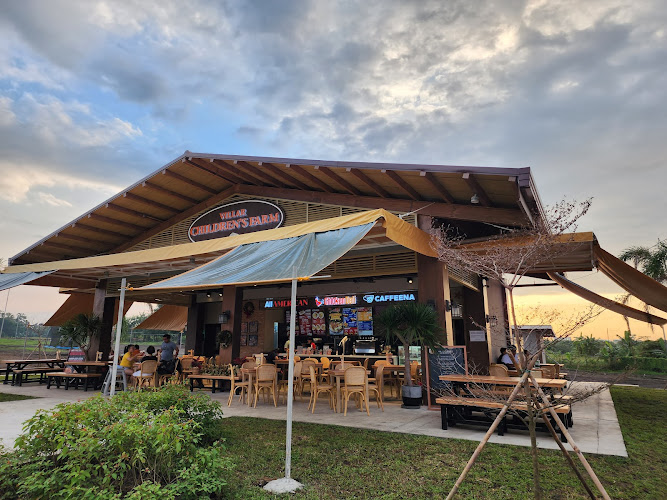
Villar Children’s Farm
About Villar Children’s Farm
Description
Villar Children's Farm offers families a rare opportunity to step away from Manila's urban chaos and into a world where kids can actually touch, feed, and learn about farm animals without having to drive hours into the provinces. And honestly, that's pretty remarkable when you think about it. The farm sits as part of a larger vision to create accessible agritourism experiences for Metro Manila residents, particularly those whose children have never seen a chicken up close or watched a cow munching on grass. The facility sprawls across well-maintained grounds that manage to feel surprisingly rural despite being nestled within reach of the city's concrete jungle. During my conversations with parents who've visited, they often mention how their kids light up when they realize these aren't just pictures in books or videos on tablets—these are real animals making real sounds and yes, real smells too. The farm doesn't pretend to be something it's not; it's an educational playground where urban families can introduce their children to agricultural life in manageable, bite-sized experiences. What makes this place stand out from your typical petting zoo is the genuine emphasis on learning. Kids don't just look at animals through fences—they participate in feeding times, learn about where their food comes from, and get hands-on experience with farm activities. There's something deeply satisfying about watching a five-year-old realize that milk actually comes from cows, not just from the grocery store. But it's not just for the little ones; adults often find themselves equally fascinated, rediscovering connections to agricultural practices that modern life has mostly erased from daily consciousness. The farm maintains a collection of common farm animals including cows, goats, sheep, rabbits, chickens, and ducks. Some areas feature playground equipment integrated thoughtfully with the farm theme, so children can burn off energy between animal encounters. The layout encourages exploration while keeping everything accessible—something that becomes especially important when you're managing excited kids who want to see everything at once.Key Features
The attractions and facilities at Villar Children's Farm create a comprehensive experience that goes beyond simple animal viewing: • Interactive Animal Feeding - Visitors can purchase feed and interact directly with various farm animals, creating memorable tactile experiences that photographs simply can't capture • Educational Farm Tours - Guided experiences that teach children and adults about animal care, farming practices, and agricultural sustainability in terms everyone can understand • Playground Areas - Purpose-built play structures that give children physical activity options between educational sessions, designed with farm themes that extend the learning environment • Complete Accessibility - Wheelchair-friendly pathways, parking, and restroom facilities ensure families with different mobility needs can fully participate in the farm experience • Birthday Party Hosting - Dedicated spaces and services for celebrating children's birthdays in an unique farm setting, offering an alternative to traditional indoor party venues • Onsite Amenities - Clean restroom facilities and various service options that make extended visits comfortable for families with young children • Photo Opportunities - Naturally Instagram-worthy spots throughout the grounds where families can capture memories without forced or artificial backdrops • Shaded Rest Areas - Strategic seating locations where parents can take breaks while still supervising their exploring childrenBest Time to Visit
Timing your visit to Villar Children's Farm can seriously impact your experience, and I'm gonna be straight with you about this. Early morning visits—we're talking when the gates open—offer the most pleasant conditions. The animals are more active, the temperatures haven't reached that sweltering midday intensity, and you'll avoid the larger crowds that tend to arrive closer to lunchtime. Weekdays present a significantly calmer experience compared to weekends and holidays. If your schedule allows for a Tuesday or Wednesday visit, you'll find shorter lines for feeding activities and more personal space to enjoy interactions with the animals. Weekend visits aren't terrible, but they do require more patience, especially during peak hours between 10 AM and 2 PM when it seems like every family in the metro decided to visit simultaneously. Weather considerations matter more than you might initially think. The dry season months from November through April provide the most reliable conditions, with less chance of sudden rain showers interrupting your plans. But the early rainy season months can actually be quite pleasant for farm visits—the cooler temperatures make walking around more comfortable, and lighter crowds mean better access to all activities. Just check the forecast and maybe keep a light rain jacket handy. Avoid visiting during extreme heat conditions, typically from March through May when midday temperatures can become genuinely uncomfortable for both visitors and animals. The farm does have some shaded areas, but much of the experience involves outdoor walking. If you must visit during hot months, that early morning timing becomes even more critical. Holiday periods and school break seasons see predictably higher attendance. While the festive atmosphere can be fun, families seeking a more relaxed educational experience might want to schedule around these busy periods. The farm's popularity has grown considerably, so planning ahead has become increasingly important for getting the experience you're hoping for.How to Get There
Reaching Villar Children's Farm requires some planning, but it's definitely manageable for travelers staying in Manila and surrounding areas. The farm's location makes it accessible through several transportation methods, though each comes with its own considerations. For visitors with private vehicles, driving offers the most convenience and flexibility, particularly when traveling with young children who might need snack breaks or bathroom stops on your schedule rather than a bus timetable. GPS navigation apps work reliably for routing, and the farm provides dedicated parking areas that accommodate a decent number of vehicles. Parking availability rarely becomes an issue except during major holidays or special events when you might want to arrive extra early. Public transportation users should know that reaching the farm involves multiple steps. The journey typically requires taking a combination of bus or jeepney routes depending on your starting point. From major terminals in Manila, travelers can catch buses heading toward the general area, then transfer to local transportation for the final leg. Ride-sharing services like Grab offer a more direct option, though costs add up quickly for families. Some visitors find that splitting a Grab ride with another family from their hotel makes the expense more reasonable. The farm sits in an area that's developing but not yet heavily urbanized, meaning transportation infrastructure is still catching up to the attraction's popularity. This reality means you should plan for longer travel times than mapping apps might suggest, especially during rush hour periods when traffic can extend journey times significantly. Building in an extra 30-45 minutes beyond estimated travel time helps prevent arrival stress. For international travelers or those unfamiliar with Metro Manila's transportation system, arranging a private car service through your hotel often provides the most stress-free option. Yes, it costs more, but the convenience factor when traveling with children and managing the day's logistics might justify the expense.Tips for Visiting
Making the most of your Villar Children's Farm experience requires some insider knowledge that'll save you frustration and maximize enjoyment. First things first—arrive prepared with sun protection. Hats, sunscreen, and sunglasses aren't optional accessories; they're essential equipment. The tropical sun doesn't mess around, and much of the farm experience happens in exposed areas where shade is limited. Wear closed-toe shoes, preferably ones you don't mind getting a bit dirty. This is a working farm environment, and while the grounds are maintained, you're still walking on surfaces where animals roam. Sandals and fancy sneakers should stay at the hotel. Comfortable walking shoes that can handle uneven terrain and potential moisture make the experience much more pleasant. Bring your own water bottles. Staying hydrated becomes crucial, especially for children running around excited about seeing animals. While the farm has amenities, having your own water supply means you're not constantly searching for refreshment stations. And speaking of bringing things, pack wet wipes or hand sanitizer. You'll be touching animals and then probably eating snacks, so having cleaning supplies readily available just makes sense. Cash still works better than cards for some onsite purchases, particularly animal feed and small items. While the farm accepts electronic payments, having small bills ready speeds up transactions and prevents the frustration of payment system glitches during busy periods. Don't bring your entire wallet, but having some physical currency helps. Plan for a visit lasting roughly 2-3 hours. That's usually enough time to see all the animals, participate in feeding activities, let kids play on the equipment, and maybe grab some refreshments without feeling rushed. Trying to cram the visit into 45 minutes defeats the educational purpose, while staying much longer than three hours can lead to overtired, cranky children. Set expectations with kids before arriving. Explain that these are real animals that might not always want to be petted, that we need to be gentle and respectful, and that sometimes we need to wait our turn. This preparation prevents disappointment and creates better interactions between children and animals. Also worth mentioning—farm animals smell like farm animals. City kids sometimes need preparation for this reality. Take advantage of the educational opportunities. Ask staff questions, read the informational signs, and engage your children in conversations about what they're seeing. The farm isn't just entertainment; it's a learning experience that can spark curiosity about food systems, animal care, and agriculture. But don't lecture the whole time either—let kids explore and discover at their own pace too. Consider visiting during feeding times for the most active animal interactions. Staff can usually provide guidance on when different animals are fed, and these periods offer the best photo opportunities and most engaging experiences. Animals understandably show more interest in visitors carrying food, so timing matters. Birthday party bookings require advance planning. If you're considering celebrating at the farm, contact them well ahead of your desired date, especially for weekend slots that fill up quickly. The unique setting creates memorable celebrations that kids talk about for months afterward, making the planning effort worthwhile. Finally, manage your expectations realistically. This isn't a massive agricultural operation or a professional zoo with rare species. It's an accessible, educational farm experience designed primarily for children's introduction to agricultural life. Approached with appropriate expectations, it delivers exactly what it promises—a fun, educational day out that urban families genuinely appreciate.Key Features
- Key Features
- Best Time to Visit
- How to Get There
- Tips for Visiting
More Details
Updated March 30, 2026
Table of Contents
Description
Villar Children’s Farm offers families a rare opportunity to step away from Manila’s urban chaos and into a world where kids can actually touch, feed, and learn about farm animals without having to drive hours into the provinces. And honestly, that’s pretty remarkable when you think about it. The farm sits as part of a larger vision to create accessible agritourism experiences for Metro Manila residents, particularly those whose children have never seen a chicken up close or watched a cow munching on grass.
The facility sprawls across well-maintained grounds that manage to feel surprisingly rural despite being nestled within reach of the city’s concrete jungle. During my conversations with parents who’ve visited, they often mention how their kids light up when they realize these aren’t just pictures in books or videos on tablets—these are real animals making real sounds and yes, real smells too. The farm doesn’t pretend to be something it’s not; it’s an educational playground where urban families can introduce their children to agricultural life in manageable, bite-sized experiences.
What makes this place stand out from your typical petting zoo is the genuine emphasis on learning. Kids don’t just look at animals through fences—they participate in feeding times, learn about where their food comes from, and get hands-on experience with farm activities. There’s something deeply satisfying about watching a five-year-old realize that milk actually comes from cows, not just from the grocery store. But it’s not just for the little ones; adults often find themselves equally fascinated, rediscovering connections to agricultural practices that modern life has mostly erased from daily consciousness.
The farm maintains a collection of common farm animals including cows, goats, sheep, rabbits, chickens, and ducks. Some areas feature playground equipment integrated thoughtfully with the farm theme, so children can burn off energy between animal encounters. The layout encourages exploration while keeping everything accessible—something that becomes especially important when you’re managing excited kids who want to see everything at once.
Key Features
The attractions and facilities at Villar Children’s Farm create a comprehensive experience that goes beyond simple animal viewing:
• Interactive Animal Feeding – Visitors can purchase feed and interact directly with various farm animals, creating memorable tactile experiences that photographs simply can’t capture
• Educational Farm Tours – Guided experiences that teach children and adults about animal care, farming practices, and agricultural sustainability in terms everyone can understand
• Playground Areas – Purpose-built play structures that give children physical activity options between educational sessions, designed with farm themes that extend the learning environment
• Complete Accessibility – Wheelchair-friendly pathways, parking, and restroom facilities ensure families with different mobility needs can fully participate in the farm experience
• Birthday Party Hosting – Dedicated spaces and services for celebrating children’s birthdays in an unique farm setting, offering an alternative to traditional indoor party venues
• Onsite Amenities – Clean restroom facilities and various service options that make extended visits comfortable for families with young children
• Photo Opportunities – Naturally Instagram-worthy spots throughout the grounds where families can capture memories without forced or artificial backdrops
• Shaded Rest Areas – Strategic seating locations where parents can take breaks while still supervising their exploring children
Best Time to Visit
Timing your visit to Villar Children’s Farm can seriously impact your experience, and I’m gonna be straight with you about this. Early morning visits—we’re talking when the gates open—offer the most pleasant conditions. The animals are more active, the temperatures haven’t reached that sweltering midday intensity, and you’ll avoid the larger crowds that tend to arrive closer to lunchtime.
Weekdays present a significantly calmer experience compared to weekends and holidays. If your schedule allows for a Tuesday or Wednesday visit, you’ll find shorter lines for feeding activities and more personal space to enjoy interactions with the animals. Weekend visits aren’t terrible, but they do require more patience, especially during peak hours between 10 AM and 2 PM when it seems like every family in the metro decided to visit simultaneously.
Weather considerations matter more than you might initially think. The dry season months from November through April provide the most reliable conditions, with less chance of sudden rain showers interrupting your plans. But the early rainy season months can actually be quite pleasant for farm visits—the cooler temperatures make walking around more comfortable, and lighter crowds mean better access to all activities. Just check the forecast and maybe keep a light rain jacket handy.
Avoid visiting during extreme heat conditions, typically from March through May when midday temperatures can become genuinely uncomfortable for both visitors and animals. The farm does have some shaded areas, but much of the experience involves outdoor walking. If you must visit during hot months, that early morning timing becomes even more critical.
Holiday periods and school break seasons see predictably higher attendance. While the festive atmosphere can be fun, families seeking a more relaxed educational experience might want to schedule around these busy periods. The farm’s popularity has grown considerably, so planning ahead has become increasingly important for getting the experience you’re hoping for.
How to Get There
Reaching Villar Children’s Farm requires some planning, but it’s definitely manageable for travelers staying in Manila and surrounding areas. The farm’s location makes it accessible through several transportation methods, though each comes with its own considerations.
For visitors with private vehicles, driving offers the most convenience and flexibility, particularly when traveling with young children who might need snack breaks or bathroom stops on your schedule rather than a bus timetable. GPS navigation apps work reliably for routing, and the farm provides dedicated parking areas that accommodate a decent number of vehicles. Parking availability rarely becomes an issue except during major holidays or special events when you might want to arrive extra early.
Public transportation users should know that reaching the farm involves multiple steps. The journey typically requires taking a combination of bus or jeepney routes depending on your starting point. From major terminals in Manila, travelers can catch buses heading toward the general area, then transfer to local transportation for the final leg. Ride-sharing services like Grab offer a more direct option, though costs add up quickly for families. Some visitors find that splitting a Grab ride with another family from their hotel makes the expense more reasonable.
The farm sits in an area that’s developing but not yet heavily urbanized, meaning transportation infrastructure is still catching up to the attraction’s popularity. This reality means you should plan for longer travel times than mapping apps might suggest, especially during rush hour periods when traffic can extend journey times significantly. Building in an extra 30-45 minutes beyond estimated travel time helps prevent arrival stress.
For international travelers or those unfamiliar with Metro Manila’s transportation system, arranging a private car service through your hotel often provides the most stress-free option. Yes, it costs more, but the convenience factor when traveling with children and managing the day’s logistics might justify the expense.
Tips for Visiting
Making the most of your Villar Children’s Farm experience requires some insider knowledge that’ll save you frustration and maximize enjoyment. First things first—arrive prepared with sun protection. Hats, sunscreen, and sunglasses aren’t optional accessories; they’re essential equipment. The tropical sun doesn’t mess around, and much of the farm experience happens in exposed areas where shade is limited.
Wear closed-toe shoes, preferably ones you don’t mind getting a bit dirty. This is a working farm environment, and while the grounds are maintained, you’re still walking on surfaces where animals roam. Sandals and fancy sneakers should stay at the hotel. Comfortable walking shoes that can handle uneven terrain and potential moisture make the experience much more pleasant.
Bring your own water bottles. Staying hydrated becomes crucial, especially for children running around excited about seeing animals. While the farm has amenities, having your own water supply means you’re not constantly searching for refreshment stations. And speaking of bringing things, pack wet wipes or hand sanitizer. You’ll be touching animals and then probably eating snacks, so having cleaning supplies readily available just makes sense.
Cash still works better than cards for some onsite purchases, particularly animal feed and small items. While the farm accepts electronic payments, having small bills ready speeds up transactions and prevents the frustration of payment system glitches during busy periods. Don’t bring your entire wallet, but having some physical currency helps.
Plan for a visit lasting roughly 2-3 hours. That’s usually enough time to see all the animals, participate in feeding activities, let kids play on the equipment, and maybe grab some refreshments without feeling rushed. Trying to cram the visit into 45 minutes defeats the educational purpose, while staying much longer than three hours can lead to overtired, cranky children.
Set expectations with kids before arriving. Explain that these are real animals that might not always want to be petted, that we need to be gentle and respectful, and that sometimes we need to wait our turn. This preparation prevents disappointment and creates better interactions between children and animals. Also worth mentioning—farm animals smell like farm animals. City kids sometimes need preparation for this reality.
Take advantage of the educational opportunities. Ask staff questions, read the informational signs, and engage your children in conversations about what they’re seeing. The farm isn’t just entertainment; it’s a learning experience that can spark curiosity about food systems, animal care, and agriculture. But don’t lecture the whole time either—let kids explore and discover at their own pace too.
Consider visiting during feeding times for the most active animal interactions. Staff can usually provide guidance on when different animals are fed, and these periods offer the best photo opportunities and most engaging experiences. Animals understandably show more interest in visitors carrying food, so timing matters.
Birthday party bookings require advance planning. If you’re considering celebrating at the farm, contact them well ahead of your desired date, especially for weekend slots that fill up quickly. The unique setting creates memorable celebrations that kids talk about for months afterward, making the planning effort worthwhile.
Finally, manage your expectations realistically. This isn’t a massive agricultural operation or a professional zoo with rare species. It’s an accessible, educational farm experience designed primarily for children’s introduction to agricultural life. Approached with appropriate expectations, it delivers exactly what it promises—a fun, educational day out that urban families genuinely appreciate.
Key Highlights
- Key Features
- Best Time to Visit
- How to Get There
- Tips for Visiting
Location
Places to Stay Near Villar Children's Farm
Find and Book a Tour
Explore More Travel Guides
No reviews found! Be the first to review!
Villar Children’s Farm is a prominent attractions located in Bacoor.
Visit us at: CXFM+QF, Bacoor, Cavite, Philippines.
Traveler Reviews for Villar Children’s Farm
There are no reviews yet. Be the first one to write one.
Have you visited Villar Children’s Farm? Help other travelers by sharing your review.
You Might Also Like

Liwasang Bacoor

Nojuas Ark
Bacoor Memorial Garden, Inc.
Find Accommodations Nearby
Recommended Tours & Activities
Visitor Reviews
There are no reviews yet. Be the first one to write one.
Share Your Experience
Have you visited Villar Children’s Farm? Help other travelers by leaving a review.