
Department of Tourism
About Department of Tourism
Key Features
More Details
Updated April 15, 2024
## Department of Tourism (DOT), Makati City: What It Is, Where It Is, and What You Can Actually Do There
If you’re planning travel in the Philippines (or running a tourism business that operates here), the Department of Tourism (DOT) is the national government body you’ll keep seeing referenced—especially around accreditation, official tourism programs, and regional office coordination. The DOT’s headquarters address is listed as IPO Building, 351 Sen. Gil J. Puyat Avenue, Bel-Air, Makati.
This guide is written for visitors who want practical outcomes: when it makes sense to go in person, when you can do things online, and how to avoid a wasted trip.
—
## Quick facts (from your listing + official references)
– Place name: Department of Tourism (DOT) / Department of Tourism – Central Office
– Address: IPO Building, 351 Sen. Gil J. Puyat Ave, Makati City, Metro Manila, Philippines
– Coordinates (from your data): 14.5623286, 121.0257156
– Main trunk line (commonly published): +63 2 8459-5200 (numbers in a local office listing also reference this trunk with a local extension)
– Rating (as provided in your input data): 4.2
Note on building naming: Some official pages refer to “New DOT Bldg.” at the same Sen. Gil Puyat address for specific offices. That’s not a contradiction—just inconsistent labeling across pages. If you’re heading there, use the street address first.
—
## What the DOT is responsible for (in plain English)
The DOT is the national department focused on tourism policy and programs. The most “visitor-relevant” interactions typically fall into two buckets:
1. Information + coordination (where to direct concerns, which regional office handles what) via official contact listings.
2. Tourism enterprise accreditation (for hotels, tour operators, travel agencies, and other tourism facilities/services), including an online accreditation system.
If you’re a traveler, you’re less likely to need the central office unless you’re dealing with a specific official process, a referral, or a formal request.
—
## The #1 reason people interact with DOT: Accreditation
### What “DOT accreditation” means
The DOT defines accreditation as a certification issued by the Department recognizing that a tourism enterprise has complied with minimum standards for operation of tourism facilities and services.
That phrasing matters because it tells you what accreditation isn’t: it’s not a guarantee of personal preference, luxury level, or that every experience will be perfect. It’s a standards-and-compliance framework.
### The online option (often the smarter move)
The DOT provides an Online Accreditation entry point and documentation through its official site.
If your goal is accreditation (or checking how the system works), start online first. A common pattern is:
– Read eligibility + requirements
– Prepare documents
– Use the online system
– Only go in person if you’re instructed to, or if your case can’t be resolved remotely
That approach reduces “queue risk” (arriving only to learn you’re missing a document or need the regional office instead).
—
## When it makes sense to visit the Makati central office in person
Go in person when you have one of these situations:
– You’ve been specifically directed to the central office for a process step or signature requirement (common in government workflows).
– You need to confirm which office has jurisdiction over your concern and want an official referral (for example, if your business operates across multiple regions).
– You’re handling a time-sensitive compliance issue and remote channels haven’t worked.
Otherwise, use official online resources and regional office contacts first.
—
## Use the right office: Regional offices are explicitly listed
One easy mistake: going to the central office when your transaction is handled by a regional office.
The DOT publishes local/regional office contact details on its official website, including offices that reference the Makati address for certain functions.
A practical strategy:
– Identify your region (where the activity/business is located)
– Use the DOT’s regional office list
– Call/email the regional office first
– Ask whether a central-office visit is required before you travel across Metro Manila
This saves time and prevents being bounced between offices.
—
## Before you go: a “don’t waste the trip” checklist
Because official pages don’t always present “walk-in visitor” instructions in a single place, the safest, factual prep is process-focused:
– Write down the full street address exactly as: IPO Building, 351 Sen. Gil J. Puyat Ave, Makati City
– Call the main trunk line first (+63 2 8459-5200 is widely published for DOT).
– If you were told to contact a specific unit, ask for:
– the office name
– the floor/room (if applicable)
– the contact person (or at least the receiving desk)
– whether they require appointments or accept walk-ins
If you’re handling accreditation, confirm whether your case is covered by the online accreditation workflow and what documents are required.
—
## Accessibility, inclusivity, and accuracy notes
– Inclusivity: The DOT’s accreditation framing is standards-based, not identity-based; if you’re a traveler with accessibility needs or other requirements, don’t assume any accreditation label automatically covers them. Ask providers directly, and look for written confirmations (email or booking notes). (This is practical guidance; it isn’t making claims about DOT’s facilities.)
– Outdated-data flag: Third-party “hours” and review sites can be wrong or out of date; rely on official contact channels and the DOT’s own pages for process guidance.
—
## Two contextual internal links (add if these exist on RealJourneyTravels.com)
If your site has (or will have) related pages, these are the most natural internal links to embed contextually:
– Makati City travel guide: /philippines/makati-city/
– Metro Manila trip planning guide: /philippines/metro-manila/
(If those exact URLs don’t exist, map them to your closest equivalent hub pages.)
—
## Bottom line
The Department of Tourism headquarters in Makati is most useful when you’re dealing with official coordination or formal processes, but many common needs—especially accreditation—start online and/or route through regional offices. Use the DOT’s official regional office listing and the online accreditation pages to reduce friction, then show up in person only when you’ve confirmed the correct office and requirements.
Table of Contents
Key Highlights
Department of Tourism
Location
Places to Stay Near Department of Tourism
Find and Book a Tour
Explore More Travel Guides
No reviews found! Be the first to review!
Traveler Reviews for Department of Tourism
There are no reviews yet. Be the first one to write one.
Have you visited Department of Tourism? Help other travelers by sharing your review.
You Might Also Like
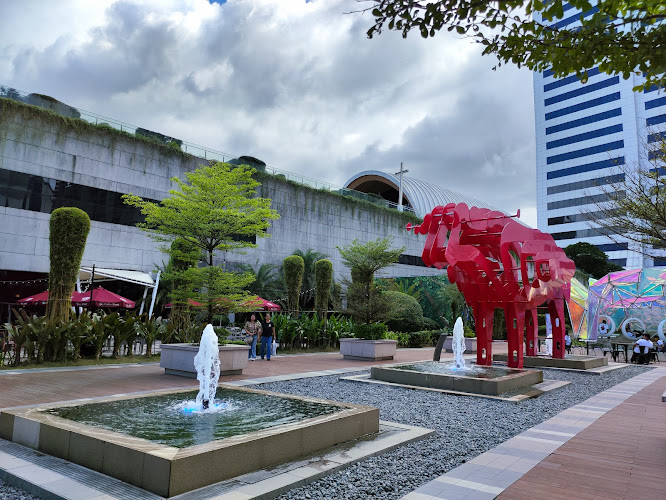
SM Aura Sky Park

Jaime C. Velasquez Park
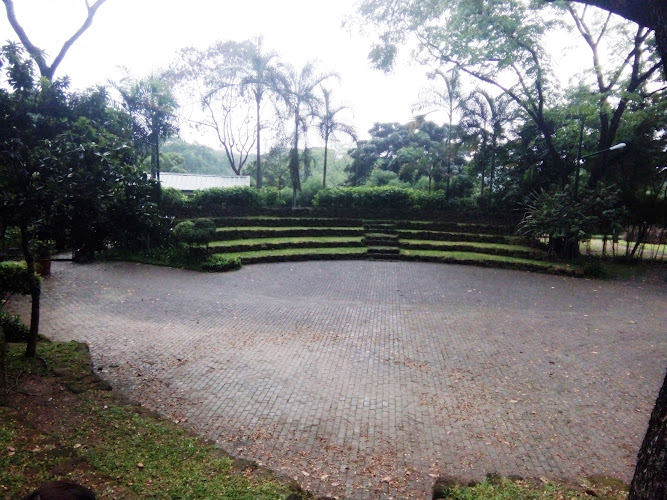
Kasalikasan Garden
Find Accommodations Nearby
Recommended Tours & Activities
Visitor Reviews
There are no reviews yet. Be the first one to write one.
Share Your Experience
Have you visited Department of Tourism? Help other travelers by leaving a review.