Where to Stay in Hakone: Best Areas & Hotels for Every Budget
Updated December 19, 2025
Picking where to stay in Hakone isn’t always straightforward. Each part of this mountain region has its own personality—some spots are steps from hot springs and museums, others put you right by the lake or deep in the forest. What’s “best” really depends on what you want: easy train access, peaceful scenery, or a taste of classic ryokan hospitality.
Here’s a clear breakdown so you don’t burn hours lost in maps and reviews. You’ll get a snapshot of top neighborhoods, who they fit, and hotel picks for every wallet—from boutique ryokans with private baths to simple inns near the station. I’ve compared the options so you can decide quickly and book with confidence.
Table of Contents
- Key Takeaways
- Choosing the Best Area to Stay in Hakone
- How Hakone Is Laid Out
- Access from Tokyo and Getting Around
- Booking Tips and Timing
- Yumoto: The Convenient Gateway
- Accommodation Types in Yumoto
- Dining and Shopping Options
- Onsen Experiences in Yumoto
- Gora: Mountain Resorts and Art
- Ryokan and Boutique Hotels in Gora
- Onsen Culture and Outdoor Baths
- Exploring Gora’s Museums
- Miyanoshita: Historic Charm and Classic Hospitality
- Staying at Historic Hotels
- Shopping and Local Experiences
- Sengokuhara: Peaceful Highlands and Nature
- Resorts, Ryokan, and Vacation Homes
- Art Museums and Scenic Walks
- Lake Ashi and Motohakone: Waterside Views and Iconic Sites
- Staying Lakeside: Hotels and Ryokans
- Boat Tours and Lake Activities
- Visiting Hakone Shrine
- Unique Stays and Special Experiences in Hakone
- Japanese Ryokan Traditions
- Kaiseki Dinners and Cuisine
- Private and Open-Air Onsen Baths
- Frequently Asked Questions
- What are the top accommodations in Hakone for the best view of Mt. Fuji?
- Can you recommend unique places to stay in Hakone for first-time visitors?
- Where should travelers without a car stay in Hakone for convenience?
- Which areas in Hakone offer high-quality private onsens for a serene experience?
- In which part of Hakone is a one-night stay most memorable?
- Is Hakone-Yumoto or Gora more preferable for tourists seeking authentic experiences?
- Book Your Dream Experience
- More Travel Guides
Key Takeaways
- Find out which Hakone area matches your travel style
- Compare standout hotels for comfort, price, and location
- Get practical planning tips—no endless research needed
Choosing the Best Area to Stay in Hakone
Hakone covers a big valley of mountains, lakes, and hot springs in Kanagawa Prefecture. Each area feels a bit different—some are all about nature, others are built for soaking in an onsen or catching a train back to Tokyo. How you move around and when you book can really shape your trip.
How Hakone Is Laid Out
Hakone isn’t just one town. It’s a cluster of small villages scattered through hills and valleys. The main ones—Hakone-Yumoto, Gora, Motohakone, Sengokuhara, Miyanoshita, and Kowakudani—all bring something a little different. Hakone-Yumoto sits at the base and is super convenient if you want quick train access. I usually recommend it for shorter visits, especially if you’re coming from Tokyo.
Gora, linked up by the Hakone Tozan Railway, sits higher and is known for onsen resorts and art museums. It’s where you’ll find more traditional ryokan experiences. Motohakone hugs Lake Ashi and has those famous Mt. Fuji views, while Sengokuhara is great for families—more space, museums, and hiking trails.
Picture Hakone as a loop: trains, cable cars, and boats connect everything, so you can explore multiple neighborhoods even if you stay in just one. Each spot has its own pace, so pick based on the trip you want—not some “one size fits all” answer.
Access from Tokyo and Getting Around
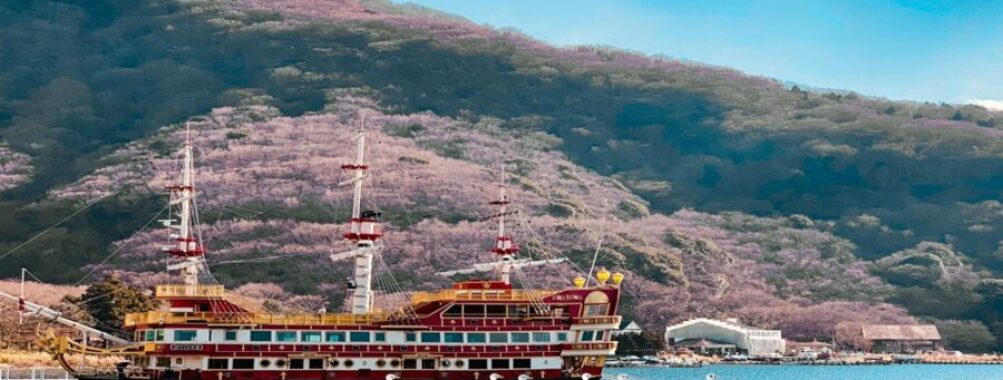
You can reach Hakone from Tokyo in about 90 minutes. The Odakyu Romancecar runs direct from Shinjuku to Hakone-Yumoto, or take the Shinkansen to Odawara and switch. Once you’re in Hakone, local transport gets fun—mountain trains, ropeways, and even a pirate ship across Lake Ashi.
If you’re planning to hop around, grab the Hakone Freepass—it covers almost all local transport and saves you from buying tickets each time. You’ll probably spend more time traveling within Hakone than you think; the map makes things look closer than they are, and the hills slow you down. I’ve definitely misjudged that before and ended up sprinting for the last cable car.
Public transit works well, so renting a car isn’t really necessary unless you’re hauling a lot of luggage or heading way off the beaten path. For train times or route comparisons, KAYAK is handy.
Booking Tips and Timing
Hakone stays busy most of the year, especially during the fall leaves in November and cherry blossoms in April. Book early—rooms with private baths at ryokan can disappear months ahead. Even standard hotels fill up fast on weekends, especially if you’re coming from Tokyo.
Stick to trusted sites like Booking.com or Expedia for a solid mix of options. You’ll see everything from classic tatami inns to modern resorts with big windows. I usually reserve a cancellable room first, then tweak my booking once I’ve figured out train times—it’s saved me a headache or two.
Winter is usually cheaper, except around New Year’s. If you want fewer crowds and crisp Mount Fuji views, late January is a sweet spot: cold air, open baths, and no lines for the good stuff.
Yumoto: The Convenient Gateway
Yumoto marks the entrance to Hakone, right where the Hakone Tozan Railway starts winding up into the hills. The pace is relaxed, but you’ll find everything you need—ryokans, modern hotels, onsen, and a bunch of food spots tucked along the main drag. Step off the train and you’re already in the heart of things.
Accommodation Types in Yumoto

Staying in Yumoto is all about convenience. You’re just 85 minutes from Shinjuku on the Romancecar, and most places to stay are within an easy walk from the station. That’s a win for short trips or anyone who doesn’t want to mess with transfers.
You get plenty of choice here. Ryokans like Hotel Okada and Yumoto Fujiya Hotel combine traditional touches—tatami floors, sliding doors, big communal baths—with modern comforts. Some have private open-air onsen attached to rooms, which is a real treat if you value privacy.
If you’re watching your budget, business hotels and guesthouses line the Sukumogawa River. Prices swing a bit, but many include breakfast and let you use the public bath. Yumoto is compact, so you can pick between luxury, mid-range, or affordable places without ever needing a taxi.
Dining and Shopping Options
The main street from Yumoto Station is packed with shops selling handmade sweets, crafts, and local snacks. The smell of manju (sweet buns) drifts through the air—I always grab one if I have a few minutes before my train.
Restaurants range from simple noodle joints to long-standing favorites like Hatsuhana Soba, known for yam soba and crisp tempura. You’ll also spot small izakayas tucked down side alleys, perfect for a low-key drink after your bath.
If you’re after something modern, bakeries and cafés near the station serve decent coffee and desserts—Hakone Tiramisu gets a lot of love. Prices are reasonable for a tourist area, and plenty of spots stay open till the last train.
| Type | Example | Price Range |
|---|---|---|
| Soba & Tempura | Hatsuhana Soba | ¥1,000 – ¥2,500 |
| Café & Dessert | Hakone Tiramisu | ¥600 – ¥1,200 |
| Izakaya | Local spots by Yumoto Station | ¥2,000 – ¥4,000 |
Onsen Experiences in Yumoto

A hot spring soak in Yumoto is the perfect way to unwind after the Tokyo run. The water’s slightly alkaline—gentle on the skin. Public baths like Hakone Yuryo let you relax for a few hours even if you’re not staying overnight. They’ve got both big communal pools and private rooms with open-air tubs.
The baths at Yumoto Fujiya Hotel sit high enough to give you mountain views through the steam. I once lost track of time there on a rainy day—it’s easy to do when the sound of rain and running water blend together.
Hotel Okada is another solid choice, with multiple pools fed by different springs. Day visitors can usually pay a fee for access. Bring your own towel if you can—rentals are overpriced and never quite as nice.
Public or private, Yumoto’s onsen scene is more about the mood than the minerals—quiet, timeless, just a touch old-school.
Gora: Mountain Resorts and Art
Gora sits up in the hills, where the air feels fresher and time slows down. Here, art, architecture, and onsen culture mix in a way you don’t see everywhere in Japan. It’s a quieter Hakone, but you’re still close to major sights like Owakudani Valley and the open-air museum.
Ryokan and Boutique Hotels in Gora

Gora’s stays blend classic and modern. At Gora Kadan, you’ll find tatami rooms, sliding screens, and beautifully plated kaiseki dinners. The staff somehow remember your tea preferences, which always impresses me.
If you lean modern, Hotel Indigo Hakone Gora is worth a look. The place feels more like an art space than a hotel—sculptures, warm lighting, and a laid-back vibe. Most rooms have private outdoor baths with views of the mountains.
Staying in Gora usually costs more, but you get peace and an intimate feel. There are also smaller family-run inns, and the owners often know every hiking trail and hidden tea shop in the area.
Onsen Culture and Outdoor Baths

Onsen are woven into daily life here. Volcanic water from Owakudani flows into local baths, each with its own mineral blend and feel. Some have a faint sulfur scent; others just leave your skin soft for hours.
Most hotels and ryokan offer both indoor and rotenburo (open-air) baths. The outdoor ones are the real draw—steam rising in the cold, wind in the trees. One winter morning, I saw snowflakes melt instantly in the hot water. That mix of cold air and heat sticks with you.
Exploring Gora’s Museums

Gora is as much about culture as relaxation. The Hakone Open-Air Museum is a must, with sculptures scattered across lawns framed by mountains. On sunny days, the light on the art is something photos just can’t capture.
Inside, the Picasso Pavilion displays works you rarely see outside big cities. Nearby, Gora Park brings a bit of Europe with rose gardens and a tea house where you can join a quick tea ceremony.
If you’re into art, give yourself a few hours here. The mix of fresh air, artwork, and scenery is oddly calming.
Miyanoshita: Historic Charm and Classic Hospitality
Miyanoshita sits high in the Hakone hills, where hot spring water flows under old buildings. The area combines peaceful scenery, a sense of history, and refined comfort, all within easy reach of Hakone’s main sights and the Old Tokaido Road that once linked Tokyo and Kyoto.
Staying at Historic Hotels

If you’re into places with real character, Miyanoshita is the spot. Fujiya Hotel, dating back to 1878, stands as one of Japan’s earliest Western-style resorts—and it wears its history well. The building blends Meiji-era design with Japanese touches: wooden verandas, old chandeliers, and those creaky floors that speak volumes. It’s officially a tangible cultural property, and you notice that heritage the second you step inside.
The hotel’s four wings each mark a chapter: Main Building from 1891, Comfy Lodge and Restful Cottage from 1906, Flower Palace from 1936, and the more recent Forest Wing from 1960. They’ve kept the old-world vibe, updating just enough for comfort but never losing the soul.
Prefer something smaller? Miyanoshita’s ryokan offer a Japanese spin—think tatami mats, futons, and private open-air baths with valley views. I remember a ryokan breakfast with homemade pickles and miso soup—simple, honest, and just right. That kind of care makes a place memorable.
Shopping and Local Experiences

The sloped streets here hide a lot of little gems. Antique shops show off old ceramics, hand fans, and woodwork that fit the town’s nostalgic mood. The Hakone Craft House in Gora Park is close by for glassblowing workshops—yes, it’s a bit touristy, but still fun if you like getting hands-on.
Cafés and bakeries tuck into steep side streets, many using Hakone’s spring water for coffee or bread. After an onsen soak, a stop at one of these feels like the perfect reset. If you’re up for a walk, try a piece of the Old Tokaido Road—cedar forests, mossy stones, and a sense of what travel felt like centuries ago.
Sometimes, markets pop up near Miyanoshita Station with handmade sweets or local sake. Bring cash; some stalls are old-school. The pace here is slow—just enough time to notice the details.
Sengokuhara: Peaceful Highlands and Nature
Sengokuhara sits high in Hakone’s volcanic hills, where grasslands stretch wide and the air feels extra fresh. Here, you’ll find quiet ryokan, family-run inns, and small museums focused on art and design, all wrapped in calm forest and hot springs.
Resorts, Ryokan, and Vacation Homes

This area offers a softer Hakone—less crowded, more space, and a genuine welcome. Ryokan like Hakone Yuyado Zen and Centurion Hakone Bettei have both private and shared hot springs, plus rooms that overlook the hills and morning mist.
Dinner usually means kaiseki—multi-course, seasonal Japanese meals. Even modest inns serve sashimi or simmered veggies that look like little works of art.
If you want modern touches, Hakone Retreat Villa 1/F mixes Western-style villas with outdoor mineral baths. Many vacation homes here give you terraces and kitchens, so you can really settle in after a day at the museums.
| Lodging Type | Style | Notable Feature |
|---|---|---|
| Ryokan | Traditional | Private onsen, tatami rooms |
| Resort | Modern | Spa, forest views |
| Vacation Home | Self-catering | Quiet, home-style comfort |
Art Museums and Scenic Walks

Sengokuhara isn’t just about hot springs. It’s a low-key art hub. The Pola Museum of Art houses Impressionist works in a glass building surrounded by forest. Nearby, the Lalique Museum has a garden café with views of Mount Kintoki on clear days.
Outside, the Silver Grass Fields roll through autumn like waves—simple walking trails let you listen to the wind in the tall grass. Cooler days bring hikers to the Hakone Botanical Garden of Wetlands, where streams and rare plants line wooden boardwalks.
Wear comfortable shoes—the ground shifts quickly from pavement to gravel. If you’re still out at sunset, the light turns the fields gold. It’s one of those quiet moments that stick with you.
Lake Ashi and Motohakone: Waterside Views and Iconic Sites
Lake Ashi brings together calm water, mountain backdrops, and old shrines. Mornings start with Fuji’s reflection on the lake, and days drift between history, nature, and little pockets of peace.
Staying Lakeside: Hotels and Ryokans

Staying by Lake Ashi (locals often say Lake Ashinoko) means swapping city noise for Fuji views. Some go for modern hotels like Hakone Hotel near Hakone-machi Port, watching sightseeing boats glide by. Others pick classic ryokans such as Hotel de Yama, known for seasonal gardens and private onsen baths fed by local springs.
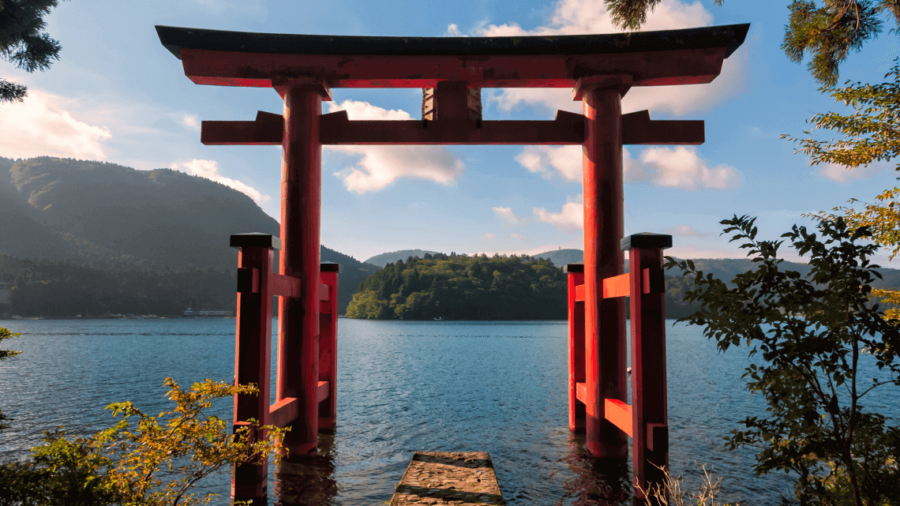
If you’re anything like me, you’ll appreciate a short stroll from your room to the lake at dawn. That’s when the mist lingers and the torii gate of Hakone Shrine glows faintly across the water. Some stays have open-air baths with direct lake views—soaking in hot water as cool air hits your face is a real treat.
Prices swing with the season, but you can save by staying a little uphill from the main ports. Most places include dinner and breakfast—often with local trout or mountain veggies. It’s smart to call ahead; small inns sometimes have weekday deals.
Boat Tours and Lake Activities
A cruise on Lake Ashi isn’t about speed. It’s a slow reveal—skyline, Fuji, clouds shifting. The “pirate ships” are quirky but comfy, connecting Togendai, Moto-Hakone, and Hakone-machi. You can book things to do, attractions, and tours ahead so you don’t miss out, especially when autumn crowds hit.
Besides the big boats, you can rent paddle boats or take short motor cruises that hug the shore. I once tried a two-person rowboat—slow going, but the mountain’s reflection on the quiet water beats any photo.
Lakefront paths have cafés with simple snacks—sweet potato ice cream is everywhere—so you can pause between rides. If you’d rather keep your feet dry, take the Hakone Ropeway from Togendai for views of sulfur vents and the caldera. The descent back to the lake is half the fun.
Visiting Hakone Shrine

Set among cedars on the Moto-Hakone side, Hakone Shrine feels peaceful and heavy with history. Its big red torii gate stands in the lake—a classic photo spot. Even if you’re not into shrines, the walk through the torii and up the shaded steps brings a kind of quiet respect.
The shrine’s over 1,200 years old and still attracts people who come to pray for safe journeys. I’ve visited in drizzle and in sun—the mood shifts with the weather, and the water under the gate seems to breathe on clear mornings.
It’s easy to fit the shrine into a lakeside stroll or link it with a ropeway or boat trip. For a more structured day, check out day tours and local activities that cover the shrine and nearby sites like the Hakone Checkpoint. However you go, don’t rush it. Moving slowly through the forested path, listening to water drip on cedar needles, just feels right.
Unique Stays and Special Experiences in Hakone
Spending the night in Hakone is part of the adventure. Here, traditional Japanese hospitality, local cuisine, and natural hot springs blend into something deeply relaxing and distinctly local.
Japanese Ryokan Traditions

A stay at a Japanese ryokan is a world apart from a regular hotel. You leave shoes at the door, walk on soft tatami mats, and sleep on futons rolled out by staff each night. Life slows down here, and you start noticing details—the creak of floorboards, the scent of green tea.
Each ryokan has a personality—some are modern with big glass windows, others stick to rustic beams and paper screens. The staff practice omotenashi, Japan’s wholehearted hospitality. They remember your tea preference or quietly adjust your futon before you notice.
I once chatted with a ryokan owner near Gora Station over tea about the volcanic steam rising behind the house. That gentle warmth sticks with you as much as the baths or crisp air.
Kaiseki Dinners and Cuisine

Dinner in Hakone is often the highlight. Most ryokan serve kaiseki—multi-course meals that change with the seasons. You might get sashimi, simmered vegetables, grilled river fish, or yuba (tofu skin) with mountain herbs.
Kaiseki menus shift constantly. Autumn brings mushrooms and chestnuts; spring means bamboo shoots and sakura desserts. Chefs sometimes serve meals in your room, arranged on lacquer trays that look almost too perfect to touch.
Some newer ryokan mix in Western techniques, but the Japanese presentation stays strong. That mix of tradition and creativity makes Hakone’s food scene stand out. Don’t rush—each course tells a story.
Private and Open-Air Onsen Baths
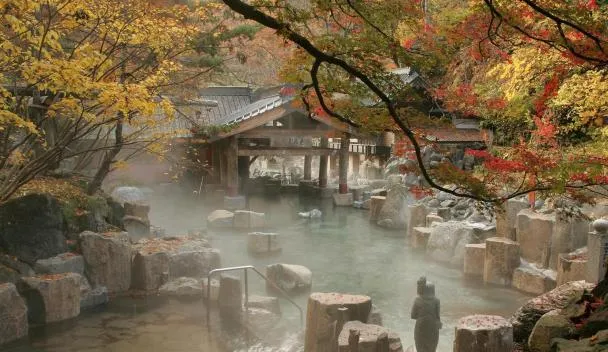
Soaking in a hot spring bath—an onsen—is what most people picture before coming to Hakone. Mineral-rich waters flow from volcanic sources, changing in color and feel depending on the spot—milky in some, clear in others, always soothing.
Many ryokan have private onsen baths attached to rooms. These are perfect if you want peace or just prefer privacy. Opening a door to your own steaming tub under cool air feels almost unreal.
If you’re up for sharing, the open-air baths (rotenburo) often feature epic views—mountain slopes, cedar forests, or peeks of Lake Ashi. Early mornings or late evenings, when the mist rolls in, are the best times. Those quiet moments linger long after you leave.
Frequently Asked Questions
Hakone has stays for every kind of trip—mountain escapes, ryokan with private onsens, and easy-access hotels near train lines. Some neighborhoods are best for views and quiet, others make quick visits easier.
What are the top accommodations in Hakone for the best view of Mt. Fuji?
If Mt. Fuji views top your list, book near Lake Ashi. Many hotels and inns face the lake with Fuji right behind. Motohakone and the southern ridge of Hakone usually get clear morning views before clouds drift in.
I once woke up early at a lakeside ryokan just to catch Fuji’s reflection at sunrise—worth every minute of lost sleep. Rooms with open-air baths offer especially stunning views on a clear day.
Can you recommend unique places to stay in Hakone for first-time visitors?
For a first trip, Hakone-Yumoto is the spot. It’s where the trains from Tokyo land you, and the town still has plenty of old-school bathhouses and restaurants. Ryokans here blend easy access with that classic tatami-mat vibe everyone seeks.
If you’re not set on going fully traditional, look at Tonosawa. It’s a little quieter but just a short walk from Yumoto. One minute you’re soaking in an onsen, the next you’re slurping soba by the river. Not bad, right?
Where should travelers without a car stay in Hakone for convenience?
Stick close to Hakone-Yumoto or Gora Station. Both spots connect smoothly to the rest of Hakone—rail, bus, ropeway, you name it. Grab a Hakone Freepass and you’re set: trains, cable cars, even the sightseeing boat, all sorted without needing to drive.
Honestly, Hakone’s public transport is a breeze once you get the hang of the lines. The trains run on time, they’re clean, and the ride is pretty scenic—especially when you hop on the Hakone Tozan cable car as it winds up through the hills.
Which areas in Hakone offer high-quality private onsens for a serene experience?
Check out Gora and Miyanoshita for private onsen stays. Both towns have deep roots as resort areas, so you’ll find ryokans with open-air baths attached right to your room. The mineral-rich water comes straight from local springs, and you usually won’t have to deal with crowds.
Some guesthouses let you switch between private and shared baths depending on the time of day—handy if you’re after a bit of peace. For the quietest experience, aim for a weekday stay. Forest views at night? Can’t really beat that.
In which part of Hakone is a one-night stay most memorable?
Spending a night in Motohakone, right by Lake Ashi, just hits different. The lake takes on this soft glow in the evening. You can hop on the pirate ship cruise or wander over to the red torii gate at Hakone Shrine before you eat.
Even if you’re short on time, you’ll get that wild mix of water, mountains, and the faint smell of sulfur drifting from the vents—a not-so-subtle reminder you’re in geothermal country. It’s way more memorable than another generic city hotel.
Is Hakone-Yumoto or Gora more preferable for tourists seeking authentic experiences?
It really comes down to what kind of “authentic” you’re after. Hakone-Yumoto gives you a taste of daily Hakone—market streets, tiny ramen shops, local families running old inns. It’s busy, sometimes crowded, but there’s a certain charm in the buzz.
Gora offers a quieter, more polished side. Here, you’ll stumble upon classic ryokans serving kaiseki dinners, intimate art galleries, and historic onsen houses. The pace slows down; conversations get softer, and the hot spring steam just hangs in the air. If you’re new to Hakone, Yumoto’s a good starting point. But if you’re after tranquility and a sense of history, Gora’s hard to beat.