Where to Stay in Corsica: 7 Best Areas & Hotels for Every Traveler
Updated January 15, 2026
Picking where to stay in Corsica isn’t straightforward. Each town shows a different side of the island—some lean toward sandy beaches and long sunsets, others toward mountain trails and history. You could spend hours comparing maps and hotel reviews, but honestly, there are better ways to spend your time. Why not focus on which café terrace you’ll claim your first morning?
Here’s a straightforward look at Corsica’s best areas, who they suit, and reliable hotel picks for every budget. From Calvi’s coastal calm to the mountain peaks near Corte, you’ll get the essentials—no fluff, no endless jargon. I’ve done the cross-checking so you can plan your trip in minutes, not days.
Key Takeaways
- Clear guidance on Corsica’s main regions and what makes each worth your time
- Find the spots that fit your style, from seaside towns to mountain escapes
- Trusted accommodation picks for different budgets and trip goals
Best Areas to Stay in Corsica
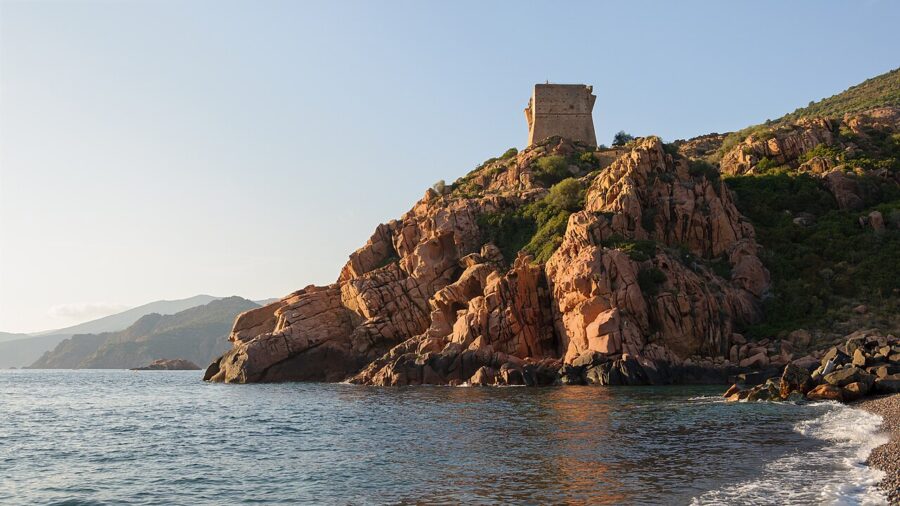
Corsica feels like a patchwork of small worlds. Coastal towns bring beaches and cafés; mountain villages offer escapes and rugged hikes. Each place has a distinct character—some are great for a quick stay, others work as a base for exploring the island.
1. Ajaccio: For Culture and First-Timers
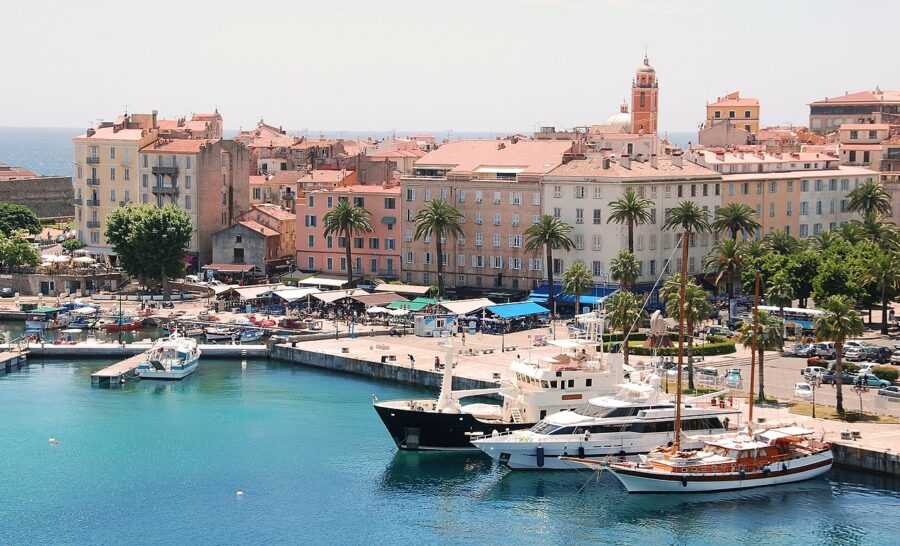
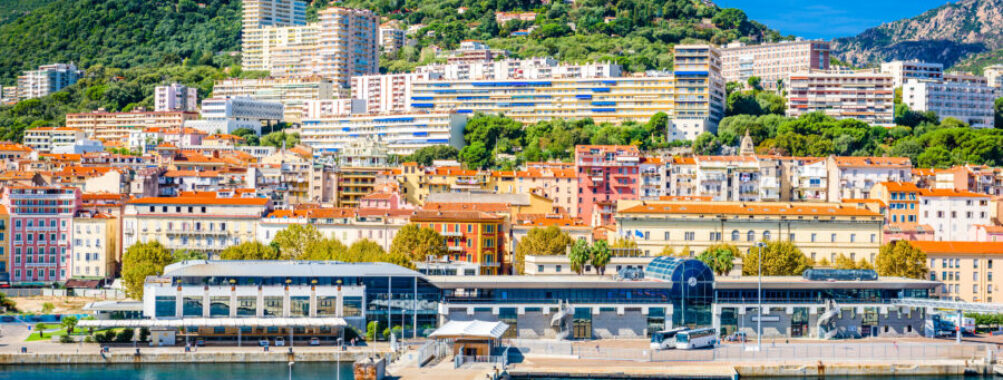
Ajaccio, the island’s capital, mixes history with easy beach access. You’ll see daily life in motion—locals at the market, kids by the harbor, boats leaving for the Sanguinaires Islands. It’s a solid starting point if you haven’t been to Corsica yet.
The old town’s narrow lanes are full of pastel buildings and street-side cafés. Small museums and Napoleon’s birthplace give the city its proud identity. Hotels near the old port put you within walking distance of most sights.
Ajaccio’s central location makes getting around easy. The airport’s close, beaches are nearby, and it works well for short stays. For deals, check flights and hotels early, especially in summer.
2. Porto-Vecchio: Family-Friendly Beach Destination
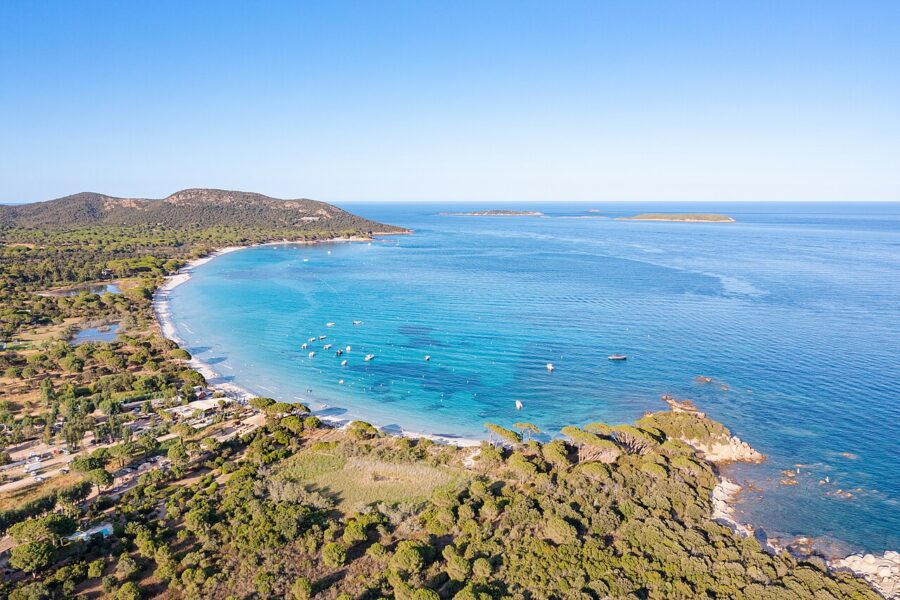
On the southeast coast, Porto-Vecchio brings long white beaches and pine-covered hills. Families love it for the clear water, safe swimming, and plenty of dining options. The old town, perched above the harbor, has good views and relaxed restaurants.
Santa Giulia and Palombaggia beaches are the main draw—calm, shallow, and dotted with restaurants right on the sand. Kayak and boat rentals are easy to find.
The town stays lively but not overwhelming. You’ll find everything from resort hotels to self-catered villas, many with pools or gardens. High season brings traffic, so booking parking is smart if you’re driving.
3. Bonifacio: Spectacular Cliffs and Luxury
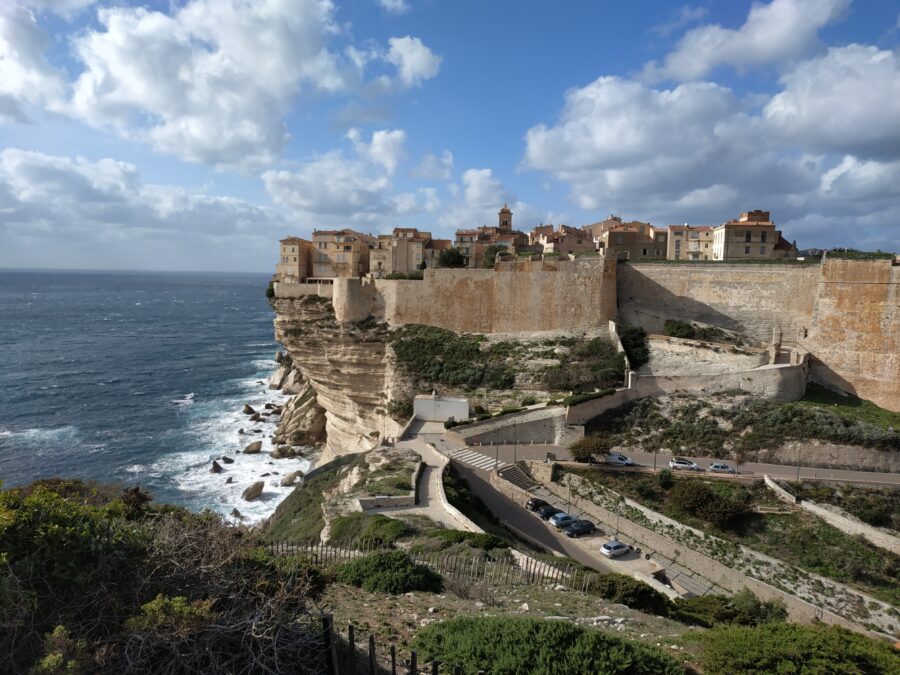
Bonifacio’s cliffs are probably the first image you saw of Corsica—those white faces dropping into the sea are even more dramatic in person. The town sits on top, with narrow streets, old stone walls, and a constant sea breeze. If you want something striking and don’t mind splurging, Bonifacio’s a top pick.
The marina below attracts yachts and upmarket dining. You can walk up from the port or take a tourist train, which helps in the heat. Inside the walls, boutique hotels and independent restaurants hide in stone arches.
Boat tours under the cliffs and into sea caves are short but memorable. After sunset, things quiet down; you’ll hear mostly waves below the citadel.
4. Calvi: Relaxed Atmosphere and Historic Sights
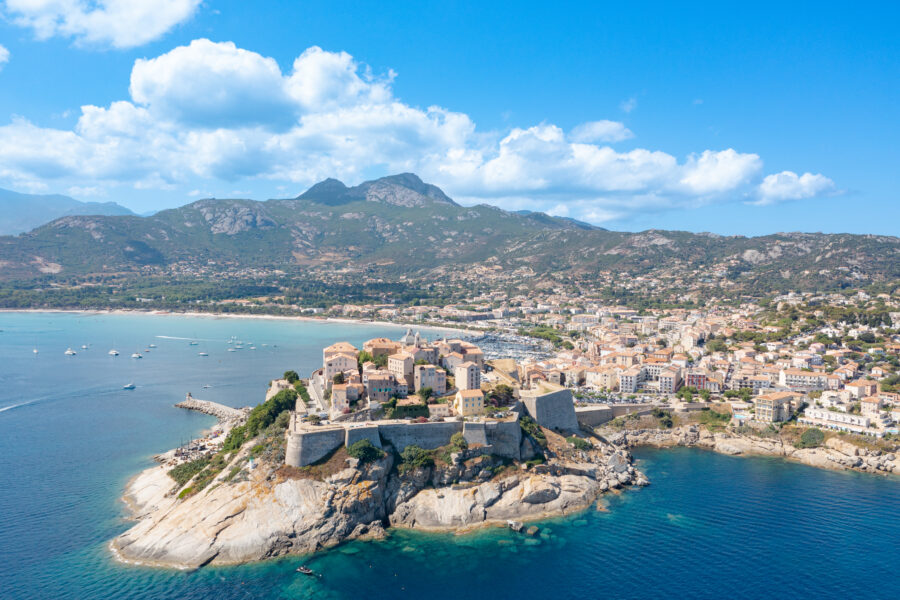
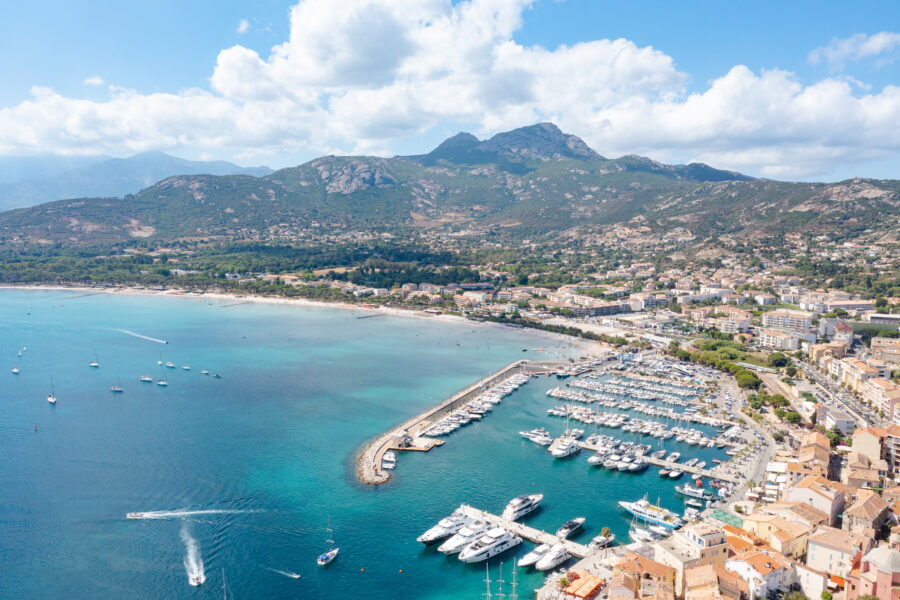
Calvi, on the northwest coast, blends beach life and history. The sandy bay faces a citadel that dominates the skyline. It’s less formal than Bonifacio and easier to get around than Porto-Vecchio.
Most hotels are within a short walk of the beach and town center. The train to L’Île-Rousse makes for a scenic coastal trip if you want to skip driving. In summer, beach cafés stay open late, serving grilled fish and Corsican wine.
Calvi also works as a base for exploring Balagne villages—small stone towns known for artisans and olive groves. If you have time, a slow afternoon drinking lemonade in Speloncato is a simple pleasure that sticks with you.
5. Corte: Mountain Town and Outdoor Adventures
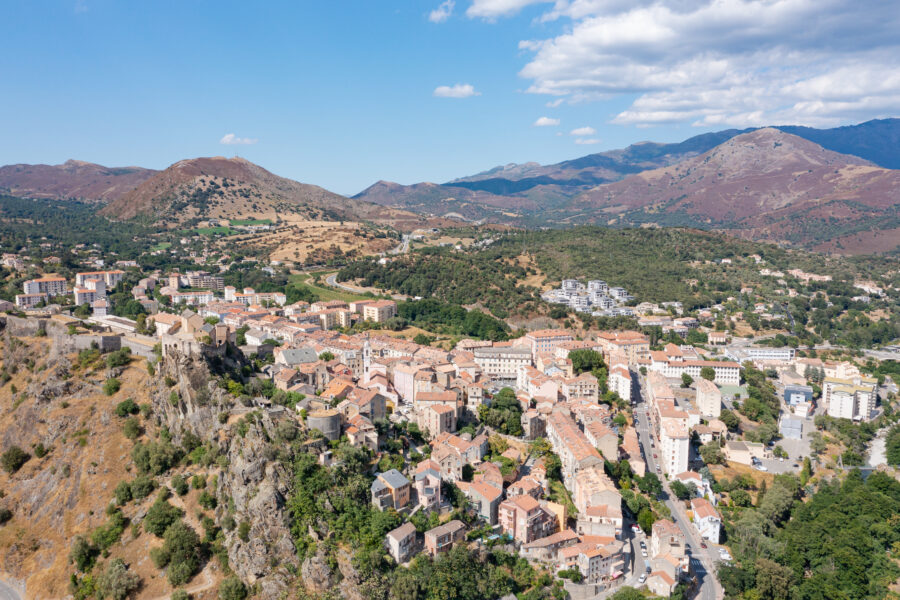
Corte sits in Corsica’s center, far from the beaches. As you drive inland, the landscape shifts quickly to green. Valleys and rivers surround the town, making it the go-to spot for hiking, canyoning, and mountain trails.
The town feels compact but energetic, especially when university’s in session. The citadel looks out over steep hills, and you can walk from there down to the Restonica Valley—one of Corsica’s top hiking areas. Bring shoes with grip; the trails are rocky but worth it.
Corte’s hostels and rustic lodges suit travelers who care more about experience than luxury. You’ll notice wild herbs in the air and mountain streams at night, not traffic. If you like early mornings and fewer crowds, Corte might be your spot.
6. Bastia: Lively Port and Nightlife
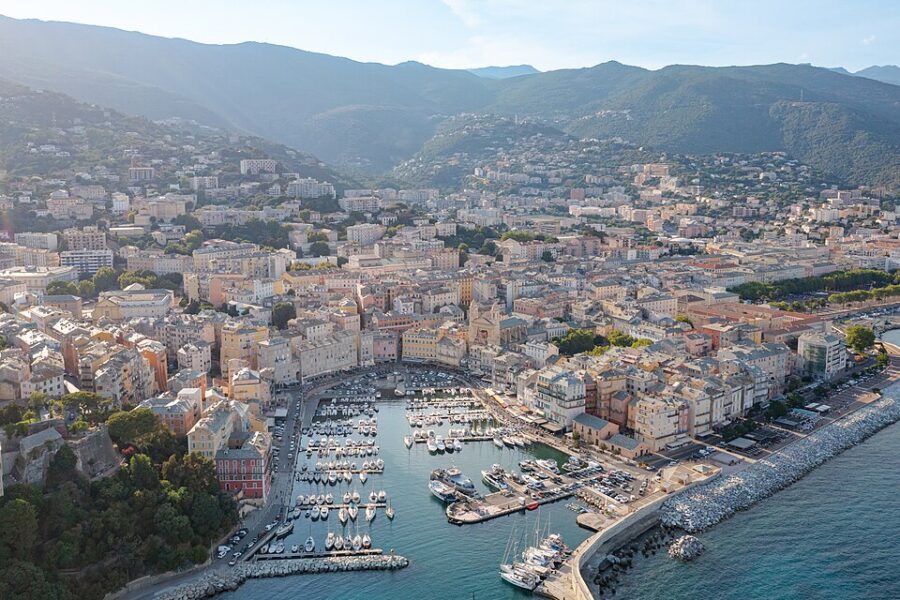
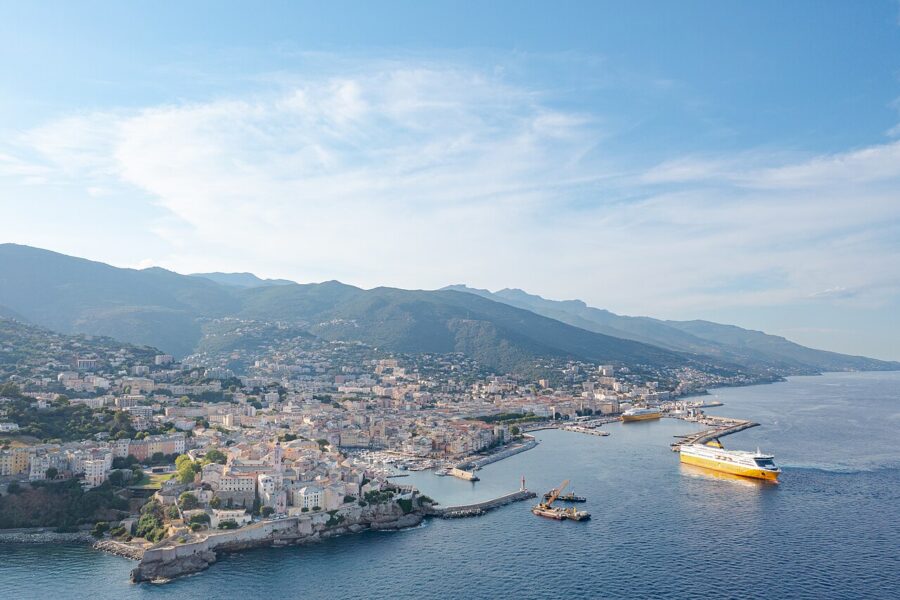
Bastia, the main city up north, brings more urban energy than anywhere else on the island. Its heart is the old port, lined with faded baroque buildings and busy cafés. It’s not as picturesque as Bonifacio, but it feels real, with locals out late and conversation everywhere.
You can wander Terra Vecchia, the historic quarter, or catch ferries to Cap Corse villages. Summer evenings bring music and a steady hum along the quays. Bastia’s also practical, with regular ferries and flights to mainland France.
If you want city comfort with an island feel, Bastia delivers. Expect traditional bistros, boutique hotels, and apartments overlooking the harbor. Nightlife is a real draw here.
7. Propriano and St. Florent: Charming Seaside Villages
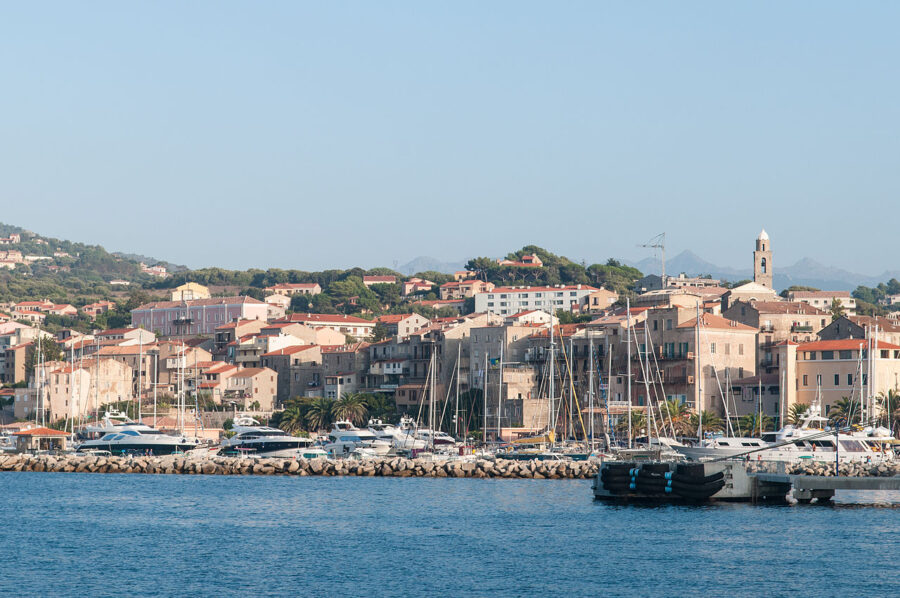
Propriano and St. Florent are for those who prefer calm over crowds. Propriano, on the southwest, is a gateway to beaches and quiet coves. The harbor hosts fishing boats and bistros serving daily catch and chilled rosé.
Coastal walks start right outside town, leading to turquoise viewpoints. It’s laid-back—no one hurries, and you shouldn’t either. Accommodations lean toward mid-range hotels and villas along the coast.
St. Florent, up north, feels a bit more polished but keeps its charm. The old center wraps around the marina, where you can rent boats or join trips to Agriates Desert beaches. It’s compact and peaceful at night.
See Related: Best Places to Visit in France
Ajaccio: Where History Meets the Sea
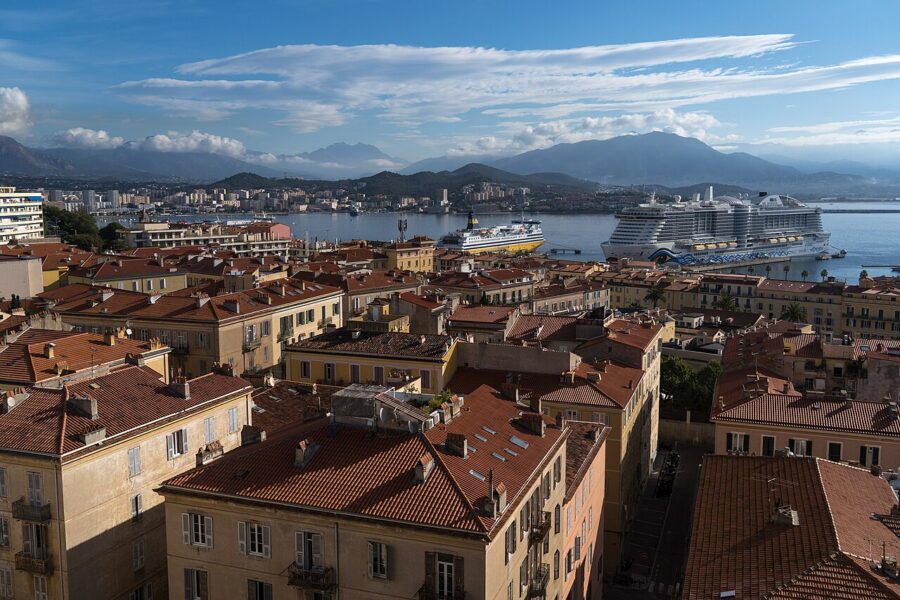
Ajaccio brings together centuries of history and the easy rhythm of the Mediterranean coast. Ancient streets wind from grand monuments to small coves, and you might spend a day walking from Napoleon’s birthplace to a terrace overlooking the bay. The city feels both historical and relaxed—a rare mix.
Napoleon Bonaparte’s Legacy
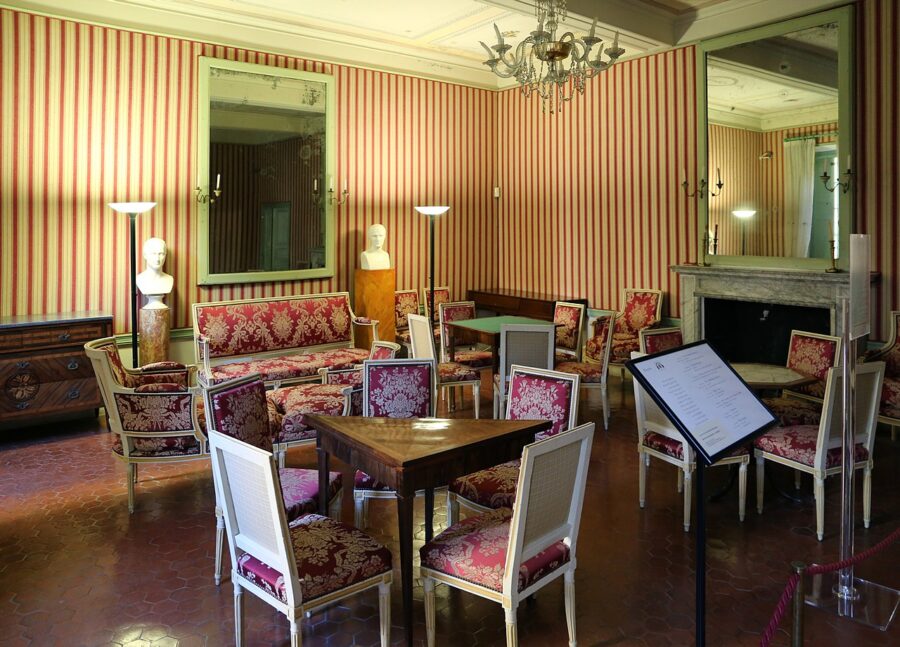
Napoleon Bonaparte was born in Ajaccio in 1769, and his family’s presence still shapes the city. The Maison Bonaparte, now a museum, shares the Bonaparte story through rooms with personal relics and period furniture. It’s small but detailed—you’ll see how this island boy became a European powerhouse.
A short walk brings you to Saint-Jean-Baptiste Cathedral, where Napoleon was baptized. The church isn’t grand, but the pastel interior carries a quiet importance. You can almost picture his family here, unaware of what was ahead.
To get a sense of his legacy, just wander the old town. Streets like Rue Bonaparte and Place Foch remind you his story started right here.
Stunning Bays and Mediterranean Beaches
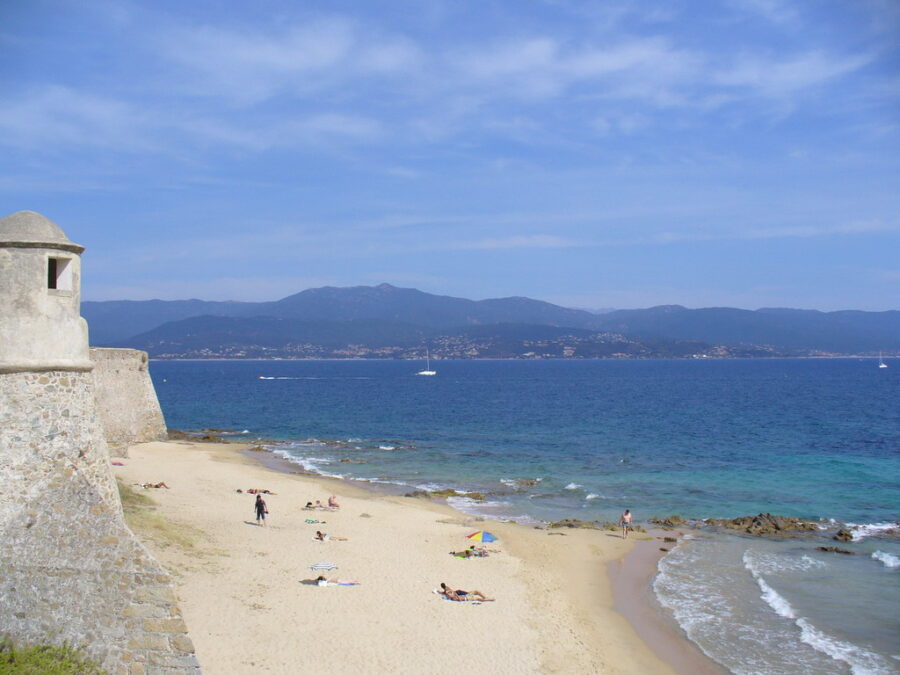
The sea shapes daily life in Ajaccio. The citadel, built by the Genoese, still stands guard over the old port and offers a panoramic Bay of Ajaccio view. Walking the coastal path toward the Sanguinaires Islands at sunset—the light on the stone walls and water is something photos never quite capture.
For beaches, you’ve got options. The western shore has relaxed stretches like Trottel and Barbicaja, where you can swim, paddleboard, or just sip coffee at a beach café. Across the gulf, Porticcio’s long sandy beach feels more open, ideal if you want space.
The Mediterranean breeze never really stops, carrying a mix of pine and salt. On hot days, it’s as refreshing as the water.
Top Hotels and Accommodations
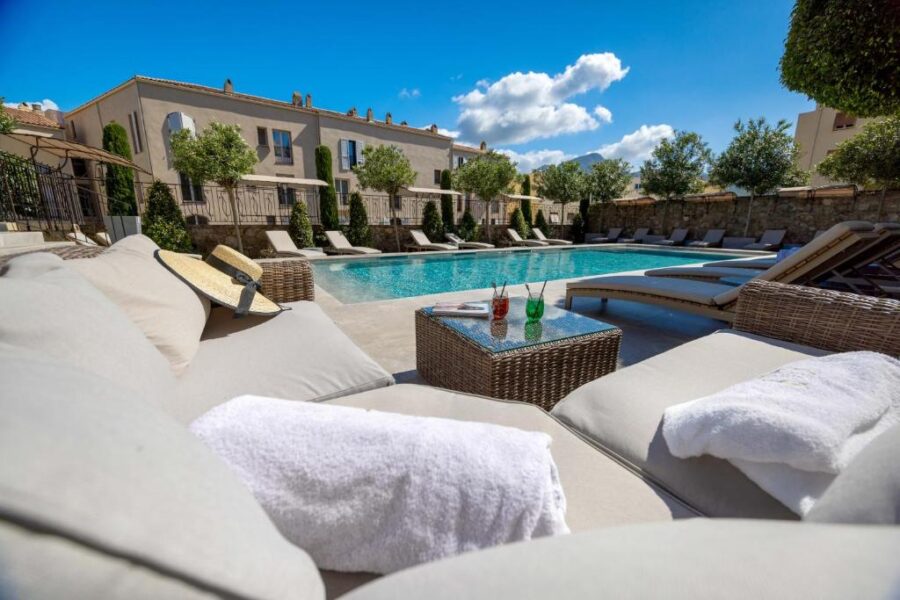
Ajaccio’s hotels range from restored townhouses to seaside retreats. In the historic center, Hôtel L’Abbaye and Hotel San Carlu Citadelle put you steps from museums, cafés, and the waterfront. It’s perfect if you want to walk everywhere and don’t mind a little street noise.
Closer to the water, Les Mouettes and La Dolce Vita offer direct bay views, pools, and small beaches outside your door. The vibe is quieter and more resort-like. The Best Western Amirauté, near the port, adds parking and easy ferry access.
For rate comparisons or advance bookings, Expedia is handy. Just a heads-up: in summer, Ajaccio rooms go fast, so book ahead.
Porto-Vecchio: Sun, Sand & Adventure
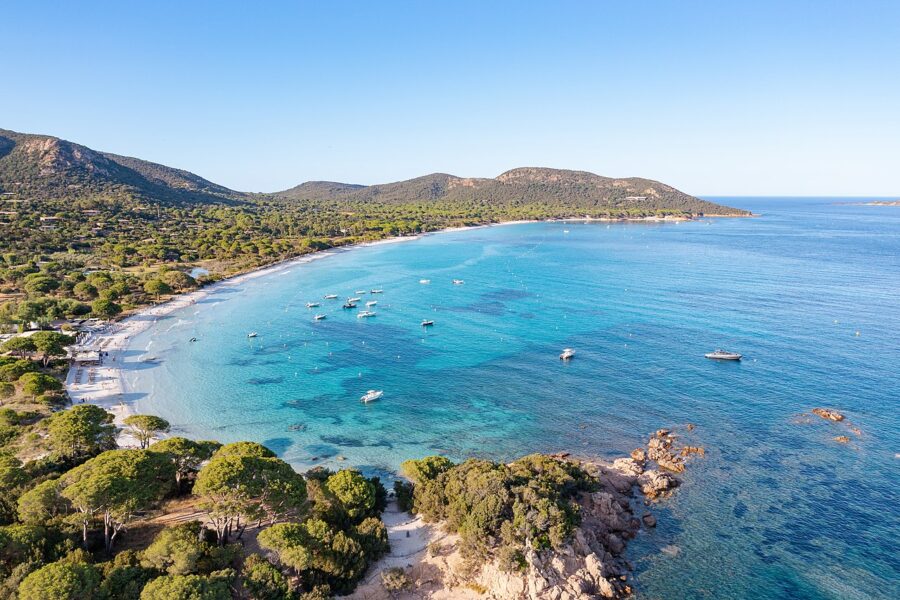
Southern Corsica here means clear water, mountain air, and a bit of adventure. You can move from peaceful coves to steep forest trails in under an hour, which keeps things interesting but never frantic.
Palombaggia and Tamaricciu Beach
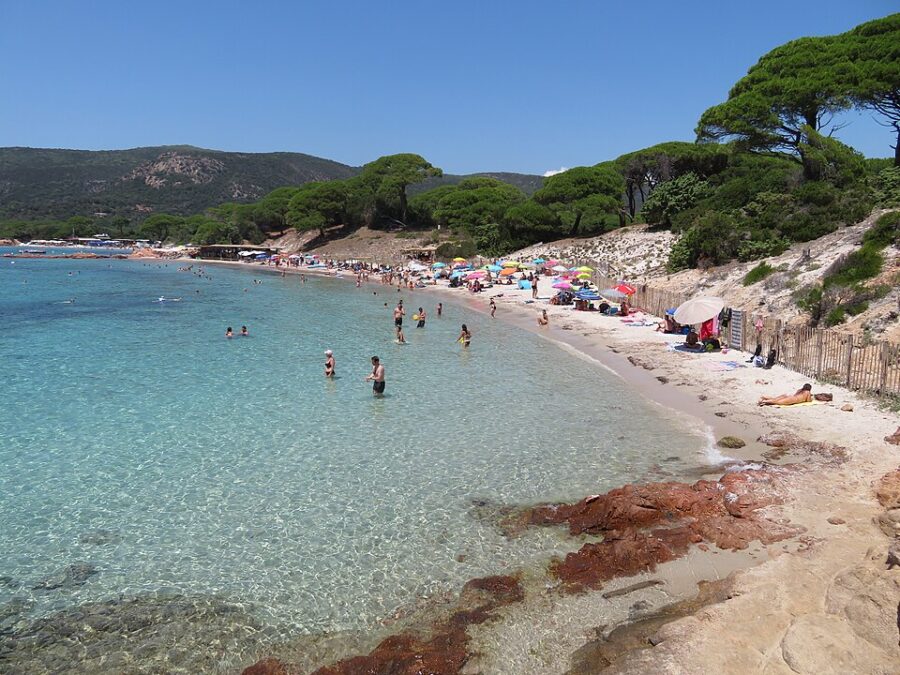
Palombaggia is the classic postcard—wide sand, red granite rocks, and pines with a faint resin scent. Early morning is best, before parking fills up and umbrellas stake their claim. Walk south to Tamaricciu Beach for a quieter, equally beautiful spot.
Grab a sandwich from a bakery and find a shaded patch near the dunes. Paddleboards are easy to rent, or just float in the shallows. The water’s safe for kids and calm enough for adults who like a slower pace.
A short drive away, Rondinara Beach curves almost perfectly into a shell. The road feels longer than it is, but the payoff is real calm and fewer crowds.
Family Activities and Hiking
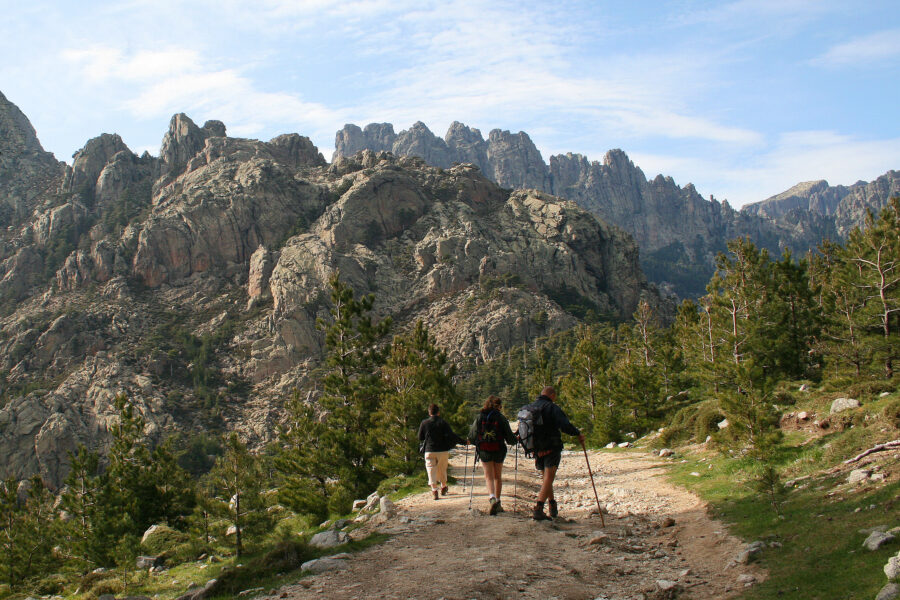
Porto-Vecchio works for mixed interests. Beaches keep kids happy, but the inland hills break things up. Drive about thirty minutes to the Cascade de Piscia di Gallu—a rocky trail drops to a tall waterfall. Bring water, good shoes, and a bit of patience; the view is worth it.
With teens, try canyoning or an easy hike around the Aiguilles de Bavella. You’ll spot wild pigs and big views over pine ridges. On cloudy afternoons, a drive north to Santa Giulia Beach usually brings calmer weather and a gentle sea for little ones.
And if you see a roadside stand selling cheese or honey, stop. The conversations there tend to stick with you longer than any monument.
Where to Stay: From Budget to Luxury
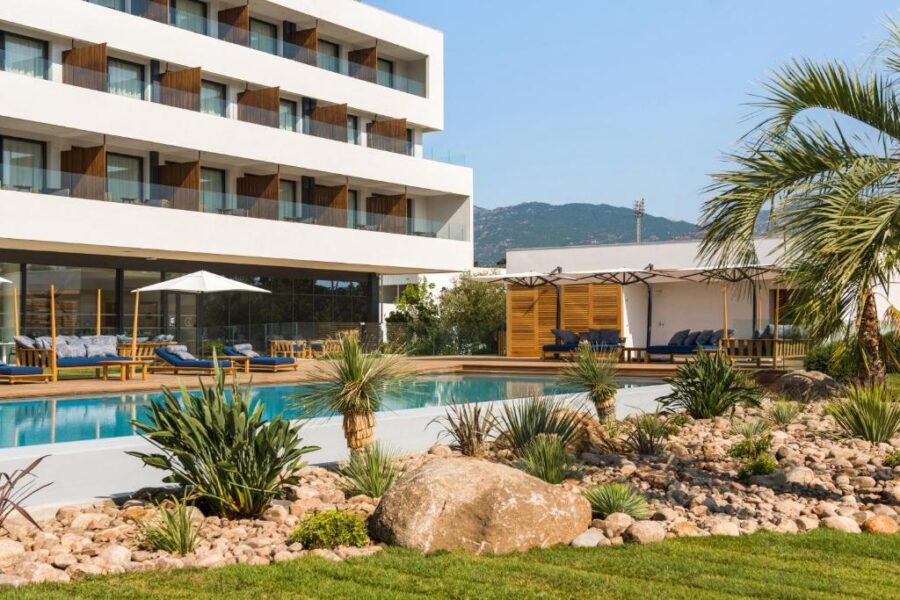
Porto-Vecchio gives you plenty of options, depending on how close you want to be to the water.
| Location | Type of Stay | What to Expect |
|---|---|---|
| Town Center | Budget hotels, small inns | Walkable to cafés and the marina, some traffic noise |
| South Shore (Mariosa area) | Mid-range boutique | Quiet setting, short drive to beaches |
| North Shore (Cala Rossa) | Upscale resorts | Direct beach access, private gardens |
| Palombaggia Area | Luxury hideaways | Sea views, infinity pools, limited parking in summer |
If you care more about atmosphere than fancy extras, those small family-run spots inland usually cost less and come with hearty breakfasts. For the real “retreat” feeling, coastal hotels near Palombaggia or Cala Rossa put you right by the beach and offer solid dining. Just a heads up—summer books out fast, so reserve early if you’re aiming for a prime room.
Bonifacio: Dramatic Cliffs and Medieval Charm
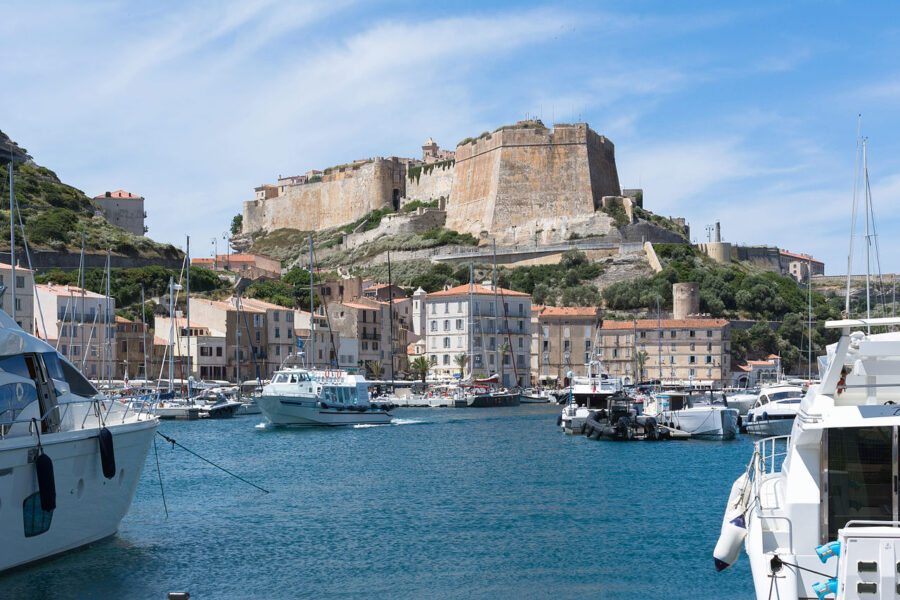
Bonifacio sits high on limestone cliffs, the town almost hanging over the turquoise sea. Its white buildings cling to the rock, and the whole place feels like it’s paused somewhere between ancient history and the present.
King of Aragon’s Staircase and Citadel
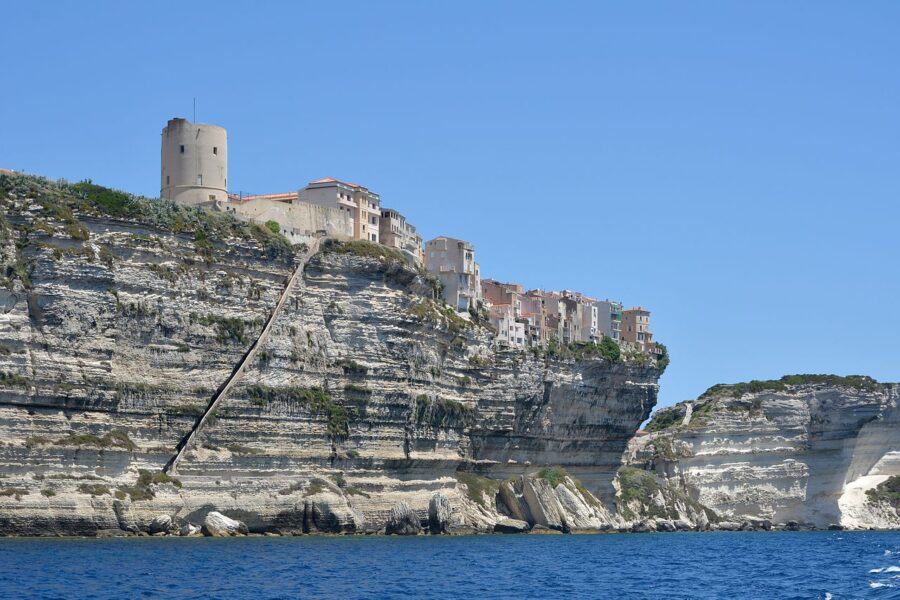
Those 187 steps down the King of Aragon’s Staircase—carved right into the cliff—aren’t easy to forget. Local legends claim soldiers used it to reach fresh water during sieges, but who knows. What’s certain is the view gets wild halfway down. The Mediterranean wind hits you, and you can spot Sardinia across the strait.
Up above, the Citadel dominates everything. You can walk the ramparts, peek into old towers, and wander through small museums tucked inside the thick stone. If you grab a sandwich from a bakery and sit on the walls, you get a front-row seat to boats slipping out of the harbor—a simple, perfect lunch. The fortifications date back to the 9th century and still feel rock solid.
Wear sneakers, not sandals. The climb’s steep, and even on cool days, it’s a workout. By sunset, the cliffs turn orange, and that view sticks with you long after you leave.
Luxury Hotels and Spas
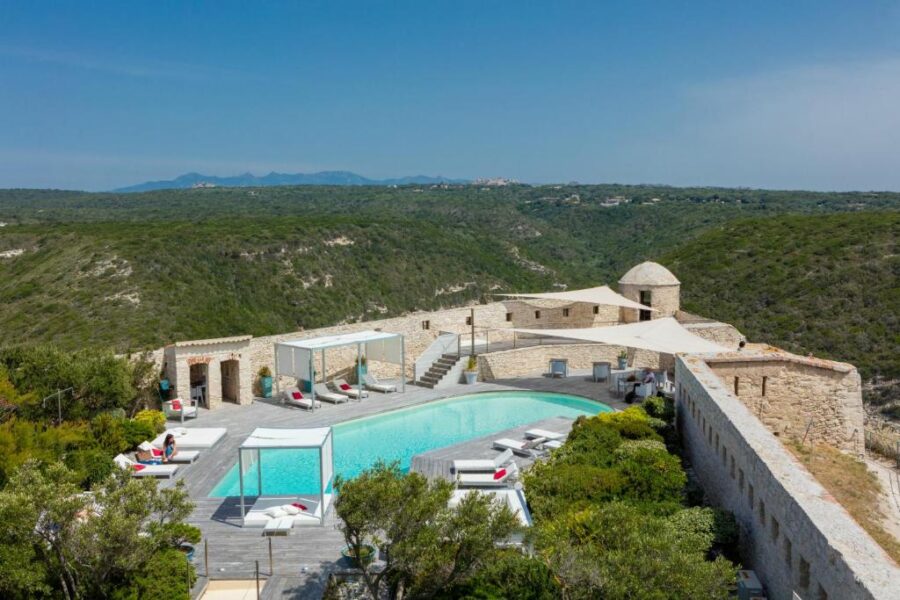
Bonifacio surprises with its luxury options for such a historic town. Hotel Spa Genovese sits above the marina, mixing modern comfort with old-world charm. The pool overlooks the cliffs, and at night you’ll hear the masts clinking—a surprisingly soothing sound.
A bit higher up, Hôtel & Spa Version Maquis Citadelle gives you more space and privacy. Interiors lean warm and neutral, and the spa is genuinely good. After a climb up the Citadel, book a deep tissue massage—you’ll thank yourself. Some suites open onto terraces with views over the maquis, a nice contrast to the busy port.
These places aren’t cheap, especially in summer. But if you want calm, views, and a restaurant that serves real Corsican seafood, it’s worth the splurge. You might aim for late May or early October when prices dip and the evenings stay light.
Exploring the Old Town
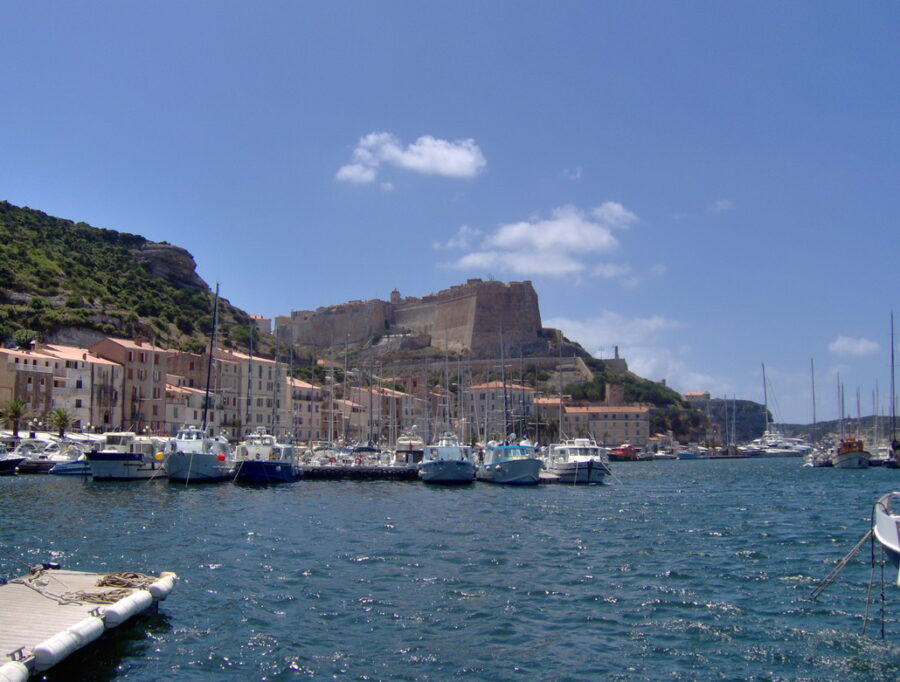
Inside the Old Town, narrow cobbled lanes twist between sun-bleached limestone. Shops sell local knives, olive oil, and linen clothes—somehow, everyone looks better walking out with a new shirt. You’ll find casual cafés wedged into corners, the kind that seem like they’ve always been there.
Getting lost is part of the fun. Small squares hide under fig trees, chapels pop up unexpectedly, and balconies overflow with geraniums. Even after several visits, new alleys keep turning up.
Walk out past the Marine Cemetery—it’s peaceful, overlooking the sea—and you’ll see Bonifacio perched above the water, almost floating. The view stops you in your tracks. It’s hard to leave before lingering a bit, then heading back down for dinner by the quay.
Calvi: Coastal Beauty and Historic Landmarks
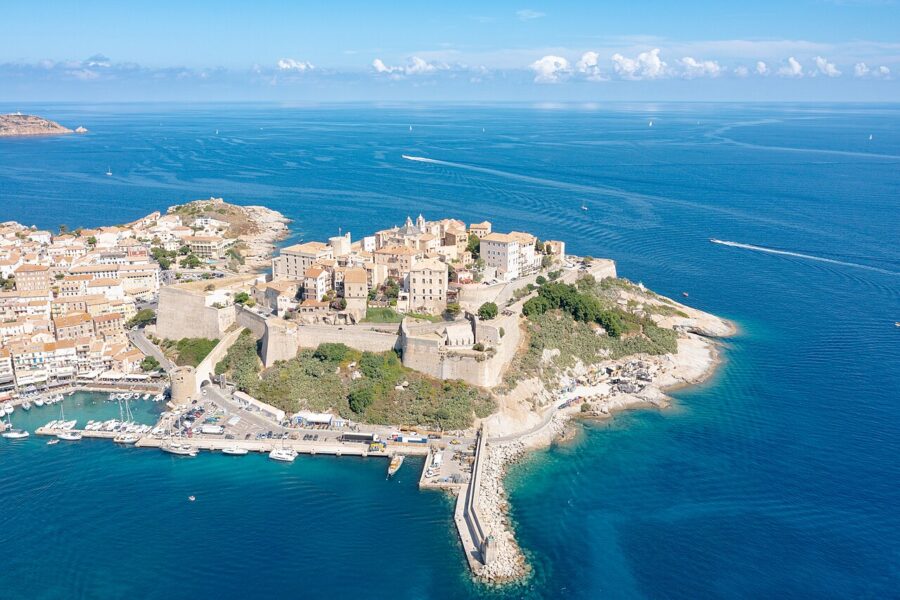
Calvi mixes sea views, medieval corners, and mountain backdrops in a compact, easygoing town. Stone lanes climb to old fortifications, cafés spill onto the harbor, and a soft sandy bay curves around the marina.
Calvi Citadel and Cathedral
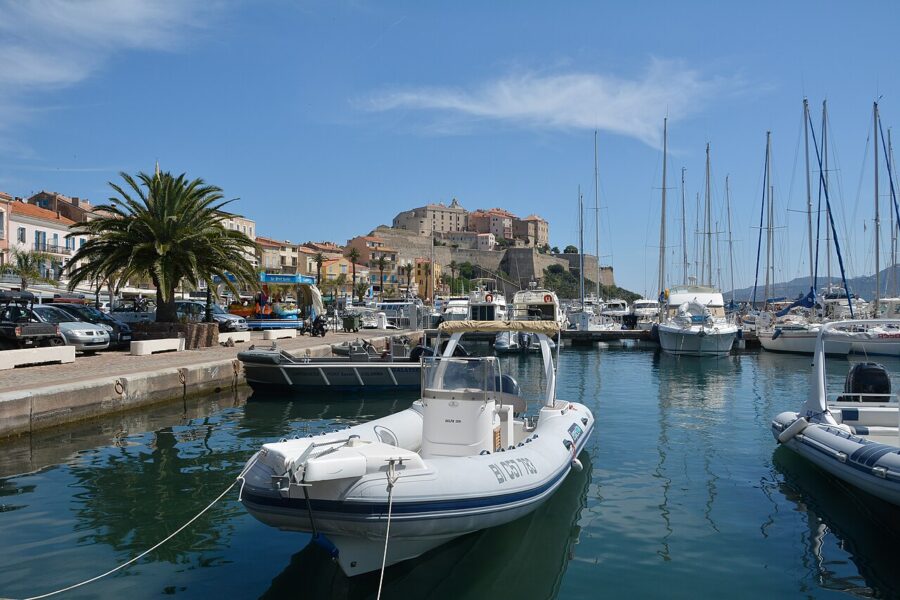
The Calvi Citadel rises over town, its pale walls catching the sun. If you climb through its alleys, you feel the layers of history—the place once guarded the Genoese frontier. Inside, stone steps lead to the Saint-Jean-Baptiste Cathedral, known for its simple, bright interior and a wooden crucifix said to have calmed storms.
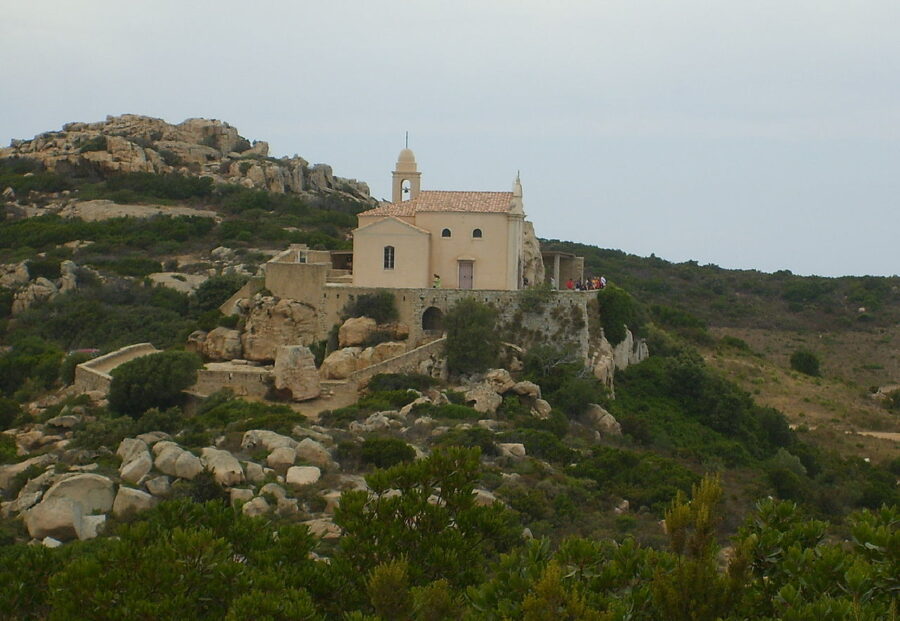
From the ramparts, you can see the Chapel of Notre Dame de la Serra on a rocky hill outside town, a favorite for sunset. Down below, old houses crowd together, their archways and courtyards showing off Calvi’s French, Italian, and Corsican roots.
The ramparts feel timeless. Some afternoons, I’ve just sat and listened to church bells echo off the cliffs. Nothing’s rushed up there, and that’s part of Calvi’s appeal—it rewards wandering without a plan.
Calvi Beach and Marina
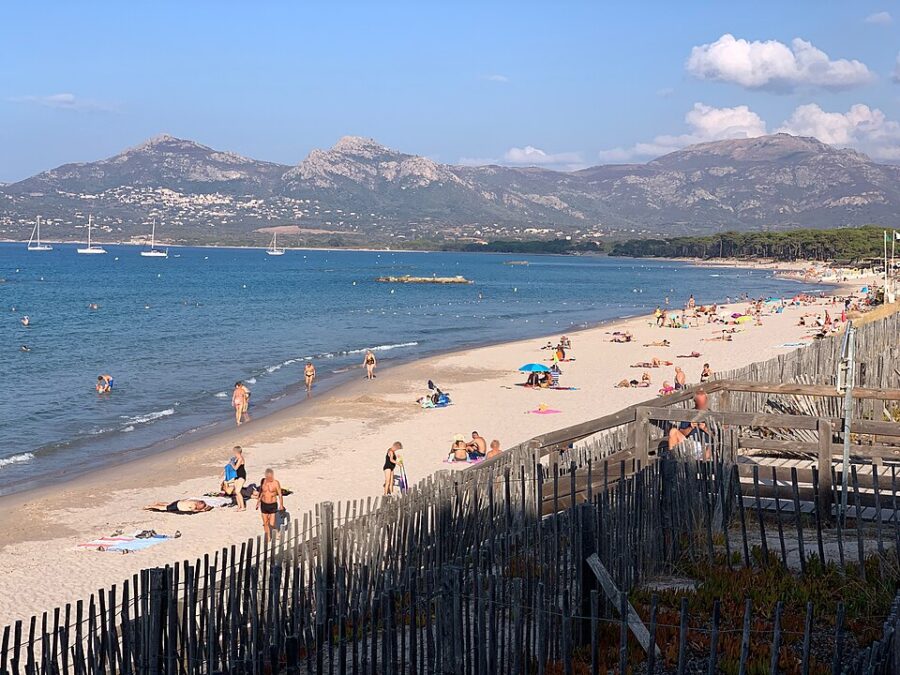
The Calvi beach stretches nearly five kilometers in a gentle arc. Sand’s soft and pale, and the shallow water stays calm—kids splash right near shore. The Calvi marina sits close to town, lined with sailboats and patios where people watch ferries glide by over espresso.
I like the quieter edges, where pines shade the sand and you can hear the masts creak. A coastal trail west leads to the Revellata peninsula—good for a walk or a swim away from crowds. Windsurfers chase the afternoon breeze, and you can rent kayaks right on the sand if you’re feeling active.
In summer, lights along the quay reflect on the water, and live music drifts from open-air bars. It’s relaxed, not overrun. You can spend hours doing almost nothing but watching the colors shift across the bay.
Notable Hotels and Dining
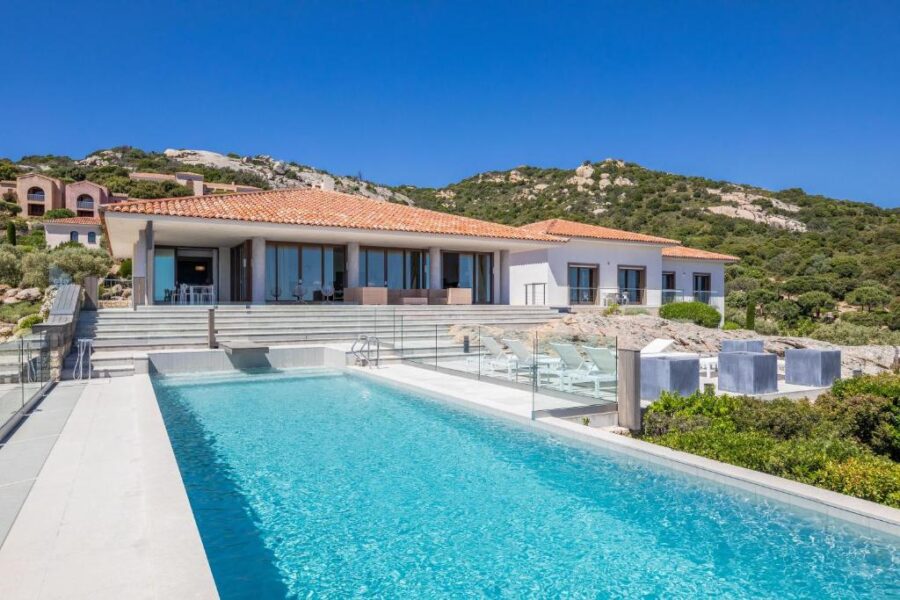
Calvi’s hotels fit its easy rhythm. La Villa Calvi sits high above, with wide bay views and standout local cooking. By the harbor, Hotel Kasano brings modern style right next to the citadel, while Hotel Onda sits near the sand—perfect for early morning swims. If you want to compare more options, check local stays on hotel listings.
Seafood leads the menus everywhere. Bistros near the port serve grilled fish, octopus salad with lemon, and chilled rosé from Balagne vineyards. In Lumio, not far away, A Casa di Ma draws diners with Michelin-starred Corsican cooking—worth the drive if you’re after something special.
Even the simplest meal stands out. Maybe it’s the light off the water, or the scent of juniper. Calvi’s food just tastes better when you take your time, looking up at those glowing ramparts.
See Related: Breathtaking Best Beaches in Europe (With Hidden Gems!) 🏖️
Corte: Mountain Adventures and Corsican Culture
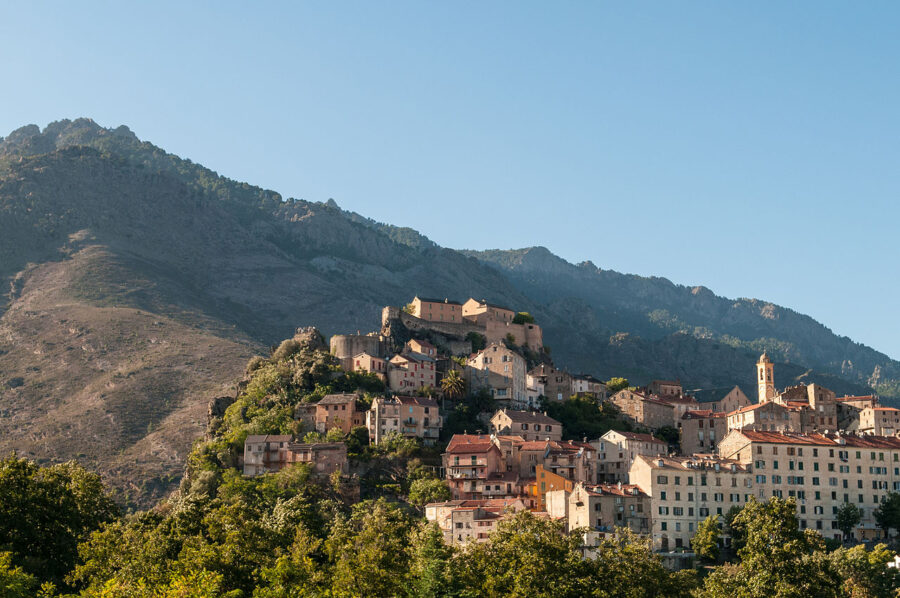
Corte sits deep in Corsica’s interior, far from the coast’s glossy resorts. This small mountain town puts you close to wild trails, clear rivers, and a sense of Corsican identity you don’t really find on the shoreline. The air smells of pine and chestnut, and life follows the shape of the valleys.
Hiking Trails and the Restonica Valley
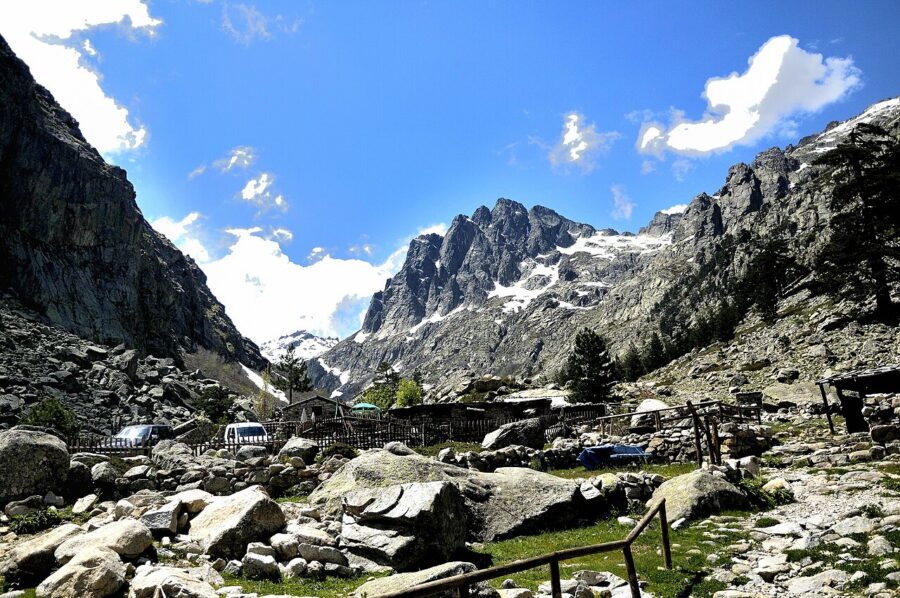
The Restonica Valley draws hikers to Corte. The Restonica Trail starts at the edge of town and heads into a world of river pools, ridges, and granite peaks. It climbs toward Lac de Melo and Lac de Capitello, two glacial lakes that shimmer under the sun. Some sections are steep, but the payoff—icy swims and quiet mountain views—is real.
In summer, a small café by the parking lot serves espresso and local tarts. Locals cool off in the river after work. For something gentler, head for the Tavignano Valley, where easy paths follow the water and cross little bridges under chestnut trees. Definitely bring sturdy shoes; even short trails get rocky.
Musee de la Corse and Historical Sites

Above town, the Citadel of Corte rises from the cliffs. Inside, the Musée de la Corse explores the island’s language, music, and mountain traditions. It’s not flashy, but it’s honest—full of small details, from shepherd tools to handmade chests.
The Arch of Corte is a short walk away, with old photos showing how the town looked when mule caravans still passed through. From the Belvedere Point Panoramique, you get one of Corsica’s best views—Corte’s rooftops below, valleys stretching into the blue. It’s especially good in the evening, when the stone glows.
Where to Stay in Corte
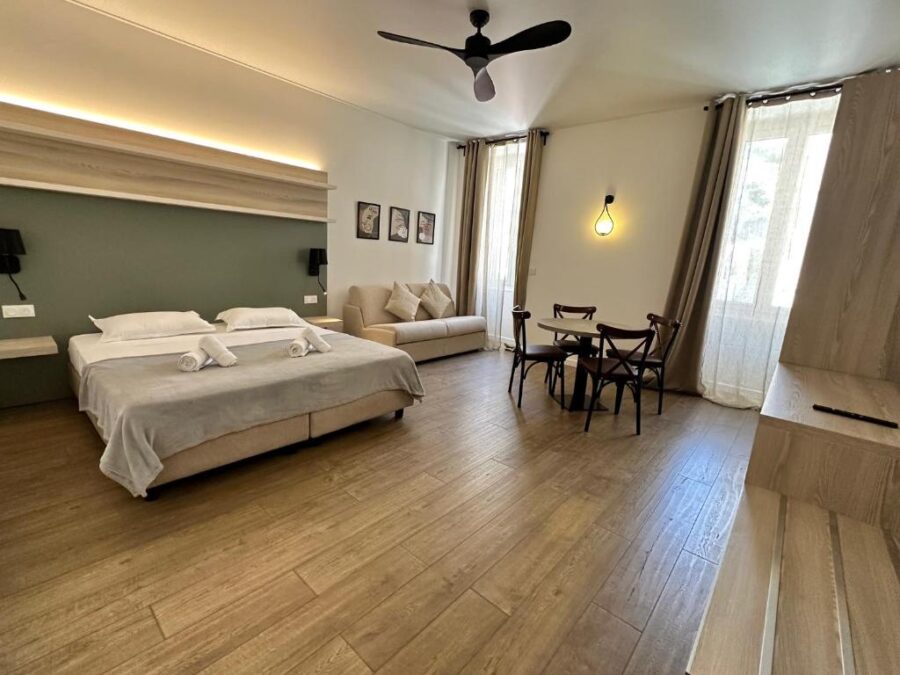
Most stays are small hotels or family guesthouses, often inside old buildings with narrow stairs and thick walls. Hôtel du Nord keeps you close to the cafés and university square in the old town. Rooms are simple and modern—quiet, too, if you close the shutters.
For more peace, Dominique Colonna sits by the Restonica River, a short drive away. After a long hike, falling asleep to the river outside beats any white noise app. It’s pricier, but surrounded by trails and swimming spots. On a budget? Hôtel Sampiero Corso near Place Paoli is no-frills but handy; you’ll hear the market from your window on Saturday mornings.
Unique Experiences and Day Trips
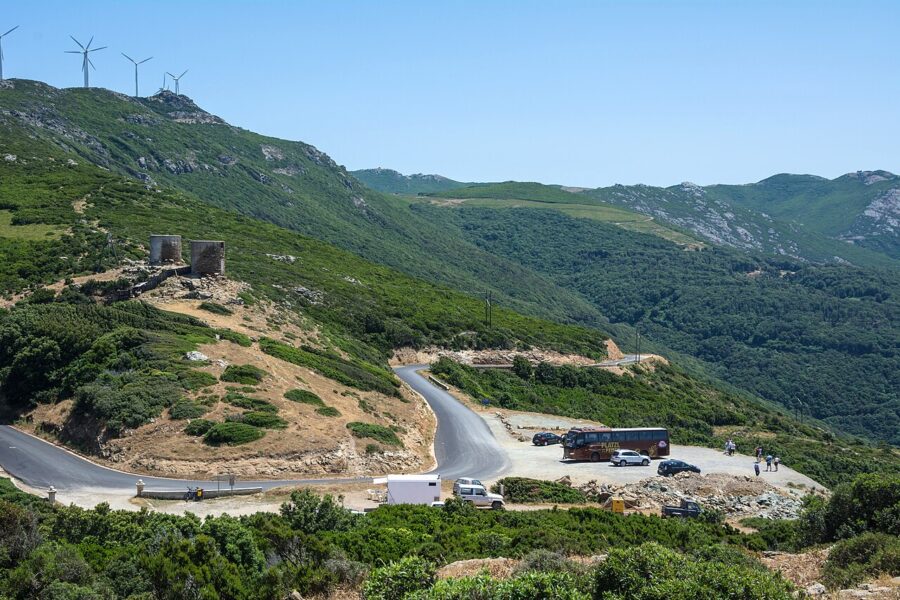
Corsica rewards curiosity. The island’s wild cliffs, quiet bays, and family-run vineyards invite you to slow down and see more than just your hotel view. One day, you’re tracing volcanic coastlines; the next, you’re sipping local rosé in a hilltop village—not a long drive between them, either.
Scandola Island and Calanques de Piana
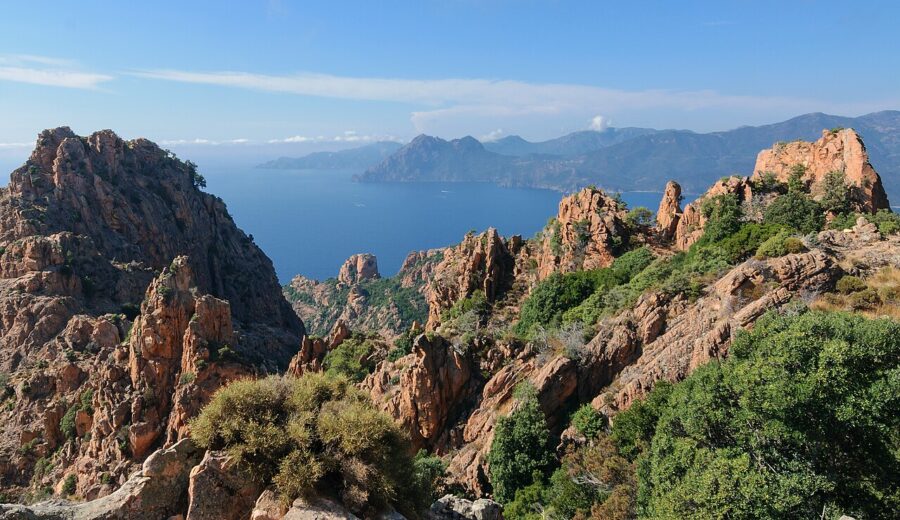
Scandola Island, a protected reserve on the west coast, feels almost prehistoric. Sharp red rock columns rise from the sea—only accessible by boat. Tours usually swing by sea caves and the Piana cliffs, which turn pink in late afternoon light.
The Calanques de Piana are worth seeing from both water and land. Short trails weave between the rock towers, manageable even for casual hikers—just watch for loose gravel. For a mix of boat and land views, check out day tours on Viator.
If you want it quieter, go early. The light cuts across the cliffs and the roads stay empty. Sometimes, pulling over for ten minutes just to watch the color shift is the best part of the trip.
Hidden Beaches and Outdoor Escapes
Corsica keeps some of its best beaches tucked behind rough tracks and forest paths. Plage de Canella and Saleccia make the shortlist for clear water and a real sense of space. You’ll spot local families picnicking—grilled sardines, hunks of cheese, kids darting after crabs on the rocks.
If you’re into hiking, trails near Monte Cinto (Corsica’s highest peak) climb steadily and open up to wild views. No need to reach the summit; even a couple hours on the trail gets you high enough to see both coasts on a good day. Want a guide or transport? Check out outdoor activities on GetYourGuide.
Honestly, keep a towel and swimsuit in your car. Coastal roads reveal hidden bays out of nowhere, and an unplanned swim often ends up as the highlight of your trip.
Exploring Corsica’s Food and Wine
Corsican food pulls straight from the island’s wild hills and sea. You’ll find wild boar stew with myrtle, chestnut flour pancakes, and goat cheeses aged in stone sheds. Pair that with Patrimonio or Sartène wine—simple, satisfying, nothing fussy.
Vineyards here are refreshingly laid-back about tastings. Around Calvi, look for small estates where the soil runs rusty red. Those wines have a subtle earthiness that sticks with you.
Markets in Bastia or Porto Vecchio are worth your morning. They’re packed with cured meats, fig jam, honey made from maquis shrubs. Honestly, skip lunch and just graze—sampling your way through feels like the best way to get Corsica’s flavor.
See Related: The Most Surreal Places in the World: Where Reality Feels Like a Dream
Frequently Asked Questions
Where you stay in Corsica really shapes your trip. Some spots are perfect for beach days, others for hiking or downtime, and a handful crank up the luxury with postcard views.
What are the top recommended areas in Corsica for first-time visitors?
For a first visit, base yourself in Calvi, Bonifacio, or Porto-Vecchio. These towns give you the island’s best mix of coast, mountain, and village.
Calvi’s walkable, with easy access to the coastal train and day trips to nearby beaches. Bonifacio stands out with its cliffs and ancient citadel—honestly, it’s stunning. Porto-Vecchio is ideal if you want good restaurants close to top beaches like Palombaggia and Santa Giulia.
Can you suggest family-friendly accommodations in Corsica?
Families usually do well in Saint-Florent and Porto-Vecchio—both have swimming spots, boat tours, and relaxed restaurants that actually welcome kids. You’ll find family suites and self-catered apartments, which make mornings a lot easier.
Near Saint-Florent, there are small residences with pools and kitchenettes—nothing fancy, but they work. Plus, you’re close to beaches with gentle water, which is great for little swimmers.
What are the romantic retreats ideal for couples in Corsica?
Bonifacio has that almost surreal romantic feel—sunsets on the cliffs, quiet lanes, seafood that’s actually worth it. Stay just outside town for more privacy. L’Île-Rousse is slower, softer—think evening walks by the sea, local rosé at dinner.
Boutique hotels in the hills above Saint-Florent are a favorite for couples who want mountain views but quick access to the coast.
Which regions in Corsica are known for their exceptional beaches?
The south takes the prize. Santa Giulia, Palombaggia, and Rondinara near Porto-Vecchio stand out for turquoise water and fine sand that actually squeaks under your feet. Up north, beaches around L’Île-Rousse are more low-key, with rocky coves breaking up the sand.
On the west—think Propriano and Porticcio—beaches are broader, windier, and feel a bit wilder. Great if you want space over crowds.
What are the best towns to stay in for experiencing Corsica’s hiking trails?
For mountain trails, base yourself in or around Corte. Right in the island’s heart, it’s surrounded by the high peaks of the Restonica Valley. Hiking here feels raw—go from forest to icy mountain lakes in just a few hours.
Evisa and Vizzavona are quieter but also solid bases. Trails here are shorter, so you get the wild terrain without committing to anything too extreme.
Where are the most luxurious 5-star hotels located in Corsica?
You’ll find Corsica’s top luxury hotels mostly in Bonifacio, Porto-Vecchio, and Calvi. Expect private pools, sea views that genuinely impress, and a style that leans more toward subtle elegance than over-the-top glamour.
In Calvi, hilltop hotels put you right above the citadel and bay—views here are hard to beat. Head south to Bonifacio or Porto-Vecchio for refined beach resorts that somehow manage to keep things peaceful, especially if you snag a room early.