
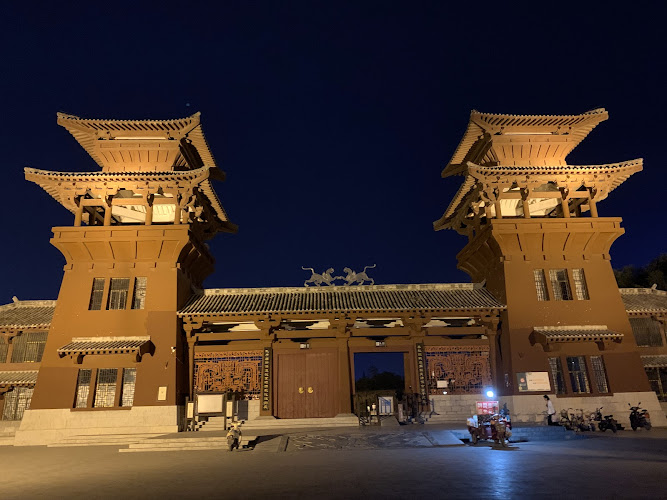
Qicheng Heritage Area
About Qicheng Heritage Area
The Qicheng Heritage Area, also known as the Qicheng Cultural Heritage Scenic Area, is the spot people in Puyang point to when they talk about roots. Not just family roots, but cultural ones too—layers of city walls and soil that keep turning up stories of older worlds. Sitting in Hualong District in Puyang, Henan province, this archaeological site is a living classroom for anyone curious about how an ancient city was planned, defended, destroyed, rebuilt, and then remembered. And it’s not jam-packed like the famous blockbuster attractions. That’s part of its charm: quiet paths, rammed-earth embankments, and the soft hush of the Yellow River plain breeze.
On a first walk-through, the layout looks simple: long earthen ridges (the remains of the ancient city wall), a moat line you can trace with your eyes, and a circuit of paths connecting gates and lookouts. But linger, and details begin to pop: tamped earth layers in the wall profile; shards of old tiles peeking from the soil after rain; and a smart, if modest, historical exhibition hall that ties everything together. Archaeologists have unearthed materials here that span multiple periods—think late Neolithic cultures in the broader Puyang area (nearby Xishuipo is the home of the famed mussel-shell “First Dragon of China”), and urban formations that matured through the Zhou, Han, and later dynasties. The walls you see are classic rammed earth, the timeless Chinese defense tech before brick became standard in Ming and Qing rebuilds.
I’ll confess a bias: I love sites like this because they’re not over-produced. The Qicheng ruins read like a draft in the margins of China’s bigger story—Central Plains civilization, city-making on the Yellow River alluvial soils, and that steady rhythm of construction and erosion that defines life here. You won’t find rowdy crowds or endless souvenir stalls. Instead, you get morning walkers, grandparents with grandkids, and the occasional school group doing a scavenger hunt for “city gate,” “moat,” “watch platform.” It’s good for kids—open, safe lines of sight, room to breathe—and there are public restrooms on site, which, let’s be honest, is the sort of practical detail that can make or break a family outing.
But let’s keep it balanced. The signage is improving, yet most panels are still primarily in Chinese. English captions appear here and there, just not everywhere you might want them. If you’re an archaeology buff, you’ll probably crave more excavation detail than you’ll find in the exhibits. Even so, the strengths add up: ample shade in summer, study-friendly quiet, and those long views across the plain that make the walls feel taller than they are. You can sense the Yellow River not far away—its silt, its history, its stubborn habit of shaping everything around it.
Context helps. Puyang brands itself as the hometown of the dragon, and that’s not mere marketing. The Xishuipo site, just across the city, yielded a 6,000+ year old dragon figure made from clam shells during the Yangshao culture period. That dragon is a strong thread connecting Puyang to Chinese civilization’s story of myth, ritual, and identity. Qicheng picks up that thread in another way: city life, governance, trade routes, and defense. The bones of a city are all here—cardinally aligned gates, wall remnants, and moats. The site may not scream its significance, but it whispers steadily, and if you give it time, it grows on you.
The park itself is clean and walkable, with a mix of open lawns and tree-lined corridors. Where the walls swell higher, you get classic photo angles of rammed earth against sky—golden hour does them huge favors. The small historical exhibition hall, while compact, anchors the story with artifacts and maps. If you’ve got a wider Puyang itinerary, it’s easy to pair Qicheng with the Puyang Museum (for broader context, including Shang and Han dynasties), Xishuipo (for Neolithic depth), or a slow amble around Pushang Park for an at-your-own-pace city day.
If you’re the sort of traveler who likes hands-on understanding, count the tamped layers in a wall cut, or follow the moat line until it disappears into later landscaping. You’ll notice how the landscape itself tells time: older layers are darker and harder, newer ones lighter. A guide once described it as “reading the earth like a book in cross-section.” That line stuck with me. And even though Qicheng isn’t massive by modern amusement-park standards, it rewards attention with plenty of small discoveries.
Key Features
- Ancient city walls: Rammed-earth fortifications showcasing traditional construction techniques that predate the brick-glory of later dynasties.
- Moat remnants: Traceable sections that reveal the defensive planning of the city site in Puyang’s Central Plains environment.
- Gate alignments: Cardinally oriented gates and platforms that echo classic Chinese urban planning principles.
- Historical exhibition hall: Compact but informative, with models, maps, and artifacts that connect the Qicheng ruins to wider Henan history.
- Shaded walking paths: Gentle, kid-friendly loops with rest benches—great for families and easy ambles.
- Photo-friendly views: Especially at sunrise and golden hour when rammed earth turns a warm, cinematic hue.
- On-site amenities: Public restrooms are available and maintained; occasional kiosks sell water and snacks during busier periods.
- Family appeal: Open spaces, simple interpretive signs, and an easy layout make it good for kids and multi-generational trips.
- Archaeological context: Close to the broader Puyang heritage corridor, including Xishuipo (Neolithic “First Dragon of China”) and museum collections in the city.
- Quiet experience: Minimal commercial clutter, making it ideal for travelers who prefer calm, reflective visits.
- Seasonal greenery: Trees and lawns soften the ruins, creating a park-like feel that’s pleasant without overshadowing the site’s character.
- Educational value: A straightforward example of how cities in Henan province adapted to the Yellow River’s rhythms over many centuries.
Best Time to Visit
Two windows stand out: April–May and late September–October. Spring gives you fresh leaves and comfortable temperatures for lingering on the walls. Autumn serves up clear skies and gentle air that make photos crisp and walking genuinely relaxing. Summer can run hot and humid on the northeastern Henan plain; if you visit then, aim for early morning or late afternoon. Winter is stark but atmospheric; you’ll likely have the paths nearly to yourself, though wind can bite.
If you like weaving culture into your timing, Puyang often leans into dragon-themed events around late spring and early summer. It’s worth checking local event calendars if you want to combine the Qicheng Heritage Area with city festivals, museum exhibitions, or acrobatic performances (Puyang is also known for acrobatics—yes, really). In any season, the soft light just after sunrise or before sunset does amazing things to the rammed earth, turning its texture into a photographer’s playground.
How to Get There
Puyang sits in northeastern Henan province on the Yellow River plain. Traveling here is straightforward with a bit of planning:
- From major hubs: Many travelers route through Zhengzhou, Anyang, or Xinxiang. From these cities, you can connect to Puyang by intercity bus or regional trains, then transfer locally to Hualong District.
- By bus: Puyang’s long-distance bus network is robust and budget-friendly. Schedules tend to be frequent during the day (mornings are most convenient).
- By car: Driving in from nearby cities is typically 2–4 hours depending on where you start and traffic. Roads are good, and signage is in Chinese with occasional English transliteration.
- In the city: Taxis and ride-hailing apps (like Didi) are plentiful and inexpensive by big-city standards. It’s easy to flag a cab or call a car to the heritage park entrance.
- By bus within Puyang: City buses reach Hualong District with stops near the heritage scenic area. If you’re comfortable with simple point-to-point rides, this is the cheapest option.
Traveler tip from experience: show drivers the name “Qicheng Cultural Heritage Scenic Area” or the Chinese name “Qicheng Wenhua Yizhi Jingqu.” Most drivers in Puyang will recognize it quickly. Getting around Puyang itself is simple—taxis are the time-saver, and local buses are the wallet-saver. If you rely on public transport, build an extra 10–15 minutes of buffer time per segment. Signage leans Chinese, so a translation app goes a long way.
Tips for Visiting
- Plan 60–90 minutes on site: If you read every panel and walk the full loop at an easy pace, 1–1.5 hours is about right. Add time if you’re mixing in photo ops and a sit-down break.
- Wear comfortable shoes: Paths are flat but can be dusty or slightly uneven near the wall bases. Sneakers or walking shoes are perfect.
- Check opening hours: Heritage parks in Henan commonly run around 8:00–18:00, but hours can shift seasonally or for maintenance. A quick check the day before keeps your plan smooth.
- Bring water and sun protection: Shade exists, though summer sun can be fierce on the open sections of the wall. A hat and sunscreen help.
- Mosquito note: Late spring through early autumn, a dab of repellent makes a noticeable difference—especially near greenery and water.
- Photography: The rammed-earth textures really shine at golden hour. If you’re sharing on social, try a low-angle shot along the wall line for a strong sense of scale.
- Respect the archaeology: Avoid walking on delicate edges or stepping into any roped-off trench areas (sometimes you’ll spot active or monitored sections).
- Language: English signage is spotty. A translation app unlocks extra learning and a more relaxed visit.
- For families: It’s good for kids—wide paths, tidy grounds, and space to roam. Pack a snack, though you’ll find basic options at busier times.
- Accessibility: Main paths are reasonably level, but some short stretches to wall viewpoints may be uneven. If mobility is a concern, aim for the central loop and exhibition hall routes.
- Combine with nearby highlights: Pair your Qicheng visit with the Puyang Museum for context, the Xishuipo site for Neolithic heritage and dragon culture, Pushang Park for a green city stroll, or historical sites in the wider Puyang area like the Tomb of Zilu if you’re building a full day.
- Weather-smart packing: Spring and autumn are the sweet spots. Summer is manageable if you go early or late; winter rewards with solitude but needs a warm layer and maybe a scarf—wind can whistle across the plain.
- Eat local: After the park, hunt down Henan favorites—huimian (stewed noodles), hulatang (peppery soup), and Yellow River carp if you like fish. Puyang’s food is hearty and comforting; prices are generally friendly.
- Transit strategy: Public transport is fine and cheap; taxis and ride-hailing are faster and still affordable. If time matters to you, default to a cab for the last leg into Hualong District.
- Mind the light: On cloudy days, textures in the earthwork walls can appear flatter; on sunny days, the relief pops. If you’re chasing photos, time your walk accordingly.
If you travel to learn, the Qicheng Cultural Heritage Scenic Area is the sort of place that sticks. Not with fireworks, but with the quiet confidence of a city site that has done its job for centuries. It shows how people here built with the earth at hand, aligned to the compass and to the river, rebuilt through the Han and into later dynasties, and kept leaving traces of themselves “within the city” for us to find. The site isn’t a blockbuster. And that’s exactly why it works: slower, more thoughtful, and (in the best sense) local. Spend an hour listening to the breeze across the ancient city walls, and you’ll feel the Central Plains story settle in—one layer at a time.
Key Features
- Archaeological site with remains from the Spring and Autumn period
- Reconstructed ceremonial architecture (Qin–Han and Tang styles)
- On-site exhibition halls displaying excavated relics
- Park-like setting used by locals for leisure and cultural activities
- Interpretive panels and guided-visit opportunities for learning
Nearby Attractions
Puyang Museum
Local historic temples and city parks in Hualong District
Regional archaeological sites and cultural heritage centers in Puyang
Tours & Activities
GetYourGuide provides this tour inventory. We may earn a commission if you book through it; verify current availability, prices, and terms with the provider.
Visitor Reviews
There are no reviews yet. Be the first one to write one.
Share Your Experience
Have you visited Qicheng Heritage Area? Help other travelers by leaving a review.