
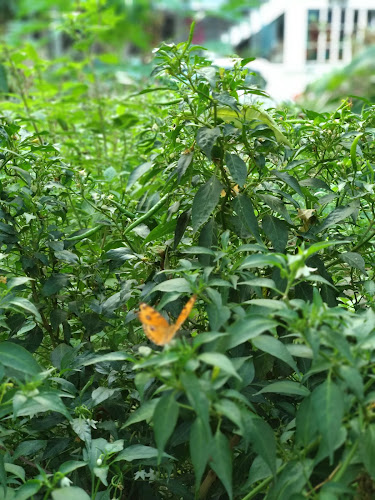
Bade Kajipur
About Bade Kajipur
Description
Bade Kajipur, tucked away in the Gorakhpur district of Uttar Pradesh, feels like one of those places where time slows down just enough for you to actually notice the world around you. The village might not pop up on the usual tourist radar, but that’s exactly what makes it worth visiting. It’s the kind of place that still holds on to its roots — the earthy scent of freshly tilled soil, the sound of temple bells echoing in the distance, and the quiet hum of daily life that hasn’t been overtaken by the chaos of modern cities.
Walking through Bade Kajipur, you’ll find a mix of old traditions and subtle modern touches. The people here are warm and curious, often inviting travelers for a cup of tea or to share stories under a neem tree. It’s not a place of grand monuments or luxury resorts — instead, it’s a slice of rural India that feels deeply authentic. The fields stretch wide, dotted with sugarcane and mustard crops, and the sunsets have that golden haze that photographers chase for hours.
There’s something humbling about being in Bade Kajipur. It reminds you that travel isn’t always about ticking off famous landmarks; sometimes it’s about experiencing a way of life that feels beautifully simple. I remember chatting with a local farmer who said, “We don’t have much, but we have peace.” And you know what? He was right. You can feel that peace in the air here.
Key Features
- Authentic Rural Experience: Travelers get a firsthand look at traditional farming practices and village life, far removed from the bustle of city tourism.
- Cultural Traditions: Local festivals and rituals are celebrated with genuine enthusiasm — small-scale but heartfelt, offering visitors a glimpse into regional customs.
- Natural Scenery: Surrounded by fertile fields and open skies, Bade Kajipur offers endless opportunities for photography and quiet reflection.
- Local Cuisine: Simple but delicious home-cooked meals, often prepared with farm-fresh ingredients — think lentils, rotis, and seasonal vegetables cooked on clay stoves.
- Community Hospitality: Visitors often mention the kindness of locals, who are eager to share stories, food, and even directions to hidden spots nearby.
- Spiritual Ambiance: Small temples and shrines around the village add a layer of calmness and devotion to the overall experience.
Best Time to Visit
The best time to visit Bade Kajipur is between October and March when the weather is pleasant and the fields are lush after the monsoon. Winter mornings are crisp, often with a light mist that makes the landscape look almost magical. Summers, on the other hand, can be quite hot and dry — not unbearable, but definitely not ideal for long outdoor walks.
If you’re the kind who loves festivals, plan your trip around local celebrations like Chhath Puja or Diwali. The entire village lights up, families gather in open courtyards, and you can really sense the community spirit. I once visited during harvest season, and watching the farmers bring in their crops with songs and laughter was honestly one of the most grounding experiences I’ve had while traveling.
How to Get There
Reaching Bade Kajipur is fairly straightforward if you’re already in Gorakhpur. The nearest major transport hub is Gorakhpur Junction Railway Station, which connects to major cities across India. From there, you can hire a taxi or take a local bus heading toward the surrounding rural areas. The drive itself is quite scenic — think narrow roads lined with banyan trees and the occasional herd of goats crossing your path.
If you’re someone who enjoys road trips, driving from Lucknow or Varanasi can be a great option too. The highways are improving, and you’ll pass through small towns that offer a glimpse into everyday Uttar Pradesh life. Just keep in mind that rural roads can be a bit bumpy, so take it slow and enjoy the ride.
Tips for Visiting
Visiting a place like Bade Kajipur is as much about attitude as it is about itinerary. Here are a few tips that might help you make the most of your experience:
- Go Slow: This isn’t a destination for rushing. Spend time walking around, talking to locals, and soaking in the rhythm of the village.
- Respect Local Customs: Dress modestly and be mindful when taking photos, especially near temples or private homes.
- Bring Cash: ATMs might be scarce, and most local shops don’t accept digital payments.
- Stay Hydrated: Carry bottled water, especially if you’re visiting during warmer months.
- Learn a Few Hindi Phrases: Even a simple “Namaste” or “Dhanyavaad” goes a long way in connecting with people here.
- Try Local Food: Don’t miss the chance to taste freshly made jaggery, lassi, or home-cooked dal-chawal. It’s simple but soul-satisfying.
- Respect Nature: Avoid littering and be conscious of the environment. The locals take pride in keeping their surroundings clean.
One thing I’ve learned from traveling through small Indian villages is that the best moments are often unplanned. Maybe you’ll stumble upon a group of children playing cricket in a dusty field, or an elderly man eager to tell you stories about how the village has changed over decades. Those are the moments that stay with you.
Bade Kajipur might not have the glamour of big tourist destinations, but what it offers is something far more valuable — authenticity. It’s a reminder of the quiet beauty that still exists in rural India, where life moves at its own pace and every smile feels genuine. If you’re looking for a place to reconnect — not just with nature, but with yourself — this little corner of Gorakhpur might just surprise you.
Key Features
- Key Features
- Best Time to Visit
- How to Get There
- Tips for Visiting
More Details
Updated November 6, 2025
Table of Contents
Description
Bade Kajipur, tucked away in the Gorakhpur district of Uttar Pradesh, feels like one of those places where time slows down just enough for you to actually notice the world around you. The village might not pop up on the usual tourist radar, but that’s exactly what makes it worth visiting. It’s the kind of place that still holds on to its roots — the earthy scent of freshly tilled soil, the sound of temple bells echoing in the distance, and the quiet hum of daily life that hasn’t been overtaken by the chaos of modern cities.
Walking through Bade Kajipur, you’ll find a mix of old traditions and subtle modern touches. The people here are warm and curious, often inviting travelers for a cup of tea or to share stories under a neem tree. It’s not a place of grand monuments or luxury resorts — instead, it’s a slice of rural India that feels deeply authentic. The fields stretch wide, dotted with sugarcane and mustard crops, and the sunsets have that golden haze that photographers chase for hours.
There’s something humbling about being in Bade Kajipur. It reminds you that travel isn’t always about ticking off famous landmarks; sometimes it’s about experiencing a way of life that feels beautifully simple. I remember chatting with a local farmer who said, “We don’t have much, but we have peace.” And you know what? He was right. You can feel that peace in the air here.
Key Features
- Authentic Rural Experience: Travelers get a firsthand look at traditional farming practices and village life, far removed from the bustle of city tourism.
- Cultural Traditions: Local festivals and rituals are celebrated with genuine enthusiasm — small-scale but heartfelt, offering visitors a glimpse into regional customs.
- Natural Scenery: Surrounded by fertile fields and open skies, Bade Kajipur offers endless opportunities for photography and quiet reflection.
- Local Cuisine: Simple but delicious home-cooked meals, often prepared with farm-fresh ingredients — think lentils, rotis, and seasonal vegetables cooked on clay stoves.
- Community Hospitality: Visitors often mention the kindness of locals, who are eager to share stories, food, and even directions to hidden spots nearby.
- Spiritual Ambiance: Small temples and shrines around the village add a layer of calmness and devotion to the overall experience.
Best Time to Visit
The best time to visit Bade Kajipur is between October and March when the weather is pleasant and the fields are lush after the monsoon. Winter mornings are crisp, often with a light mist that makes the landscape look almost magical. Summers, on the other hand, can be quite hot and dry — not unbearable, but definitely not ideal for long outdoor walks.
If you’re the kind who loves festivals, plan your trip around local celebrations like Chhath Puja or Diwali. The entire village lights up, families gather in open courtyards, and you can really sense the community spirit. I once visited during harvest season, and watching the farmers bring in their crops with songs and laughter was honestly one of the most grounding experiences I’ve had while traveling.
How to Get There
Reaching Bade Kajipur is fairly straightforward if you’re already in Gorakhpur. The nearest major transport hub is Gorakhpur Junction Railway Station, which connects to major cities across India. From there, you can hire a taxi or take a local bus heading toward the surrounding rural areas. The drive itself is quite scenic — think narrow roads lined with banyan trees and the occasional herd of goats crossing your path.
If you’re someone who enjoys road trips, driving from Lucknow or Varanasi can be a great option too. The highways are improving, and you’ll pass through small towns that offer a glimpse into everyday Uttar Pradesh life. Just keep in mind that rural roads can be a bit bumpy, so take it slow and enjoy the ride.
Tips for Visiting
Visiting a place like Bade Kajipur is as much about attitude as it is about itinerary. Here are a few tips that might help you make the most of your experience:
- Go Slow: This isn’t a destination for rushing. Spend time walking around, talking to locals, and soaking in the rhythm of the village.
- Respect Local Customs: Dress modestly and be mindful when taking photos, especially near temples or private homes.
- Bring Cash: ATMs might be scarce, and most local shops don’t accept digital payments.
- Stay Hydrated: Carry bottled water, especially if you’re visiting during warmer months.
- Learn a Few Hindi Phrases: Even a simple “Namaste” or “Dhanyavaad” goes a long way in connecting with people here.
- Try Local Food: Don’t miss the chance to taste freshly made jaggery, lassi, or home-cooked dal-chawal. It’s simple but soul-satisfying.
- Respect Nature: Avoid littering and be conscious of the environment. The locals take pride in keeping their surroundings clean.
One thing I’ve learned from traveling through small Indian villages is that the best moments are often unplanned. Maybe you’ll stumble upon a group of children playing cricket in a dusty field, or an elderly man eager to tell you stories about how the village has changed over decades. Those are the moments that stay with you.
Bade Kajipur might not have the glamour of big tourist destinations, but what it offers is something far more valuable — authenticity. It’s a reminder of the quiet beauty that still exists in rural India, where life moves at its own pace and every smile feels genuine. If you’re looking for a place to reconnect — not just with nature, but with yourself — this little corner of Gorakhpur might just surprise you.
Key Highlights
- Key Features
- Best Time to Visit
- How to Get There
- Tips for Visiting
Location
Places to Stay Near Bade Kajipur
Find and Book a Tour
Explore More Travel Guides
No reviews found! Be the first to review!
Traveler Reviews for Bade Kajipur
There are no reviews yet. Be the first one to write one.
Have you visited Bade Kajipur? Help other travelers by sharing your review.
You Might Also Like
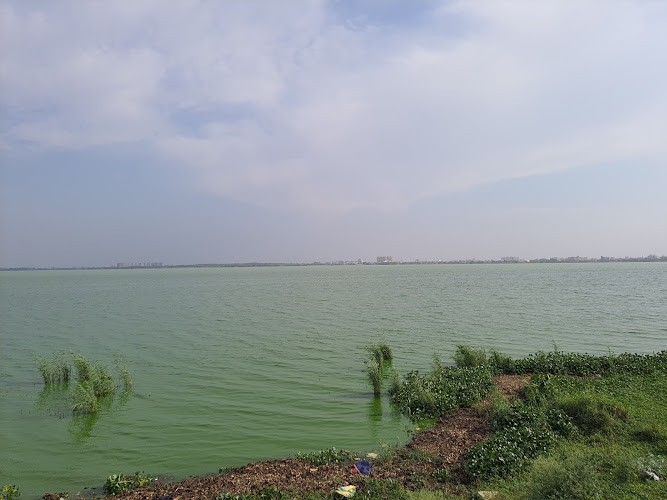
Ramgarh Taal
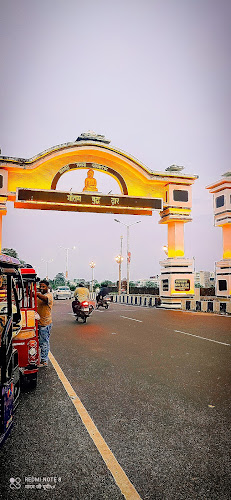
Nauka Vihar Rd
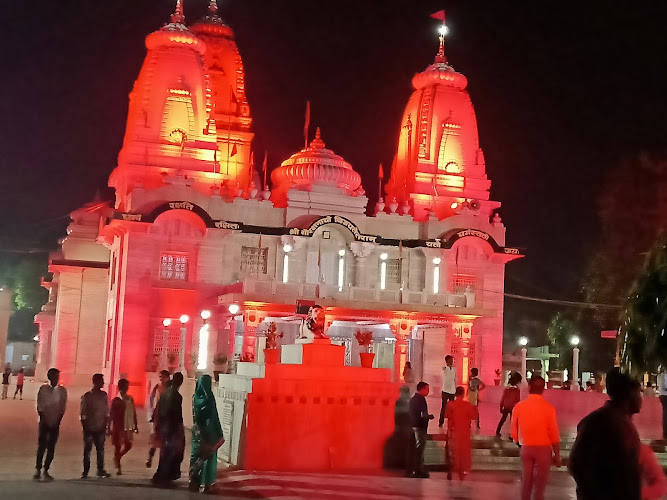
Rail Vihar Colony Phase 3rd
Find Accommodations Nearby
Recommended Tours & Activities
Visitor Reviews
There are no reviews yet. Be the first one to write one.
Share Your Experience
Have you visited Bade Kajipur? Help other travelers by leaving a review.