
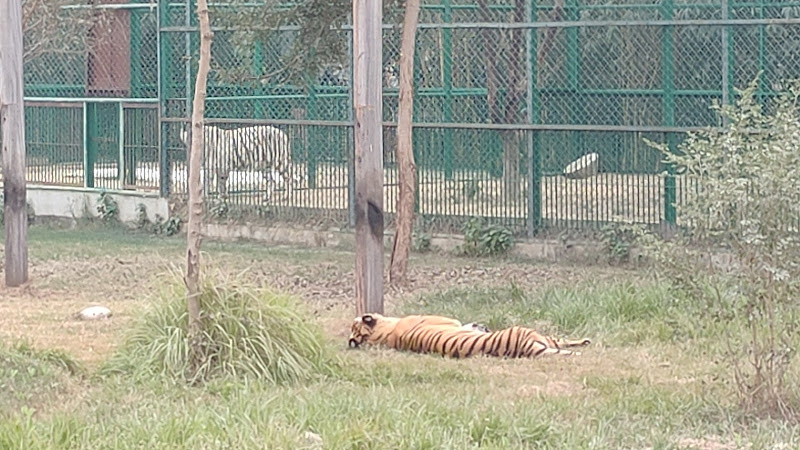
Wetland of Gorakhpur Zoo
About Wetland of Gorakhpur Zoo
Description
The Wetland of Gorakhpur Zoo is one of those rare places that makes you pause and simply breathe. Imagine a patch of tranquil water shimmering under the Uttar Pradesh sun, surrounded by thick woodland and the chatter of birds that seem to have stories of their own. It’s part of the Shaheed Ashfaq Ullah Khan Zoological Park, but this wetland feels like a world apart—quiet, natural, and surprisingly alive. The area covers roughly 34 acres within the zoo’s 121-acre expanse, forming a vital ecosystem where migratory birds from distant lands find refuge each year.
Now, I’ve been to a fair number of wetlands across India, but there’s something oddly personal about this one. Maybe it’s the way the air smells faintly of earth and water, or how kids run around feeding ducks while their parents sip tea under the shade of tall trees. It’s not manicured like some urban parks—it’s a bit wild, a little muddy, and that’s what makes it beautiful. You can almost feel nature breathing here.
The wetland plays a crucial role in maintaining the zoo’s ecological balance. It’s not just a pretty pond—it’s a living classroom for conservation. The water attracts herons, egrets, kingfishers, and even the occasional stork, while the surrounding woodland hums with life. Photographers and bird watchers often gather here early in the morning, lenses ready, hoping to catch that perfect shot of a bird taking flight across the misty water. And honestly, even if you’re not into birding, the serenity of this place has a way of slowing you down.
What’s nice is that the wetland area is thoughtfully developed without losing its natural charm. There are walking paths, picnic spots, and even playgrounds nearby for families. Accessibility is also well-considered—wheelchair-friendly paths, restrooms, and parking make it inclusive for everyone. Sure, it’s not flawless—some visitors might wish for better maintenance in certain corners—but overall, it’s a refreshing escape from the city’s noise.
Key Features
- Sprawling wetland covering approximately 34 acres within the zoo’s 121-acre area.
- Home to numerous migratory and resident bird species, making it a top bird-watching spot in eastern Uttar Pradesh.
- Surrounded by about 30 acres of woodland, creating a balanced ecosystem of water and forest.
- Wheelchair-accessible pathways and facilities for visitors with mobility needs.
- Kid-friendly environment with playgrounds, slides, swings, and picnic tables.
- Pet-friendly zones including a designated dog park area.
- Available amenities like barbecue grills, public restrooms, and shaded seating areas.
- Perfect for light hiking, nature walks, and outdoor family activities.
- Supports NFC mobile payments for convenience within the zoo premises.
- Educational value—helps visitors understand wetland conservation and its impact on biodiversity.
Best Time to Visit
If you’re planning a trip, the best time to visit the Wetland of Gorakhpur Zoo is between November and February. That’s when the migratory birds from Central Asia and Siberia arrive, turning the wetland into a colorful theater of wings and calls. Early mornings are magical—the mist hangs low, the light is soft, and the air feels crisp. You’ll often spot photographers crouched near the reeds, whispering excitedly as they catch sight of a rare visitor.
Summer visits can be a bit warm, but if you go early or late in the day, it’s still pleasant. The monsoon months, though, bring their own charm. The water levels rise, the vegetation turns vivid green, and frogs and dragonflies take over the scene. It’s a different kind of beauty—less about birds, more about the rhythm of rain and life.
How to Get There
Reaching the wetland is quite straightforward. The zoo itself sits along the Gorakhpur-Deoria bypass road, roughly a 15-20 minute drive from the city center. Local auto-rickshaws, cabs, and even e-rickshaws are available easily. If you’re coming from outside Gorakhpur, the railway station and the airport are both within short driving distance.
Once you enter the zoological park, signs will guide you toward the wetland area. It’s a short, scenic walk from the main gate, and you’ll likely hear the sound of birds before you even see the water. There’s proper parking available, and the paths are well-marked, so you won’t get lost even if you wander a bit. And honestly, wandering here isn’t such a bad idea.
Tips for Visiting
Here’s the thing—this isn’t a place you rush through. It’s meant to be experienced slowly. So bring your binoculars, a camera if you have one, and definitely a bottle of water. The wetland trails are easy to walk, but wear comfortable shoes because you’ll want to explore.
- Arrive early: The birds are most active in the morning. You’ll also beat the crowds and catch the best light for photography.
- Respect the wildlife: Avoid loud noises or feeding the birds. It’s tempting, but it disrupts their natural behavior.
- Bring snacks for yourself: There are picnic tables and shaded areas where you can relax, but keep the place clean—carry your trash back out.
- Check the weather: During monsoon season, some paths can get slippery. A pair of sturdy shoes goes a long way.
- Use the amenities: The zoo provides restrooms, playgrounds, and even barbecue areas—perfect if you’re visiting with family.
- Stay a little longer: Many visitors rush through, but if you linger, you’ll notice the subtle changes in light, sound, and movement that make this wetland special.
And one personal tip—if you’re into mindfulness or photography, this place is gold. I once spent nearly an hour just watching a pair of purple herons build a nest, and it was oddly grounding. There’s something about being surrounded by water, trees, and birds that resets your mind. You’ll leave calmer than when you arrived.
The Wetland of Gorakhpur Zoo isn’t just another tourist stop—it’s a gentle reminder of how nature thrives when given space. Whether you’re a traveler, a birder, or just someone looking for a peaceful afternoon, this wetland has a quiet magic that stays with you long after you’ve left.
Key Features
- Sprawling wetland covering approximately 34 acres within the zoo’s 121-acre area.
- Home to numerous migratory and resident bird species, making it a top bird-watching spot in eastern Uttar Pradesh.
- Surrounded by about 30 acres of woodland, creating a balanced ecosystem of water and forest.
- Wheelchair-accessible pathways and facilities for visitors with mobility needs.
- Kid-friendly environment with playgrounds, slides, swings, and picnic tables.
- Pet-friendly zones including a designated dog park area.
- Available amenities like barbecue grills, public restrooms, and shaded seating areas.
- Perfect for light hiking, nature walks, and outdoor family activities.
More Details
Updated November 7, 2025
Table of Contents
Description
The Wetland of Gorakhpur Zoo is one of those rare places that makes you pause and simply breathe. Imagine a patch of tranquil water shimmering under the Uttar Pradesh sun, surrounded by thick woodland and the chatter of birds that seem to have stories of their own. It’s part of the Shaheed Ashfaq Ullah Khan Zoological Park, but this wetland feels like a world apart—quiet, natural, and surprisingly alive. The area covers roughly 34 acres within the zoo’s 121-acre expanse, forming a vital ecosystem where migratory birds from distant lands find refuge each year.
Now, I’ve been to a fair number of wetlands across India, but there’s something oddly personal about this one. Maybe it’s the way the air smells faintly of earth and water, or how kids run around feeding ducks while their parents sip tea under the shade of tall trees. It’s not manicured like some urban parks—it’s a bit wild, a little muddy, and that’s what makes it beautiful. You can almost feel nature breathing here.
The wetland plays a crucial role in maintaining the zoo’s ecological balance. It’s not just a pretty pond—it’s a living classroom for conservation. The water attracts herons, egrets, kingfishers, and even the occasional stork, while the surrounding woodland hums with life. Photographers and bird watchers often gather here early in the morning, lenses ready, hoping to catch that perfect shot of a bird taking flight across the misty water. And honestly, even if you’re not into birding, the serenity of this place has a way of slowing you down.
What’s nice is that the wetland area is thoughtfully developed without losing its natural charm. There are walking paths, picnic spots, and even playgrounds nearby for families. Accessibility is also well-considered—wheelchair-friendly paths, restrooms, and parking make it inclusive for everyone. Sure, it’s not flawless—some visitors might wish for better maintenance in certain corners—but overall, it’s a refreshing escape from the city’s noise.
Key Features
- Sprawling wetland covering approximately 34 acres within the zoo’s 121-acre area.
- Home to numerous migratory and resident bird species, making it a top bird-watching spot in eastern Uttar Pradesh.
- Surrounded by about 30 acres of woodland, creating a balanced ecosystem of water and forest.
- Wheelchair-accessible pathways and facilities for visitors with mobility needs.
- Kid-friendly environment with playgrounds, slides, swings, and picnic tables.
- Pet-friendly zones including a designated dog park area.
- Available amenities like barbecue grills, public restrooms, and shaded seating areas.
- Perfect for light hiking, nature walks, and outdoor family activities.
- Supports NFC mobile payments for convenience within the zoo premises.
- Educational value—helps visitors understand wetland conservation and its impact on biodiversity.
Best Time to Visit
If you’re planning a trip, the best time to visit the Wetland of Gorakhpur Zoo is between November and February. That’s when the migratory birds from Central Asia and Siberia arrive, turning the wetland into a colorful theater of wings and calls. Early mornings are magical—the mist hangs low, the light is soft, and the air feels crisp. You’ll often spot photographers crouched near the reeds, whispering excitedly as they catch sight of a rare visitor.
Summer visits can be a bit warm, but if you go early or late in the day, it’s still pleasant. The monsoon months, though, bring their own charm. The water levels rise, the vegetation turns vivid green, and frogs and dragonflies take over the scene. It’s a different kind of beauty—less about birds, more about the rhythm of rain and life.
How to Get There
Reaching the wetland is quite straightforward. The zoo itself sits along the Gorakhpur-Deoria bypass road, roughly a 15-20 minute drive from the city center. Local auto-rickshaws, cabs, and even e-rickshaws are available easily. If you’re coming from outside Gorakhpur, the railway station and the airport are both within short driving distance.
Once you enter the zoological park, signs will guide you toward the wetland area. It’s a short, scenic walk from the main gate, and you’ll likely hear the sound of birds before you even see the water. There’s proper parking available, and the paths are well-marked, so you won’t get lost even if you wander a bit. And honestly, wandering here isn’t such a bad idea.
Tips for Visiting
Here’s the thing—this isn’t a place you rush through. It’s meant to be experienced slowly. So bring your binoculars, a camera if you have one, and definitely a bottle of water. The wetland trails are easy to walk, but wear comfortable shoes because you’ll want to explore.
- Arrive early: The birds are most active in the morning. You’ll also beat the crowds and catch the best light for photography.
- Respect the wildlife: Avoid loud noises or feeding the birds. It’s tempting, but it disrupts their natural behavior.
- Bring snacks for yourself: There are picnic tables and shaded areas where you can relax, but keep the place clean—carry your trash back out.
- Check the weather: During monsoon season, some paths can get slippery. A pair of sturdy shoes goes a long way.
- Use the amenities: The zoo provides restrooms, playgrounds, and even barbecue areas—perfect if you’re visiting with family.
- Stay a little longer: Many visitors rush through, but if you linger, you’ll notice the subtle changes in light, sound, and movement that make this wetland special.
And one personal tip—if you’re into mindfulness or photography, this place is gold. I once spent nearly an hour just watching a pair of purple herons build a nest, and it was oddly grounding. There’s something about being surrounded by water, trees, and birds that resets your mind. You’ll leave calmer than when you arrived.
The Wetland of Gorakhpur Zoo isn’t just another tourist stop—it’s a gentle reminder of how nature thrives when given space. Whether you’re a traveler, a birder, or just someone looking for a peaceful afternoon, this wetland has a quiet magic that stays with you long after you’ve left.
Key Highlights
- Sprawling wetland covering approximately 34 acres within the zoo’s 121-acre area.
- Home to numerous migratory and resident bird species, making it a top bird-watching spot in eastern Uttar Pradesh.
- Surrounded by about 30 acres of woodland, creating a balanced ecosystem of water and forest.
- Wheelchair-accessible pathways and facilities for visitors with mobility needs.
- Kid-friendly environment with playgrounds, slides, swings, and picnic tables.
- Pet-friendly zones including a designated dog park area.
- Available amenities like barbecue grills, public restrooms, and shaded seating areas.
- Perfect for light hiking, nature walks, and outdoor family activities.
Location
Places to Stay Near Wetland of Gorakhpur Zoo
Find and Book a Tour
Explore More Travel Guides
No reviews found! Be the first to review!
Traveler Reviews for Wetland of Gorakhpur Zoo
There are no reviews yet. Be the first one to write one.
Have you visited Wetland of Gorakhpur Zoo? Help other travelers by sharing your review.
You Might Also Like

Shri Sankat Mochan Hanuman Mandir, Sanidev
Ramjanki Nagar
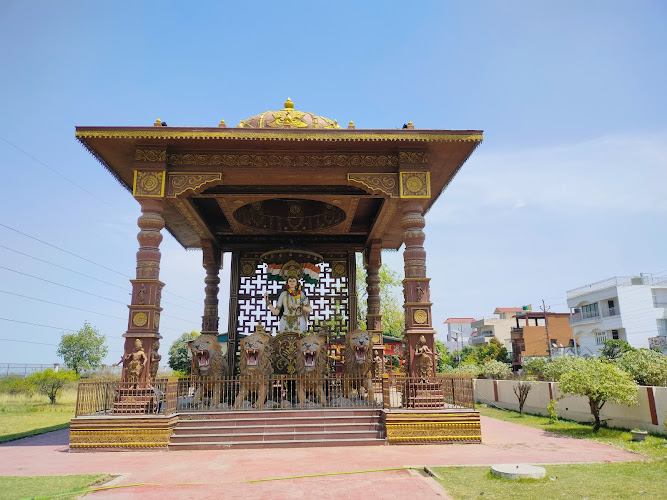
Bahubali Park
Find Accommodations Nearby
Recommended Tours & Activities
Visitor Reviews
There are no reviews yet. Be the first one to write one.
Share Your Experience
Have you visited Wetland of Gorakhpur Zoo? Help other travelers by leaving a review.