Bohol vs Catanduanes: Which Philippine Island Wins for You?
Updated September 19, 2025
Trying to pick between Bohol and Catanduanes? Yeah, it’s not just a matter of choosing one beach over another—it’s about what kind of adventure you’re after.
If you want iconic sights, easy travel, and all the tourist comforts you could ask for, Bohol’s got your back. But if you’re chasing wild landscapes, smaller crowds, and that deliciously off-the-grid feeling, Catanduanes is where you’ll want to land.
I’ve wandered both, and honestly, they couldn’t feel more different. In Bohol, you get the famous Chocolate Hills, those bug-eyed tarsiers, and Panglao’s buzzing beach nightlife.
Catanduanes? You swap all that for sweeping hills, secret surf spots, and quiet shores where you might be the only soul for miles. So, really, it’s not about which one’s “better”—it’s about which one matches your travel mood.
Key Takeaways
- Bohol’s packed with classic sights and super easy to get around
- Catanduanes is all about wild scenery and way fewer tourists
- Are you more into comfort, or do you crave a little adventure?
Table of Contents
- Bohol vs Catanduanes: Quick Comparison
- Location and Accessibility
- Atmosphere and Vibe
- Best Time to Visit
- Natural Wonders and Iconic Attractions
- Chocolate Hills vs Binurong Point
- Philippine Tarsier Sanctuary vs Puraran Beach
- Unique Landscapes and Scenery
- How to Get There: Travel Logistics
- Flights and Airlines
- Ferry and Port Connections
- Traveling from Cebu and Manila
- Getting Around Each Island
- Transportation Options in Bohol
- How to Get Around Catanduanes
- Top Beaches and Coastal Experiences
- Bohol’s Best Beaches
- Catanduanes’ Hidden Shores
- Where to Stay: Accommodation Guide
- Recommended Stays in Bohol
- Best Hotels and Inns in Catanduanes
- Unique Experiences and Nearby Destinations
- Adventure Activities and Local Culture
- Day Trips to Siquijor and Palawan
- Frequently Asked Questions
- What are the top attractions to visit in Bohol compared to Catanduanes?
- How do the weather and climate differ between Bohol and Catanduanes throughout the year?
- Can you outline the differences in cultural experiences available in Bohol versus Catanduanes?
- What unique culinary delights should travelers expect in Bohol and Catanduanes?
- What are the transportation options for reaching Bohol and Catanduanes from major cities in the Philippines?
- How do accommodation options vary between Bohol and Catanduanes for different types of travelers?
- Book Your Dream Experience
- More Travel Guides
Bohol vs Catanduanes: Quick Comparison
Bohol and Catanduanes both move at a slower pace than the country’s major tourist hotspots. One mixes up history and natural wonders; the other just goes all-in on raw, untouched beauty that feels miles away from the usual.
Location and Accessibility
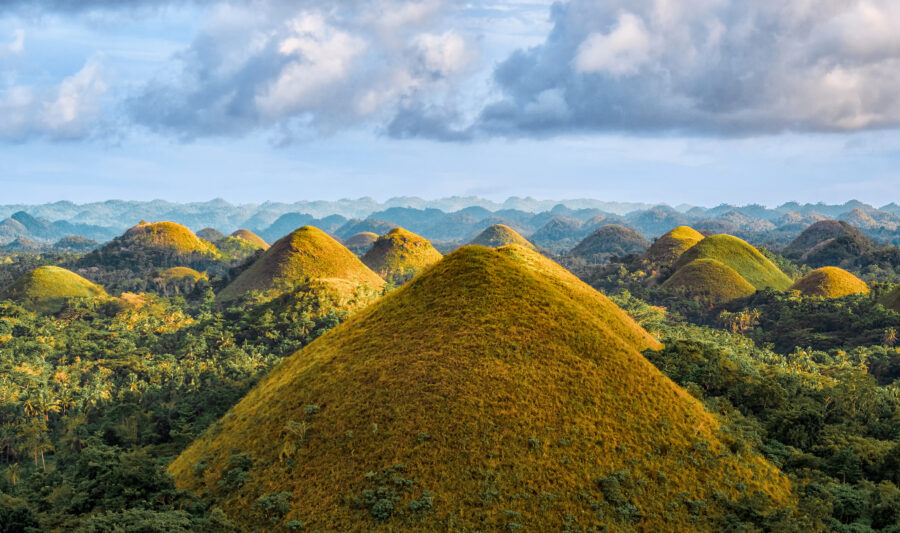
Bohol sits right in the Central Visayas, smack dab in the middle of the country. You can fly straight into Panglao International Airport from Manila or Cebu, which is honestly a breeze. Regular ferries from Cebu City take about two hours—so if you’re already exploring the Visayas, you’ve got options.
Catanduanes, known as the Happy Island, hangs off Luzon’s eastern coast. It’s a little trickier to reach.
You can fly from Manila to Virac, or hop a bus to Tabaco in Albay and then catch a ferry. That second route? It’ll eat up your whole day, so don’t try it if you’re short on time.
This difference in how you get there really shapes who visits. Bohol’s set up for folks who want things easy. Catanduanes? It tends to attract travelers who don’t mind working a little harder for that peaceful, uncrowded vibe.
Atmosphere and Vibe
Bohol’s got a mix going on: some spots are totally tourist-ready, while others feel like you’ve stepped into the countryside. Panglao Island is where you’ll find resorts, dive shops, and the nightlife crowd.
Head inland, and suddenly it’s rice fields, the Chocolate Hills, and quiet tarsier sanctuaries. It’s kind of the best of both worlds.
Catanduanes feels wilder, less touched by the tourism wave. Beaches like Puraran are wide open, famous for surfing, not sunbathing. Instead of beach chairs and souvenir stands, you’ll see fishing villages, coconut trees, and mountain views that look almost untouched.
If you want easy tour bookings and familiar comforts, Bohol’s your place. But if you’re willing to trade convenience for solitude and wild scenery, Catanduanes is hard to beat.
Best Time to Visit
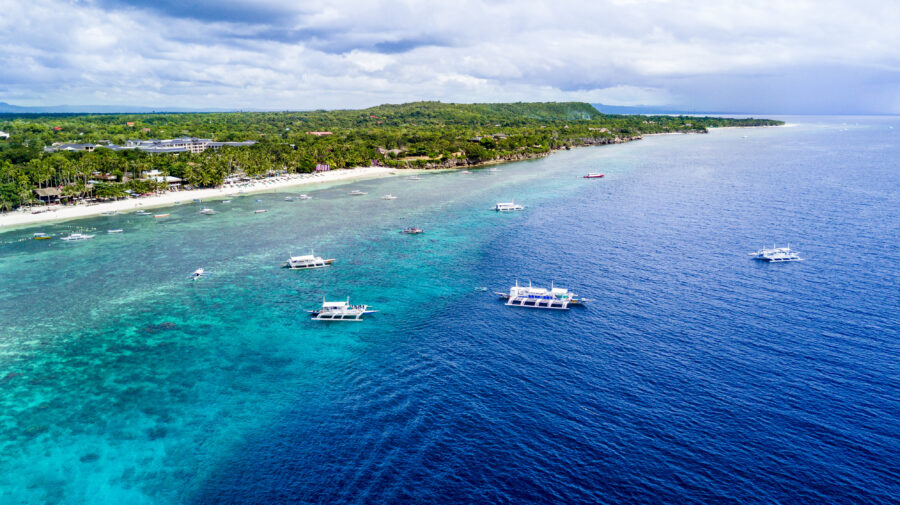
Bohol shines from November to May, when it’s dry and the seas are calm. Ferries run more reliably, and diving is at its best. It gets hot in summer, but honestly, that’s when the beaches are at their prettiest.
Catanduanes runs on its own schedule. Facing the Pacific, it gets more rain and the odd typhoon.
March to June is usually your sweet spot—clear skies, good surf, not too crazy. If you’re eyeing Puraran for surfing, August to October brings the big waves, but it’s also typhoon season, so you’ll need to keep an eye on the weather.
Bohol’s dry season is more predictable, but Catanduanes rewards anyone willing to dance around the forecast for that quieter, more unique experience.
Natural Wonders and Iconic Attractions
Bohol and Catanduanes both bring something special to the table, shaped by their land and culture. You’ll see rolling hills, rare wildlife, and coastlines that’ll have you staring out to sea for way longer than you planned.
Chocolate Hills vs Binurong Point
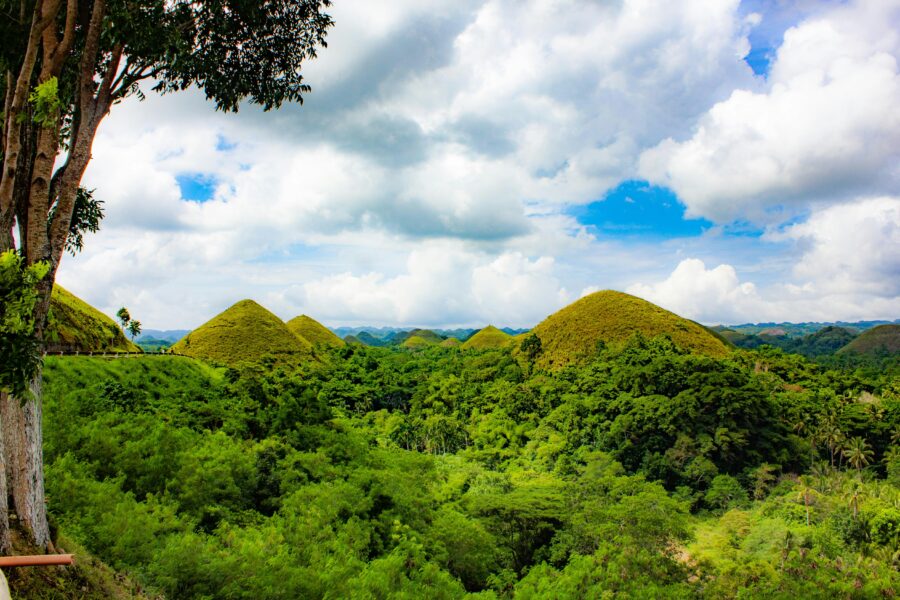
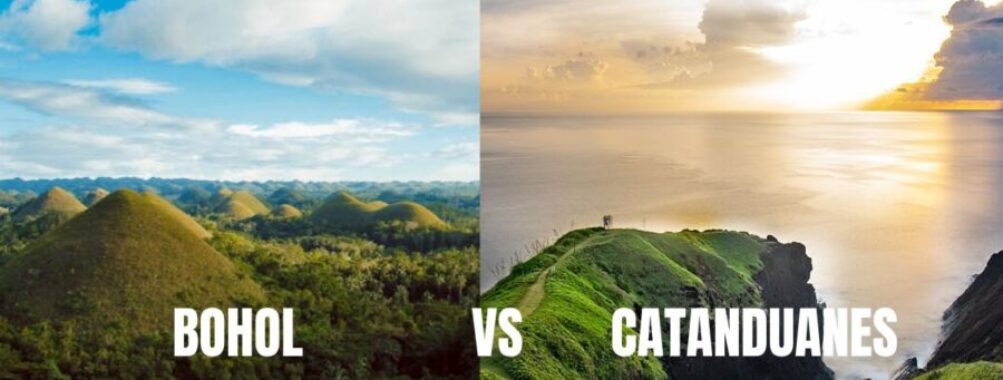
Bohol’s Chocolate Hills are iconic—over 1,200 grassy mounds that turn brown in the dry season, giving them that “chocolate” look. The best views? Head to the Chocolate Hills Complex in Carmen or Sagbayan Peak. Watching the hills roll out forever is one of those “wow, I’m really here” moments.
Catanduanes’ Binurong Point is a different beast. It’s a cliffside spot with wild green meadows dropping straight into the Pacific.
When I stood there, the wind and crashing waves made it feel like I’d stumbled onto a secret. The hills in Bohol are neat and symmetrical, but Binurong’s beauty is all about that rugged, untamed vibe.
| Feature | Chocolate Hills (Bohol) | Binurong Point (Catanduanes) |
|---|---|---|
| Main Appeal | Symmetrical grassy hills | Cliffside meadows and ocean views |
| Best Time | Dry season for brown hills | Sunrise for dramatic light |
| Accessibility | Well-developed viewing decks | Short hike required |
Philippine Tarsier Sanctuary vs Puraran Beach
Bohol’s Philippine Tarsier Sanctuary lets you see one of the world’s tiniest primates. These little guys, with their giant eyes, just cling to branches in quiet forest enclosures.
The sanctuary keeps things low-key—no crowding, just peaceful wildlife watching. If you’re into animals, it’s a real treat.
Catanduanes grabs your attention with Puraran Beach, home to the famous “Majestic” waves. Surfers from everywhere come between July and October for the big swells.
Not a surfer? The beach is still wide, sandy, and usually pretty empty. I once spent an afternoon here with just a few locals fishing nearby—kind of magical, honestly. Both spots show off what makes each island tick—Bohol is about gentle, up-close nature, while Catanduanes is all wild energy and adventure.
Unique Landscapes and Scenery
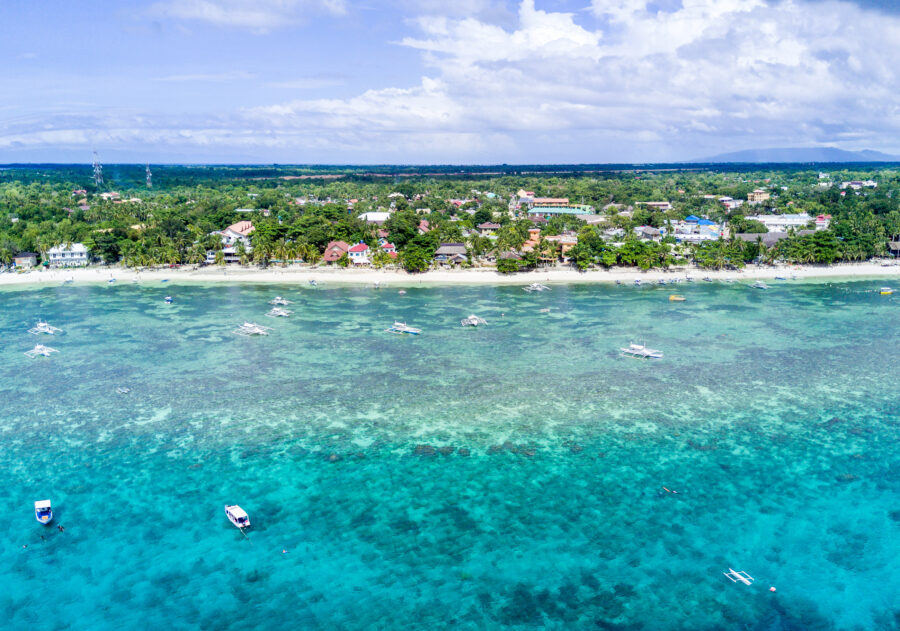
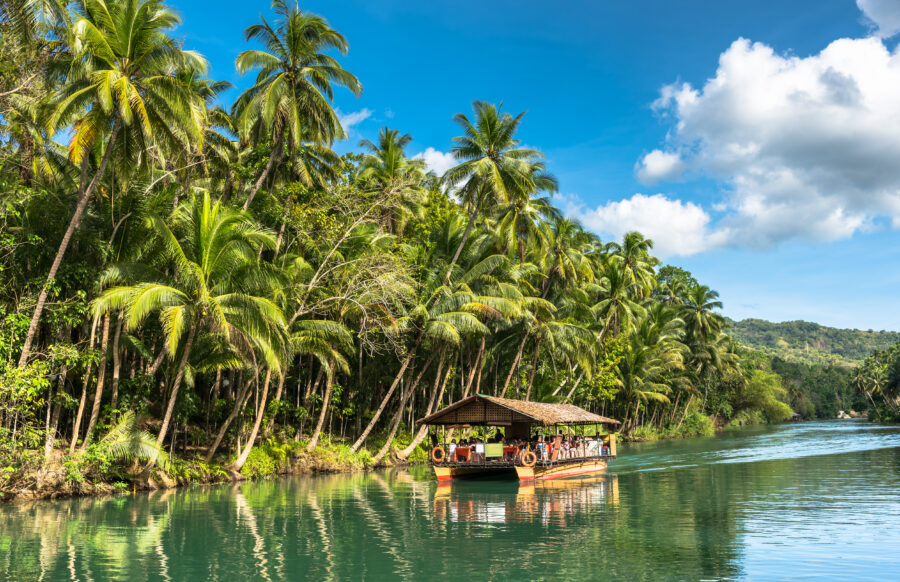
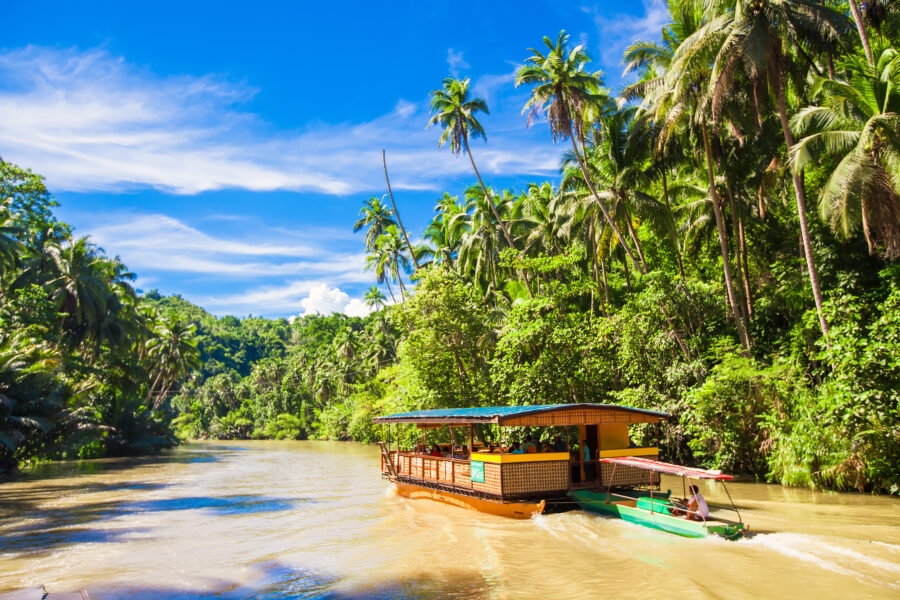
Bohol is a patchwork of countryside and coast. You can cruise down the Loboc River, wander rice terraces, or kick back on Panglao’s white beaches. The island packs a lot into a small space—jungle one minute, sea the next.
Catanduanes feels more remote. Its coastlines are all cliffs, hidden coves, and epic viewpoints like Balacay Point, where the Pacific just goes on forever. The roads can be rough, but that’s half the fun—sometimes you end up at a lookout with no one else in sight.
If you prefer polished attractions and easy access, Bohol’s probably your match. But if you want big, open spaces and secret-feeling landscapes, Catanduanes takes the win.
Want more? Check out Bohol’s Wildlife and Natural Wonders or dive into Catanduanes tourist attractions.
See Related: Philippines Trip Cost: 7 Days of Paradise for Under $1000
How to Get There: Travel Logistics
Getting to Bohol or Catanduanes takes a bit of planning—they’re both off the main Luzon and Visayas routes. Expect a mix of flights, ferries, and the occasional travel surprise (always an adventure, right?).
Flights and Airlines

You’ll probably land in Bohol at Panglao International Airport. Daily flights run from Manila and Cebu, mostly with Cebu Pacific and Philippine Airlines.
It’s barely over an hour in the air. I usually poke around Skyscanner for deals—being flexible with dates can save you a ton.
Catanduanes is a bit more complicated. Virac is the main airport, but flights are limited and fill up fast, especially during holidays. Book early if you can.
If you’re already in Bicol, you might skip the plane and go by land and ferry via Legazpi. Sometimes, that’s cheaper and lets you see a bit more of the region.
Ferry and Port Connections
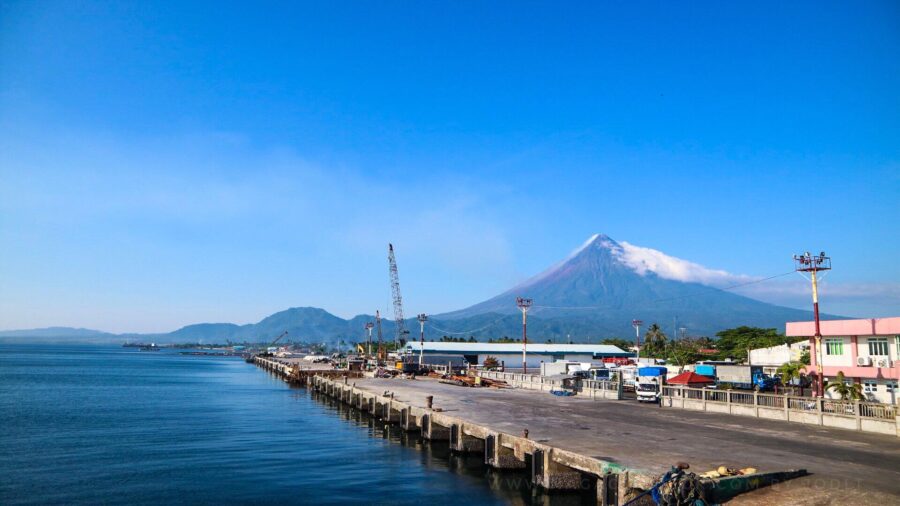
Bohol’s ferries are reliable—especially from Cebu. Fast boats like OceanJet and SuperCat run several times a day, and the trip takes about two hours. If you get seasick, trust me, grab a seat near the middle.
Catanduanes depends more on ferries. The main jump-off is Tabaco Port in Albay, with boats crossing to Virac or San Andres in three to four hours. Weather can mess with schedules, so double-check before you go.
Ferries to Catanduanes don’t run as often, and I once missed the morning boat and found myself hanging out in Tabaco for hours. Plan your timing—it’s worth it. Here’s a handy link for travel planning.
Traveling from Cebu and Manila
Getting to Bohol from Cebu? Easy. Ferries leave almost every hour, and flights are short and cheap. Some tickets even bundle in transfers straight to Panglao’s resorts.
From Manila, Catanduanes usually means a direct flight to Virac. If that’s full, fly to Legazpi and take a bus or van to Tabaco Port, then ferry over. It takes most of a day, but hey, you get a glimpse of Mayon Volcano on the way.
If you’re hunting for the best deals out of Manila, check cheap flights ahead of time. Catanduanes flights can double in price at the last minute. Bohol’s got more flights, so you’ve got a bit more wiggle room.
Getting Around Each Island
On Bohol, you’ll notice the transport feels more organized—buses, ferries, tricycles, the works. Catanduanes moves more slowly; you’ll mostly rely on local rides and rentals. Both have their charm, but you’ll feel the difference right away.
Transportation Options in Bohol
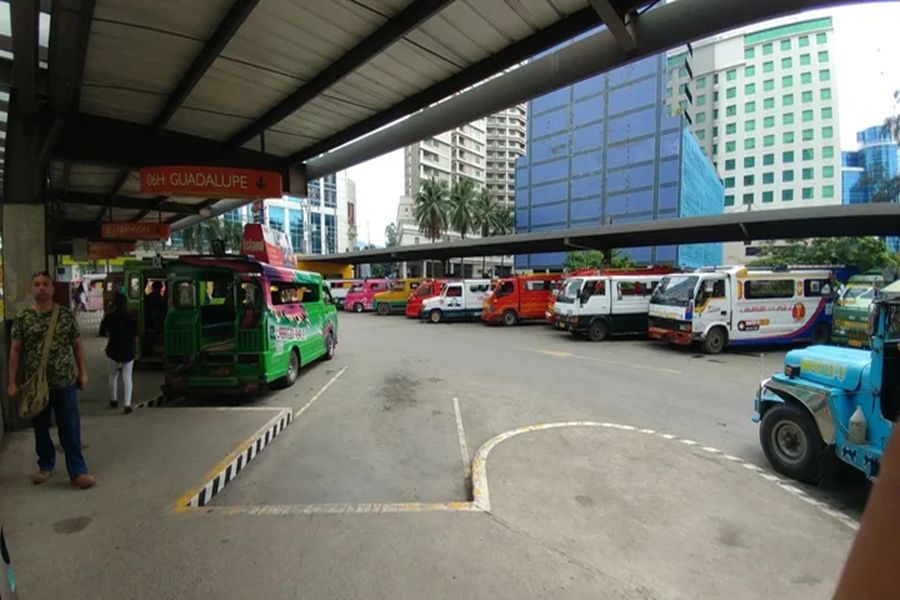
Bohol gives you a bunch of ways to get around, depending on your mood and budget. In Tagbilaran City, tricycles are everywhere—cheap, noisy, and honestly, part of the local flavor.
For longer journeys, jeepneys and buses leave from the Dao Integrated Bus Terminal. Buses head to Carmen for the Chocolate Hills or to Loboc for river cruises.
They’re not fast, but they’re easy on the wallet. If you want something quicker, grab a van (locals call them V-hires)—they’re comfy and perfect if you’re with friends.
Taxis and private vans are the go-to if you’ve got luggage or just want to get somewhere fast. They’re also the main way from the airport to Panglao’s beaches. Once you’re on Panglao, renting a scooter is the move—total freedom, and you’ll see way more.
Ferries link Bohol to Cebu and other islands. If you’re thinking about island-hopping, just remember schedules can change, so booking in advance is smart. You can dig into Bohol transportation tips here if you want to map out your route.
How to Get Around Catanduanes
Catanduanes? It’s a different vibe entirely. Things are quieter, and you won’t see crowds of tourists everywhere.
Getting around here means hopping on jeepneys, tricycles, or those ever-present habal-habal (yep, motorbike taxis). Jeepneys connect towns like Virac and Baras, but honestly, you’ll have to wait until they fill up before you hit the road.
In Virac, tricycles zip around everywhere. They’re super handy for short trips to beaches or resorts nearby—just make sure you agree on the fare before you hop in.
If you’re heading out to more remote gems like Puraran Beach or Binurong Point, habal-habal is usually your only option. The ride’s a bit rough, but hey, that’s half the fun, right?
If you know how to drive, rent a motorbike. Most of the roads are paved, traffic is chill, and you get to set your own pace. I did this, and honestly, being able to stop at random viewpoints or snack stalls? Game-changer.
You’ll find vans and buses linking Virac with other towns, but don’t expect them to stick to any real schedule. If you’re in no hurry, it’s fine.
To actually get to Catanduanes, you’ll probably fly into Virac or catch a ferry from Tabaco in Albay. If you want the basics, here’s a Catanduanes travel guide that covers the essentials.
Top Beaches and Coastal Experiences
Bohol and Catanduanes both deliver those classic white sands, clear water, and little corners where everything just slows down. Bohol leans into comfort and diving, while Catanduanes feels untamed—ideal if you’re chasing places that haven’t been buffed up for mass tourism.
Bohol’s Best Beaches
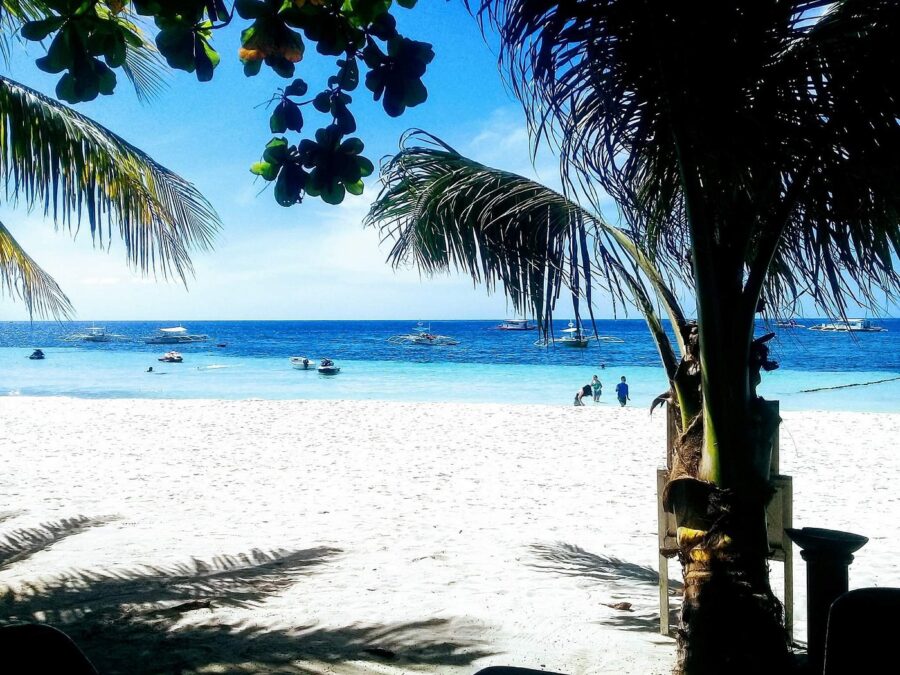
If you’ve wandered around Panglao, you already know Alona Beach is the hotspot. Cafes, dive shops, boats for island-hopping—it’s all packed in. Honestly? It gets crowded fast.
If you crave something more relaxed, Doljo Beach is just a short drive away. The vibe is mellow, and snorkeling here is surprisingly good.
Anda Beach on Bohol’s eastern coast is my personal favorite. The sand is powdery white—think Boracay but without the hordes. Locals picnic under coconut trees, and the water’s shallow for ages, which is perfect if you’re traveling with kids.
Divers, don’t skip Balicasag Island. The reefs explode with color, and if you’re lucky, you’ll spot sea turtles. Even if you’re not diving, just walking the shoreline feels special. The island’s small, so you can wander pretty much everywhere.
For a taste of local life, swing by Bolod Beach. Families bring food, rent little huts, and just hang out all day. It’s not fancy, but honestly, that’s why I love it. You see how Boholanos spend their weekends.
Catanduanes’ Hidden Shores
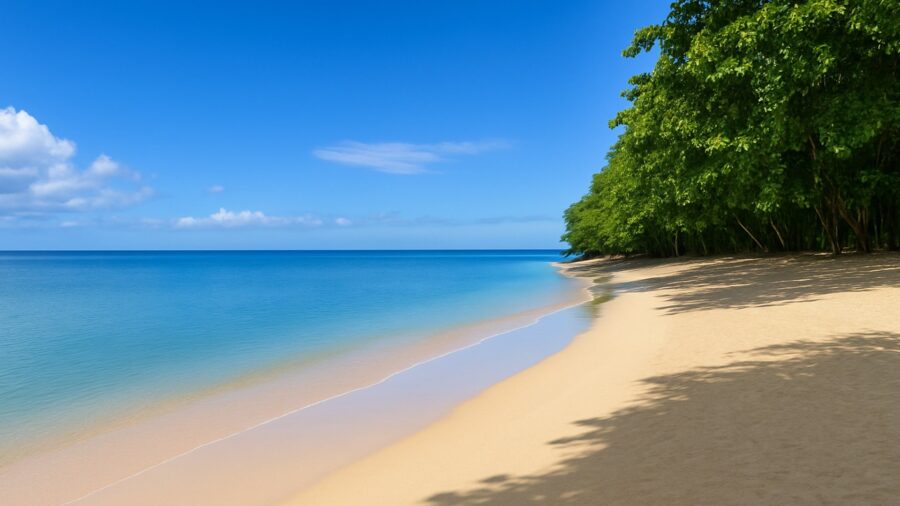
Catanduanes skips the whole resort scene, and that’s what sets it apart. Puraran Beach is the big name here, especially among surfers.
The “Majestic” waves get intense, but you don’t need a surfboard to appreciate them. The bay is gorgeous, and the rocky backdrop gives it an untouched feel.
For swimming, Mamangal Beach is hard to beat. The sand’s more golden than white, and the water usually stays calm. I once spent half a day just sitting in the shade, watching fishermen fix their nets. It’s that kind of place—slow, peaceful, and honest.
If you’re not up for a long trip, Talisoy Beach is close to Virac. There are cottages to rent, and you’ll likely bump into local families enjoying the weekend.
Craving solitude? Sakahon Beach is for you. There’s zero development—bring your own food and supplies. The payoff? Just you, the sand, and the sound of the waves.
Maribina Falls isn’t a beach, but it’s a quick ride from Virac and a sweet break from the salt. You can swim in the cool basin or just perch on the rocks, letting the falls drown out your thoughts. Catanduanes isn’t just about the coast—it’s rivers, forests, and waterfalls too.
See Related: Best Vacation Destinations for Singles Over 40
Where to Stay: Accommodation Guide
Where you stay can totally shape your trip. In Bohol, you’ll find everything from beach resorts to budget-friendly inns. Catanduanes, though, is all about simple guesthouses and local-run spots that feel extra homey.
Recommended Stays in Bohol
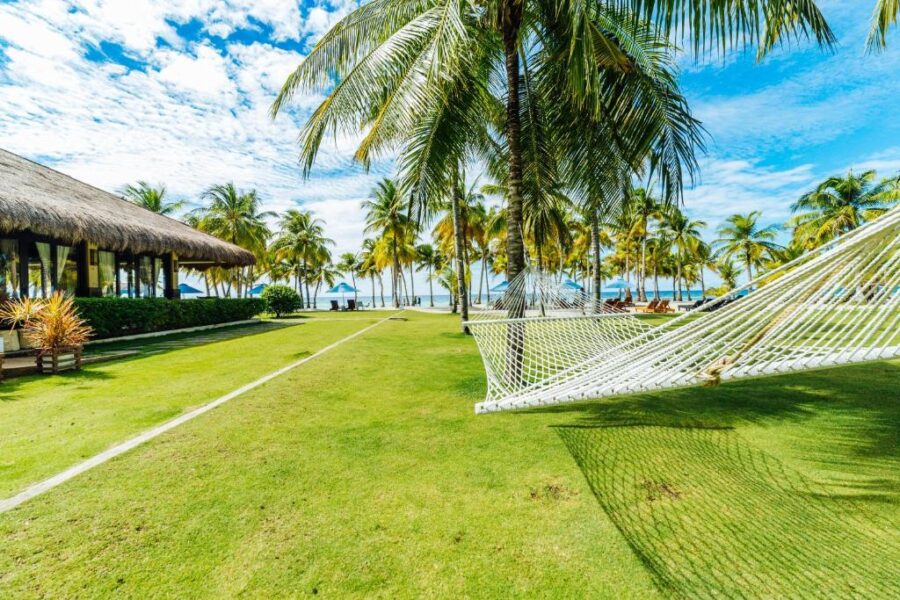
If you want a classic beach escape, Panglao Island is the go-to. Resorts like Amorita and Bohol Beach Club are right on the sand, with pools and easy access to dive shops. Over in Anda, you’ll find quieter boutique resorts like Casa Amihan—perfect if you’re dodging crowds.
For a more authentic stay, check out Dauis. It’s not as touristy, but still close to Panglao Airport. You’ll find family-run guesthouses and some higher-end picks like Mithi Resort & Spa.
Loboc is an interesting option too, especially if you want to stay near the river and wake up to greenery instead of waves.
Budget travelers usually stick close to Alona Beach, where small inns and hostels like Christelle Inn or Island World Panglao offer comfort at decent prices. If you love comparing rates (who doesn’t?), Booking.com is a solid place to browse Bohol stays.
Best Hotels and Inns in Catanduanes
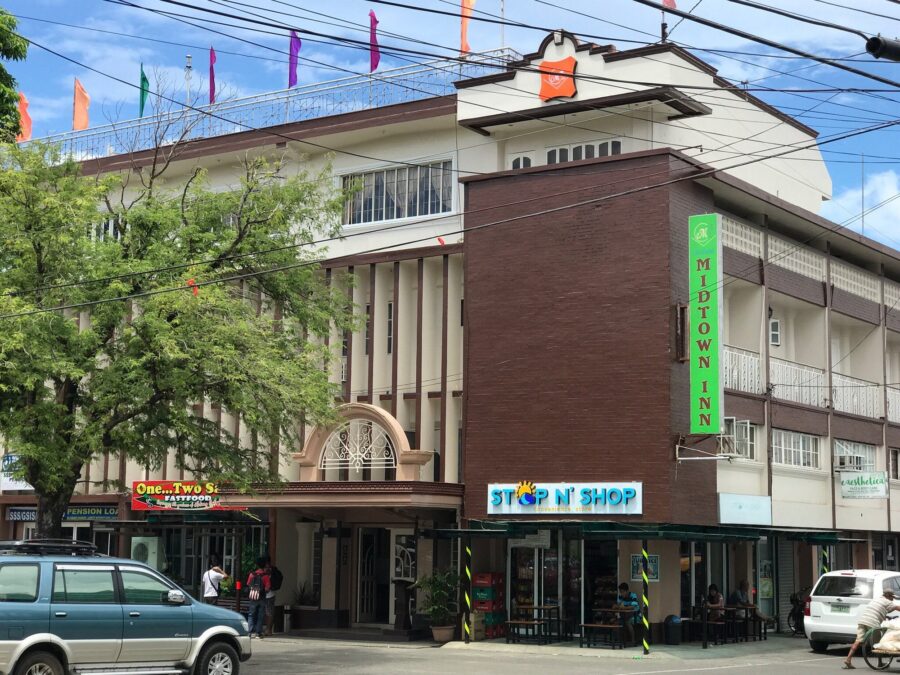
Catanduanes keeps it simple—no big resorts, just honest places to sleep. Virac, the capital, has the most options. Midtown Inn is a good bet: clean rooms, central location, and easy access to everything.
If you want to wake up closer to the waves, look for beachside homestays by Puraran Beach. They’re usually family-run, and what they lack in luxury, they make up for with genuine hospitality. Sometimes, the owners even cook you fresh seafood or help you find a tricycle for exploring.
If you’re after a quiet retreat, head toward Maribina Falls or Bato. Guesthouses here are tucked into the countryside.
No pools or spas, but you’ll wake up to roosters and drift off to the sound of surf. It’s comfort, just in a different way—less polished, more personal.
Unique Experiences and Nearby Destinations
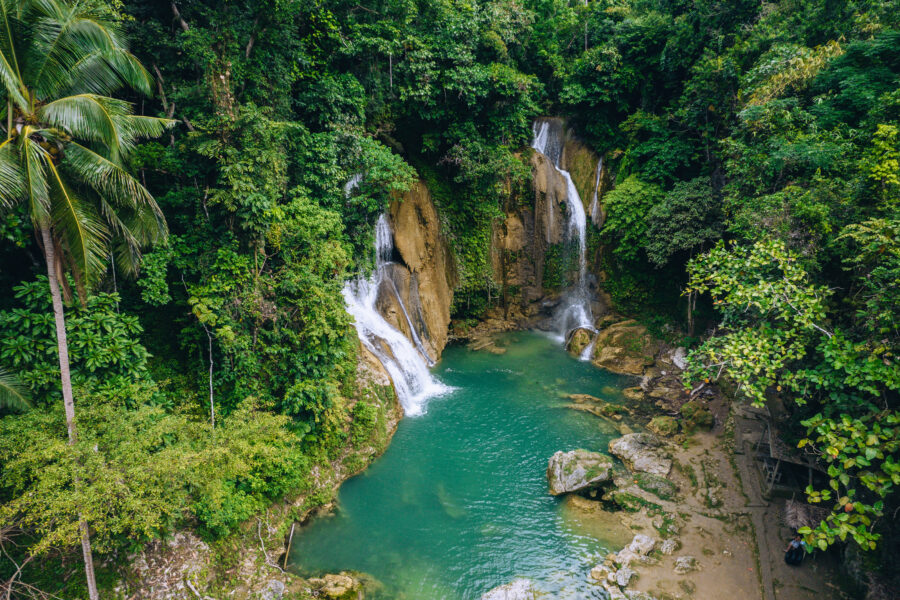
There’s more to these islands than just beaches and waterfalls. Bohol brings caves, rivers, and those famously wide-eyed tarsiers.
Catanduanes surprises you with lighthouses, surf spots, and quiet little towns. Got a few extra days? You can hop to nearby islands for a totally different kind of adventure.
Adventure Activities and Local Culture
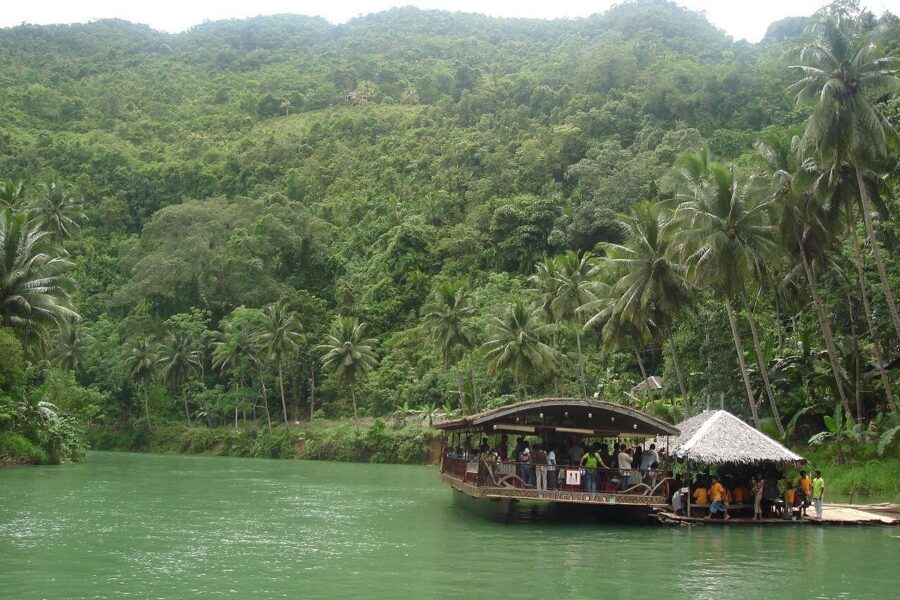
In Bohol, you can go from chill to thrill pretty quickly. Cruise along the Loboc River, spot fireflies after dark, or zipline over valleys near the Chocolate Hills. Meeting the tiny tarsiers in their sanctuary is a must, but remember to keep quiet—they’re sensitive little guys.
Catanduanes feels wilder, and I mean that in the best way. Surfing at Puraran Beach near Baras has this raw, electric energy you won’t find elsewhere.
Not into surfing? Hike up Binurong Point for those epic cliff views, or wander out to the old Bote Lighthouse for a slice of history.
Locals here love to share stories—about storms, the sea, and old traditions. I’ve learned more from chatting with tricycle drivers or market vendors than from any guidebook. If you want to book tours or activities in advance, GetYourGuide helps you compare what’s out there.
Day Trips to Siquijor and Palawan
If you’re based in Bohol, it’s easy to add Siquijor to your plans. Just hop on a ferry and you’ll land on an island known for healing traditions, waterfalls like Cambugahay, and a vibe that feels stuck in time. You can see the highlights in a day or two, no problem.
From Catanduanes, longer side trips usually mean heading to Palawan. You’ll need to connect through Manila, but once you’re there, El Nido’s limestone cliffs and Puerto Princesa’s underground river are worth the journey. It takes more effort, but the contrast—quiet Catanduanes, dramatic Palawan—is something special.
I think of these side trips as a way to balance your adventure. Siquijor is all about mystique and small-island charm, while Palawan brings the wow factor. If you like things planned, you can book day trips and transfers ahead of time, which saves you from scrambling once you’re there.
See Related: The Top Vacation Spot in the World: Discover the Ultimate Destination
Frequently Asked Questions
Traveling to Bohol or Catanduanes? You’re in for two very different kinds of trips. Bohol is polished and easy to navigate, while Catanduanes is all about raw landscapes and a slower, more local pace. Even the food and culture feel worlds apart.
What are the top attractions to visit in Bohol compared to Catanduanes?
Bohol’s classics: Chocolate Hills, tarsier sanctuaries, Loboc River cruise, and Panglao’s turquoise beaches. All easy to reach, all worth your time.
Catanduanes brings wilder energy. Binurong Point’s cliff views, Puraran Beach’s surf scene, and Maribina Falls tucked away in the hills. You’ll often have these places pretty much to yourself.
How do the weather and climate differ between Bohol and Catanduanes throughout the year?
Bohol’s weather is pretty steady. Dry season runs from December to May, and that’s when most folks visit. Rain pops up, but usually doesn’t last.
Catanduanes? Locals call it the “Land of the Howling Winds.” Typhoons can hit hard. The best time to visit is March to May when the seas calm down and the skies clear up.
Can you outline the differences in cultural experiences available in Bohol versus Catanduanes?
Bohol leans into its history. You’ll tour old Spanish churches, visit the Blood Compact Shrine, and catch traditional dances during festivals. It’s a blend of colonial and local flavors.
Catanduanes is more about grassroots culture. The Abaca Festival is huge, celebrating the fiber that keeps the island going. Small-town life and friendliness shape your experience more than any big attraction.
What unique culinary delights should travelers expect in Bohol and Catanduanes?
In Bohol, try peanut kisses, calamay, and fresh seafood by the water. The food scene is a bit more developed, with plenty of spots for both locals and visitors.
Catanduanes keeps things simple but delicious. Fresh fish, root crops, and local snacks made from abaca byproducts are staples. Meals feel home-cooked, and honestly, that’s what makes them memorable.
What are the transportation options for reaching Bohol and Catanduanes from major cities in the Philippines?
Bohol’s pretty easy to reach, honestly. You can just hop on a direct flight into Panglao International Airport from either Manila or Cebu.
If you’re coming from Cebu, the ferries to Tagbilaran run often, and they’re pretty fast—perfect if you’re not a fan of flying or just want to see the sea for a bit.
Catanduanes, on the other hand, is a bit more of an adventure. You can fly from Manila straight to Virac, but I’ll warn you, those flights aren’t always cheap, and they don’t run every hour.
If you’re up for a little road trip, fly to Legazpi first. From there, grab a van to Tabaco port, and then hop on a ferry to Virac or San Andres. It’s a journey, but honestly, isn’t that part of the fun? This guide lays out the routes if you want all the gritty details.
How do accommodation options vary between Bohol and Catanduanes for different types of travelers?
Bohol’s got it all—luxury resorts sprawled across Panglao and quirky budget hostels tucked away in Tagbilaran. If you’re particular about your amenities (and who isn’t sometimes?), you’ll have loads of choices to sift through.
Catanduanes, on the other hand, keeps it simple. You’ll spot small inns and homestays, plus a handful of mid-range hotels in Virac. It’s not about five-star glitz here; it’s more about genuine local warmth and those basic-but-cozy vibes.