
Last modified August 17, 2026
Picking between Veliko Tarnovo and Novi Sad? It’s not just about pointing at a map. Both cities pulse with deep history, lively culture, and a pace that only makes sense once you’re there.
If you’re craving medieval flair and fortress views, Veliko Tarnovo has you covered. Novi Sad, though, is all about festivals, bustling cafes, and a more modern, energetic scene.
I’ve wandered Veliko Tarnovo’s winding, cobbled streets—every turn feels like a nod to Bulgaria’s past. Then there’s Novi Sad, where I’ve watched the sun dip behind the Danube as locals unwind into the evening.
You’ll spot the cost-of-living differences pretty quickly—your cash stretches in different ways, and honestly, that alone might tip the scales for you.
It’s never just about the sights. The lifestyle in each city shapes your whole experience, whether you’re leaning toward quiet, history-laden corners or a city buzzing with culture.
Figure out what matters most to you, and the choice gets a lot easier.
Key Takeaways
- Veliko Tarnovo oozes history and tradition, Novi Sad is modern and social
- Costs, lifestyle, and travel connections stand apart
- Your best pick depends on whether you’re a history buff or a culture chaser
Veliko Tarnovo vs Novi Sad: Key Differences
Sure, both cities offer history, culture, and affordability, but the vibe? Couldn’t be more different once you’re actually on the ground.
One city clings to steep hills and fortress walls, while the other stretches out along a wide river, full of Austro-Hungarian charm and lively plazas.
Location and Geography
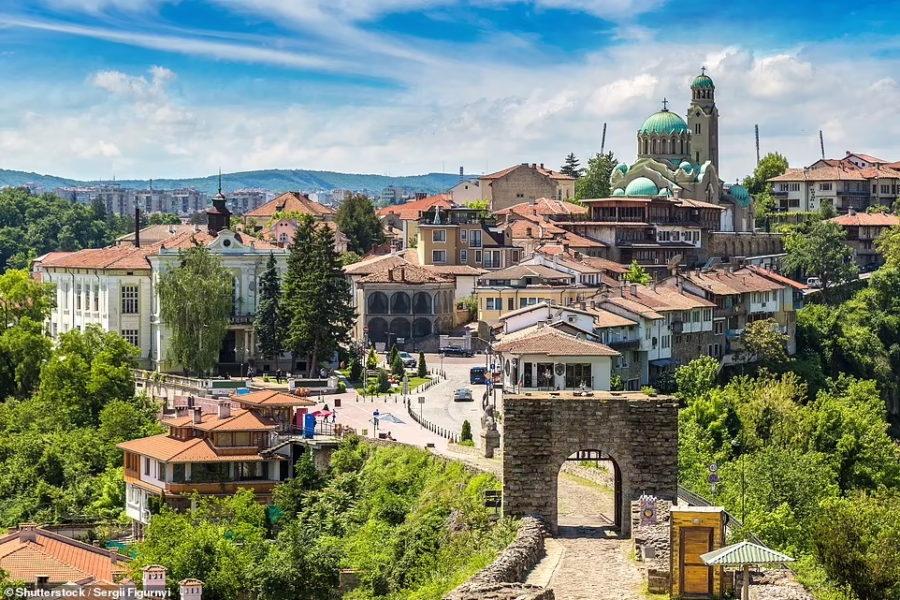
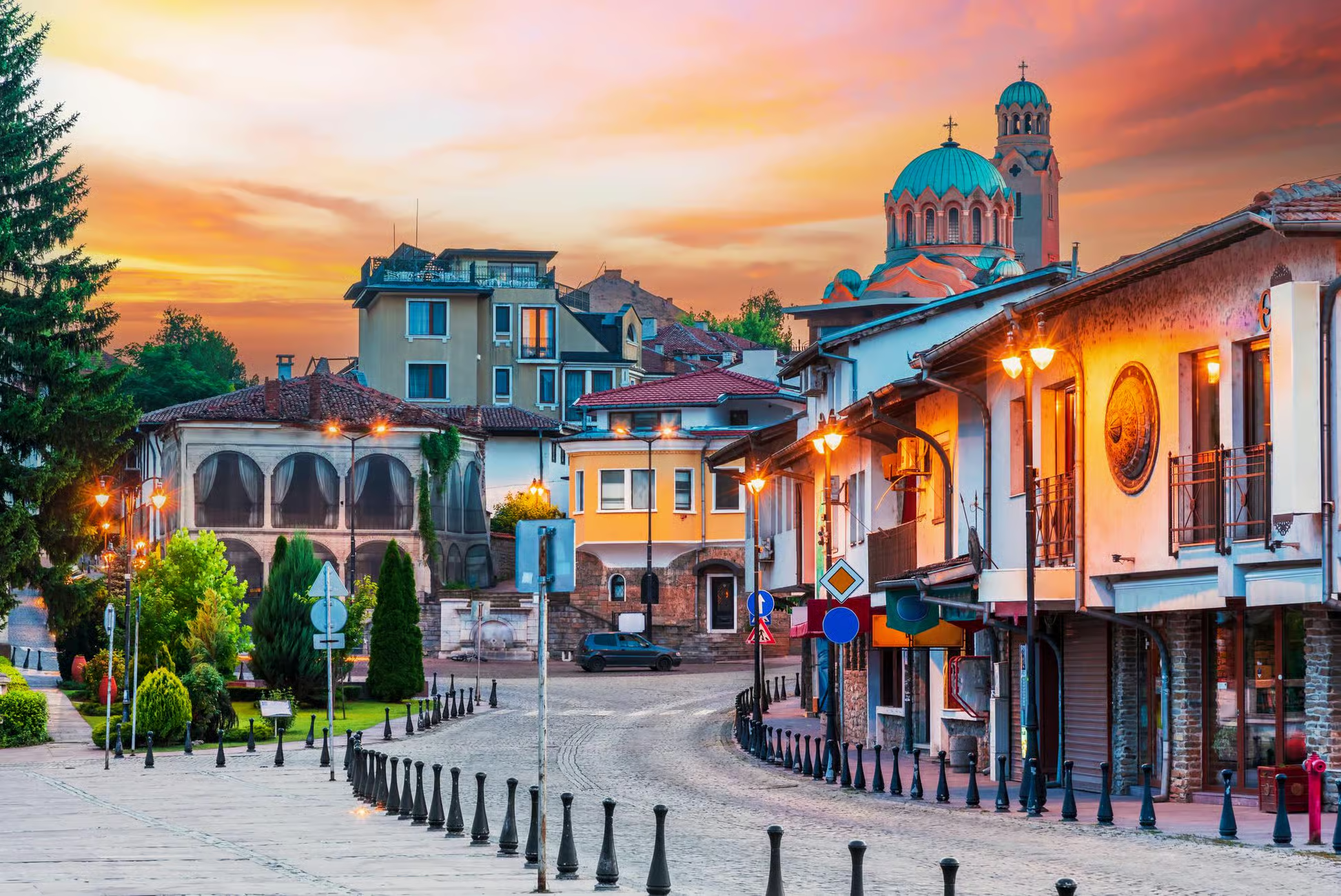
Veliko Tarnovo sits right in the heart of Bulgaria, perched on rugged hills above the Yantra River. Old stone houses cling to the cliffs, and the medieval Tsarevets Fortress rules the view.
Walking here means climbing—gorgeous vistas, yes, but you’ll feel it in your calves.
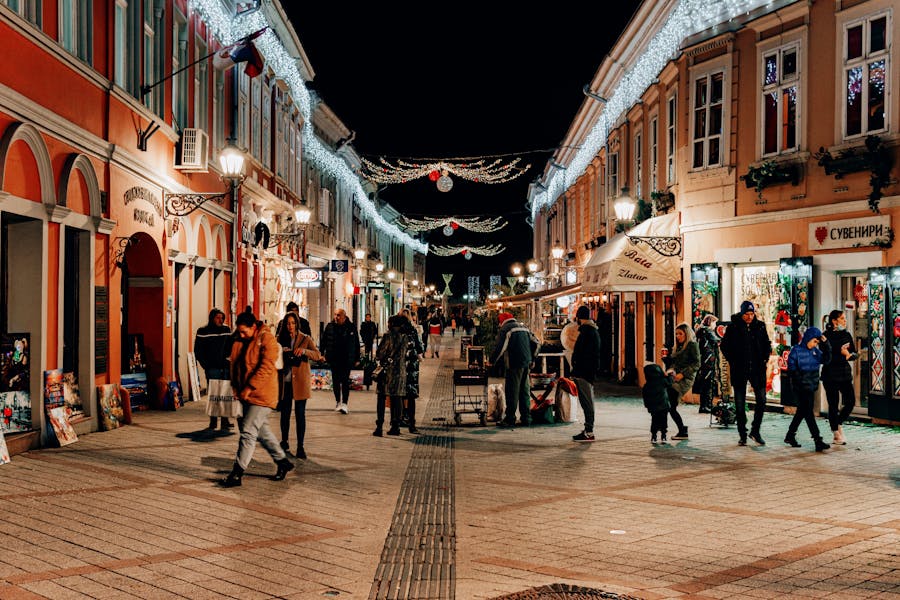
Novi Sad, meanwhile, spreads out across the flat plains of northern Serbia, hugging the Danube. It’s open, breezy, and the wide boulevards are perfect for cycling.
The Petrovaradin Fortress is impressive, but it doesn’t loom over the city like Tarnovo’s does.
If you love dramatic hills and layers of history, Veliko Tarnovo will probably steal your heart. Prefer riverside relaxation and a city that’s easy on your legs? Novi Sad is the one.
Cultural Identity
Veliko Tarnovo once ruled as the capital of the Second Bulgarian Empire. You can sense that medieval pride everywhere—in the architecture, the Orthodox churches, and the old traditions.
Folklore festivals pop up, and crafts still echo Bulgaria’s roots. Evenings stay quiet; it’s more about wandering cobbled lanes than hitting the clubs.
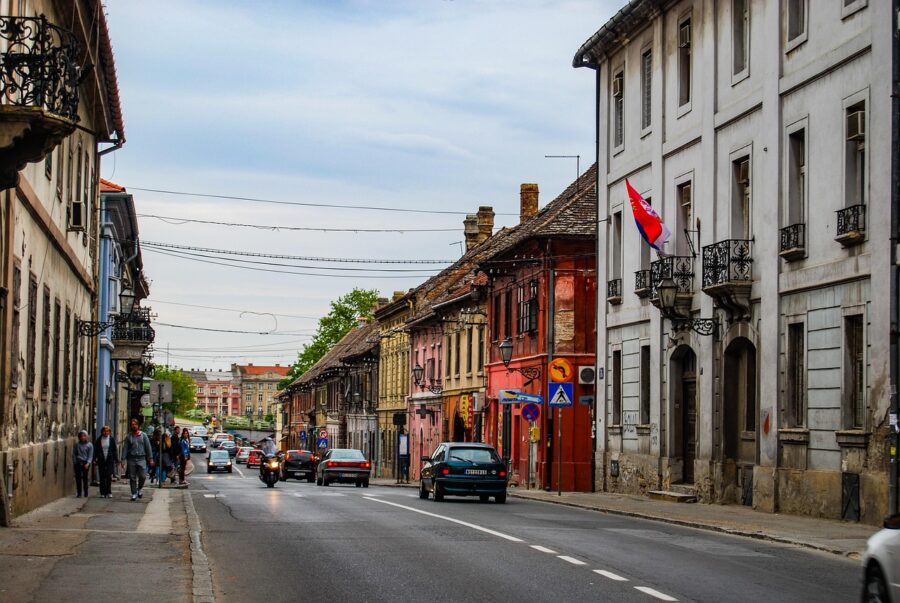
Novi Sad feels like a slice of Central Europe. Pastel facades, baroque churches, and a café culture that’s more Vienna than Balkans.
EXIT Festival is legendary here, pulling in thousands every summer for music and mayhem.
So, Veliko Tarnovo? It’s like walking through a living museum. Novi Sad? It’s a crossroads—part Balkan, part Central Europe, and always humming with art and music.
Local Language and Currency
In Veliko Tarnovo, folks speak Bulgarian, and everything’s in Cyrillic. If you’re not familiar, street signs might stump you at first.
They use the Bulgarian lev (BGN), and prices are generally lower than in Novi Sad, especially for food and housing. Cost comparisons back that up.
Novi Sad’s official language is Serbian, which uses Cyrillic but often flips to Latin script—makes it a bit friendlier for visitors.
They pay with Serbian dinar (RSD). Things tend to cost a bit more here, especially if you’re out enjoying the nightlife or dining scene.
Bottom line: your money goes further in Veliko Tarnovo, but Novi Sad’s international vibe might be worth the extra spend if that’s your thing.
Cost of Living Comparison
Living costs split these two cities in interesting ways. Novi Sad hits harder on rent, while Veliko Tarnovo keeps food and daily expenses lighter.
Entertainment and transport costs are close, but small differences can add up depending on how you live.
Housing and Utilities
Rent in Veliko Tarnovo? It’s usually a win. City center apartments are often 30–40% cheaper than Novi Sad’s.
If rent eats up your budget, that’s a huge difference.
Utilities—think electricity, heating, and internet—also cost less in Veliko Tarnovo. A one-bedroom with utilities might run you 300–350 лв per month, while Novi Sad pushes closer to 400–450 лв.
Short stays are easier on your wallet too. Hotels and guesthouses in Veliko Tarnovo can be bargains, trimming trip costs if you’re not sticking around long.
For longer stays, the rent savings really pile up, leaving you with more to spend on travel or maybe that new travel backpack you’ve been eyeing.
Food and Dining Expenses
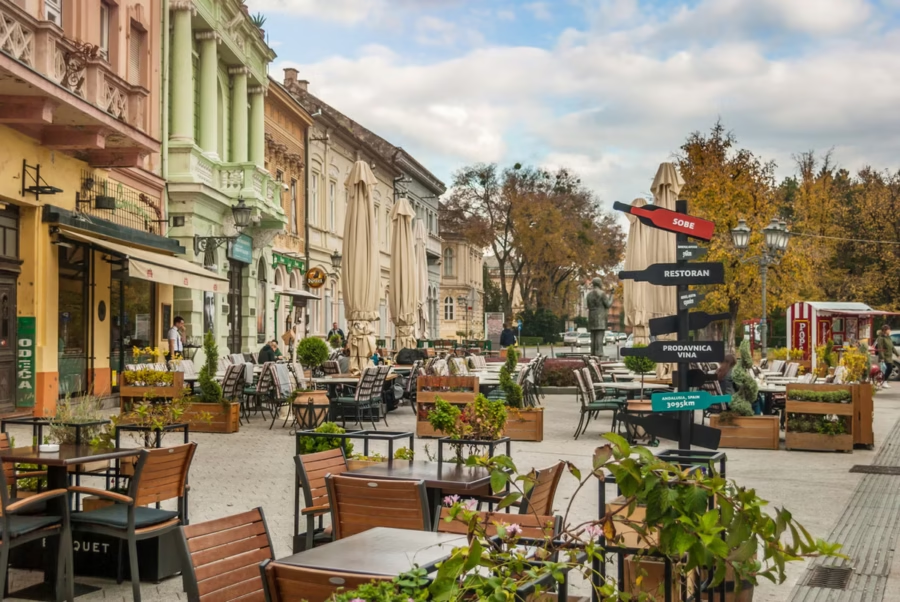
Eating out is a joy in both cities, but your wallet will feel the difference. Veliko Tarnovo’s restaurants and cafes are usually 20–25% cheaper.
A laid-back meal might cost under 15 лв, while Novi Sad will nudge you closer to 1,000 dinars.
Groceries? Same trend. Fresh produce, bread, and dairy are friendlier on the budget in Veliko Tarnovo.
Imported brands don’t vary much, so if you’re loyal to certain products, don’t expect big savings.
Coffee culture is alive in both spots, but you’ll pay less for your daily cappuccino in Veliko Tarnovo.
If you’re someone who loves eating out, those daily savings add up fast.
Transportation Costs
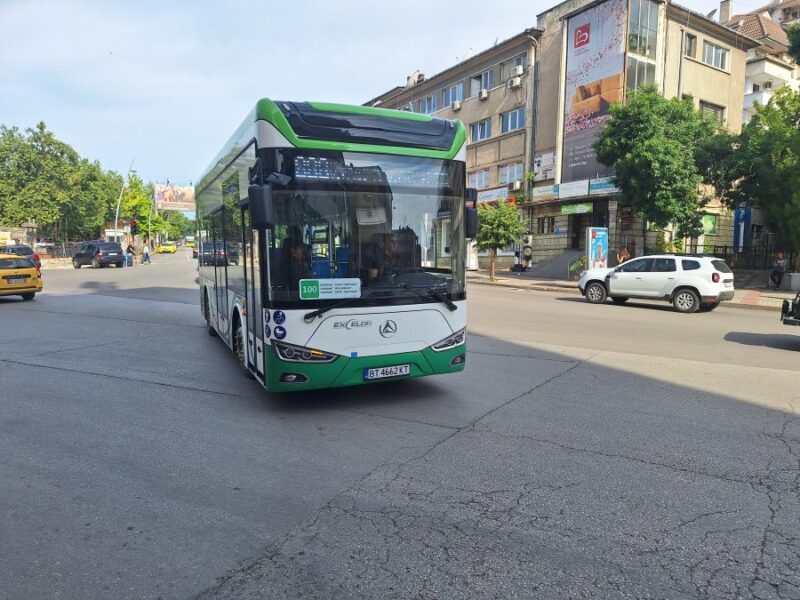
Public transport stays cheap in both cities, but Novi Sad is a bit pricier. A monthly bus pass in Veliko Tarnovo costs less, though the networks aren’t identical.
Taxis? More affordable in Veliko Tarnovo, especially for quick trips. Novi Sad, though, has better long-distance train and bus links, which is handy if you’re planning to explore Serbia.
Gasoline prices are close, but car ownership in Novi Sad can sting thanks to parking and insurance.
If you depend on public transport, Veliko Tarnovo gives your budget a little breathing room.
Entertainment and Leisure
Entertainment prices are similar, but a few things stand out. Movie tickets in Veliko Tarnovo come in cheaper, and local bars usually pour drinks for less than in Novi Sad.
Gym memberships and cultural events are about the same, though Novi Sad’s calendar is packed with concerts and festivals.
If nightlife is your thing, Novi Sad might tempt you to spend more—there’s just more going on.
Veliko Tarnovo’s historic sites and outdoor adventures are budget-friendly. Lots of attractions are free or super affordable, so you can fill your weekends without breaking the bank.
For long stays, saving on leisure means more cash for travel or maybe a gear upgrade.
Traveling Between Veliko Tarnovo and Novi Sad
Getting from Veliko Tarnovo to Novi Sad isn’t a marathon, but you’ll need to plan ahead. You’ve got options: long-distance buses, trains, or driving if you want the freedom.
Distance and Route Options
The direct road distance clocks in at about 706 km. If you drive, you’re looking at 8 to 9 hours, depending on traffic and border delays.
The usual route swings through Sofia, then heads north into Serbia.
I’ve done this drive before. Bulgarian highways are decent, but borders can eat up time. Driving lets you stop in quirky towns, which is a treat if you’re not in a rush.
If you’d rather skip driving, buses and trains cover the same general path, just with more transfers.
Rail distance is a bit shorter at about 522 km, but don’t expect a direct line.
Thinking about flying? Honestly, it’s not practical. Neither city has a major airport nearby. You’d have to connect through Sofia or Belgrade, and that usually ends up slower and pricier.
Still, if you’re already booking flights, it’s worth checking cheap airfare for deals.
Bus and Rail Connections
Most travelers hop on the bus for this journey. Buses are affordable, run daily, and link Veliko Tarnovo to Belgrade, where you’ll switch to another bus or train for Novi Sad.
Travel time usually lands between 9 and 11 hours.
Trains take longer but give you room to stretch out. You’ll probably transfer in Sofia and Belgrade, which adds time.
I’ve met folks who love the old-school train vibe—especially if they pack snacks and a good book.
Here’s a quick rundown:
| Option | Time | Notes |
|---|---|---|
| Bus | 9–11 hrs | Direct to Belgrade, then transfer |
| Train | 10–12 hrs | Multiple transfers, scenic |
| Car | 8–9 hrs | Border delays possible |
Trip Planning Tools
Piecing together a trip like this? A solid travel planner saves a ton of hassle.
I usually check a few platforms to compare bus and train times, then match them up with border crossing hours.
One tip: stay flexible. Balkan travel can be a bit unpredictable—buses run late, trains get delayed, borders back up. I always pad in extra time, especially in Belgrade.
And if you’re breaking up the trip overnight, check Expedia or similar sites for deals near the station. Makes the next leg so much easier.
Lifestyle and Quality of Life
Living in Veliko Tarnovo or Novi Sad means two totally different flavors of city life.
One’s historic and a bit small-town, the other’s busier and plugged into the regional scene. Both are comfortable day-to-day, but the differences show up in safety, healthcare, and how locals spend their free time.
Safety and Crime Rates
Veliko Tarnovo stays quiet, which usually means you feel safer. Streets in the center are calm, even late at night, and petty crime isn’t a big deal.
Still, keep an eye on your stuff in busy tourist spots.
Novi Sad is bigger, so it’s livelier but also has a bit more trouble with theft or scams, especially during festivals.
Police are visible, and locals generally feel safe walking at night in most neighborhoods.
If you’re used to big cities, both places will probably feel safe. Novi Sad scores higher on public lighting and city services, while Veliko Tarnovo wins if you want a slower pace and fewer nightlife risks.
Healthcare and Services
If you’re planning to stick around for a while, you really need to think about healthcare. Veliko Tarnovo has a handful of hospitals and clinics, but for anything too specialized, most locals just hop over to Sofia. Services don’t usually break the bank, but man, those wait times in public facilities can test your patience.
Novi Sad, though, kind of ups the game. Bigger hospitals, plenty of private clinics, and it’s way easier to find English-speaking doctors. Expats rave about the dental care here. That said, the quality swings a bit—public versus private makes a difference.
No employer insurance? Definitely look into travel insurance or private plans that cover both the basics and those “oh no” moments. Trust me, you’ll want that peace of mind if you end up needing a specialist fast.
Nightlife and Social Scene
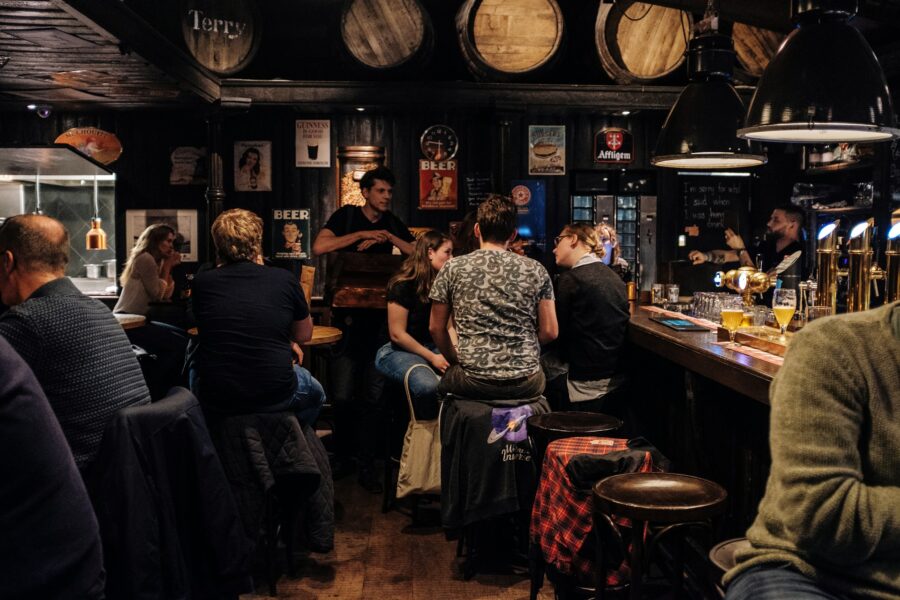
Veliko Tarnovo keeps things pretty chill after dark. Think cozy bars, a couple of small clubs, and a few spots for live music. It’s the kind of town where you start to recognize people after a while—great if you love that close-knit vibe.
Novi Sad? Whole different energy. It’s famous for the EXIT Festival, but honestly, the party doesn’t stop there. Clubs are packed, cafés are trendy, and the student crowd keeps it lively all year.
If you’re the type who loves late nights and lots of options, Novi Sad’s probably your scene. But maybe you’d rather sip wine in a quiet courtyard with friends—then Veliko Tarnovo’s slower pace might just win you over. Both places have community, just depends if you want it loud or low-key.
Tourist Attractions and Local Experiences
You’ll never run out of things to see in either Veliko Tarnovo or Novi Sad. Both cities mix history, culture, and nature in ways that feel pretty special. Medieval fortresses, lively festivals, riverside walks—each place has its own flavor.
Historic Sites and Landmarks
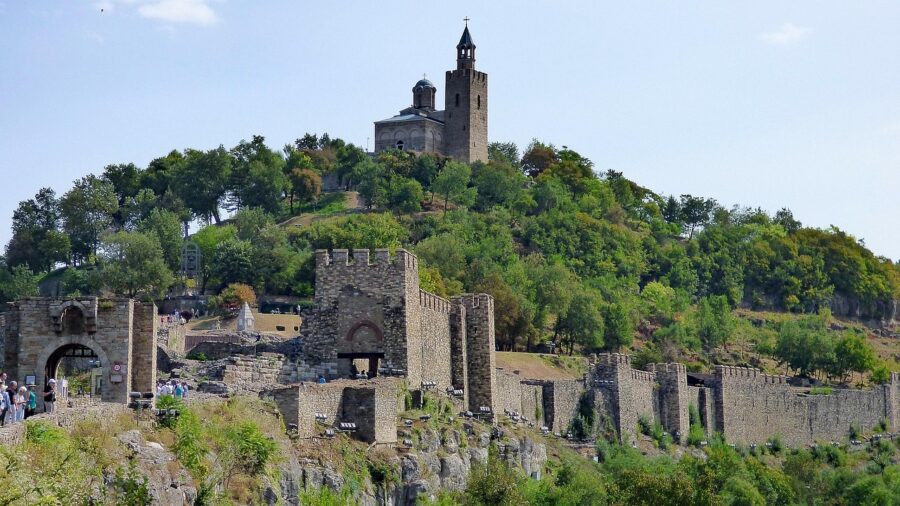
They don’t call Veliko Tarnovo the “City of the Tsars” for nothing. The crown jewel is Tsarevets Fortress, perched high above the Yantra River. Those stone walls and epic views? Unforgettable. At night, the fortress lights up with a sound-and-light show that’s honestly pretty magical.
Not far away, you’ll find Arbanasi village. The old houses and churches, covered in colorful frescoes, make you feel like you’ve time-traveled. Cobblestone streets and all.
Meanwhile, Novi Sad’s skyline is all about the Petrovaradin Fortress. Locals call it the “Gibraltar on the Danube” (not a bad nickname, right?). You can wander through tunnels, sip coffee on a terrace with river views, or catch the EXIT Festival inside those ancient walls.
Don’t rush. Both cities really reward slow exploration. If you want to make things easy, book a few tours or activities through GetYourGuide.
Museums and Art Galleries
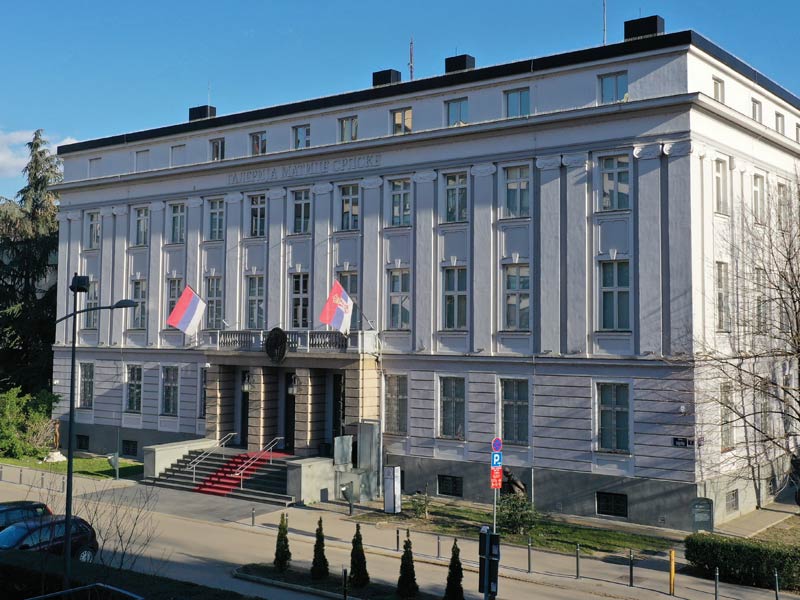
Veliko Tarnovo’s Archaeological Museum is a treasure trove—Thracian gold, Roman relics, medieval bits and bobs. If you love crafts, wander down Samovodska Charshiya street. Artisans still make pottery, textiles, and woodcarvings right in their tiny shops.
Novi Sad, on the flip side, leans into art and culture. The Museum of Vojvodina covers everything from ancient times up to the 20th century. For modern art fans, the Gallery of Matica Srpska is packed with Serbian paintings.
Personally, I found Novi Sad’s galleries more contemporary, while Veliko Tarnovo’s museums feel rooted in tradition. Depending on whether you’re a history buff or an art lover, you’ll probably gravitate to one or the other.
Outdoor Activities
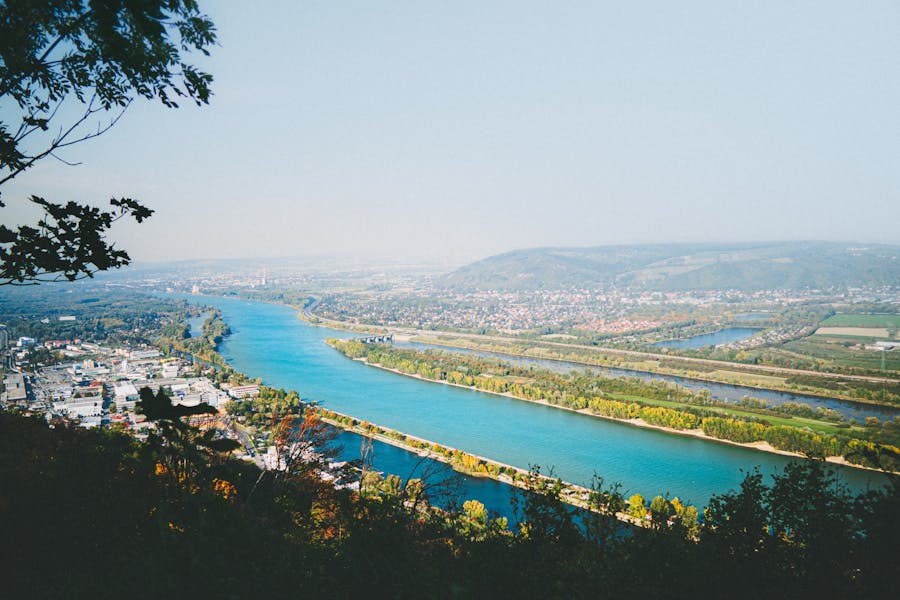
Veliko Tarnovo is perfect for anyone who loves getting outside. The hills and rivers around town are made for hiking. You can trek to waterfalls like Hotnitsa, or float down the Yantra River for a mellow afternoon. The view from the Asenevtsi Monument? Worth every step.
Novi Sad brings a different kind of outdoor fun. The Danube River runs right through the city, with promenades, bike paths, and sandy beaches on Štrand. Come summer, everyone’s out swimming, sunbathing, or spiking a volleyball.
Wine lovers, Fruška Gora is calling. Those hills are dotted with monasteries and vineyards, and it’s easy to set up a day trip or hop on an organized city tour that mixes culture and the outdoors.
You really can balance sightseeing with nature in both cities. Novi Sad feels more relaxed and social, while Veliko Tarnovo is a bit more adventurous and steeped in history.
Who Should Choose Veliko Tarnovo or Novi Sad?
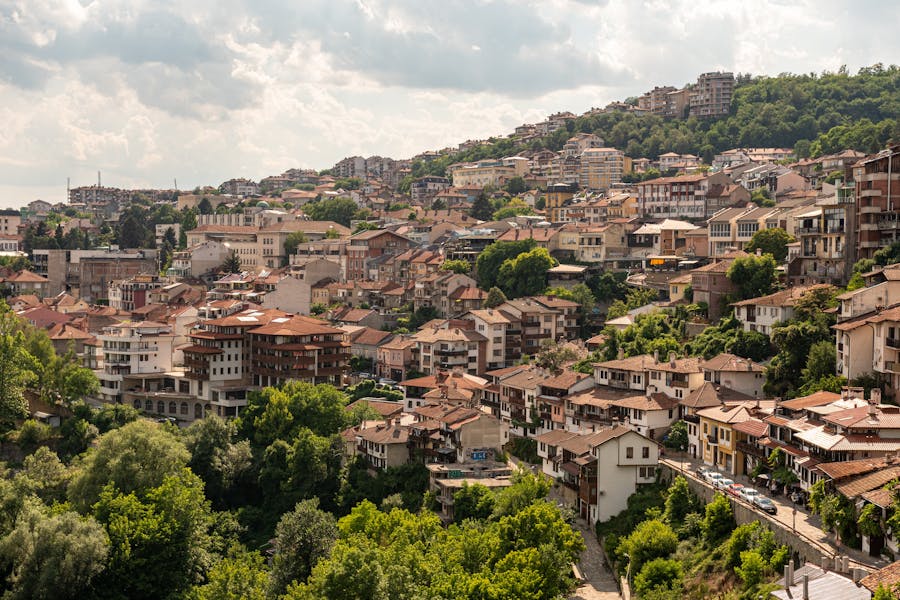
It really depends on what you’re after. Veliko Tarnovo offers a slower pace and lower costs, while Novi Sad packs in more culture and modern perks.
Best for Expats and Digital Nomads
If you’re working remotely, Veliko Tarnovo feels like a secret spot. Rent is low, and your daily costs—food, transport, all that—won’t drain your wallet. There are plenty of cozy cafés with solid Wi-Fi, and the laid-back rhythm helps you focus.
Novi Sad, though, feels more international. It’s a university city, so English is everywhere and the nightlife is way more active. Plus, it’s got better train and bus connections if you’re always on the move.
I’ve worked from both, and honestly, Novi Sad wins if you want a bigger network of expats and creative folks. But for peace and affordability, Veliko Tarnovo lets you stay longer without sweating the budget.
Family-Friendly Living
Families usually want safety, decent schools, and a real neighborhood feel. Veliko Tarnovo checks those boxes with its quieter streets and historic neighborhoods. Walking your kids to school is easy, and you get more space for your money compared to Novi Sad.
Novi Sad is your pick if you’re after modern conveniences. Bigger malls, more international schools, and better healthcare options. Plus, it’s a quick drive to Belgrade, which opens up even more choices.
Honestly, Veliko Tarnovo feels like a place to settle if you love calm and tradition. Novi Sad is better if you want your kids in a lively, urban environment with lots of activities.
Budget Travelers
If you’re on a tight budget, Veliko Tarnovo is a no-brainer. According to cost comparisons, it’s about 19% cheaper than Novi Sad, and housing is nearly 40% less. That adds up fast, especially if you’re staying a while.
Novi Sad isn’t exactly pricey by Western standards, but you’ll notice higher prices for dining, transport, and going out. You’ll need a bit more cash to keep up the same lifestyle.
Traveling between the two? Use luggage storage when you’re on the move by bus or train. It saves your back and makes exploring way easier. Little conveniences like that really add up for budget travelers.
Frequently Asked Questions
Veliko Tarnovo and Novi Sad both have deep roots—history, food, culture—but the experiences couldn’t be more different. One leans into medieval fortresses and hillside views, while the other is all about Austro-Hungarian charm and buzzing festivals.
What are the unique historical attractions to visit in Veliko Tarnovo compared to those in Novi Sad?
In Veliko Tarnovo, the Tsarevets Fortress is the big draw, with its medieval walls and ruins that once housed Bulgarian tsars. The old neighborhoods have cobblestone streets that genuinely feel centuries old.u003cbru003eu003cbru003eNovi Sad, meanwhile, is known for Petrovaradin Fortress, the “Gibraltar on the Danube.” It’s less about ancient ruins and more about those sweeping views and maze-like tunnels.
How does the culinary scene in Veliko Tarnovo differ from that of Novi Sad, and what are the must-try dishes?
Bulgarian food in Veliko Tarnovo is rustic and hearty—banitsa (that amazing cheese pastry), shopska salad, and plenty of stews. Meals feel homemade, and you’ll spot lots of grilled meats with local wines.u003cbru003eu003cbru003eNovi Sad brings Serbian and Hungarian flavors. Goulash, stuffed peppers, rich pastries—plus street food like pljeskavica (the Serbian burger) you can’t really skip.
Can you highlight the differences in the cultural festivals and events between Veliko Tarnovo and Novi Sad?
Veliko Tarnovo’s Sound and Light Show at the fortress is a must—history told through lights and music. Local festivals often focus on folklore, crafts, and traditional dance.u003cbru003eu003cbru003eNovi Sad is world-famous for EXIT Festival, one of Europe’s biggest music events. There’s also a strong theater and art scene, and annual u003ca href=u0022https://www.realjourneytravels.com/places/gradski-trg-kikindabetter-to-visit-the-narodni-muzej-museum-terra-and-others/u0022u003ecultural weeksu003c/au003e that bring in international crowds.
What are the accommodation options like in Veliko Tarnovo in contrast to Novi Sad, and which is better for budget travelers?
Veliko Tarnovo has lots of small guesthouses, family-run hotels, and apartments tucked into the Old Town. Prices stay pretty modest, and you can score good deals in central spots.u003cbru003eu003cbru003eNovi Sad has more modern hotels and hostels, especially around the city center. Both cities are affordable for budget travelers, but Veliko Tarnovo usually comes out cheaper for u003cstrongu003eu003ca href=u0022https://www.booking.com/index.html?aid=2427303u0022 target=u0022_blanku0022 rel=u0022noreferrer noopeneru0022u003eplaces to stayu003c/au003eu003c/strongu003e.
What outdoor activities and natural landscapes are available around Veliko Tarnovo that differ from those around Novi Sad?
Veliko Tarnovo is all hills and river valleys. You can check out nearby villages like Arbanasi or hunt for Roman ruins at Nicopolis ad Istrum. Hiking trails exist, though sometimes they’re a bit wild—adds to the adventure, if you ask me.u003cbru003eu003cbru003eNovi Sad is flatter, with Fruška Gora National Park nearby for well-marked trails, monasteries, and vineyards. It’s ideal for structured hikes and cycling, if that’s your thing.
Could you describe the shopping experiences and local crafts unique to Veliko Tarnovo as opposed to Novi Sad?
Veliko Tarnovo? Oh, it’s got this vibe you just don’t get everywhere. You wander down Samovodska Charshia Street and suddenly, you’re surrounded by u003ca href=u0022https://www.realjourneytravels.com/places/regional-history-museum-targovishte/u0022u003etraditional craftsu003c/au003e—woodcarving, pottery, all sorts of handmade souvenirs.u003cbru003eu003cbru003eEvery little shop feels so personal, and honestly, you can tell the town’s heritage runs deep in these crafts. It’s almost like the locals pour their soul into each piece.u003cbru003eu003cbru003eNow, Novi Sad? That’s a different story. Picture modern malls, shiny boutiques, and those big international brands you’d expect in any bustling city.u003cbru003eu003cbru003eSure, the city has local markets, but they lean more toward fashion and everyday stuff than handmade crafts. If you’re chasing that authentic, hands-in-the-clay artisan experience, Veliko Tarnovo just delivers it in spades.