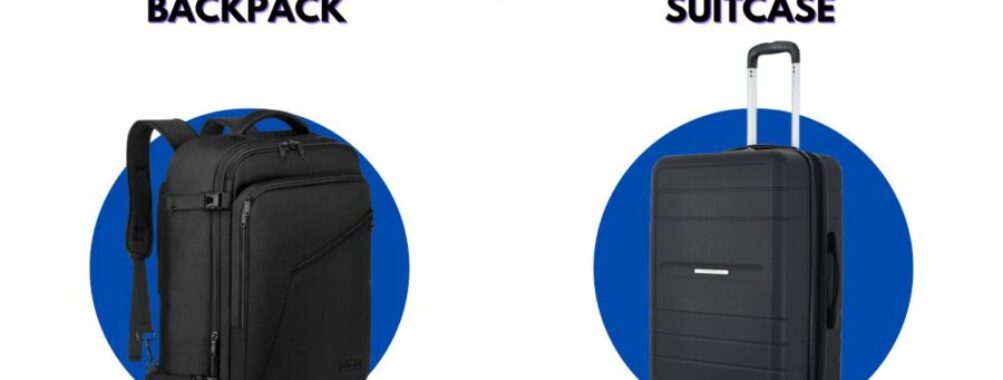
Carry-On Backpack vs Roller Suitcase: The Expert Traveler’s Guide
Updated November 14, 2025
Let’s be real—choosing between a carry-on backpack and a roller suitcase can totally shape your trip. If you crave max mobility and want to breeze past stairs or bumpy sidewalks, grab a backpack. If smooth rolling and wrinkle-free clothes are your jam, stick with a roller.
It’s not just about looking cool. It’s about how you actually move—airports, city streets, hotel lobbies—without feeling like you’re dragging an anchor.
I’ve dragged both through packed European train stations, dusty South American bus stops, and those never-ending airport security lines. Each one has its moments—both good and bad.
The real trick? Match your bag to your travel style, not just your destination. Sometimes, you might even want a mix of both.
Key Takeaways
- Your carry-on totally shapes your comfort, mobility, and sanity
- Backpacks rock for active, flexible travel
- Rollers win if you’re hauling a heavier load or dressing up for business
Table of Contents
- Key Differences Between Carry-On Backpacks and Roller Suitcases
- Mobility and Terrain Handling
- Packing Flexibility and Organization
- Carry-On Size and Airline Restrictions
- Advantages of Carry-On Backpacks
- Hands-Free Travel and Versatility
- Navigating Crowded or Uneven Spaces
- Security and Accessibility
- Benefits of Roller Suitcases for Carry-On Travel
- Ease of Transport and Ergonomics
- Protection for Fragile Items
- Professional Appearance
- Packing Strategies for Each Option
- Using Packing Cubes and Compartments
- Maximizing Space and Weight Efficiency
- Matching Your Travel Style to Your Carry-On Choice
- Best Choice for Business and Urban Travel
- Ideal Option for Adventure and Minimalist Travelers
- Important Considerations Before Deciding
- Trip Length and Itinerary
- Airline Policies and Overhead Bin Space
- Personal Comfort and Physical Needs
- Frequently Asked Questions
- What are the advantages of using a carry-on backpack over a roller suitcase for international travel?
- How do carry-on backpack sizes compare to standard roller suitcase dimensions for overhead compartments?
- Can you highlight the benefits of a backpack with wheels when navigating through airports and city streets?
- What are the key considerations when choosing between underseat luggage and a small backpack for short trips?
- In terms of packing efficiency and mobility, how does a carry-on backpack fare against a suitcase for a European adventure?
- What are the hidden costs and inconveniences associated with traveling with bulky, rolling luggage?
- Book Your Dream Experience
- More Travel Guides
Key Differences Between Carry-On Backpacks and Roller Suitcases

How you move—airports, busy streets, train platforms—will probably sway your decision. Your packing style and airline rules matter too. Each bag shines in its own way, but what works best really depends on what kind of traveler you are.
Mobility and Terrain Handling

If you’re wandering cobblestone streets in Europe or squeezing onto buses in Southeast Asia, a carry-on backpack can be a game-changer. You won’t have to yank wheels over rough ground, and your hands are free for coffee or tickets.
But let’s be honest, if you overpack, your shoulders will let you know. Roller suitcases absolutely glide across smooth airport floors. Four-wheel spinners? You barely have to think about them.
But stairs, gravel, or sand? Suddenly, you’re awkwardly carrying that thing, wishing you’d packed lighter.
Tight train aisles? Backpacks slip through. Rollers? Not so much—they bump, they get stuck, and you’ll probably apologize a lot.
So think about your trip. Are you mostly in airports and hotels, or are you braving unpredictable streets?
Packing Flexibility and Organization
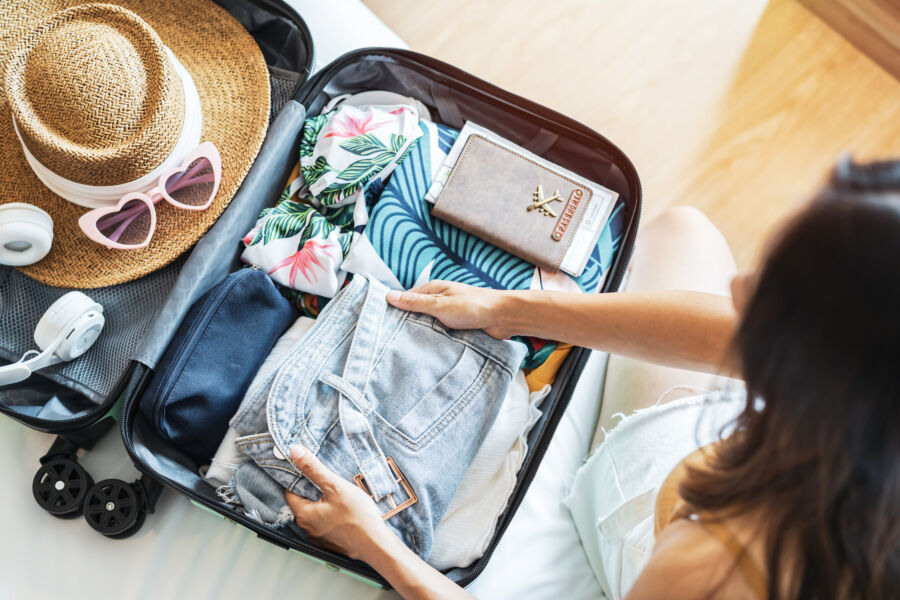
Backpacks usually give you one big compartment and a couple of smaller pockets. That’s perfect if you want to cram in odd-shaped souvenirs or squeeze every inch of space. But if you’re in a rush, digging for that one thing at the bottom can drive you nuts.
Roller suitcases often open flat—clamshell style. You get two neat halves, zippered dividers, and straps to keep things from shifting. It’s way easier to see what you packed without dumping everything out.
If you’re picky about keeping shoes away from clothes or need to protect fragile stuff, a roller’s structure helps. Backpacks? They’re lighter, but not as protective.
Carry-On Size and Airline Restrictions

Airlines can be ruthless about carry-on size and weight. A soft-sided backpack squeezes into overhead bins or under seats, especially on those tiny regional planes. Sometimes, you can overstuff it and sneak by the gate agent.
Roller suitcases don’t flex. If it’s too big, it won’t fit, and you’ll have to check it. Wheels and handles eat up valuable packing space, even if your bag technically fits the rules.
Budget airlines sometimes weigh your bag at the gate. Backpacks are lighter, but if you go wild and stuff it, your back will notice every extra pound. Rollers handle weight better, but their heavy frame can push you over the limit faster.
Advantages of Carry-On Backpacks

A smartly designed carry-on backpack can make your life so much easier. Your gear stays close, your hands stay free, and tight spaces don’t slow you down. Plus, you can get to your essentials fast, and it’s way harder for someone to snatch your stuff.
Hands-Free Travel and Versatility
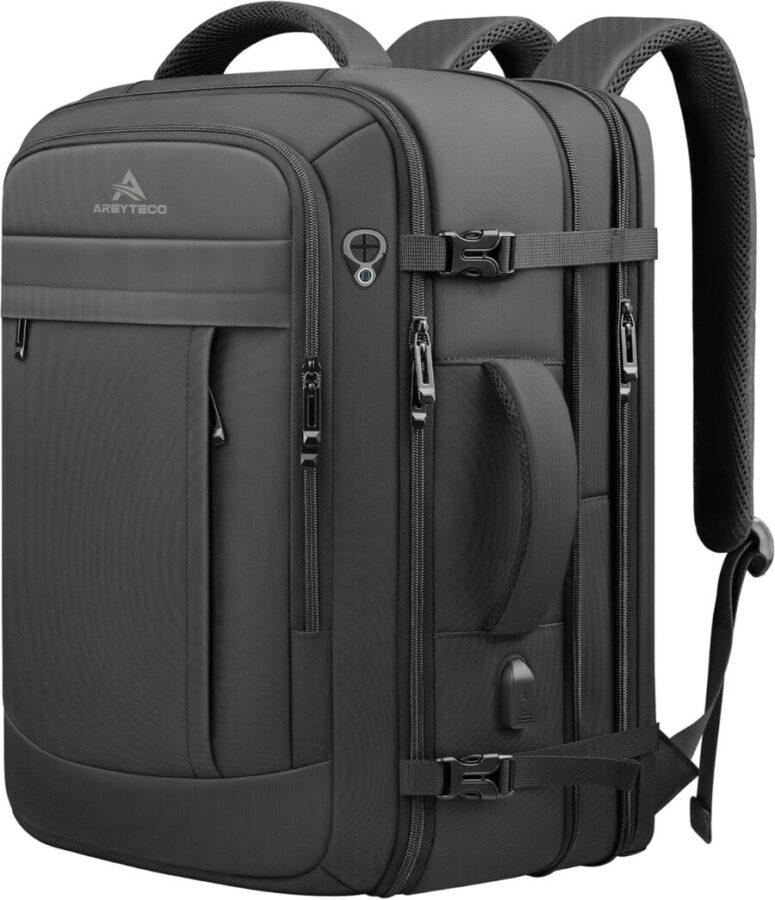
The best thing about a travel backpack? Both hands are yours again. Coffee, phone, snack—you can juggle it all without wrestling a suitcase handle.
Backpack straps spread the weight, and some even have padded waist belts, which is a lifesaver if you’re walking for ages. You can use your carry-on backpack for flights, train rides, or even as a work bag if it’s sleek enough.
Some travel backpacks come with hidden straps or duffel handles for a quick style switch. Ever tried shoving a roller bag onto a crowded bus? Trust me, throwing a backpack over your shoulders is just easier.

Rolling luggage loves smooth floors, but hates cobblestones, gravel, or stairs. A backpack? Doesn’t care—just keep moving.
I’ve strolled through old European towns where roller bags had to stop every few steps. With a backpack, I slipped through crowds and kept my pace.
In tight spots like busy train platforms or narrow hotel halls, you won’t be that person running over ankles with your wheels. Escalators, buses, stairs—backpacks just make it simpler. This freedom is huge if you’re bouncing between different types of transport in one day.
Security and Accessibility
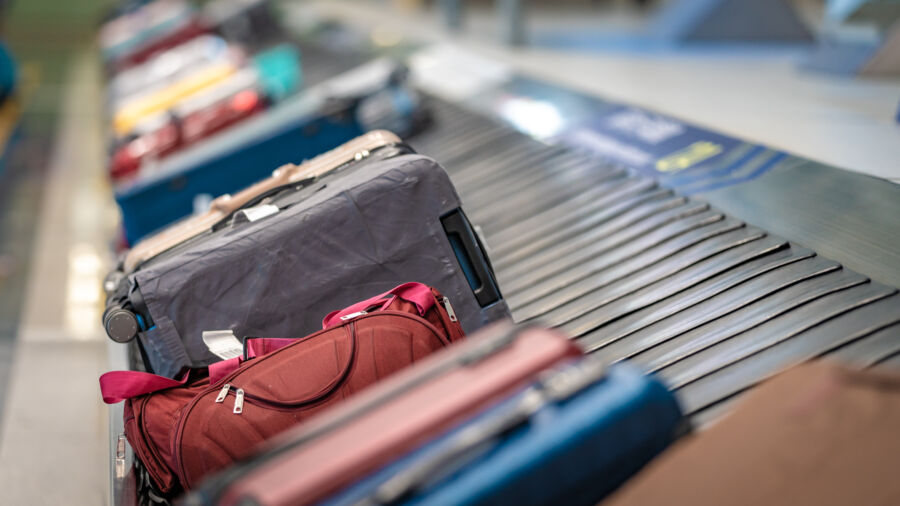
A carry-on backpack stays right on your back, so it’s less likely to get swiped or damaged. Hidden pockets pressed against your body make pickpocketing way harder.
Some travel backpacks come with lockable zippers or cut-resistant fabric, which can be a big plus in crowded places. You can swing your pack around, grab your passport or snack, and move on—no need to find a flat surface or unzip a giant suitcase.
Modern backpacks often open clamshell-style, too, so you’re not blindly digging for stuff. That means less stress and more time soaking up your trip.
See Related: Zero Waste Travel Packing: Essential Tips for Eco-Friendly Adventures
Benefits of Roller Suitcases for Carry-On Travel
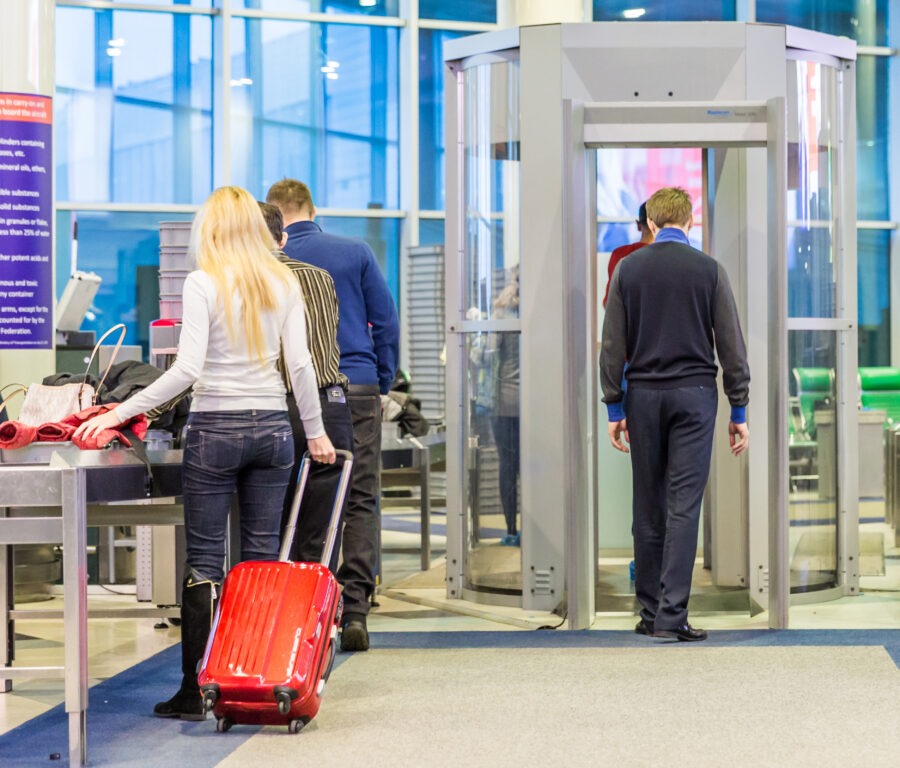
A solid rolling suitcase can save your back, keep your stuff organized, and help you breeze through airports and stations without breaking a sweat. It’s also got way more structure, which is a big deal if you’re hauling anything fragile or business-related.
Ease of Transport and Ergonomics
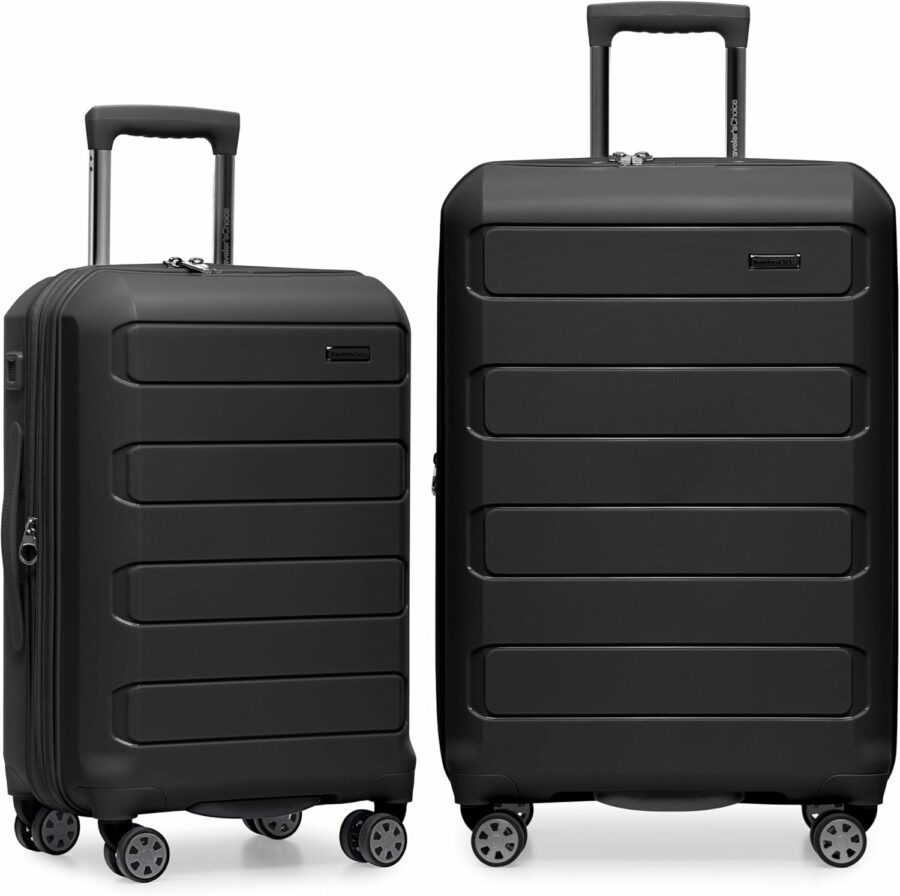
With a rolling bag, the wheels do the heavy lifting. You’re not carrying weight on your back—just pulling or pushing, which feels like a relief after a long day.
Four-wheel spinners are a dream in tight airplane aisles or crowded train platforms. Two-wheelers? They handle rougher ground, but still beat lugging a backpack.
If you’ve got back, knee, or shoulder issues, rolling luggage is just kinder on your body. I’ve had trips where my suitcase felt like it floated behind me, even when packed to the brim. After an hour of city walking, that’s a luxury you’ll appreciate.
Protection for Fragile Items

Hard-shell or structured roller suitcases give your stuff a protective barrier. Electronics, souvenirs, or anything breakable? They’re safer in a roller.
Even soft-sided rollers usually have reinforced corners and a frame that absorbs bumps. I’ve packed camera gear in a roller and never worried about overhead bins.
The flat shape also makes it easier to sandwich fragile items between layers of clothes. With a backpack, things get pressed against your back or crammed into weird corners.
Professional Appearance

Rolling luggage just looks more polished, especially if you’re heading straight from the airport to a meeting. Hotels—especially the fancy ones—treat you a bit differently if you roll in with a neat suitcase instead of a battered backpack. It’s silly, but it happens.
You’ll find roller bags in subtle designs—black, navy, textured—that don’t scream “tourist.” I’ve had hotel staff assume I was a business traveler just because of my bag.
Packing Strategies for Each Option
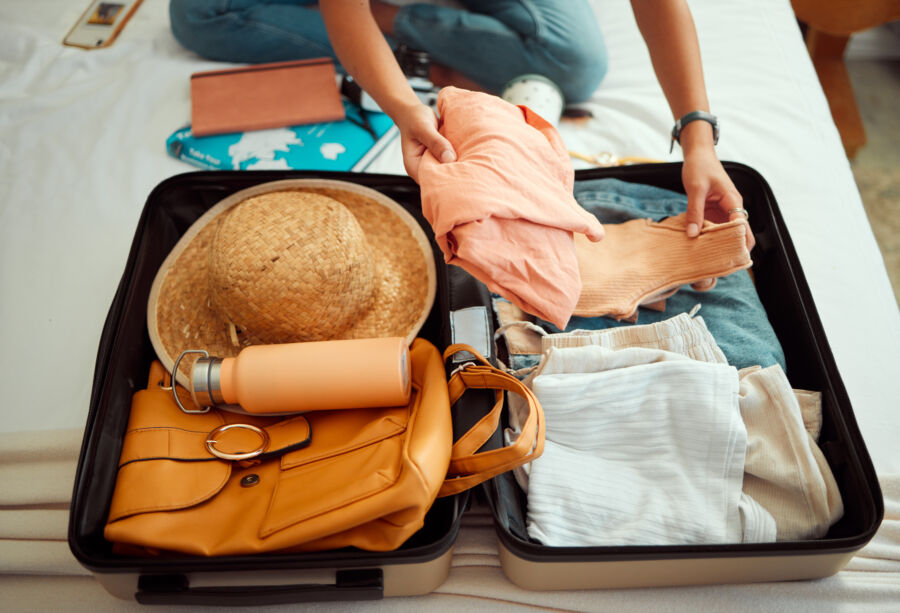
How you pack can totally change your travel experience, whether you’re rolling or carrying. The way you organize your stuff impacts how fast you pack, how easy it is to find things, and how comfortable the bag feels.
Using Packing Cubes and Compartments

Packing cubes are a lifesaver for both backpacks and rollers, but for slightly different reasons. In backpacks, they stop your clothes from collapsing into chaos. In suitcases, they help you layer everything neatly so you can open the bag flat without stuff spilling everywhere.
If your backpack has multiple compartments, assign each one a job—clothes in the main, electronics in a padded sleeve, toiletries in an outer pocket. This keeps you organized and balances the weight.
For suitcases, use the built-in dividers and mesh pockets for smaller things like socks or chargers. A set of lightweight cubes from a travel gear kit keeps everything tidy without much extra weight.
Maximizing Space and Weight Efficiency

With a backpack, even weight distribution is everything. Keep heavy stuff—like shoes or a laptop—close to your back and centered. That way, you won’t feel like you’re tipping backward.
Roll your soft clothes to fill gaps and pad anything fragile. In a roller suitcase, flat packing uses the rectangular space better. Put heavier items near the wheels so your bag stays balanced when upright.
Rolling clothes works, but folding in stacks helps avoid wrinkles if that’s your thing. Always check airline carry-on limits.
Backpacks tempt you to overstuff, while suitcases encourage “just in case” extras. Both can push you over the weight limit, so weigh your bag before you leave.
See Related: Best Travel Bags for Suits: Ultimate Guide to Staying Wrinkle-Free
Matching Your Travel Style to Your Carry-On Choice
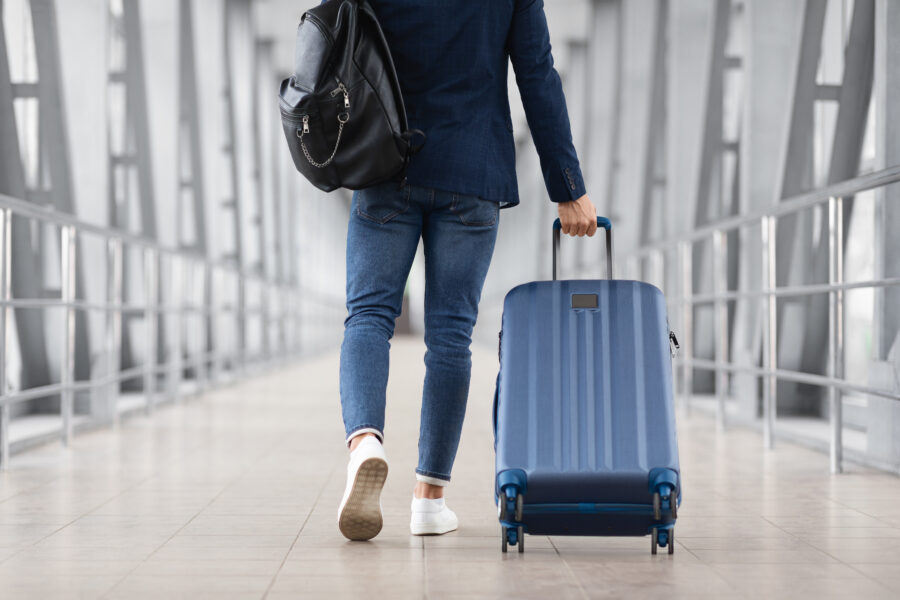
Your carry-on isn’t just a bag—it’s your travel sidekick. The right choice depends on your destination, how you like to move, and what you need to carry without slowing yourself down.
Best Choice for Business and Urban Travel
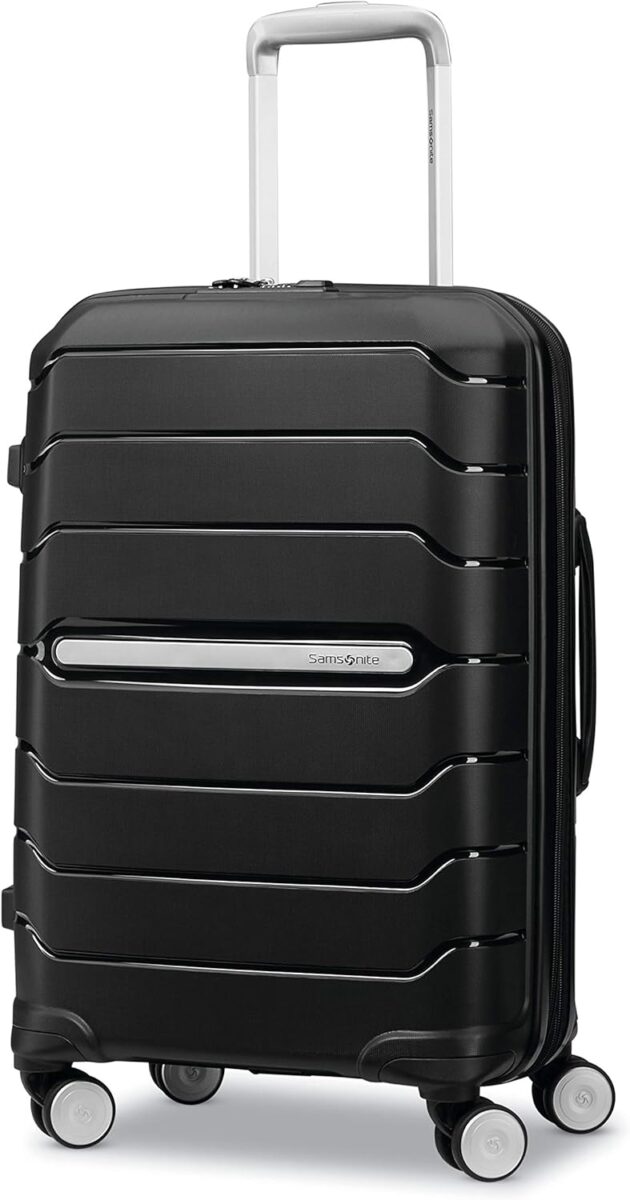
If you’re heading to meetings, conferences, or just staying in cities, a rolling suitcase usually makes life easier. You can keep your clothes crisp, arrive looking sharp, and glide through airports without breaking a sweat.
Wheels work great on flat sidewalks and in hotel lobbies. You can even stack a slim laptop bag on top and roll both—leaving your hands free for coffee or your phone.
A travel backpack still works in cities, especially if you’re hopping on subways or climbing stairs. But heavy loads on your shoulders get old fast, especially in summer heat.
If you need a spot to stash your luggage between check-out and a meeting, check out luggage storage near train stations or airports. That way, you can move around freely without dragging your bag everywhere.
Ideal Option for Adventure and Minimalist Travelers
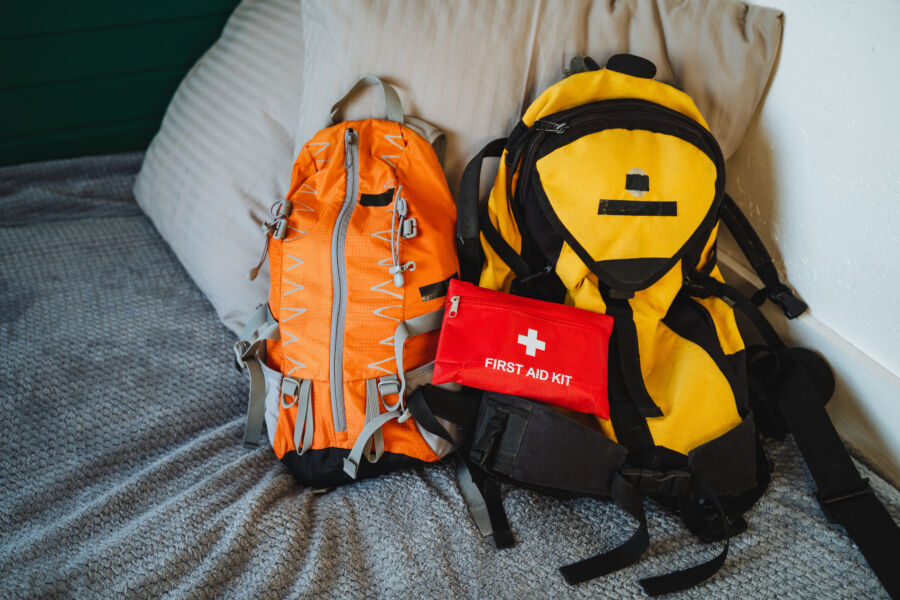
If your trip involves rough terrain, stairs, or tiny guesthouses with no elevators, a travel backpack is usually the way to go. You can carry it over rocky paths, hop on buses, and keep your stuff close in crowded places.
Backpacks are perfect for minimalist packing. If you’re living out of one bag, you can use it as a daypack once you drop off your extra gear at your hotel.
Rolling luggage is a pain on cobblestones, dirt roads, or beaches. Even a short stretch of rough ground can make you wish you’d just gone hands-free.
For adventure travel, being nimble usually matters way more than having perfectly ironed shirts. And if you love chasing last-minute flight deals, a carry-on backpack makes spontaneous getaways so much easier—you can pack light and skip the check-in line entirely.
Important Considerations Before Deciding
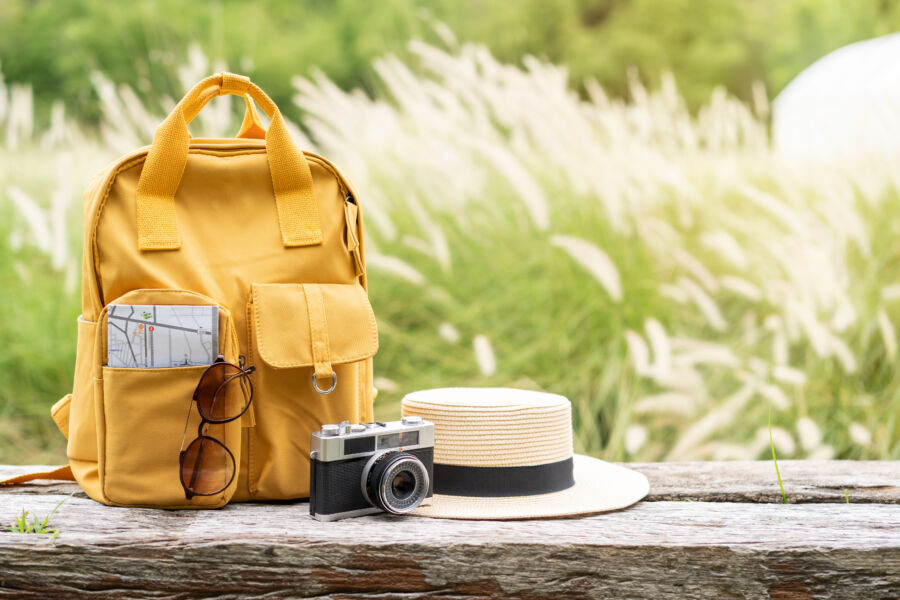
Choosing between a carry-on backpack and a roller suitcase? It really depends on your destination, your travel style, and how your body feels about carrying weight. Even tiny things—like the streets you’ll walk or how jam-packed the plane is—can suddenly make one bag way more appealing than the other.
Trip Length and Itinerary
Short trips where you barely need to change clothes? I always grab a backpack. You can dart through airports, skip waiting at baggage claim, and never worry about wheels snagging on cobblestones.
For longer journeys, especially if you’re packing for different climates or lots of activities, I find a roller suitcase gives you more structured packing space. The boxy shape just makes it easier to keep things tidy and separate.
Think about how you’ll move around. If you’re hopping between little towns by bus or train, a backpack saves you the headache of hoisting a suitcase onto racks or bumping it over cobblestones. But if you’re just going from airport to hotel, a suitcase glides along like a dream.
I’ve done both—lugged a backpack through Lisbon’s alleys and rolled a suitcase across Singapore’s polished airport floors. Honestly, the right bag depends on how much you’re moving and what kind of ground you’ll cover.
Airline Policies and Overhead Bin Space
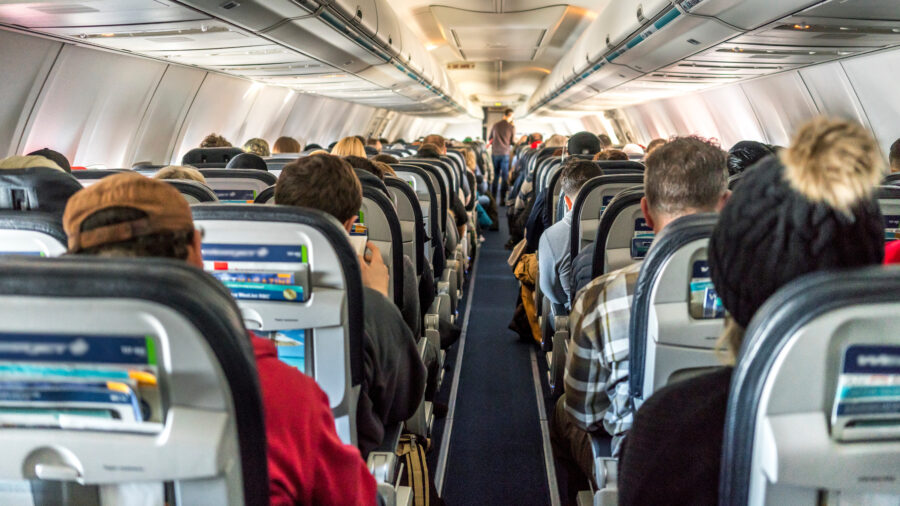
Airlines love to keep us guessing with their carry-on rules. Some budget carriers weigh and measure every bag, while others barely look. Always double-check the size and weight rules for your airline, especially if you’re on the hunt for cheap flights.
Overhead bins? Total wild card. On smaller planes, they fill up fast, and roller suitcases usually get gate-checked first. A soft backpack sometimes squeezes under the seat or into tight bins when a hard case just won’t go.
If you’re connecting on different planes, remember that bin sizes change. I’ve had a carry-on fit perfectly on one flight, then get checked on the next. A flexible backpack usually dodges that problem.
Personal Comfort and Physical Needs
Your comfort matters—a lot more than you might think. A well-fitted backpack spreads the weight over your shoulders and hips, but if you pack heavily, your back might start complaining.
Roller suitcases save your back, but you’ll need to pull or push them through crowds, up curbs, and over stairs. If you’ve got joint or back issues, wheels can be a lifesaver, but only if your route is mostly smooth.
Don’t forget about the weather. Backpacks can get sweaty in hot climates, while rollers keep your back cool. But in snow or mud, dragging wheels can be a nightmare, and you’ll wish you had something you could just carry.
I’ve learned to match my bag to my body and the terrain ahead. Your comfort will shape your trip more than you’d expect.
See Related: Game-Changing Travel Products for Easy Packing
Frequently Asked Questions
Picking between a carry-on backpack and a roller suitcase isn’t just about looks—it’s about how you move, pack, and deal with the chaos of travel. Weight limits, storage, terrain, and even how airport staff treat you can all sway your choice.
What are the advantages of using a carry-on backpack over a roller suitcase for international travel?
A good backpack frees up your hands and makes stairs, cobblestones, and crowded trains way less stressful. You can just sling it on and move fast—no wheels to drag or trip over.
Sometimes, gate agents barely notice backpacks, so you’re less likely to get flagged for bag checks. That can save you a lot of hassle.
How do carry-on backpack sizes compare to standard roller suitcase dimensions for overhead compartments?
Most carry-on backpacks flex a bit more than hard-sided rollers, so you can squeeze them into tighter spots. Airlines usually allow the same max size for both, but a soft backpack can compress if you’ve overstuffed it.
A rigid suitcase? It either fits or it doesn’t—no wiggle room.
A wheeled backpack is a bit of a unicorn. You can roll it through endless airport corridors, then throw it on your back when you hit stairs or rough sidewalks.
It’s especially handy in cities with bumpy sidewalks or if you’re jumping on and off trains and buses.
What are the key considerations when choosing between underseat luggage and a small backpack for short trips?
Underseat luggage is great if you want to reach your stuff mid-flight and don’t plan to walk much with it. It’s tidy and organized, but not comfy for carrying long distances.
A small backpack is lighter, easier to stash, and works as your day bag once you arrive. Just keep in mind, it won’t hold as much.
In terms of packing efficiency and mobility, how does a carry-on backpack fare against a suitcase for a European adventure?
If you’ll be hopping trains, climbing hostel stairs, or wandering old towns with winding alleys, a backpack wins for pure practicality. You can weave through crowds without rolling over toes. A suitcase keeps your clothes neater, but when the streets turn to cobblestones, it’ll slow you down.
Let’s be real—lugging around those big rolling bags can hit your wallet hard with surprise baggage fees, especially on those budget airlines that weigh everything down to the ounce. You might think you’re in the clear, but if the overhead bins fill up, airline staff will probably snatch your bag away to gate-check it.
Now picture yourself in a buzzing city, wrestling your heavy roller up a flight of subway stairs. Or worse, dragging it over cracked sidewalks after a red-eye flight—honestly, it’s way more exhausting than you’d guess.
Book Your Dream Experience
More Travel Guides
Related Posts