
Petroleum Museum
About Petroleum Museum
Description
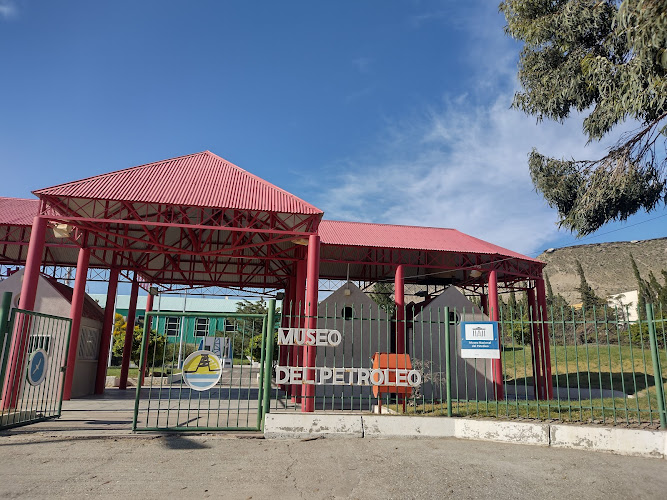
There’s something quietly powerful about standing on the very ground where Argentina’s oil industry began. The Petroleum Museum in Comodoro Rivadavia isn’t your typical museum—it’s a living story of discovery, innovation, and the grit of those who dug deep (literally) to change the country’s future. Built around the historic Well No. 2, the site marks the spot where oil was first discovered on December 13, 1907, forever transforming the region and the nation’s economy. And honestly, even if you’re not a history buff, there’s something magnetic about this place. You can almost feel the hum of machinery and the echoes of the workers who once toiled here.
The museum’s indoor exhibits are surprisingly engaging. They’re divided into thematic sections—“The Resource,” “Technology I and II,” “The Oil Worker,” and “Oil in Everyday Life.” Each section peels back a layer of the petroleum world, from how it’s extracted and refined to how it sneaks into nearly every corner of modern life. There’s even a relatively new addition from 2023: the “YPF Fleet Room,” which showcases the evolution of Argentina’s state oil company vehicles and equipment. It’s a fascinating look at how technology and national pride intertwine in the country’s industrial story.
Step outside, and you’re greeted by the open-air exhibition—a sprawling park filled with machines, tools, and vehicles that once powered the oil fields. Some of them are massive, rusted relics that look like they’ve seen a lifetime of hard work. It’s oddly beautiful in its own way, like a mechanical graveyard that tells a story of progress and perseverance. The outdoor park really brings home the scale of the industry and how much human effort went into every barrel of oil pulled from the earth.
It’s not a flashy, high-tech museum, but it doesn’t need to be. The Petroleum Museum is authentic. It’s real history, told with heart and respect for the people who made it happen. Families, students, and curious travelers all seem to find something that sticks with them—whether it’s the sight of the old drilling rigs or the stories of the early pioneers who worked under brutal conditions. And that’s what makes it special: it’s not just a museum about oil; it’s about people, resilience, and the spark of discovery that changed everything.
Key Features
- Historic Significance: Built around the original oil discovery site from 1907, marking the birth of Argentina’s petroleum industry.
- Indoor Exhibits: Engaging displays covering the geology, technology, and human stories behind oil production.
- New 2023 Addition: The “YPF Fleet Room,” showcasing historic vehicles and equipment used by the national oil company.
- Outdoor Machinery Park: A fascinating open-air collection of tools, rigs, and vehicles from different eras of oil exploration.
- Educational Value: Interactive displays explaining petroleum’s role in daily life and its impact on Argentina’s development.
- Family-Friendly: Welcomes visitors of all ages, with plenty of space for kids to explore safely.
- Guided Tours: Knowledgeable guides offer tours that bring the history and technology to life.
- On-Site Amenities: Restrooms, Wi-Fi, and free parking are available for convenience.
Best Time to Visit
Honestly, any time of year can work, but if you want to make the most of your visit, aim for spring or fall. The weather in Comodoro Rivadavia can be unpredictable—windy one minute, sunny the next—so those milder months tend to be the most comfortable for exploring both the indoor and outdoor exhibits. If you’re anything like me, you’ll want to linger outside among the old rigs and trucks, and that’s much easier when it’s not too hot or blustery. Weekdays are usually quieter, which makes it easier to take your time reading the displays and snapping photos without feeling rushed.
During local holidays or long weekends, it can get busier, especially with families and school groups. That’s not necessarily a bad thing—it adds a bit of life and energy—but if you prefer a slower pace, go mid-morning on a weekday. The museum often hosts special events or temporary exhibits too, so checking ahead before you go can be worth it. You might catch a guided tour or even a demonstration in the machinery park, which adds a whole new dimension to the experience.
How to Get There
Reaching the Petroleum Museum is pretty straightforward if you’re already in Comodoro Rivadavia. The site sits in the southern part of the city and is easily accessible by car, taxi, or local bus. Most visitors prefer driving since there’s free parking on-site and nearby, which makes it convenient if you’re traveling with family or gear. If you’re staying downtown, it’s just a short drive—roughly 10 to 15 minutes depending on traffic. And for those who like to walk, it’s doable but expect a bit of a trek, especially if the Patagonian wind decides to make an appearance (which, let’s be honest, it usually does).
For travelers arriving from other parts of Argentina, Comodoro Rivadavia has a regional airport with flights connecting to major cities like Buenos Aires and Trelew. From the airport, you can grab a taxi or rental car to reach the museum in under 20 minutes. Public transportation is available but can be inconsistent, so if you’re short on time, a car or taxi is your best bet. The roads are well-marked, and the route offers some nice glimpses of the city’s industrial side—a reminder that oil still plays a big role here.
Tips for Visiting
First tip? Take your time. This isn’t the kind of museum you rush through. There’s a lot to absorb, from the technical details of drilling to the cultural impact of oil on Argentina’s growth. If you can, join a guided tour—it’s worth it. The guides are locals who know the stories behind the artifacts and often share anecdotes you won’t find on the display plaques. I remember one guide telling me about how an old pumpjack in the yard had been hauled across the desert in the 1940s—by mule! Those kinds of details stick with you.
Wear comfortable shoes. The outdoor area is large and uneven in spots, so you’ll be glad you did. Bring a jacket too, even in summer; the Patagonian wind has a way of sneaking up on you. Photography is allowed, and you’ll definitely want your camera—especially for the outdoor machines, which make for some fantastic industrial-style shots. If you’re traveling with kids, they’ll love exploring the big equipment, but keep an eye on them since some areas aren’t fully fenced off.
There’s no restaurant on-site, but you’ll find a few local cafés and eateries within a short drive. I usually grab a snack before heading there and then plan lunch afterward—there’s something satisfying about reflecting on all that history over a good meal. Wi-Fi is available inside, which is handy if you like sharing photos or looking up more info as you go. And while the museum isn’t fully wheelchair accessible, it does have some accessible seating and restrooms, so visitors with mobility needs can still enjoy much of what’s on offer.
One last thing—don’t underestimate how emotional this place can be. It’s easy to think of oil as just another industry, but when you’re standing where it all began, surrounded by the machines and stories of the people who made it happen, it hits differently. It’s humbling, really. The Petroleum Museum isn’t just about black gold—it’s about human ambition, endurance, and the spark of discovery that keeps driving us forward. If you’re traveling through Patagonia, make time for this stop. It’s a piece of Argentina’s soul that too many travelers overlook, and you’ll leave with a deeper appreciation for how the world runs—literally and figuratively.
Key Features
- Key Features
- Best Time to Visit
- How to Get There
- Tips for Visiting
More Details
Updated November 7, 2025
Table of Contents
Description
There’s something quietly powerful about standing on the very ground where Argentina’s oil industry began. The Petroleum Museum in Comodoro Rivadavia isn’t your typical museum—it’s a living story of discovery, innovation, and the grit of those who dug deep (literally) to change the country’s future. Built around the historic Well No. 2, the site marks the spot where oil was first discovered on December 13, 1907, forever transforming the region and the nation’s economy. And honestly, even if you’re not a history buff, there’s something magnetic about this place. You can almost feel the hum of machinery and the echoes of the workers who once toiled here.
The museum’s indoor exhibits are surprisingly engaging. They’re divided into thematic sections—“The Resource,” “Technology I and II,” “The Oil Worker,” and “Oil in Everyday Life.” Each section peels back a layer of the petroleum world, from how it’s extracted and refined to how it sneaks into nearly every corner of modern life. There’s even a relatively new addition from 2023: the “YPF Fleet Room,” which showcases the evolution of Argentina’s state oil company vehicles and equipment. It’s a fascinating look at how technology and national pride intertwine in the country’s industrial story.
Step outside, and you’re greeted by the open-air exhibition—a sprawling park filled with machines, tools, and vehicles that once powered the oil fields. Some of them are massive, rusted relics that look like they’ve seen a lifetime of hard work. It’s oddly beautiful in its own way, like a mechanical graveyard that tells a story of progress and perseverance. The outdoor park really brings home the scale of the industry and how much human effort went into every barrel of oil pulled from the earth.
It’s not a flashy, high-tech museum, but it doesn’t need to be. The Petroleum Museum is authentic. It’s real history, told with heart and respect for the people who made it happen. Families, students, and curious travelers all seem to find something that sticks with them—whether it’s the sight of the old drilling rigs or the stories of the early pioneers who worked under brutal conditions. And that’s what makes it special: it’s not just a museum about oil; it’s about people, resilience, and the spark of discovery that changed everything.
Key Features
- Historic Significance: Built around the original oil discovery site from 1907, marking the birth of Argentina’s petroleum industry.
- Indoor Exhibits: Engaging displays covering the geology, technology, and human stories behind oil production.
- New 2023 Addition: The “YPF Fleet Room,” showcasing historic vehicles and equipment used by the national oil company.
- Outdoor Machinery Park: A fascinating open-air collection of tools, rigs, and vehicles from different eras of oil exploration.
- Educational Value: Interactive displays explaining petroleum’s role in daily life and its impact on Argentina’s development.
- Family-Friendly: Welcomes visitors of all ages, with plenty of space for kids to explore safely.
- Guided Tours: Knowledgeable guides offer tours that bring the history and technology to life.
- On-Site Amenities: Restrooms, Wi-Fi, and free parking are available for convenience.
Best Time to Visit
Honestly, any time of year can work, but if you want to make the most of your visit, aim for spring or fall. The weather in Comodoro Rivadavia can be unpredictable—windy one minute, sunny the next—so those milder months tend to be the most comfortable for exploring both the indoor and outdoor exhibits. If you’re anything like me, you’ll want to linger outside among the old rigs and trucks, and that’s much easier when it’s not too hot or blustery. Weekdays are usually quieter, which makes it easier to take your time reading the displays and snapping photos without feeling rushed.
During local holidays or long weekends, it can get busier, especially with families and school groups. That’s not necessarily a bad thing—it adds a bit of life and energy—but if you prefer a slower pace, go mid-morning on a weekday. The museum often hosts special events or temporary exhibits too, so checking ahead before you go can be worth it. You might catch a guided tour or even a demonstration in the machinery park, which adds a whole new dimension to the experience.
How to Get There
Reaching the Petroleum Museum is pretty straightforward if you’re already in Comodoro Rivadavia. The site sits in the southern part of the city and is easily accessible by car, taxi, or local bus. Most visitors prefer driving since there’s free parking on-site and nearby, which makes it convenient if you’re traveling with family or gear. If you’re staying downtown, it’s just a short drive—roughly 10 to 15 minutes depending on traffic. And for those who like to walk, it’s doable but expect a bit of a trek, especially if the Patagonian wind decides to make an appearance (which, let’s be honest, it usually does).
For travelers arriving from other parts of Argentina, Comodoro Rivadavia has a regional airport with flights connecting to major cities like Buenos Aires and Trelew. From the airport, you can grab a taxi or rental car to reach the museum in under 20 minutes. Public transportation is available but can be inconsistent, so if you’re short on time, a car or taxi is your best bet. The roads are well-marked, and the route offers some nice glimpses of the city’s industrial side—a reminder that oil still plays a big role here.
Tips for Visiting
First tip? Take your time. This isn’t the kind of museum you rush through. There’s a lot to absorb, from the technical details of drilling to the cultural impact of oil on Argentina’s growth. If you can, join a guided tour—it’s worth it. The guides are locals who know the stories behind the artifacts and often share anecdotes you won’t find on the display plaques. I remember one guide telling me about how an old pumpjack in the yard had been hauled across the desert in the 1940s—by mule! Those kinds of details stick with you.
Wear comfortable shoes. The outdoor area is large and uneven in spots, so you’ll be glad you did. Bring a jacket too, even in summer; the Patagonian wind has a way of sneaking up on you. Photography is allowed, and you’ll definitely want your camera—especially for the outdoor machines, which make for some fantastic industrial-style shots. If you’re traveling with kids, they’ll love exploring the big equipment, but keep an eye on them since some areas aren’t fully fenced off.
There’s no restaurant on-site, but you’ll find a few local cafés and eateries within a short drive. I usually grab a snack before heading there and then plan lunch afterward—there’s something satisfying about reflecting on all that history over a good meal. Wi-Fi is available inside, which is handy if you like sharing photos or looking up more info as you go. And while the museum isn’t fully wheelchair accessible, it does have some accessible seating and restrooms, so visitors with mobility needs can still enjoy much of what’s on offer.
One last thing—don’t underestimate how emotional this place can be. It’s easy to think of oil as just another industry, but when you’re standing where it all began, surrounded by the machines and stories of the people who made it happen, it hits differently. It’s humbling, really. The Petroleum Museum isn’t just about black gold—it’s about human ambition, endurance, and the spark of discovery that keeps driving us forward. If you’re traveling through Patagonia, make time for this stop. It’s a piece of Argentina’s soul that too many travelers overlook, and you’ll leave with a deeper appreciation for how the world runs—literally and figuratively.
Key Highlights
- Key Features
- Best Time to Visit
- How to Get There
- Tips for Visiting
Location
Places to Stay Near Petroleum Museum
Find and Book a Tour
Explore More Travel Guides
No reviews found! Be the first to review!
Traveler Reviews for Petroleum Museum
There are no reviews yet. Be the first one to write one.
Have you visited Petroleum Museum? Help other travelers by sharing your review.
You Might Also Like
Bajada 7 - Ferrocarriles Patagonicos

Faro San Jorge
Hotel El Secreto
Find Accommodations Nearby
Recommended Tours & Activities
Visitor Reviews
There are no reviews yet. Be the first one to write one.
Share Your Experience
Have you visited Petroleum Museum? Help other travelers by leaving a review.