
Nampula
About Nampula
Description
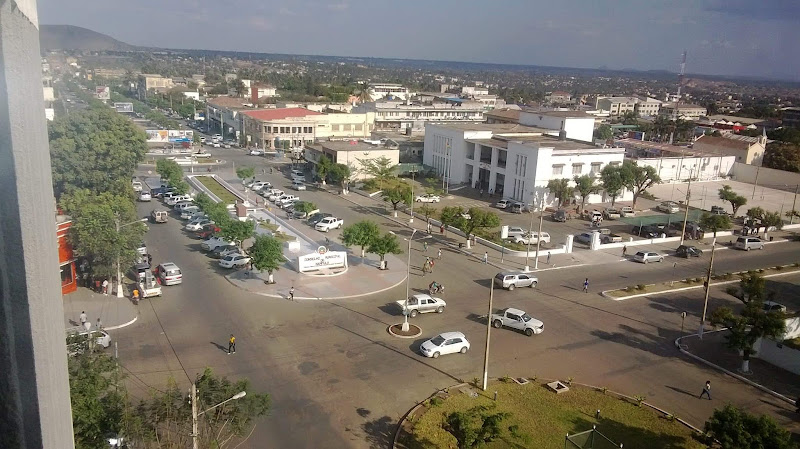
Nampula, the beating heart of northern Mozambique, is one of those places that quietly surprises travelers who make their way off the beaten path. It’s the third-largest city in the country, home to over 740,000 people, yet somehow it still feels approachable—like a city that’s big enough to keep you curious but small enough to feel human. Set about 200 kilometers inland, Nampula sits among wide plains and those dramatic rocky outcrops that seem to rise out of nowhere. Honestly, the first time one sees those granite formations, it’s hard not to stop and just stare. They look almost sculpted by hand, as if nature got a little artistic here.
The city itself hums with a mix of cultures and languages, a blend shaped by Mozambique’s long and layered history. Portuguese is widely spoken, but you’ll also hear Makua, the local language, drifting through the markets and side streets. There’s a sense of everyday life here that feels real—no pretenses, no polished tourist façade. You’ll find street food vendors selling grilled maize, motorbikes weaving through traffic, and the occasional goat wandering across the road like it owns the place (and honestly, it kind of does).
While Nampula isn’t a coastal city like Maputo or Beira, it’s a gateway to some of Mozambique’s most stunning northern beaches. Ilha de Moçambique, a UNESCO World Heritage Site, is just a few hours’ drive away and feels almost like stepping into another century. But Nampula itself deserves more than a quick stopover. It’s the commercial hub of the north, yes, but it’s also a city with character—one that reveals itself slowly if you’re patient enough to look beyond the surface.
Key Features
- Natural Surroundings: The city is surrounded by striking granite hills and rocky outcrops that create a unique landscape for hiking and photography.
- Local Culture: A fascinating mix of Mozambican traditions and Portuguese colonial influences can be seen in its architecture, cuisine, and daily life.
- Markets: The Central Market in Nampula is a sensory overload of colors, smells, and sounds—perfect for those who love authentic travel experiences.
- Museu Nacional de Etnologia: A small but insightful museum that showcases Mozambique’s diverse ethnic groups through artifacts, traditional clothing, and art.
- Gateway to Ilha de Moçambique: Nampula serves as the main access point to this historic island, one of Mozambique’s most treasured destinations.
- Local Cuisine: Expect to find dishes like matapa (a creamy peanut and cassava leaf stew) and fresh tropical fruits from the region’s farms.
- Friendly Locals: People here are known for their warmth and curiosity, often eager to chat or help travelers find their way.
Best Time to Visit
If you’re planning a trip to Nampula, timing matters more than you might think. The climate here is tropical, which means it’s warm year-round, but the seasons can make a big difference in your experience. The dry season, roughly from May to October, is generally considered the best time to visit. The days are sunny, the roads are more reliable, and the air feels crisp, especially in the early mornings.
I’ve been there in July, and the weather was just about perfect for exploring the city on foot. The temperature hovered around 25°C (77°F)—warm enough for short sleeves but not so hot you feel glued to your seat. During the rainy season (November to April), the city turns lush and green, but heavy downpours can make travel a bit tricky, especially if you’re venturing out to rural areas or toward the coast.
That said, if you don’t mind a little rain, the wet season has its charm. The countryside looks alive, and the waterfalls near the surrounding hills are at their most impressive. Just pack a decent rain jacket and maybe a sense of humor for when the roads get muddy.
How to Get There
Getting to Nampula is relatively straightforward, though it depends on where you’re coming from. The city has its own international airport—Nampula International Airport—which connects to Maputo and other major cities in Mozambique, as well as some regional destinations. Flights from Maputo take about two hours, and the view as you approach Nampula is something else—those granite domes scattered across the landscape look like ancient sentinels guarding the city.
If you’re the adventurous type, you can also reach Nampula by road. The highways have improved over the past few years, but expect a mix of smooth asphalt and the occasional rough patch. Traveling by bus or private car gives you a real sense of the Mozambican countryside—villages, baobab trees, and endless open space. For those heading to Ilha de Moçambique afterward, Nampula is the main transit point. From here, it’s about a 3-hour drive to the coast, depending on road conditions and how many photo stops you make along the way.
There’s also a train line that connects Nampula with Cuamba and the Malawian border. It’s not the fastest option, but it’s a memorable one. The rhythm of the train, the chatter of passengers, and the shifting scenery make it a journey in itself. I once took that train just for the experience, and it ended up being one of my favorite travel memories in Mozambique.
Tips for Visiting
Visiting Nampula isn’t quite like visiting a major tourist hub—you’ll need a bit of flexibility and curiosity. But that’s part of the charm, really. Here are some tips to help you make the most of your time there.
- Stay Open-Minded: Nampula isn’t polished for tourism, which is exactly why it’s worth visiting. Expect a few bumps along the way—literally and figuratively—and you’ll be fine.
- Learn a Few Words in Portuguese: Even just saying “bom dia” (good morning) or “obrigado” (thank you) goes a long way. Locals appreciate the effort.
- Cash is King: ATMs are available, but not always reliable. Bring some cash, especially small bills, for taxis, markets, and small eateries.
- Try Local Food: Don’t skip the street food. Grilled chicken, peanuts, and fresh mangoes are local favorites. Just make sure it’s freshly cooked.
- Respect Local Customs: Nampula is a conservative area. Dress modestly, especially if you’re visiting rural communities or religious sites.
- Plan for Connectivity: Internet can be patchy, so download maps and essential info before you go. But honestly, being offline here can be refreshing.
- Explore Beyond the City: Take at least a day trip to the surrounding countryside or to Ilha de Moçambique. The drive itself is part of the adventure.
- Safety First: Nampula is generally safe, but like anywhere, keep an eye on your belongings and avoid walking alone late at night.
One thing that often surprises visitors is how quickly Nampula grows on them. It’s not flashy, but it’s got soul. The people, the rhythm of daily life, the unexpected beauty of the landscape—it all comes together in a way that’s hard to describe until you’ve been there yourself.
If you’re the kind of traveler who loves discovering places before they’re “discovered,” Nampula might just be your kind of city. It’s a place that rewards curiosity and patience, a city that doesn’t rush to impress but quietly wins you over with its authenticity. And who knows—maybe, like many travelers before, you’ll find yourself planning to stay just one more day.
Key Features
- Key Features
- Best Time to Visit
- How to Get There
- Tips for Visiting
More Details
Updated November 7, 2025
Table of Contents
Description
Nampula, the beating heart of northern Mozambique, is one of those places that quietly surprises travelers who make their way off the beaten path. It’s the third-largest city in the country, home to over 740,000 people, yet somehow it still feels approachable—like a city that’s big enough to keep you curious but small enough to feel human. Set about 200 kilometers inland, Nampula sits among wide plains and those dramatic rocky outcrops that seem to rise out of nowhere. Honestly, the first time one sees those granite formations, it’s hard not to stop and just stare. They look almost sculpted by hand, as if nature got a little artistic here.
The city itself hums with a mix of cultures and languages, a blend shaped by Mozambique’s long and layered history. Portuguese is widely spoken, but you’ll also hear Makua, the local language, drifting through the markets and side streets. There’s a sense of everyday life here that feels real—no pretenses, no polished tourist façade. You’ll find street food vendors selling grilled maize, motorbikes weaving through traffic, and the occasional goat wandering across the road like it owns the place (and honestly, it kind of does).
While Nampula isn’t a coastal city like Maputo or Beira, it’s a gateway to some of Mozambique’s most stunning northern beaches. Ilha de Moçambique, a UNESCO World Heritage Site, is just a few hours’ drive away and feels almost like stepping into another century. But Nampula itself deserves more than a quick stopover. It’s the commercial hub of the north, yes, but it’s also a city with character—one that reveals itself slowly if you’re patient enough to look beyond the surface.
Key Features
- Natural Surroundings: The city is surrounded by striking granite hills and rocky outcrops that create a unique landscape for hiking and photography.
- Local Culture: A fascinating mix of Mozambican traditions and Portuguese colonial influences can be seen in its architecture, cuisine, and daily life.
- Markets: The Central Market in Nampula is a sensory overload of colors, smells, and sounds—perfect for those who love authentic travel experiences.
- Museu Nacional de Etnologia: A small but insightful museum that showcases Mozambique’s diverse ethnic groups through artifacts, traditional clothing, and art.
- Gateway to Ilha de Moçambique: Nampula serves as the main access point to this historic island, one of Mozambique’s most treasured destinations.
- Local Cuisine: Expect to find dishes like matapa (a creamy peanut and cassava leaf stew) and fresh tropical fruits from the region’s farms.
- Friendly Locals: People here are known for their warmth and curiosity, often eager to chat or help travelers find their way.
Best Time to Visit
If you’re planning a trip to Nampula, timing matters more than you might think. The climate here is tropical, which means it’s warm year-round, but the seasons can make a big difference in your experience. The dry season, roughly from May to October, is generally considered the best time to visit. The days are sunny, the roads are more reliable, and the air feels crisp, especially in the early mornings.
I’ve been there in July, and the weather was just about perfect for exploring the city on foot. The temperature hovered around 25°C (77°F)—warm enough for short sleeves but not so hot you feel glued to your seat. During the rainy season (November to April), the city turns lush and green, but heavy downpours can make travel a bit tricky, especially if you’re venturing out to rural areas or toward the coast.
That said, if you don’t mind a little rain, the wet season has its charm. The countryside looks alive, and the waterfalls near the surrounding hills are at their most impressive. Just pack a decent rain jacket and maybe a sense of humor for when the roads get muddy.
How to Get There
Getting to Nampula is relatively straightforward, though it depends on where you’re coming from. The city has its own international airport—Nampula International Airport—which connects to Maputo and other major cities in Mozambique, as well as some regional destinations. Flights from Maputo take about two hours, and the view as you approach Nampula is something else—those granite domes scattered across the landscape look like ancient sentinels guarding the city.
If you’re the adventurous type, you can also reach Nampula by road. The highways have improved over the past few years, but expect a mix of smooth asphalt and the occasional rough patch. Traveling by bus or private car gives you a real sense of the Mozambican countryside—villages, baobab trees, and endless open space. For those heading to Ilha de Moçambique afterward, Nampula is the main transit point. From here, it’s about a 3-hour drive to the coast, depending on road conditions and how many photo stops you make along the way.
There’s also a train line that connects Nampula with Cuamba and the Malawian border. It’s not the fastest option, but it’s a memorable one. The rhythm of the train, the chatter of passengers, and the shifting scenery make it a journey in itself. I once took that train just for the experience, and it ended up being one of my favorite travel memories in Mozambique.
Tips for Visiting
Visiting Nampula isn’t quite like visiting a major tourist hub—you’ll need a bit of flexibility and curiosity. But that’s part of the charm, really. Here are some tips to help you make the most of your time there.
- Stay Open-Minded: Nampula isn’t polished for tourism, which is exactly why it’s worth visiting. Expect a few bumps along the way—literally and figuratively—and you’ll be fine.
- Learn a Few Words in Portuguese: Even just saying “bom dia” (good morning) or “obrigado” (thank you) goes a long way. Locals appreciate the effort.
- Cash is King: ATMs are available, but not always reliable. Bring some cash, especially small bills, for taxis, markets, and small eateries.
- Try Local Food: Don’t skip the street food. Grilled chicken, peanuts, and fresh mangoes are local favorites. Just make sure it’s freshly cooked.
- Respect Local Customs: Nampula is a conservative area. Dress modestly, especially if you’re visiting rural communities or religious sites.
- Plan for Connectivity: Internet can be patchy, so download maps and essential info before you go. But honestly, being offline here can be refreshing.
- Explore Beyond the City: Take at least a day trip to the surrounding countryside or to Ilha de Moçambique. The drive itself is part of the adventure.
- Safety First: Nampula is generally safe, but like anywhere, keep an eye on your belongings and avoid walking alone late at night.
One thing that often surprises visitors is how quickly Nampula grows on them. It’s not flashy, but it’s got soul. The people, the rhythm of daily life, the unexpected beauty of the landscape—it all comes together in a way that’s hard to describe until you’ve been there yourself.
If you’re the kind of traveler who loves discovering places before they’re “discovered,” Nampula might just be your kind of city. It’s a place that rewards curiosity and patience, a city that doesn’t rush to impress but quietly wins you over with its authenticity. And who knows—maybe, like many travelers before, you’ll find yourself planning to stay just one more day.
Key Highlights
- Key Features
- Best Time to Visit
- How to Get There
- Tips for Visiting
Location
Places to Stay Near Nampula
Find and Book a Tour
Explore More Travel Guides
No reviews found! Be the first to review!
Traveler Reviews for Nampula
There are no reviews yet. Be the first one to write one.
Have you visited Nampula? Help other travelers by sharing your review.
You Might Also Like
VIP supermercado

CASA PROVINCIAL DE CULTURA DE NAMPULA

Mesquita Central de Nampula
Find Accommodations Nearby
Recommended Tours & Activities
Visitor Reviews
There are no reviews yet. Be the first one to write one.
Share Your Experience
Have you visited Nampula? Help other travelers by leaving a review.