

Laoshan Mountain
About Laoshan Mountain
Description
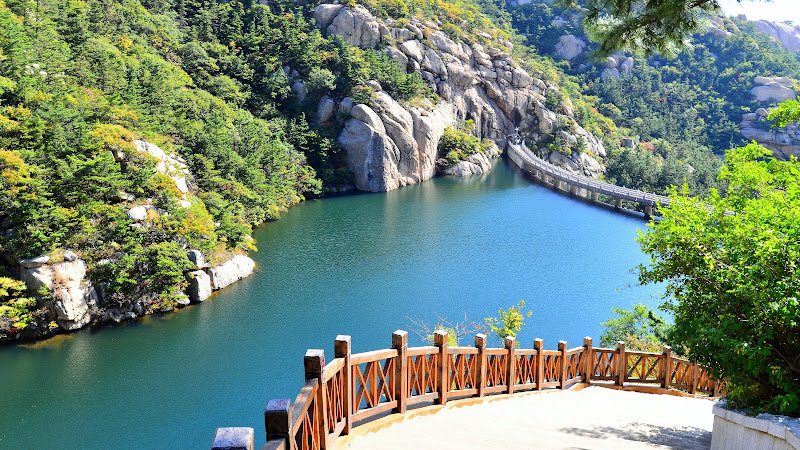
Laoshan Mountain, perched on the eastern coast of Shandong Province, is a place that really grabs your attention. It’s not just any mountain—it’s the tallest peak along China’s coastline, reaching up to 1,133 meters at its highest point, Jufeng. Imagine standing there, feeling the sea breeze mixing with the crisp mountain air. It’s a rare combo, where rugged mountain terrain meets the vastness of the ocean, creating a dramatic landscape that’s both wild and serene.
This mountain isn’t just about the views, though those alone are worth the trip. Laoshan is steeped in Taoist history, believed to be a sacred spot for cultivation and spiritual practice for centuries. You can almost sense the ancient energy lingering in the temples and pathways scattered across its vast 446 square kilometers. It’s a place where nature and culture intertwine, offering more than just a hike—it’s an experience that feels timeless.
What’s really cool is how diverse the terrain is. You get everything from steep cliffs dropping into the sea, dense forests, waterfalls, to peaceful coastal spots. And with an 87-kilometer coastline dotted with 18 offshore islands, there’s plenty to explore beyond the peaks. It’s not just a mountain, it’s a whole ecosystem, a sanctuary for those craving a break from city life and a dive into something more elemental.
Key Features
- The highest coastal peak in China, Jufeng, standing at 1,133 meters
- Unique blend of mountain and sea scenery, with cliffs plunging into the ocean
- Rich Taoist heritage, with ancient temples and cultural sites
- Extensive hiking trails covering diverse landscapes—forests, waterfalls, rocky paths
- 87 kilometers of coastline and 18 offshore islands offering stunning coastal views
- Wide range of flora and fauna, perfect for nature lovers and photographers
- Well-developed tourist facilities including visitor centers and marked trails
- Opportunities for both challenging hikes and more relaxed walks
Best Time to Visit
Picking the right time to visit Laoshan can seriously up your experience. Spring and autumn are the sweet spots—think mild weather, blooming flowers or colorful foliage, and fewer crowds. Summers can get warm and humid, which might make those uphill treks a bit sweaty and exhausting, but hey, if you’re a fan of seaside breezes, it’s still doable. Winters are chilly and less popular, but for those who don’t mind the cold, the mountain’s quiet, almost mystical vibe in winter can be pretty enchanting.
One thing to keep in mind is how quickly the weather can shift. You might start a hike under clear skies and suddenly find yourself wrapped in a cool mountain mist. Layers are your best friend here. I’ve been caught off guard by this myself—one moment basking in sunshine, the next shivering in a foggy chill. So, pack smart and be ready for anything.
How to Get There
Getting to Laoshan is pretty straightforward, especially if you’re already in Qingdao, the nearby city. From Qingdao’s city center, it’s roughly an hour’s drive to the main tourist areas of the mountain. You can grab a taxi or hop on a local bus that heads toward the scenic spots. If you’re feeling adventurous, renting a car gives you the freedom to explore at your own pace and stop off at less crowded trailheads or coastal viewpoints.
For travelers coming from further away, Qingdao itself is well-connected by air and rail. Once you land or arrive by train, the mountain is just a short trip away. The tourist centers at Laoshan are well-equipped with information and services to help you navigate the area. Don’t expect fancy luxury transport up the mountain—most of the trails are best tackled on foot, which is part of the charm.
Tips for Visiting
Alright, so you’re gearing up for Laoshan—here’s the lowdown from someone who’s been there and done that a few times. First off, wear sturdy shoes. The trails can be rocky and slippery, especially near the waterfalls or after rain. Trust me, you don’t want to be the person slipping on a mossy stone halfway up the mountain.
Bring water and snacks, but also pack out your trash. The mountain’s natural beauty is precious, and keeping it clean is on all of us. If you’re into photography, mornings and late afternoons offer the best light, plus fewer tourists. Speaking of tourists, try to avoid weekends and public holidays if you want a more peaceful experience.
Don’t rush. Laoshan isn’t just about reaching the summit. Take your time exploring the Taoist temples, soaking in the coastal views, and maybe even chatting with some locals or fellow travelers. There’s a vibe here that’s hard to describe but easy to feel once you’re there.
One last thing—weather can be unpredictable, so always check the forecast before you head out. Layer up and be ready to adjust your plans if the mountain decides to throw a curveball. But hey, that’s part of the adventure, right?
Key Features
- The highest coastal peak in China, Jufeng, standing at 1,133 meters
- Unique blend of mountain and sea scenery, with cliffs plunging into the ocean
- Rich Taoist heritage, with ancient temples and cultural sites
- Extensive hiking trails covering diverse landscapes—forests, waterfalls, rocky paths
- 87 kilometers of coastline and 18 offshore islands offering stunning coastal views
- Wide range of flora and fauna, perfect for nature lovers and photographers
- Well-developed tourist facilities including visitor centers and marked trails
- Opportunities for both challenging hikes and more relaxed walks
More Details
Updated July 21, 2025
Table of Contents
Description
Laoshan Mountain, perched on the eastern coast of Shandong Province, is a place that really grabs your attention. It’s not just any mountain—it’s the tallest peak along China’s coastline, reaching up to 1,133 meters at its highest point, Jufeng. Imagine standing there, feeling the sea breeze mixing with the crisp mountain air. It’s a rare combo, where rugged mountain terrain meets the vastness of the ocean, creating a dramatic landscape that’s both wild and serene.
This mountain isn’t just about the views, though those alone are worth the trip. Laoshan is steeped in Taoist history, believed to be a sacred spot for cultivation and spiritual practice for centuries. You can almost sense the ancient energy lingering in the temples and pathways scattered across its vast 446 square kilometers. It’s a place where nature and culture intertwine, offering more than just a hike—it’s an experience that feels timeless.
What’s really cool is how diverse the terrain is. You get everything from steep cliffs dropping into the sea, dense forests, waterfalls, to peaceful coastal spots. And with an 87-kilometer coastline dotted with 18 offshore islands, there’s plenty to explore beyond the peaks. It’s not just a mountain, it’s a whole ecosystem, a sanctuary for those craving a break from city life and a dive into something more elemental.
Key Features
- The highest coastal peak in China, Jufeng, standing at 1,133 meters
- Unique blend of mountain and sea scenery, with cliffs plunging into the ocean
- Rich Taoist heritage, with ancient temples and cultural sites
- Extensive hiking trails covering diverse landscapes—forests, waterfalls, rocky paths
- 87 kilometers of coastline and 18 offshore islands offering stunning coastal views
- Wide range of flora and fauna, perfect for nature lovers and photographers
- Well-developed tourist facilities including visitor centers and marked trails
- Opportunities for both challenging hikes and more relaxed walks
Best Time to Visit
Picking the right time to visit Laoshan can seriously up your experience. Spring and autumn are the sweet spots—think mild weather, blooming flowers or colorful foliage, and fewer crowds. Summers can get warm and humid, which might make those uphill treks a bit sweaty and exhausting, but hey, if you’re a fan of seaside breezes, it’s still doable. Winters are chilly and less popular, but for those who don’t mind the cold, the mountain’s quiet, almost mystical vibe in winter can be pretty enchanting.
One thing to keep in mind is how quickly the weather can shift. You might start a hike under clear skies and suddenly find yourself wrapped in a cool mountain mist. Layers are your best friend here. I’ve been caught off guard by this myself—one moment basking in sunshine, the next shivering in a foggy chill. So, pack smart and be ready for anything.
How to Get There
Getting to Laoshan is pretty straightforward, especially if you’re already in Qingdao, the nearby city. From Qingdao’s city center, it’s roughly an hour’s drive to the main tourist areas of the mountain. You can grab a taxi or hop on a local bus that heads toward the scenic spots. If you’re feeling adventurous, renting a car gives you the freedom to explore at your own pace and stop off at less crowded trailheads or coastal viewpoints.
For travelers coming from further away, Qingdao itself is well-connected by air and rail. Once you land or arrive by train, the mountain is just a short trip away. The tourist centers at Laoshan are well-equipped with information and services to help you navigate the area. Don’t expect fancy luxury transport up the mountain—most of the trails are best tackled on foot, which is part of the charm.
Tips for Visiting
Alright, so you’re gearing up for Laoshan—here’s the lowdown from someone who’s been there and done that a few times. First off, wear sturdy shoes. The trails can be rocky and slippery, especially near the waterfalls or after rain. Trust me, you don’t want to be the person slipping on a mossy stone halfway up the mountain.
Bring water and snacks, but also pack out your trash. The mountain’s natural beauty is precious, and keeping it clean is on all of us. If you’re into photography, mornings and late afternoons offer the best light, plus fewer tourists. Speaking of tourists, try to avoid weekends and public holidays if you want a more peaceful experience.
Don’t rush. Laoshan isn’t just about reaching the summit. Take your time exploring the Taoist temples, soaking in the coastal views, and maybe even chatting with some locals or fellow travelers. There’s a vibe here that’s hard to describe but easy to feel once you’re there.
One last thing—weather can be unpredictable, so always check the forecast before you head out. Layer up and be ready to adjust your plans if the mountain decides to throw a curveball. But hey, that’s part of the adventure, right?
Key Highlights
- The highest coastal peak in China, Jufeng, standing at 1,133 meters
- Unique blend of mountain and sea scenery, with cliffs plunging into the ocean
- Rich Taoist heritage, with ancient temples and cultural sites
- Extensive hiking trails covering diverse landscapes—forests, waterfalls, rocky paths
- 87 kilometers of coastline and 18 offshore islands offering stunning coastal views
- Wide range of flora and fauna, perfect for nature lovers and photographers
- Well-developed tourist facilities including visitor centers and marked trails
- Opportunities for both challenging hikes and more relaxed walks
Location
Places to Stay Near Laoshan Mountain
Find and Book a Tour
Explore More Travel Guides
No reviews found! Be the first to review!
Traveler Reviews for Laoshan Mountain
There are no reviews yet. Be the first one to write one.
Have you visited Laoshan Mountain? Help other travelers by sharing your review.
You Might Also Like

Golden Sandy Beach
Laoshan District

Jiaozhou Bay Bridge
Find Accommodations Nearby
Recommended Tours & Activities
Visitor Reviews
There are no reviews yet. Be the first one to write one.
Share Your Experience
Have you visited Laoshan Mountain? Help other travelers by leaving a review.