
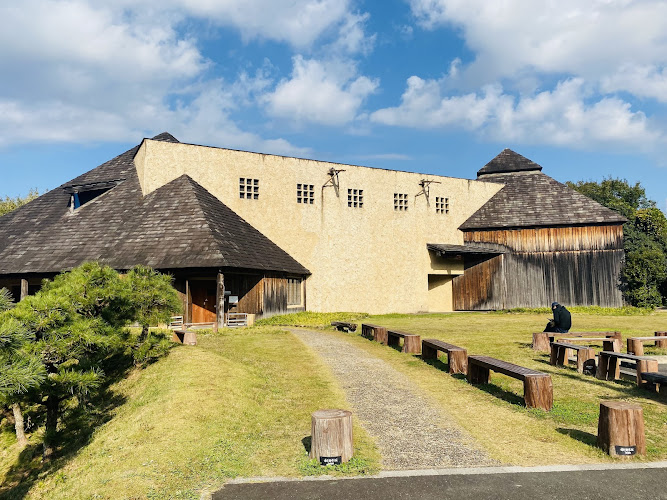
Akino Fuku Art Museum
About Akino Fuku Art Museum
Description
The Akino Fuku Art Museum is one of those places that feels both intimate and expansive at the same time. Dedicated to the life and work of Akino Fuku, a Japanese painter who found inspiration in both her homeland and her travels abroad, the museum offers a thoughtful look at art that bridges cultures. Her works often reflect impressions from India and other parts of Asia, blending traditional Japanese techniques with her own distinct style. Walking through the galleries, you notice how the building itself plays a role in the experience—the walls are finished with natural plaster, wood from the Tenryū region is used throughout, and there’s a quiet, almost meditative atmosphere that makes you slow down and really look.
It’s not a flashy museum, but that’s part of the charm. Visitors often comment on how calming the space feels, and even those who aren’t usually “art people” tend to find something that resonates. Of course, not everyone walks away impressed—some find the collection too niche or the exhibitions too subdued. But if you’re the type who enjoys art with a story behind it, or you simply want to experience a museum that feels rooted in its natural surroundings, this place is worth your time.
One thing I personally loved was the ritual of removing shoes before entering certain spaces. It might sound like a small thing, but it creates a sense of respect for the art and the environment around you. It reminded me of visiting a friend’s home in Japan years ago, where the act of taking off shoes wasn’t just about cleanliness—it was about entering a different state of mind. That same feeling comes across here, and it makes the experience more memorable.
Key Features
- Permanent exhibitions showcasing Akino Fuku’s works, including paintings inspired by her travels in India and Asia
- Rotating temporary exhibitions featuring other Japanese artists
- Architectural design by Fujimori Terunobu, using natural materials like plaster and local timber
- Serene atmosphere that encourages slow, thoughtful viewing
- Wheelchair accessible entrance, parking, and restrooms
- Free on-site parking lot
- Basic amenities such as restrooms and Wi-Fi, though no on-site restaurant
Best Time to Visit
If you ask me, the best times to visit are spring and autumn. In spring, the surrounding Tenryū area is alive with blossoms, and the museum feels like part of a larger seasonal celebration. Autumn, on the other hand, paints the hillsides in warm colors, which pairs beautifully with the earthy tones of the museum’s architecture. Summer can be hot and humid in Shizuoka, and winter has its charm but can feel a bit quiet. That said, if you prefer fewer crowds and a more contemplative experience, winter weekdays are ideal. I once visited in late November, and the crisp air combined with the quiet galleries made it feel like I had the whole place to myself.
How to Get There
Reaching the Akino Fuku Art Museum takes a bit of effort, but that’s part of what makes it special. The museum is located in Hamamatsu’s Tenryū Ward, a region that’s more rural compared to the city center. If you’re coming by train, the nearest station is Futamata-Hommachi on the Tenryū Hamanako Line. From there, it’s a short taxi ride or a longer walk depending on your energy level. Driving is the most convenient option, especially since the museum offers free parking. I’ve done both—once I took the train and walked, which gave me a chance to soak in the local scenery, and another time I drove with friends, which was easier but less adventurous. Either way, the journey adds to the experience.
Tips for Visiting
Here are a few things I’ve learned from visiting and from chatting with other travelers:
- Plan to spend at least 1–2 hours here. It’s not a huge museum, but the works deserve time and attention.
- Bring a light snack or plan to eat before or after your visit since there’s no restaurant on-site. Hamamatsu city has plenty of options if you’re driving back.
- Take your time with the building itself. The architecture is as much a part of the experience as the art, and the natural materials give the space a unique feel.
- If you’re sensitive to crowds, aim for weekday mornings. Weekends can get busier, especially during special exhibitions.
- Don’t rush past the smaller sketches and personal artifacts—they give you a window into Akino Fuku’s process and personality.
- Photography rules vary, so check signage or ask the staff before snapping pictures.
And maybe the most important tip: go in with an open mind. Even if Akino Fuku’s art isn’t your usual style, the combination of setting, design, and cultural context makes the visit worthwhile. Sometimes the places that aren’t on every tourist’s top 10 list end up being the ones you remember most. For me, this museum was exactly that—a quiet surprise that lingered in my thoughts long after I left.
Key Features
- Permanent exhibitions showcasing Akino Fuku’s works, including paintings inspired by her travels in India and Asia
- Rotating temporary exhibitions featuring other Japanese artists
- Architectural design by Fujimori Terunobu, using natural materials like plaster and local timber
- Serene atmosphere that encourages slow, thoughtful viewing
- Wheelchair accessible entrance, parking, and restrooms
- Free on-site parking lot
- Basic amenities such as restrooms and Wi-Fi, though no on-site restaurant
- Plan to spend at least 1–2 hours here. It’s not a huge museum, but the works deserve time and attention.
More Details
Updated September 23, 2025
Table of Contents
Description
The Akino Fuku Art Museum is one of those places that feels both intimate and expansive at the same time. Dedicated to the life and work of Akino Fuku, a Japanese painter who found inspiration in both her homeland and her travels abroad, the museum offers a thoughtful look at art that bridges cultures. Her works often reflect impressions from India and other parts of Asia, blending traditional Japanese techniques with her own distinct style. Walking through the galleries, you notice how the building itself plays a role in the experience—the walls are finished with natural plaster, wood from the Tenryū region is used throughout, and there’s a quiet, almost meditative atmosphere that makes you slow down and really look.
It’s not a flashy museum, but that’s part of the charm. Visitors often comment on how calming the space feels, and even those who aren’t usually “art people” tend to find something that resonates. Of course, not everyone walks away impressed—some find the collection too niche or the exhibitions too subdued. But if you’re the type who enjoys art with a story behind it, or you simply want to experience a museum that feels rooted in its natural surroundings, this place is worth your time.
One thing I personally loved was the ritual of removing shoes before entering certain spaces. It might sound like a small thing, but it creates a sense of respect for the art and the environment around you. It reminded me of visiting a friend’s home in Japan years ago, where the act of taking off shoes wasn’t just about cleanliness—it was about entering a different state of mind. That same feeling comes across here, and it makes the experience more memorable.
Key Features
- Permanent exhibitions showcasing Akino Fuku’s works, including paintings inspired by her travels in India and Asia
- Rotating temporary exhibitions featuring other Japanese artists
- Architectural design by Fujimori Terunobu, using natural materials like plaster and local timber
- Serene atmosphere that encourages slow, thoughtful viewing
- Wheelchair accessible entrance, parking, and restrooms
- Free on-site parking lot
- Basic amenities such as restrooms and Wi-Fi, though no on-site restaurant
Best Time to Visit
If you ask me, the best times to visit are spring and autumn. In spring, the surrounding Tenryū area is alive with blossoms, and the museum feels like part of a larger seasonal celebration. Autumn, on the other hand, paints the hillsides in warm colors, which pairs beautifully with the earthy tones of the museum’s architecture. Summer can be hot and humid in Shizuoka, and winter has its charm but can feel a bit quiet. That said, if you prefer fewer crowds and a more contemplative experience, winter weekdays are ideal. I once visited in late November, and the crisp air combined with the quiet galleries made it feel like I had the whole place to myself.
How to Get There
Reaching the Akino Fuku Art Museum takes a bit of effort, but that’s part of what makes it special. The museum is located in Hamamatsu’s Tenryū Ward, a region that’s more rural compared to the city center. If you’re coming by train, the nearest station is Futamata-Hommachi on the Tenryū Hamanako Line. From there, it’s a short taxi ride or a longer walk depending on your energy level. Driving is the most convenient option, especially since the museum offers free parking. I’ve done both—once I took the train and walked, which gave me a chance to soak in the local scenery, and another time I drove with friends, which was easier but less adventurous. Either way, the journey adds to the experience.
Tips for Visiting
Here are a few things I’ve learned from visiting and from chatting with other travelers:
- Plan to spend at least 1–2 hours here. It’s not a huge museum, but the works deserve time and attention.
- Bring a light snack or plan to eat before or after your visit since there’s no restaurant on-site. Hamamatsu city has plenty of options if you’re driving back.
- Take your time with the building itself. The architecture is as much a part of the experience as the art, and the natural materials give the space a unique feel.
- If you’re sensitive to crowds, aim for weekday mornings. Weekends can get busier, especially during special exhibitions.
- Don’t rush past the smaller sketches and personal artifacts—they give you a window into Akino Fuku’s process and personality.
- Photography rules vary, so check signage or ask the staff before snapping pictures.
And maybe the most important tip: go in with an open mind. Even if Akino Fuku’s art isn’t your usual style, the combination of setting, design, and cultural context makes the visit worthwhile. Sometimes the places that aren’t on every tourist’s top 10 list end up being the ones you remember most. For me, this museum was exactly that—a quiet surprise that lingered in my thoughts long after I left.
Key Highlights
- Permanent exhibitions showcasing Akino Fuku’s works, including paintings inspired by her travels in India and Asia
- Rotating temporary exhibitions featuring other Japanese artists
- Architectural design by Fujimori Terunobu, using natural materials like plaster and local timber
- Serene atmosphere that encourages slow, thoughtful viewing
- Wheelchair accessible entrance, parking, and restrooms
- Free on-site parking lot
- Basic amenities such as restrooms and Wi-Fi, though no on-site restaurant
- Plan to spend at least 1–2 hours here. It’s not a huge museum, but the works deserve time and attention.
Location
Places to Stay Near Akino Fuku Art Museum
Find and Book a Tour
Explore More Travel Guides
No reviews found! Be the first to review!
Traveler Reviews for Akino Fuku Art Museum
There are no reviews yet. Be the first one to write one.
Have you visited Akino Fuku Art Museum? Help other travelers by sharing your review.
You Might Also Like

Tsubutejima
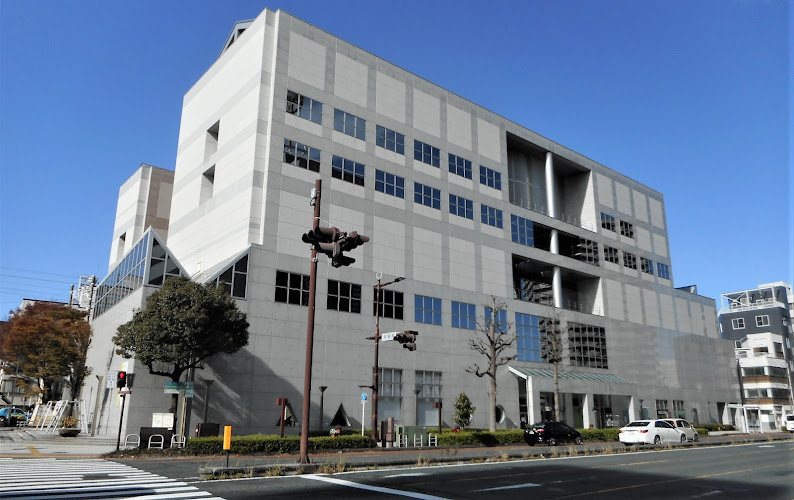
Hamamatsu Intercultural Center

Nakatajima Sand Dunes
Find Accommodations Nearby
Recommended Tours & Activities
Visitor Reviews
There are no reviews yet. Be the first one to write one.
Share Your Experience
Have you visited Akino Fuku Art Museum? Help other travelers by leaving a review.