

Wawel Royal Castle-State Art Collection
About Wawel Royal Castle-State Art Collection
Description
Standing proudly on Wawel Hill in Kraków, the Wawel Royal Castle-State Art Collection is one of those places that feels like it’s been pulled straight from the pages of a history book. Originally begun in the 14th century, the castle has been reshaped and polished over centuries, blending Gothic foundations with Renaissance elegance and Baroque flourishes. For many travelers, it’s not just a museum—it’s a living symbol of Poland’s royal past, a place where kings and queens once made decisions that shaped the nation’s destiny.
Walking through the castle, you’re surrounded by treasures that span centuries: paintings, tapestries, sculptures, armor, and even the Crown Treasury. Some visitors are bowled over by the sheer grandeur, while others find the crowds and ticketing system a bit overwhelming. But that’s part of the charm—you’re stepping into a site that has been at the heart of Polish culture for hundreds of years, so of course it’s going to draw people from all over the world.
Personally, what struck me most wasn’t just the art or the architecture, but the sense of continuity. You can imagine coronations in the cathedral, royal banquets in the chambers, and soldiers guarding the walls. And then you look around and see kids pointing at suits of armor, families snapping photos, and travelers like you and me trying to take it all in. It’s a mix of the solemn and the everyday, which makes it feel real rather than just a dusty monument.
Key Features
- Historic royal residence and seat of Polish monarchs for centuries
- Extensive art collection including Renaissance paintings, Flemish tapestries, and medieval artifacts
- The Crown Treasury and Armory with royal regalia and weaponry
- Stunning cathedral where coronations and royal burials took place
- Wheelchair-accessible entrances, restrooms, and seating areas
- Onsite amenities like restaurants, restrooms, Wi-Fi, and family-friendly facilities including changing tables
- Live performances and cultural events held on the castle grounds
Best Time to Visit
If you’re looking for a quieter experience, aim for weekday mornings outside of peak summer months. Spring and autumn are particularly rewarding—the weather is mild, the crowds are thinner, and you get that golden light that makes the castle’s stone walls glow. Summer can be magical too, especially with the outdoor performances and lively atmosphere, but you’ll need to be ready for long lines and packed courtyards. Winter has its own charm, with fewer tourists and a more contemplative vibe, though some exhibits may have limited hours.
From my own experience, visiting in late September was perfect. The air was crisp, the trees on Wawel Hill were just starting to turn, and I had enough space to linger in the chambers without being jostled along by big tour groups. If you’re someone who likes to take their time and really soak in the details, that shoulder season sweet spot is ideal.
How to Get There
Reaching the Wawel Royal Castle is straightforward. It sits right in the heart of Kraków, so if you’re staying in the Old Town, you can easily walk there in under 15 minutes. Public transport options—buses and trams—stop nearby, and taxis or ride-shares can drop you off at the base of the hill. From there, it’s a short but slightly uphill walk to the entrance. If you’re driving, there are parking options in the area, though spaces can be limited during peak hours.
One thing to note: the approach itself is part of the experience. As you climb up Wawel Hill, you get glimpses of the city below, and by the time you reach the gates, you feel like you’ve already stepped into another era. It’s worth slowing down and enjoying that little transition rather than rushing straight inside.
Tips for Visiting
Here’s the thing about the Wawel Royal Castle—planning ahead makes all the difference. Tickets for the most popular sections, like the Crown Treasury, can sell out quickly, so booking in advance is highly recommended. If you’re traveling with kids, you’ll be happy to know it’s a family-friendly site, with changing tables and plenty of open spaces where children can stretch their legs.
Wear comfortable shoes because there’s a fair amount of walking and some uneven surfaces. And don’t try to cram everything into one visit unless you’re okay with feeling rushed. The collection is vast, and it’s better to focus on a few highlights that really interest you rather than sprinting through every gallery. Personally, I loved the tapestries—there’s something mesmerizing about standing in front of fabric that’s survived centuries of wars and upheavals.
If you’re into photography, mornings or late afternoons give you the best natural light, especially for exterior shots. Inside, be mindful of restrictions—some areas don’t allow photos. And if you’re someone who likes a bit of peace, bring a pair of headphones and download an audio guide. It lets you tune out the chatter and immerse yourself in the stories of the place at your own pace.
Finally, give yourself time to just wander the grounds. The courtyards, gardens, and views over the Vistula River are as much a part of the experience as the exhibits inside. I remember sitting on a bench overlooking the river, watching the sun dip low, and thinking, “This is exactly why people travel.” It’s not just about ticking off a landmark—it’s about finding those little moments that stay with you long after you’ve left.
Key Features
- Historic royal residence and seat of Polish monarchs for centuries
- Extensive art collection including Renaissance paintings, Flemish tapestries, and medieval artifacts
- The Crown Treasury and Armory with royal regalia and weaponry
- Stunning cathedral where coronations and royal burials took place
- Wheelchair-accessible entrances, restrooms, and seating areas
- Onsite amenities like restaurants, restrooms, Wi-Fi, and family-friendly facilities including changing tables
- Live performances and cultural events held on the castle grounds
More Details
Updated September 23, 2025
Table of Contents
- Description
- Key Features
- Best Time to Visit
- How to Get There
- Tips for Visiting
- Key Highlights
- Location
- Places to Stay Near Wawel Royal Castle-State Art Collection
- Find and Book a Tour
- Explore More Travel Guides
- Nearby Places You Might Like
- Traveler Reviews for Wawel Royal Castle-State Art Collection
- Share Your Experience
Description
Standing proudly on Wawel Hill in Kraków, the Wawel Royal Castle-State Art Collection is one of those places that feels like it’s been pulled straight from the pages of a history book. Originally begun in the 14th century, the castle has been reshaped and polished over centuries, blending Gothic foundations with Renaissance elegance and Baroque flourishes. For many travelers, it’s not just a museum—it’s a living symbol of Poland’s royal past, a place where kings and queens once made decisions that shaped the nation’s destiny.
Walking through the castle, you’re surrounded by treasures that span centuries: paintings, tapestries, sculptures, armor, and even the Crown Treasury. Some visitors are bowled over by the sheer grandeur, while others find the crowds and ticketing system a bit overwhelming. But that’s part of the charm—you’re stepping into a site that has been at the heart of Polish culture for hundreds of years, so of course it’s going to draw people from all over the world.
Personally, what struck me most wasn’t just the art or the architecture, but the sense of continuity. You can imagine coronations in the cathedral, royal banquets in the chambers, and soldiers guarding the walls. And then you look around and see kids pointing at suits of armor, families snapping photos, and travelers like you and me trying to take it all in. It’s a mix of the solemn and the everyday, which makes it feel real rather than just a dusty monument.
Key Features
- Historic royal residence and seat of Polish monarchs for centuries
- Extensive art collection including Renaissance paintings, Flemish tapestries, and medieval artifacts
- The Crown Treasury and Armory with royal regalia and weaponry
- Stunning cathedral where coronations and royal burials took place
- Wheelchair-accessible entrances, restrooms, and seating areas
- Onsite amenities like restaurants, restrooms, Wi-Fi, and family-friendly facilities including changing tables
- Live performances and cultural events held on the castle grounds
Best Time to Visit
If you’re looking for a quieter experience, aim for weekday mornings outside of peak summer months. Spring and autumn are particularly rewarding—the weather is mild, the crowds are thinner, and you get that golden light that makes the castle’s stone walls glow. Summer can be magical too, especially with the outdoor performances and lively atmosphere, but you’ll need to be ready for long lines and packed courtyards. Winter has its own charm, with fewer tourists and a more contemplative vibe, though some exhibits may have limited hours.
From my own experience, visiting in late September was perfect. The air was crisp, the trees on Wawel Hill were just starting to turn, and I had enough space to linger in the chambers without being jostled along by big tour groups. If you’re someone who likes to take their time and really soak in the details, that shoulder season sweet spot is ideal.
How to Get There
Reaching the Wawel Royal Castle is straightforward. It sits right in the heart of Kraków, so if you’re staying in the Old Town, you can easily walk there in under 15 minutes. Public transport options—buses and trams—stop nearby, and taxis or ride-shares can drop you off at the base of the hill. From there, it’s a short but slightly uphill walk to the entrance. If you’re driving, there are parking options in the area, though spaces can be limited during peak hours.
One thing to note: the approach itself is part of the experience. As you climb up Wawel Hill, you get glimpses of the city below, and by the time you reach the gates, you feel like you’ve already stepped into another era. It’s worth slowing down and enjoying that little transition rather than rushing straight inside.
Tips for Visiting
Here’s the thing about the Wawel Royal Castle—planning ahead makes all the difference. Tickets for the most popular sections, like the Crown Treasury, can sell out quickly, so booking in advance is highly recommended. If you’re traveling with kids, you’ll be happy to know it’s a family-friendly site, with changing tables and plenty of open spaces where children can stretch their legs.
Wear comfortable shoes because there’s a fair amount of walking and some uneven surfaces. And don’t try to cram everything into one visit unless you’re okay with feeling rushed. The collection is vast, and it’s better to focus on a few highlights that really interest you rather than sprinting through every gallery. Personally, I loved the tapestries—there’s something mesmerizing about standing in front of fabric that’s survived centuries of wars and upheavals.
If you’re into photography, mornings or late afternoons give you the best natural light, especially for exterior shots. Inside, be mindful of restrictions—some areas don’t allow photos. And if you’re someone who likes a bit of peace, bring a pair of headphones and download an audio guide. It lets you tune out the chatter and immerse yourself in the stories of the place at your own pace.
Finally, give yourself time to just wander the grounds. The courtyards, gardens, and views over the Vistula River are as much a part of the experience as the exhibits inside. I remember sitting on a bench overlooking the river, watching the sun dip low, and thinking, “This is exactly why people travel.” It’s not just about ticking off a landmark—it’s about finding those little moments that stay with you long after you’ve left.
Key Highlights
- Historic royal residence and seat of Polish monarchs for centuries
- Extensive art collection including Renaissance paintings, Flemish tapestries, and medieval artifacts
- The Crown Treasury and Armory with royal regalia and weaponry
- Stunning cathedral where coronations and royal burials took place
- Wheelchair-accessible entrances, restrooms, and seating areas
- Onsite amenities like restaurants, restrooms, Wi-Fi, and family-friendly facilities including changing tables
- Live performances and cultural events held on the castle grounds
Location
Places to Stay Near Wawel Royal Castle-State Art Collection
Find and Book a Tour
Explore More Travel Guides
No reviews found! Be the first to review!
Traveler Reviews for Wawel Royal Castle-State Art Collection
There are no reviews yet. Be the first one to write one.
Have you visited Wawel Royal Castle-State Art Collection? Help other travelers by sharing your review.
You Might Also Like
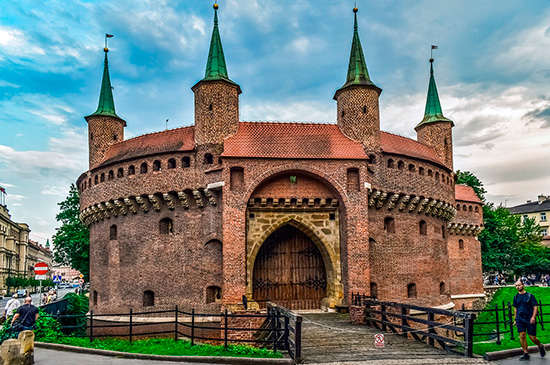
Kraków Barbican
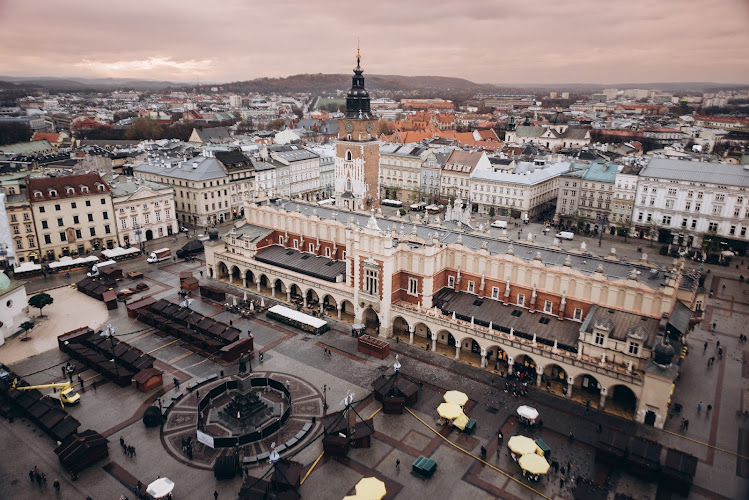
Rynek Underground Museum
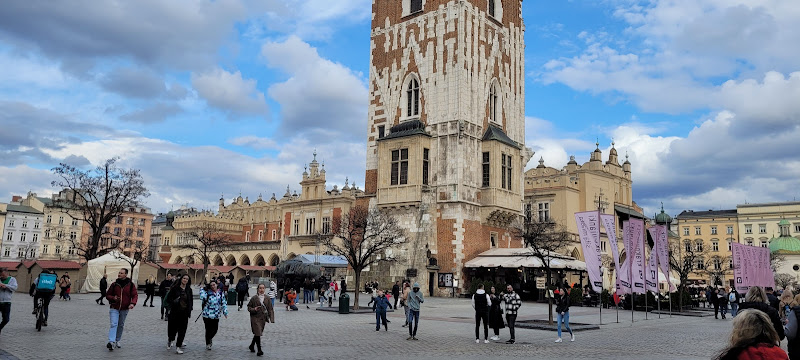
Kraków
Find Accommodations Nearby
Recommended Tours & Activities
Visitor Reviews
There are no reviews yet. Be the first one to write one.
Share Your Experience
Have you visited Wawel Royal Castle-State Art Collection? Help other travelers by leaving a review.