
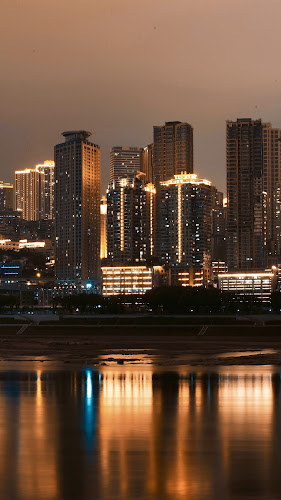
Yuzhong District
About Yuzhong District
Description
Yuzhong District is the beating heart of Chongqing, and honestly, you can feel that energy the moment you set foot there. It’s not just the political and economic hub of the municipality—it’s where the city’s pulse is the strongest. The skyscrapers rise like steel giants, the neon lights bounce off the riverbanks at night, and the old alleyways still whisper stories of the past. That mix of modern ambition and deep-rooted history makes Yuzhong feel both timeless and forward-looking at the same time.
What’s really striking is how the district sits on a peninsula formed by the Jialing and Yangtze Rivers. You’re constantly aware of the water around you, and it shapes the way you experience the city. One minute you’re weaving through buzzing shopping streets, and the next you’re standing on a lookout, watching boats drift lazily down the river. It’s a place of contrasts—towering financial buildings right next to traditional teahouses. Some visitors find it overwhelming at first (I did too, the first time I walked through Jiefangbei Square), but once you let yourself sink into the rhythm, it’s addictive.
There are parts of Yuzhong that feel chaotic, sure—the crowds, the traffic, the noise—but that’s part of its character. And then there are those quiet corners, like a tucked-away temple or a riverside promenade at dusk, that remind you why people fall in love with this district. It’s a place that doesn’t just show you Chongqing—it explains it.
Key Features
- The famous Jiefangbei CBD, often compared to Times Square but with its own unique flavor
- The historic Ciqikou Ancient Town, with its narrow streets and traditional snacks
- Chaotianmen Dock, where the Yangtze and Jialing Rivers meet
- Hongya Cave, the cliffside complex that glows at night like something out of a storybook
- A thriving food scene, from spicy hotpot joints to tiny noodle shops hidden in alleys
- Plenty of cultural landmarks, including theaters, museums, and old guild halls
- Skyline views that rival any major city in Asia, especially when lit up after sunset
Best Time to Visit
Chongqing has a reputation for its hot, humid summers—locals call it one of China’s “three furnaces.” If you’re not a fan of sweating through your shirt in five minutes, avoid July and August. Spring (March to May) and autumn (September to November) are far more pleasant, with temperatures that make walking around the district enjoyable.
Winter is surprisingly mild compared to northern China, though it can get damp and foggy. Personally, I think the fog adds a kind of cinematic touch to the skyline, especially when the bridges disappear into the mist. If you’re into photography, that season might be your sweet spot.
How to Get There
Yuzhong is right in the center of Chongqing, so getting there is straightforward. If you’re flying in, Chongqing Jiangbei International Airport is about 30 kilometers away, and from there, you can hop on the metro, grab a taxi, or use a ride-hailing app. The metro is clean, efficient, and covers most of the district’s highlights.
For those already in the city, buses and light rail lines crisscross Yuzhong, though be prepared for some steep hills and stair climbs—it’s not called the “mountain city” for nothing. I once underestimated the incline between two metro stations and ended up drenched in sweat halfway up, so wear good shoes and pace yourself.
Tips for Visiting
First, bring comfortable walking shoes. I can’t stress this enough. Yuzhong’s terrain is hilly, with staircases that pop up out of nowhere. It’s part of the charm, but it can wear you out if you’re not prepared.
Second, don’t just stick to the big-name attractions. Sure, Hongya Cave and Jiefangbei are worth seeing, but some of my favorite memories came from wandering side streets, stumbling upon a noodle shop with only three tables, and chatting with locals who were curious about where I was from.
Third, try the hotpot, but pace yourself. Chongqing hotpot is fiery, and even if you think you can handle spice, this city might prove you wrong. Order a split pot (half spicy, half mild) if you’re not sure. And keep a cold drink handy—trust me on this one.
Finally, give yourself time. Yuzhong isn’t the kind of place you can “do” in a day. The district has layers—historic, cultural, modern—and it takes a few days to peel them back. If you rush, you’ll miss the small details that make it special, like the way the skyline reflects on the river at night or the sound of mahjong tiles clacking in a quiet courtyard.
Travelers who want a real sense of Chongqing’s soul will find it here in Yuzhong. It’s not perfect—sometimes it’s crowded, sometimes it’s noisy—but that’s exactly why it feels alive. And once you’ve walked its streets, eaten its food, and watched its rivers flow, you’ll carry a bit of that energy with you long after you’ve left.
Key Features
- The famous Jiefangbei CBD, often compared to Times Square but with its own unique flavor
- The historic Ciqikou Ancient Town, with its narrow streets and traditional snacks
- Chaotianmen Dock, where the Yangtze and Jialing Rivers meet
- Hongya Cave, the cliffside complex that glows at night like something out of a storybook
- A thriving food scene, from spicy hotpot joints to tiny noodle shops hidden in alleys
- Plenty of cultural landmarks, including theaters, museums, and old guild halls
- Skyline views that rival any major city in Asia, especially when lit up after sunset
More Details
Updated September 23, 2025
Table of Contents
Description
Yuzhong District is the beating heart of Chongqing, and honestly, you can feel that energy the moment you set foot there. It’s not just the political and economic hub of the municipality—it’s where the city’s pulse is the strongest. The skyscrapers rise like steel giants, the neon lights bounce off the riverbanks at night, and the old alleyways still whisper stories of the past. That mix of modern ambition and deep-rooted history makes Yuzhong feel both timeless and forward-looking at the same time.
What’s really striking is how the district sits on a peninsula formed by the Jialing and Yangtze Rivers. You’re constantly aware of the water around you, and it shapes the way you experience the city. One minute you’re weaving through buzzing shopping streets, and the next you’re standing on a lookout, watching boats drift lazily down the river. It’s a place of contrasts—towering financial buildings right next to traditional teahouses. Some visitors find it overwhelming at first (I did too, the first time I walked through Jiefangbei Square), but once you let yourself sink into the rhythm, it’s addictive.
There are parts of Yuzhong that feel chaotic, sure—the crowds, the traffic, the noise—but that’s part of its character. And then there are those quiet corners, like a tucked-away temple or a riverside promenade at dusk, that remind you why people fall in love with this district. It’s a place that doesn’t just show you Chongqing—it explains it.
Key Features
- The famous Jiefangbei CBD, often compared to Times Square but with its own unique flavor
- The historic Ciqikou Ancient Town, with its narrow streets and traditional snacks
- Chaotianmen Dock, where the Yangtze and Jialing Rivers meet
- Hongya Cave, the cliffside complex that glows at night like something out of a storybook
- A thriving food scene, from spicy hotpot joints to tiny noodle shops hidden in alleys
- Plenty of cultural landmarks, including theaters, museums, and old guild halls
- Skyline views that rival any major city in Asia, especially when lit up after sunset
Best Time to Visit
Chongqing has a reputation for its hot, humid summers—locals call it one of China’s “three furnaces.” If you’re not a fan of sweating through your shirt in five minutes, avoid July and August. Spring (March to May) and autumn (September to November) are far more pleasant, with temperatures that make walking around the district enjoyable.
Winter is surprisingly mild compared to northern China, though it can get damp and foggy. Personally, I think the fog adds a kind of cinematic touch to the skyline, especially when the bridges disappear into the mist. If you’re into photography, that season might be your sweet spot.
How to Get There
Yuzhong is right in the center of Chongqing, so getting there is straightforward. If you’re flying in, Chongqing Jiangbei International Airport is about 30 kilometers away, and from there, you can hop on the metro, grab a taxi, or use a ride-hailing app. The metro is clean, efficient, and covers most of the district’s highlights.
For those already in the city, buses and light rail lines crisscross Yuzhong, though be prepared for some steep hills and stair climbs—it’s not called the “mountain city” for nothing. I once underestimated the incline between two metro stations and ended up drenched in sweat halfway up, so wear good shoes and pace yourself.
Tips for Visiting
First, bring comfortable walking shoes. I can’t stress this enough. Yuzhong’s terrain is hilly, with staircases that pop up out of nowhere. It’s part of the charm, but it can wear you out if you’re not prepared.
Second, don’t just stick to the big-name attractions. Sure, Hongya Cave and Jiefangbei are worth seeing, but some of my favorite memories came from wandering side streets, stumbling upon a noodle shop with only three tables, and chatting with locals who were curious about where I was from.
Third, try the hotpot, but pace yourself. Chongqing hotpot is fiery, and even if you think you can handle spice, this city might prove you wrong. Order a split pot (half spicy, half mild) if you’re not sure. And keep a cold drink handy—trust me on this one.
Finally, give yourself time. Yuzhong isn’t the kind of place you can “do” in a day. The district has layers—historic, cultural, modern—and it takes a few days to peel them back. If you rush, you’ll miss the small details that make it special, like the way the skyline reflects on the river at night or the sound of mahjong tiles clacking in a quiet courtyard.
Travelers who want a real sense of Chongqing’s soul will find it here in Yuzhong. It’s not perfect—sometimes it’s crowded, sometimes it’s noisy—but that’s exactly why it feels alive. And once you’ve walked its streets, eaten its food, and watched its rivers flow, you’ll carry a bit of that energy with you long after you’ve left.
Key Highlights
- The famous Jiefangbei CBD, often compared to Times Square but with its own unique flavor
- The historic Ciqikou Ancient Town, with its narrow streets and traditional snacks
- Chaotianmen Dock, where the Yangtze and Jialing Rivers meet
- Hongya Cave, the cliffside complex that glows at night like something out of a storybook
- A thriving food scene, from spicy hotpot joints to tiny noodle shops hidden in alleys
- Plenty of cultural landmarks, including theaters, museums, and old guild halls
- Skyline views that rival any major city in Asia, especially when lit up after sunset
Location
Places to Stay Near Yuzhong District
Find and Book a Tour
Explore More Travel Guides
No reviews found! Be the first to review!
Traveler Reviews for Yuzhong District
There are no reviews yet. Be the first one to write one.
Have you visited Yuzhong District? Help other travelers by sharing your review.
You Might Also Like
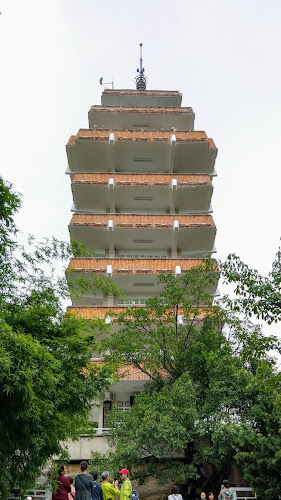
Eling Park
-Yuzhong-District.jpg)
Chongqing Pipashan Park (South Gate)
Find Accommodations Nearby
Recommended Tours & Activities
Visitor Reviews
There are no reviews yet. Be the first one to write one.
Share Your Experience
Have you visited Yuzhong District? Help other travelers by leaving a review.