
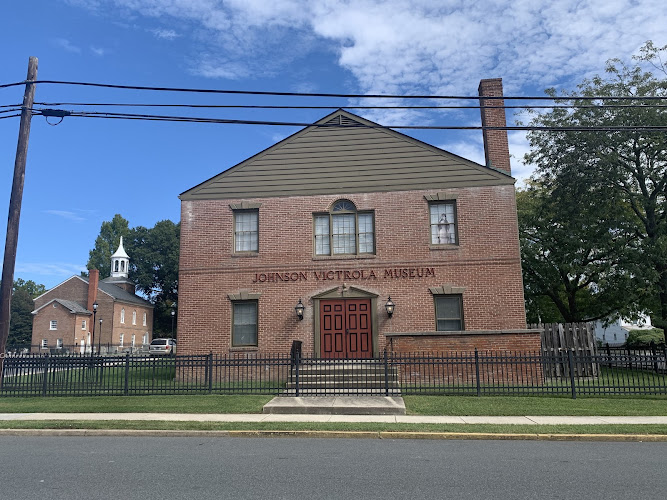
Johnson Victrola Museum
About Johnson Victrola Museum
Description
The Johnson Victrola Museum in Dover tells the story of Eldridge Reeves Johnson, a local inventor who forever changed how the world experienced music. Johnson co-founded the Victor Talking Machine Company in 1901, and his innovations helped bring recorded sound into homes across America. Walking through this museum feels a bit like stepping back in time—you’re surrounded by the early machines that made music portable long before streaming or even vinyl as we know it today. It’s not a flashy, high-tech attraction, and that’s exactly what makes it so charming. The focus is on the history, the craftsmanship, and the human side of invention.
Visitors often remark on the knowledgeable guides who bring the exhibits to life. It’s not just about staring at old phonographs; you actually hear the stories behind them. And if you’re like me, you’ll probably find yourself imagining what it must’ve been like to gather around one of these machines a century ago, cranking it up and hearing a voice or orchestra come alive in your living room. That little spark of wonder still holds up today. While most people leave impressed, a few might wish for more interactive or modern displays. But honestly, the museum’s strength lies in its authenticity and the care put into preserving Johnson’s legacy.
The building itself is accessible, family-friendly, and easy to navigate. Kids can enjoy the fascinating shapes and sounds of the old machines, while adults often get caught up in nostalgia or curiosity about how this technology influenced music culture. It’s the kind of place where you don’t need to spend all day, but you walk out with a deeper appreciation for something you probably take for granted every time you tap play on your phone.
Key Features
- Extensive collection of early phonographs, gramophones, and Victrolas
- Guided tours led by staff who share engaging stories and demonstrations
- Exhibits dedicated to the life and career of E.R. Johnson
- Educational displays on the evolution of recorded sound
- Wheelchair accessible entrance and parking
- Family-friendly environment, good for kids and adults alike
- Restrooms available on-site
Best Time to Visit
The museum is enjoyable year-round, but if you want to avoid crowds, weekdays are usually quieter. I’ve noticed that weekends, especially in the afternoon, tend to draw more families and tour groups. If you’re someone who likes to linger and ask lots of questions, go on a weekday morning—you’ll often get more personal attention from the guides. Dover itself has a few other attractions within walking distance, so pairing your visit with a stroll around the historic district works well. And if the weather is nice, spring and fall are particularly pleasant times to explore the area before or after your museum stop.
How to Get There
Reaching the museum is straightforward if you’re already in Dover. It’s located close to the heart of downtown, so you can easily combine it with other local sights. For those driving, there’s accessible parking nearby, which makes it convenient for families or anyone with mobility needs. If you’re coming from outside the city, Dover is about an hour’s drive from Wilmington and not much farther from Philadelphia. Public transportation options exist, but honestly, driving is the simplest way to get there. Once you arrive, the museum is compact enough that you won’t need to worry about long walks or complicated navigation.
Tips for Visiting
Here are a few things I’ve picked up from my own visit and from chatting with other travelers:
- Take the guided tour – The exhibits are interesting on their own, but the guides really make the history come alive. Don’t skip it.
- Allow about an hour – That’s usually enough time to see everything without feeling rushed. If you’re a history buff, you might linger longer.
- Bring kids along – They may not know what a Victrola is, but the quirky machines and sounds grab their attention quickly.
- Pair it with other Dover attractions – The museum is small, so combine it with a visit to the nearby historic sites or a local café.
- Ask questions – The staff love sharing stories, and you’ll often get little nuggets of history that aren’t on the signs.
- Check accessibility – The building is wheelchair accessible, and the layout is easy to navigate for visitors of all ages.
One last thought: don’t expect a massive Smithsonian-style museum. Think of it more as a hidden gem, a place that gives you a personal connection to the roots of recorded music. And honestly, that’s part of its magic. If you’re the type who enjoys discovering small but meaningful places, the Johnson Victrola Museum will probably stick with you long after you’ve left Dover.
Key Features
- Extensive collection of early phonographs, gramophones, and Victrolas
- Guided tours led by staff who share engaging stories and demonstrations
- Exhibits dedicated to the life and career of E.R. Johnson
- Educational displays on the evolution of recorded sound
- Wheelchair accessible entrance and parking
- Family-friendly environment, good for kids and adults alike
- Restrooms available on-site
Tours & Activities
GetYourGuide provides this tour inventory. We may earn a commission if you book through it; verify current availability, prices, and terms with the provider.
Visitor Reviews
There are no reviews yet. Be the first one to write one.
Share Your Experience
Have you visited Johnson Victrola Museum? Help other travelers by leaving a review.