
Suzuki Plaza
About Suzuki Plaza
Description
Suzuki Plaza is one of those places that makes you realize how much a single company can shape everyday life, not just in Japan but across the globe. It’s a museum, yes, but it feels more like a journey through time. Visitors step into a story that begins with the humble loom machines Suzuki once produced and ends with the sleek motorcycles and trucks that now define the brand. The exhibits are laid out in a way that feels approachable, even if you’re not a die-hard gearhead. And honestly, that’s part of the charm—you don’t need to know every nut and bolt to appreciate the craftsmanship and innovation on display.
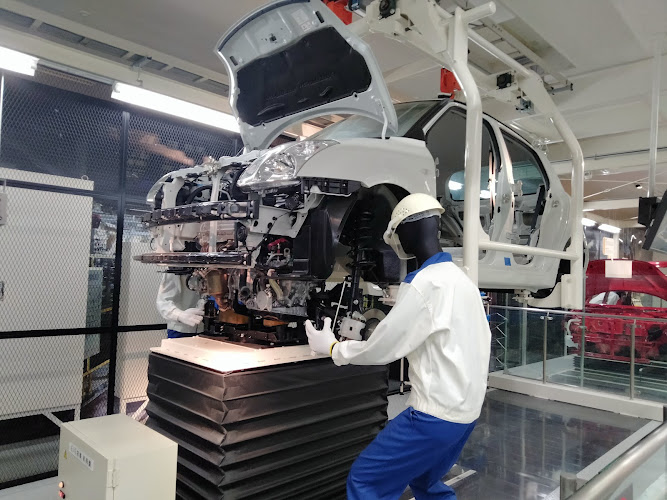
What I personally found striking is how hands-on the experience is. You’re not just staring at glass cases of old parts; you can actually see life-size dioramas recreating the factories, the workers, and the evolution of the designs. It’s the kind of place where kids point excitedly at shiny bikes while adults linger a little longer at the historical displays. Sure, it’s not perfect—some of the signage could use more English translations, and a few areas feel a bit dated—but the overall atmosphere makes up for it. You walk away with a deeper appreciation for how Suzuki grew from weaving machines to machines that weave through traffic.
And let’s be real: if you’re even remotely into motorcycles, this place is like candy land. The lineup of bikes is impressive, from vintage models to modern beasts. But what surprised me was how the museum doesn’t just glorify the machines; it also highlights the human side of the company. You get glimpses of the engineers, the designers, and the workers who made it all possible. That human touch makes the whole experience feel less like an industrial showcase and more like a celebration of creativity and persistence.
Key Features
- Exhibits covering Suzuki’s history from looms to motorcycles and trucks
- Life-size dioramas recreating factory scenes and production processes
- Extensive collection of motorcycles, including rare and iconic models
- Interactive displays that engage both adults and children
- Wheelchair accessible entrance, restrooms, and parking
- Onsite services with free parking available
- Family-friendly environment with exhibits that appeal to kids
- Recommended advance ticket booking to avoid waiting times
Best Time to Visit
If you ask me, weekdays are the golden ticket. The crowds are thinner, so you can actually take your time with the exhibits without feeling rushed. Weekends can get busy, especially when families roll in, which makes sense because it’s a kid-friendly spot. Weather doesn’t matter much since it’s all indoors, but spring and autumn tend to make the whole trip more enjoyable if you’re planning to explore Hamamatsu before or after your visit. And if you’re a motorcycle enthusiast, keep an eye out for special events or seasonal exhibitions—they add a nice twist to the regular displays.
I’d avoid the peak holiday season unless you’re okay with long lines and noisy galleries. Personally, I love going in the late morning. That way, you can wander through the museum at your own pace and still have time for lunch nearby. It’s the kind of place where two to three hours fly by without you noticing.
How to Get There
Getting to Suzuki Plaza isn’t complicated, but planning ahead makes it smoother. If you’re coming by train, Hamamatsu Station is the main hub, and from there it’s a short taxi or bus ride. Public transport is reliable, but if you’re traveling with kids or a group, a taxi might just save you the hassle. Driving is also a solid option, especially since the museum offers free parking—a small but welcome perk in Japan where parking fees can add up quickly.
I once drove there with a couple of friends, and honestly, the free parking felt like a blessing after a long road trip. The navigation systems in rental cars usually recognize the location easily, so you won’t be circling around lost. And if you’re the type who likes to explore off the beaten path, driving gives you the freedom to check out nearby attractions after your museum visit.
Tips for Visiting
Here’s the thing: Suzuki Plaza isn’t massive, but there’s enough to see that you’ll want to pace yourself. Wear comfortable shoes—you’ll be on your feet more than you think. Bring a camera too, because some of the dioramas and motorcycles are genuinely photo-worthy. Just check the rules on photography in certain sections, as they can vary.
If you’re traveling with kids, the interactive displays will keep them entertained, but be prepared to answer a lot of “why” questions. Trust me, I’ve been there, and it turns into a mini history lesson whether you planned for it or not. For international visitors, brushing up on a bit of Japanese or downloading a translation app helps since not all signage is in English. It’s not a dealbreaker, but it does make the experience smoother.
And one more thing—book your tickets in advance. It saves time and ensures you’re not left disappointed at the door. I’d also recommend going with a curious mindset. Even if you’re not into cars or bikes, the story of Suzuki’s evolution is surprisingly inspiring. It’s a reminder of how innovation often starts small and grows into something far bigger than anyone could imagine.
Key Features
- Exhibits covering Suzuki’s history from looms to motorcycles and trucks
- Life-size dioramas recreating factory scenes and production processes
- Extensive collection of motorcycles, including rare and iconic models
- Interactive displays that engage both adults and children
- Wheelchair accessible entrance, restrooms, and parking
- Onsite services with free parking available
- Family-friendly environment with exhibits that appeal to kids
- Recommended advance ticket booking to avoid waiting times
More Details
Updated September 23, 2025
Table of Contents
Description
Suzuki Plaza is one of those places that makes you realize how much a single company can shape everyday life, not just in Japan but across the globe. It’s a museum, yes, but it feels more like a journey through time. Visitors step into a story that begins with the humble loom machines Suzuki once produced and ends with the sleek motorcycles and trucks that now define the brand. The exhibits are laid out in a way that feels approachable, even if you’re not a die-hard gearhead. And honestly, that’s part of the charm—you don’t need to know every nut and bolt to appreciate the craftsmanship and innovation on display.
What I personally found striking is how hands-on the experience is. You’re not just staring at glass cases of old parts; you can actually see life-size dioramas recreating the factories, the workers, and the evolution of the designs. It’s the kind of place where kids point excitedly at shiny bikes while adults linger a little longer at the historical displays. Sure, it’s not perfect—some of the signage could use more English translations, and a few areas feel a bit dated—but the overall atmosphere makes up for it. You walk away with a deeper appreciation for how Suzuki grew from weaving machines to machines that weave through traffic.
And let’s be real: if you’re even remotely into motorcycles, this place is like candy land. The lineup of bikes is impressive, from vintage models to modern beasts. But what surprised me was how the museum doesn’t just glorify the machines; it also highlights the human side of the company. You get glimpses of the engineers, the designers, and the workers who made it all possible. That human touch makes the whole experience feel less like an industrial showcase and more like a celebration of creativity and persistence.
Key Features
- Exhibits covering Suzuki’s history from looms to motorcycles and trucks
- Life-size dioramas recreating factory scenes and production processes
- Extensive collection of motorcycles, including rare and iconic models
- Interactive displays that engage both adults and children
- Wheelchair accessible entrance, restrooms, and parking
- Onsite services with free parking available
- Family-friendly environment with exhibits that appeal to kids
- Recommended advance ticket booking to avoid waiting times
Best Time to Visit
If you ask me, weekdays are the golden ticket. The crowds are thinner, so you can actually take your time with the exhibits without feeling rushed. Weekends can get busy, especially when families roll in, which makes sense because it’s a kid-friendly spot. Weather doesn’t matter much since it’s all indoors, but spring and autumn tend to make the whole trip more enjoyable if you’re planning to explore Hamamatsu before or after your visit. And if you’re a motorcycle enthusiast, keep an eye out for special events or seasonal exhibitions—they add a nice twist to the regular displays.
I’d avoid the peak holiday season unless you’re okay with long lines and noisy galleries. Personally, I love going in the late morning. That way, you can wander through the museum at your own pace and still have time for lunch nearby. It’s the kind of place where two to three hours fly by without you noticing.
How to Get There
Getting to Suzuki Plaza isn’t complicated, but planning ahead makes it smoother. If you’re coming by train, Hamamatsu Station is the main hub, and from there it’s a short taxi or bus ride. Public transport is reliable, but if you’re traveling with kids or a group, a taxi might just save you the hassle. Driving is also a solid option, especially since the museum offers free parking—a small but welcome perk in Japan where parking fees can add up quickly.
I once drove there with a couple of friends, and honestly, the free parking felt like a blessing after a long road trip. The navigation systems in rental cars usually recognize the location easily, so you won’t be circling around lost. And if you’re the type who likes to explore off the beaten path, driving gives you the freedom to check out nearby attractions after your museum visit.
Tips for Visiting
Here’s the thing: Suzuki Plaza isn’t massive, but there’s enough to see that you’ll want to pace yourself. Wear comfortable shoes—you’ll be on your feet more than you think. Bring a camera too, because some of the dioramas and motorcycles are genuinely photo-worthy. Just check the rules on photography in certain sections, as they can vary.
If you’re traveling with kids, the interactive displays will keep them entertained, but be prepared to answer a lot of “why” questions. Trust me, I’ve been there, and it turns into a mini history lesson whether you planned for it or not. For international visitors, brushing up on a bit of Japanese or downloading a translation app helps since not all signage is in English. It’s not a dealbreaker, but it does make the experience smoother.
And one more thing—book your tickets in advance. It saves time and ensures you’re not left disappointed at the door. I’d also recommend going with a curious mindset. Even if you’re not into cars or bikes, the story of Suzuki’s evolution is surprisingly inspiring. It’s a reminder of how innovation often starts small and grows into something far bigger than anyone could imagine.
Key Highlights
- Exhibits covering Suzuki’s history from looms to motorcycles and trucks
- Life-size dioramas recreating factory scenes and production processes
- Extensive collection of motorcycles, including rare and iconic models
- Interactive displays that engage both adults and children
- Wheelchair accessible entrance, restrooms, and parking
- Onsite services with free parking available
- Family-friendly environment with exhibits that appeal to kids
- Recommended advance ticket booking to avoid waiting times
Location
Places to Stay Near Suzuki Plaza
Find and Book a Tour
Explore More Travel Guides
No reviews found! Be the first to review!
Traveler Reviews for Suzuki Plaza
There are no reviews yet. Be the first one to write one.
Have you visited Suzuki Plaza? Help other travelers by sharing your review.
You Might Also Like

Nakatajima Sand Dunes

Ohitomicho

Tsubutejima
Find Accommodations Nearby
Recommended Tours & Activities
Visitor Reviews
There are no reviews yet. Be the first one to write one.
Share Your Experience
Have you visited Suzuki Plaza? Help other travelers by leaving a review.