
Last modified June 27, 2025
Are you looking to explore Mexico beyond the typical tourist spots? Mexico City and Zacatecas offer two completely different sides of Mexican culture and history.
Mexico City buzzes with urban energy as one of the world’s largest metropolises, while Zacatecas charms visitors with its colonial architecture and rich mining heritage. The contrast between these destinations highlights Mexico’s diverse appeal – Mexico City delivers cosmopolitan excitement while Zacatecas offers a more authentic glimpse into traditional Mexican life.
Both cities boast UNESCO World Heritage status but differ dramatically in pace and atmosphere. Mexico City is overwhelmed with endless options for food, museums, and nightlife. On the other hand, Zacatecas, nestled in north-central Mexico, provides a more relaxed experience with its beautiful pink stone buildings and cowboy culture. However, travelers should note recent safety concerns in the surrounding state.
Historical Significance
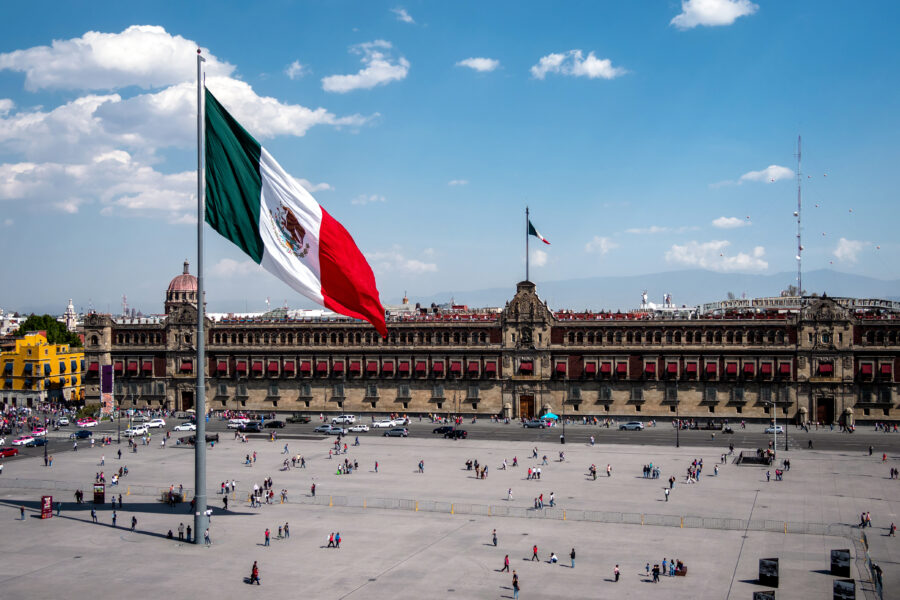
Mexico City and Zacatecas hold profound historical places, though they developed along different paths. Mexico City rose as the capital of empires while Zacatecas emerged from silver mining wealth.
Founding and Development
Mexico City’s origins stretch back to 1325 when the Aztecs founded Tenochtitlan, which later became the magnificent capital of their empire. After the Spanish conquest in 1521, the city was rebuilt as the center of New Spain. The colonial buildings we see today reflect this period of transformation.
Zacatecas has a different story. Founded in 1546 after Spanish colonizers discovered rich silver deposits, it quickly became one of the most important mining centers in New Spain. The city experienced its golden age during the 16th and 17th centuries when silver extraction was at its peak.
During the Mexican Revolution, Zacatecas witnessed what many historians call the most significant and bloodiest battle of the conflict – La Toma de Zacatecas (The Taking of Zacatecas). This pivotal 1914 battle helped shape the course of Mexican history.
Cultural Heritage
Mexico City stands as a living museum of Mexican history. The city center contains Aztec ruins and Spanish colonial architecture. The Metropolitan Cathedral and National Palace reflect centuries of evolving governance and religious practice. The city has been a cultural center for centuries, nurturing artists, writers, and thinkers who’ve shaped Mexican identity.
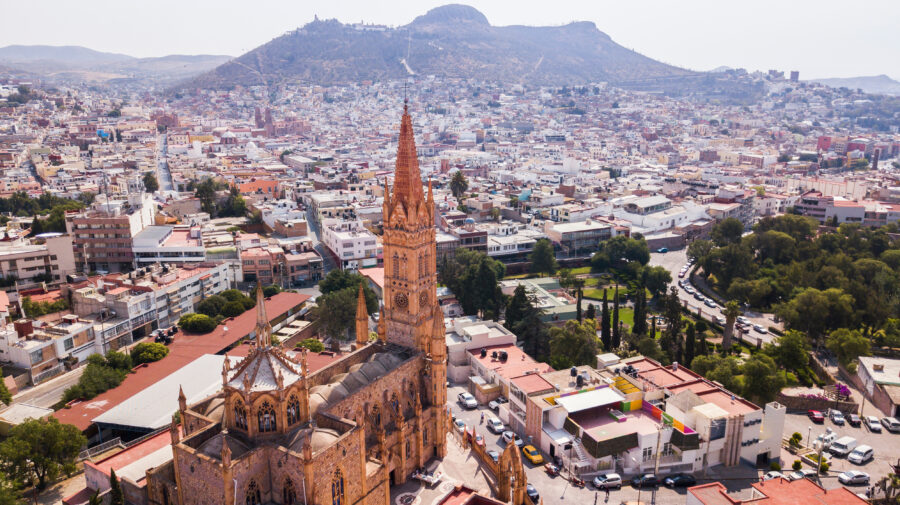
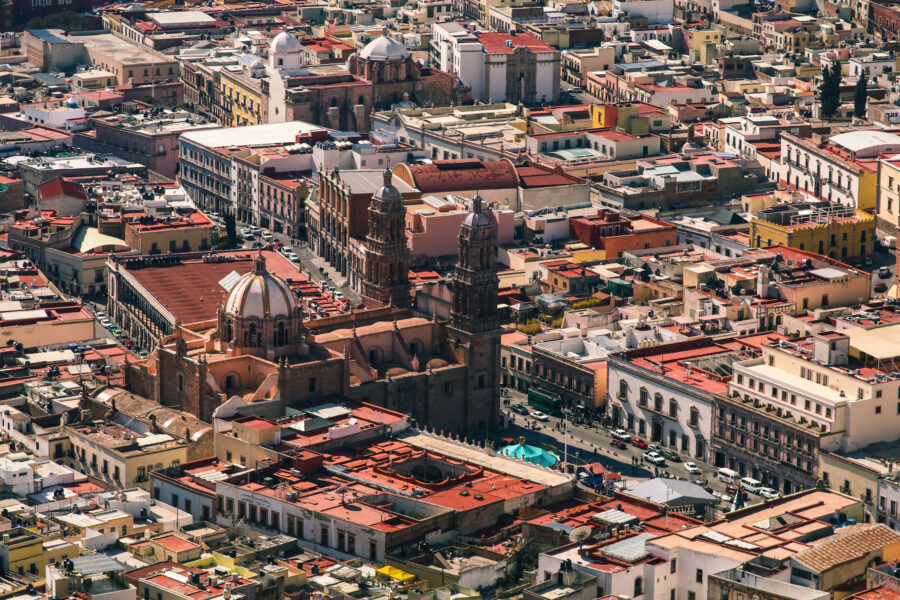
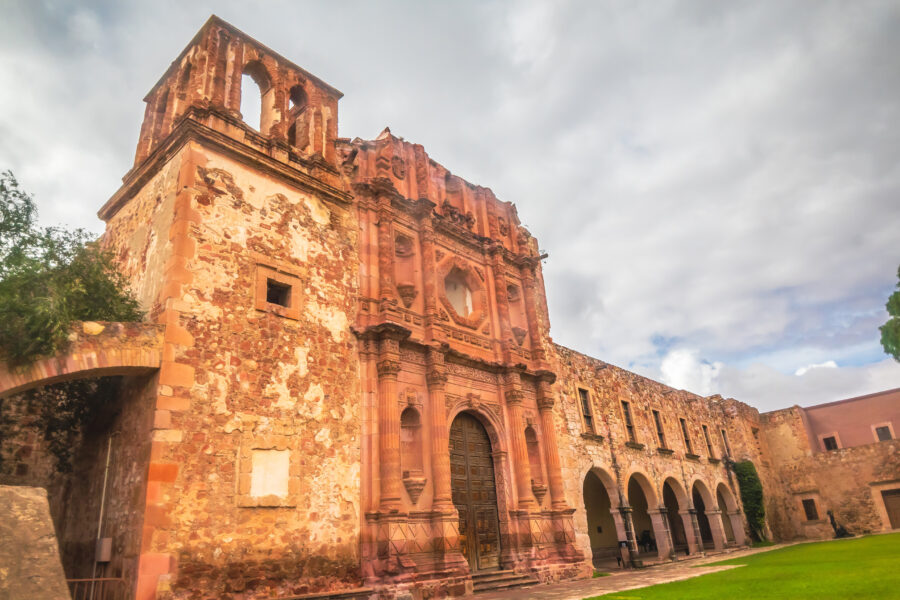
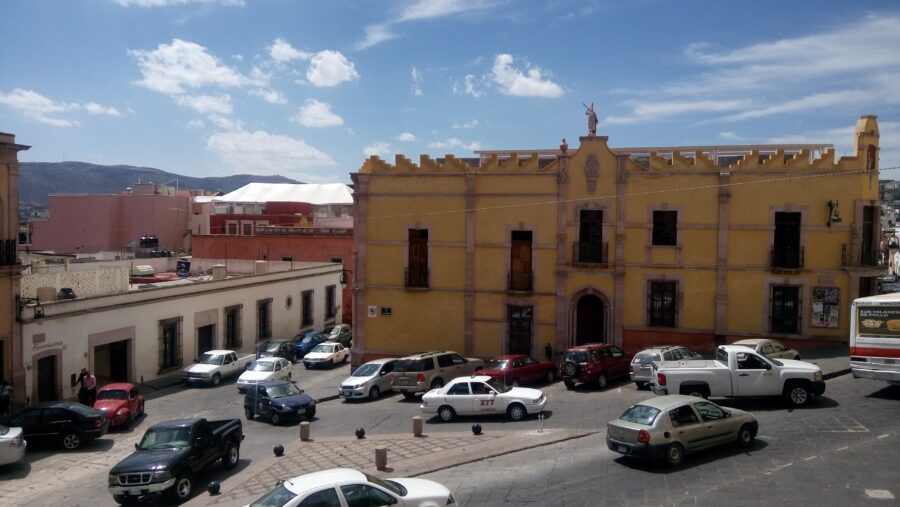
Zacatecas offers a different heritage, heavily influenced by its mining past. The city’s baroque architecture earned it UNESCO World Heritage status in 1993. The pink sandstone buildings, like the Cathedral of Zacatecas, display the wealth that once flowed from the silver mines.
The city hosts vibrant cultural festivals that celebrate its unique history. Local museums like the Rafael Coronel Museum showcase pre-Hispanic artifacts alongside colonial art, telling the story of how indigenous and Spanish cultures blended in this mountain city.
Geography and Climate
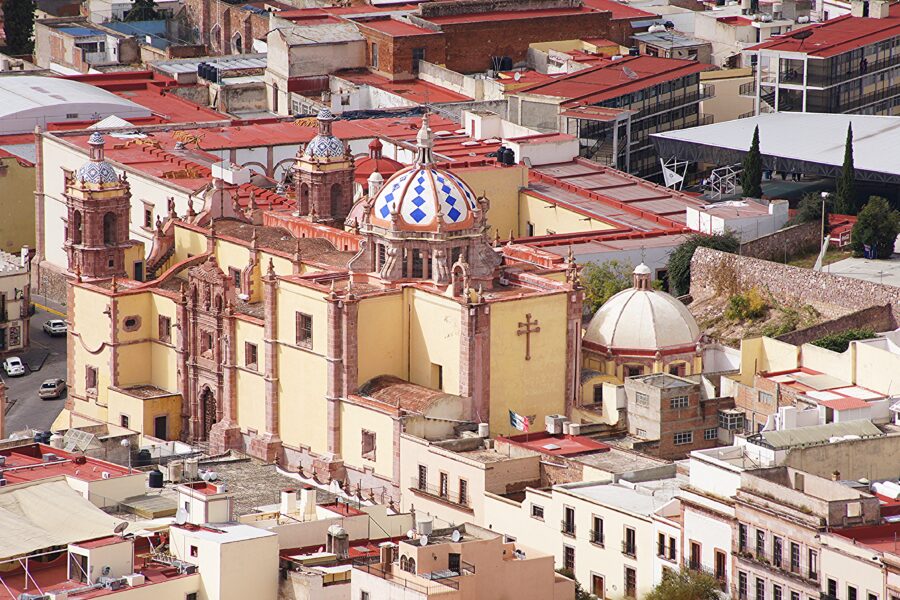
Despite being in the same country, Mexico City and Zacatecas offer dramatically different geographic experiences. The capital sits in a valley surrounded by mountains, while Zacatecas perches high in the central highlands with a much drier landscape.
Location and Topography
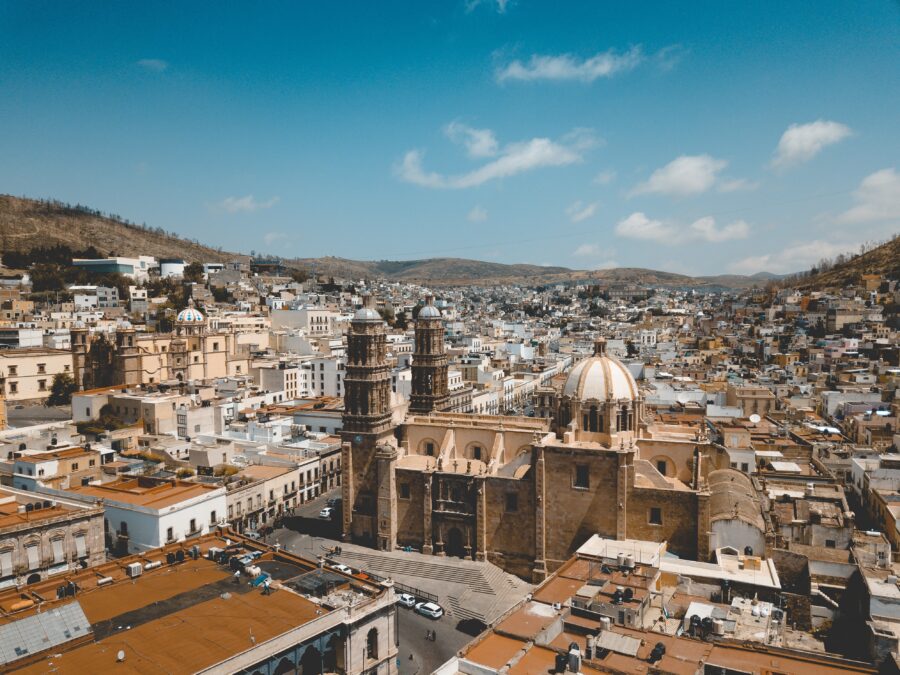
Mexico City sprawls across a massive valley once filled by Lake Texcoco at about 7,350 feet (2,240 meters). The city is surrounded by mountains and volcanoes, including the iconic Popocatépetl. This valley location creates a basin effect that can trap air pollution and create a diverse ecosystem.
In contrast, Zacatecas sits even higher in Mexico’s central plateau at roughly 7,700 feet (2,350 meters) above sea level. The state is characterized by rugged terrain and mountain ranges. About 75% of Zacatecas is arid or semi-arid, with rocky outcrops and dramatic landscapes.
Both cities’ geography shaped their development. Mexico City expanded outward from its ancient Aztec origins, while Zacatecas grew along narrow valleys between mountains where silver was discovered.
Weather Patterns
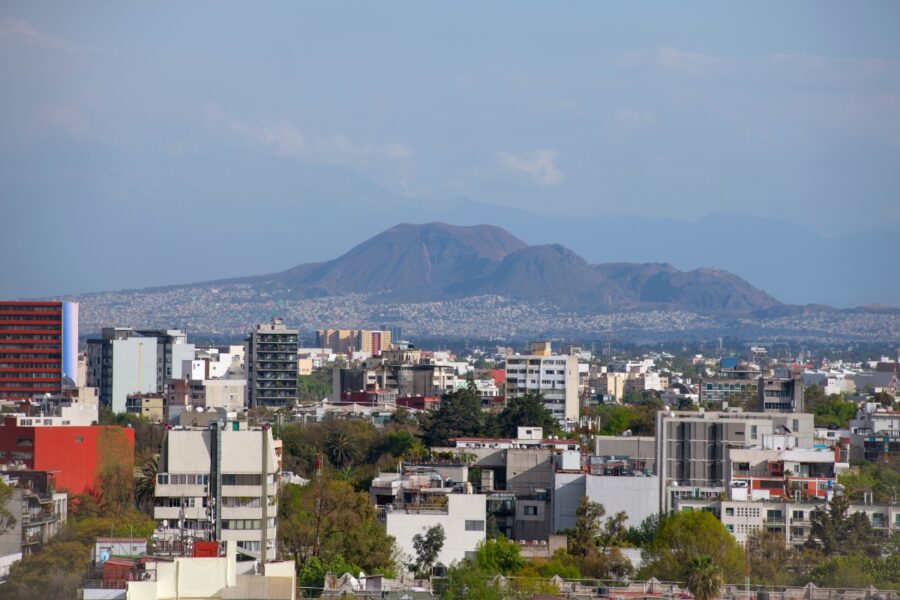
Mexico City enjoys what many expats call a “perpetual spring” climate. Daytime temperatures typically range between 70-80°F (21-27°C) year-round, and the elevation can cool nights. The rainy season runs from May to October, with afternoon showers common.
Zacatecas has a cold and dry climate compared to many Mexican destinations. The state receives only about 16.8 inches of annual rainfall. Winters can feel chilly, especially at night when temperatures drop near freezing.
Summer temperatures in Zacatecas remain more moderate than those in coastal Mexican cities, making it appealing for those looking to escape intense heat and humidity. Unlike coastal areas, neither city experiences tropical storms, though Mexico City occasionally experiences flooding during heavy rains.
See Related: Mexico City vs Puebla: Stunning Differences Between These Hidden Mexican Gems
Demographics and Population
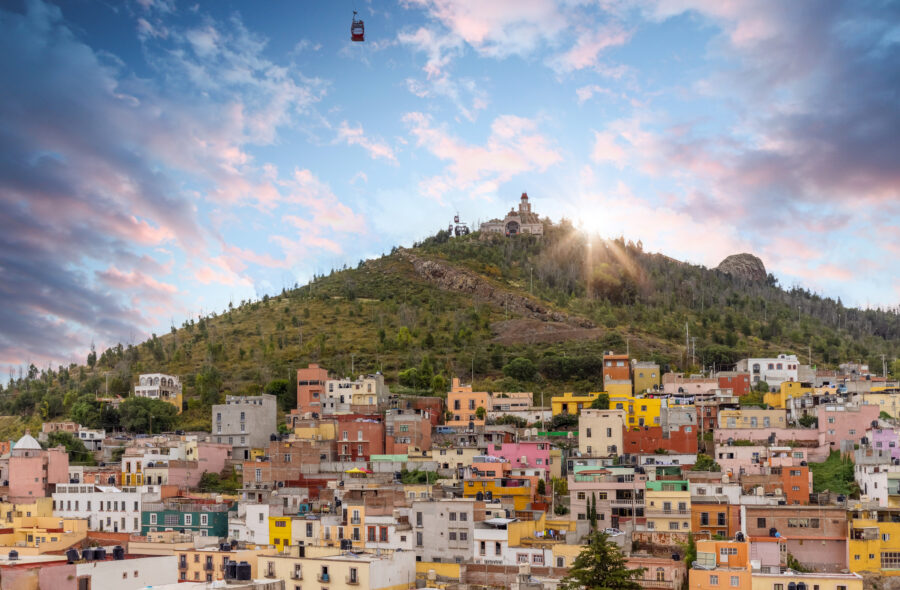
Mexico City and Zacatecas represent two different sides of Mexico’s population distribution. These regions differ not only in their population numbers but also in the cultural makeup of their residents, reflecting the diverse nature of Mexican society.
Population Size
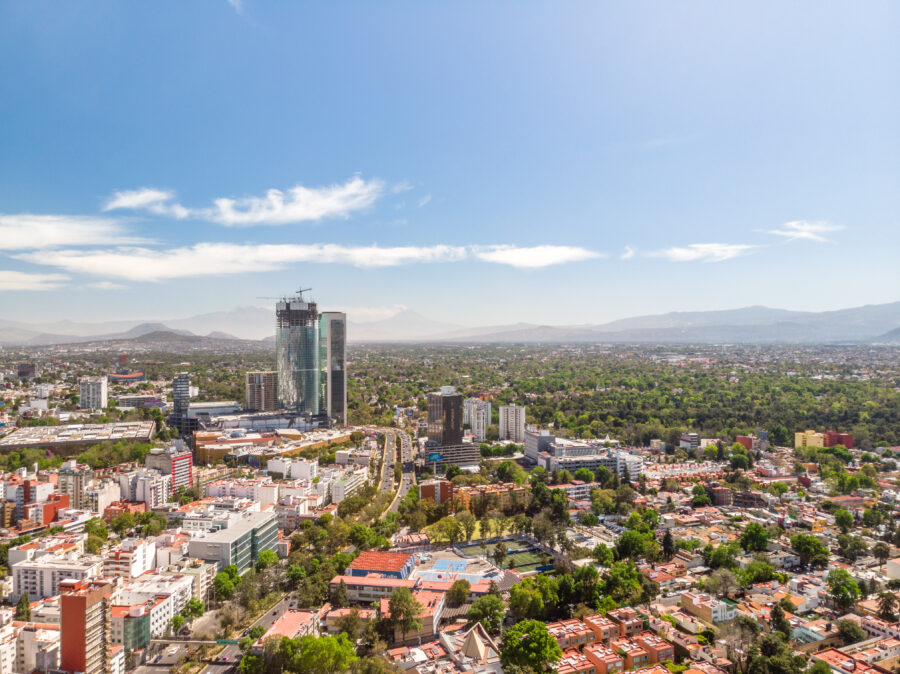
Mexico City is a massive urban center with approximately 9.3 million people living within the city proper as of 2022. This makes it one of the largest cities in the Western Hemisphere! When you include the greater metropolitan area, the population swells to over 20 million residents.
In stark contrast, according to recent data, Zacatecas is much smaller, with about 1.62 million people spread across the entire state. The population density is dramatically different between these two regions.
Mexico City deals with typical big-city challenges due to its dense population, including:
- Heavy traffic congestion
- Housing shortages
- Strain on public services
With its smaller population, Zacatecas offers a more relaxed pace of life. The state has experienced slower population growth than Mexico City, which has seen rapid expansion over the decades.
Cultural Diversity
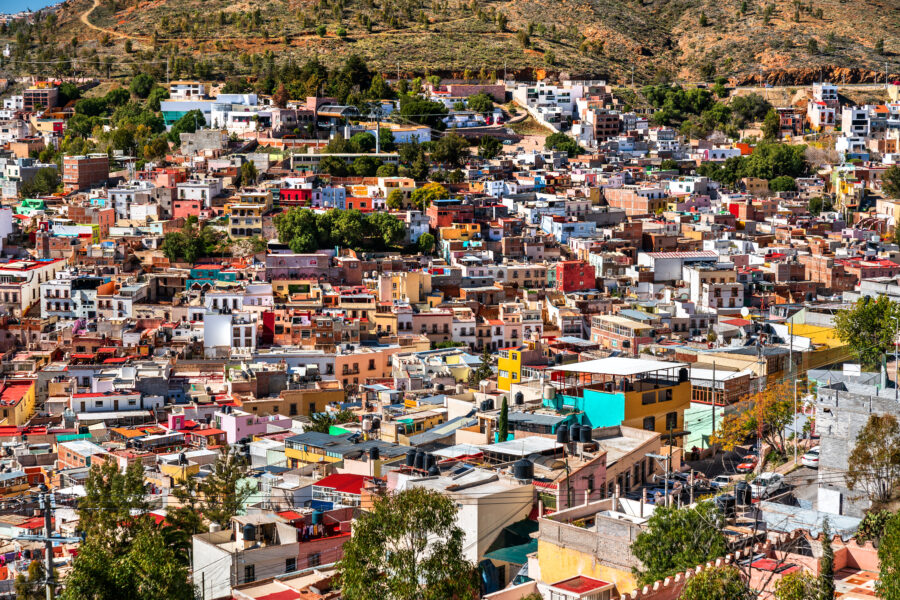
Mexico City showcases incredible cultural diversity as people from all across Mexico and around the world call it home. As the country’s capital, it attracts migrants from every Mexican state and numerous foreign countries.
This diversity is evident in the city’s neighborhoods. You’ll find communities representing indigenous groups alongside international expat enclaves. This melting pot creates a vibrant cultural scene with countless festivals, cuisines, and traditions coexisting.
Zacatecas maintains a more homogeneous population with stronger ties to traditional Mexican culture. The state preserves many historical customs and has fewer international residents than the capital.
Both regions showcase different aspects of Mexican identity – Mexico City represents modern, cosmopolitan Mexico, while Zacatecas embodies more traditional elements of the country’s heritage and rural lifestyle.
Economic Overview
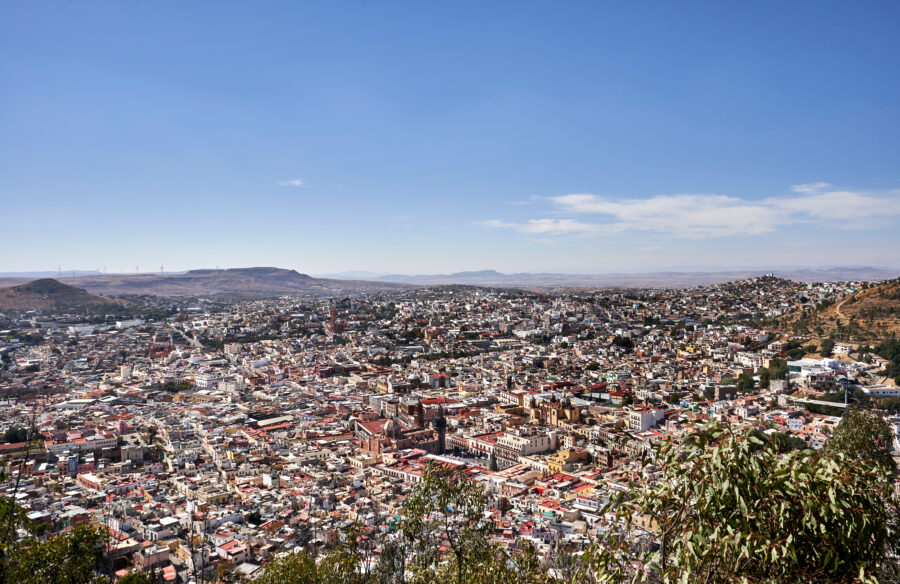
Mexico City and Zacatecas represent two contrasting economic realities within Mexico. The capital city dominates the national economy, while Zacatecas contributes more modestly. They have different industrial strengths and employment patterns.
Major Industries
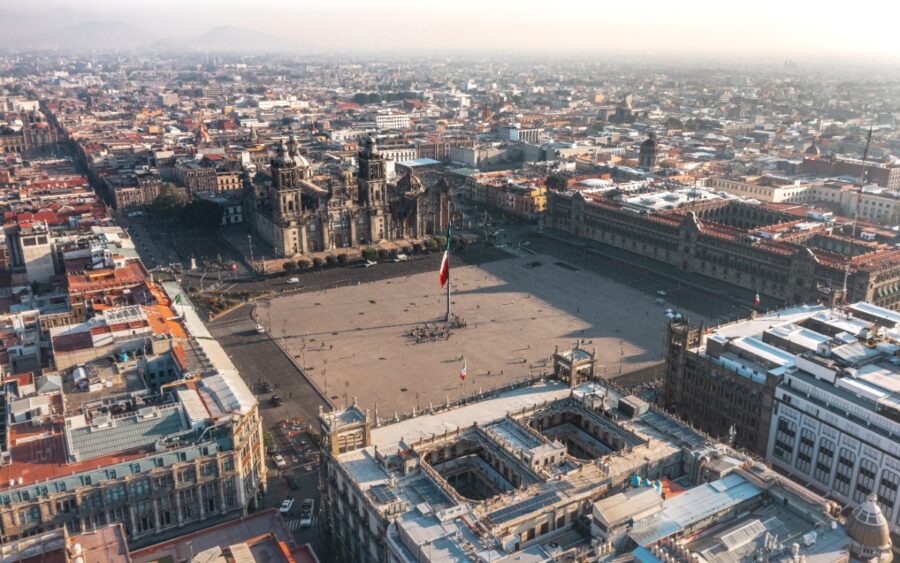
Mexico City is the country’s economic powerhouse, generating approximately 15% of its total GDP and having a value of around 3.81 trillion Mexican pesos in 2023. The capital’s economy thrives on diverse sectors, including financial services, government administration, tourism, and technology.
Many corporate headquarters call Mexico City home, creating a bustling business environment with international connections. The city hosts a robust service sector that employs thousands.
In contrast, Zacatecas relies heavily on mining as its historical economic backbone. Silver mining has shaped the state’s economy for centuries, though agriculture and livestock production also play significant roles.
Tourism has grown increasingly important, capitalizing on the state’s colonial architecture and cultural heritage. Manufacturing has recently expanded in Zacatecas, with several industrial parks developing nationwide.
Employment Opportunities
The job market in Mexico City offers diverse career paths across multiple industries. Professional services, technology, tourism, and government positions employ workers with various skill levels. The capital attracts talent from across Mexico and internationally, creating a competitive but opportunity-rich environment.
Wages tend to be higher in Mexico City compared to other regions, though the cost of living is substantially greater. Zacatecas presents a different employment landscape with limited opportunities concentrated in specific sectors. Mining companies provide steady employment, though these positions often require specialized skills and can be physically demanding.
Income inequality is notable in Zacatecas, where the lowest 10% of households earned an average quarterly income of just 10,800 Mexican pesos in 2020. Agricultural jobs remain important but typically offer lower wages than urban employment alternatives.
Cultural and Social Life
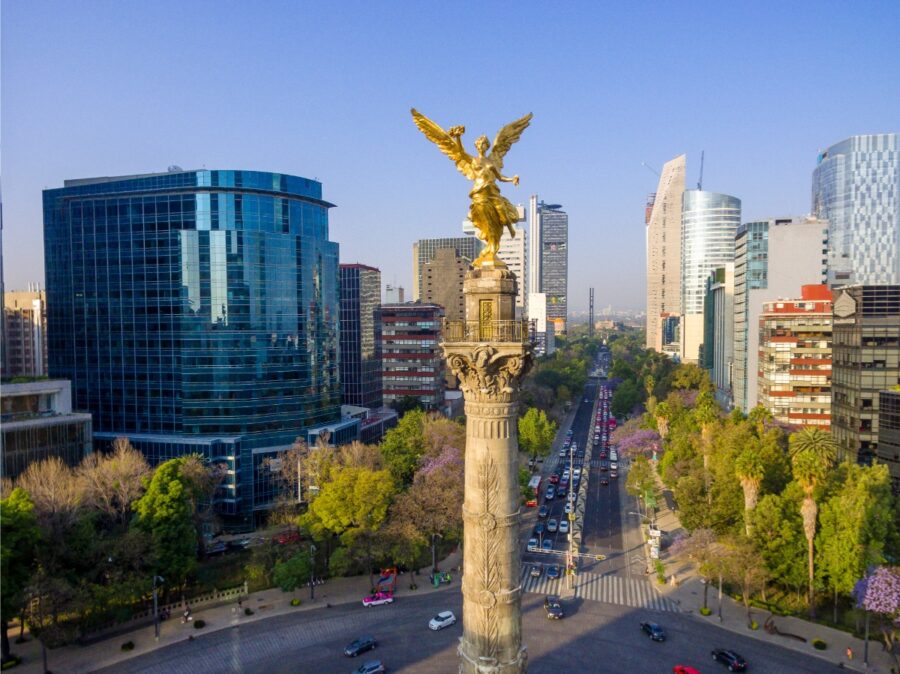
Mexico City and Zacatecas offer rich cultural experiences reflecting different aspects of Mexican heritage. The capital buzzes with contemporary arts and international influences, while Zacatecas preserves more traditional customs and a slower pace of life centered around community.
Arts and Entertainment
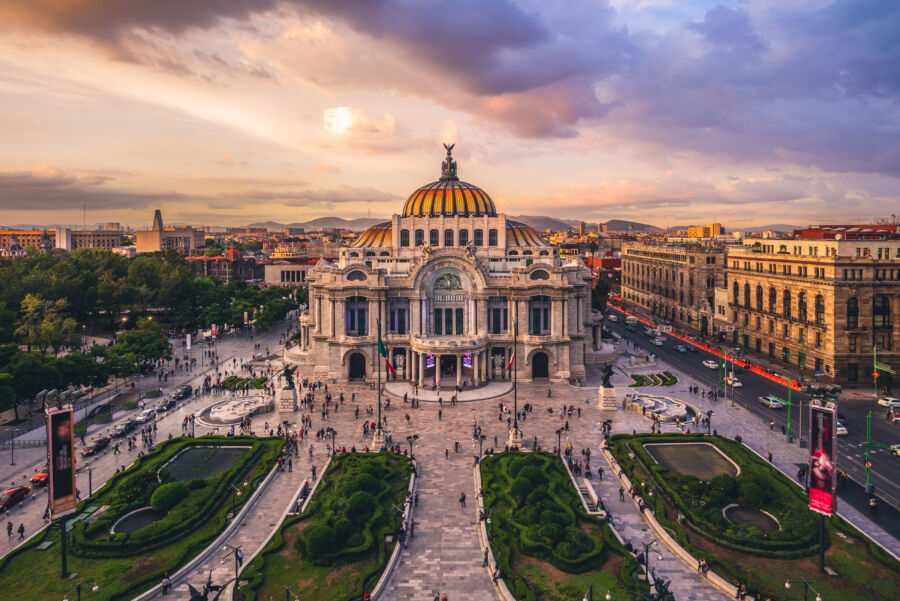
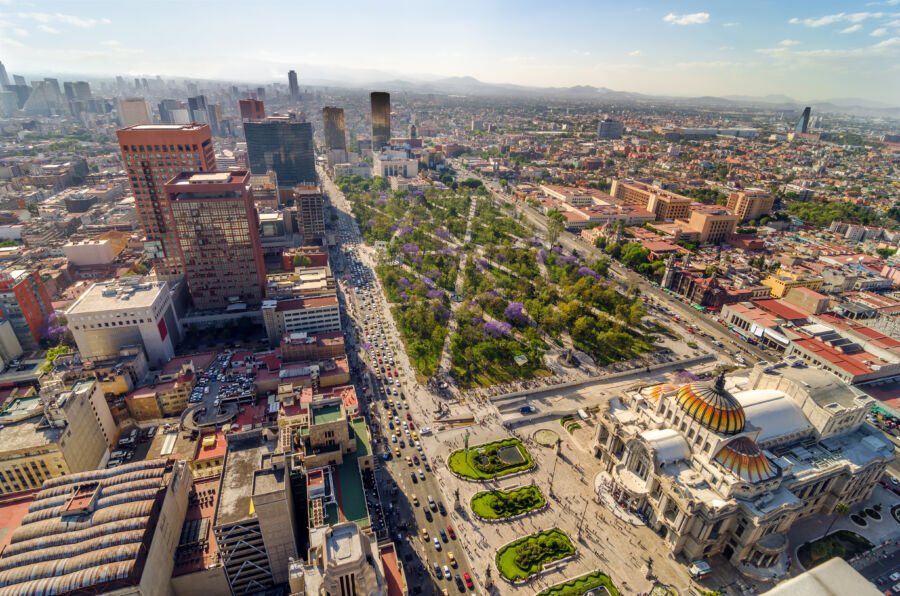
Mexico City is the country’s cultural powerhouse, boasting over 150 museums—more than any other city in the world! The Palacio de Bellas Artes hosts major exhibitions and performances, while neighborhoods like Roma and Condesa are filled with galleries showcasing contemporary Mexican artists.
In contrast, Zacatecas offers a more intimate art scene rooted in tradition. The Rafael Coronel Museum houses the world’s largest collection of traditional Mexican masks. The city’s colonial architecture is art, with buildings carved from pink cantera stone.
Street performances are common in Zacatecas’s historic center, with mariachi bands and local musicians creating a genuinely Mexican atmosphere. Unlike Mexico City’s international arts scene, Zacatecas preserves artistic traditions that feel untouched by global influences.
Cuisine and Gastronomy
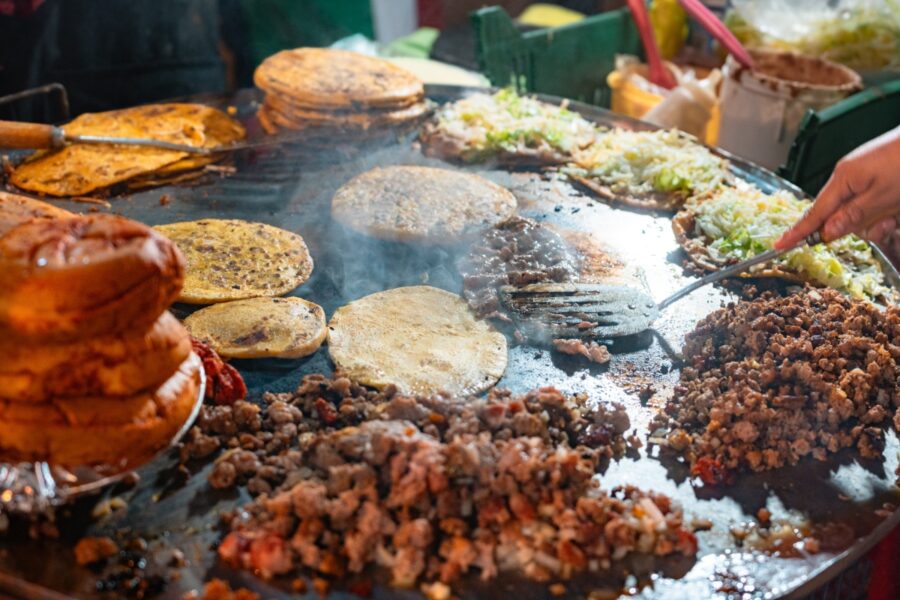
Mexico City’s food scene is incredibly diverse, ranging from high-end restaurants to vibrant street food markets. You’ll find everything from traditional tacos al pastor to innovative fusion cuisine. The city has several restaurants ranked among Latin America’s best, including Pujol and Quintonil.
Zacatecan cuisine is heartier and more rustic, reflecting its mining heritage and harsh climate. Signature dishes include:
- Asado de boda: A pork dish with a rich chile sauce
- Gorditas zacatecanas: Thick corn tortillas stuffed with various fillings
- Mezcal: The region produces excellent artisanal varieties
Family-owned restaurants are the norm in Zacatecas, where recipes have been passed down through generations. Meals tend to be unhurried, reflecting the city’s more relaxed pace of life than Mexico City’s quick-service eateries.
Festivals and Celebrations
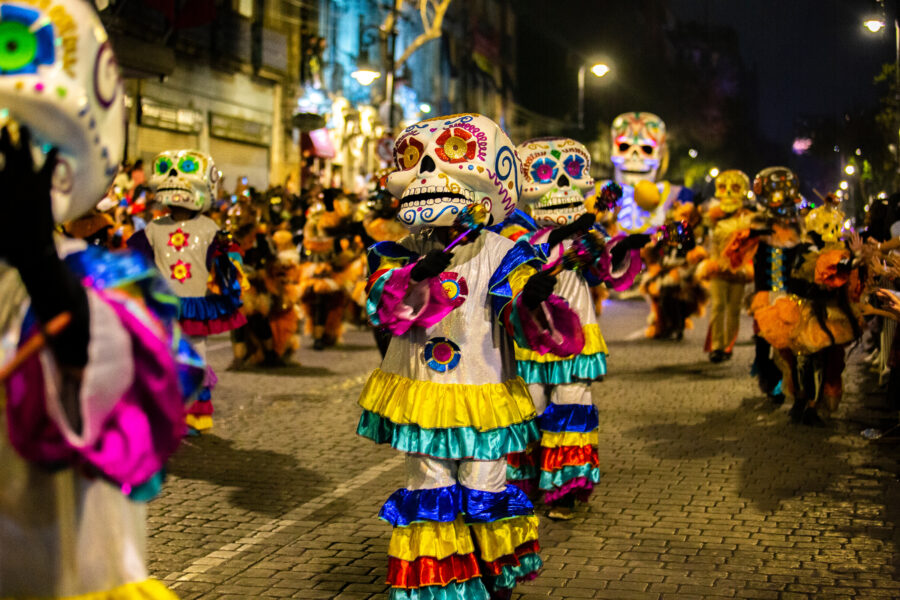
Mexico City celebrates with grand spectacles throughout the year. The Day of the Dead parade draws thousands, with elaborate floats and costumes filling the streets. The city also hosts major international events like the Corona Capital music festival.
Zacatecas shines with more traditional celebrations that showcase its authentic Mexican identity. In September, the Cultural Festival of Zacatecas transforms the historic center with music, dance, and theater performances. Holy Week processions wind through the narrow colonial streets with striking solemnity.
The Morismas de Bracho, unique to Zacatecas, reenact battles between Christians and Moors with hundreds of participants in historical costume. This three-day event happens each August and gives visitors a glimpse into centuries-old traditions.
Transportation and Connectivity
Getting around in both Mexico City and Zacatecas offers different experiences for travelers. The transportation options vary greatly between the bustling capital and the more laid-back colonial city of Zacatecas, affecting how easily you can explore each destination.
Local Transportation
Mexico City boasts an extensive public transportation network, making moving around this massive metropolis relatively simple. The Metro system is incredibly affordable (around 5 pesos per trip) and connects most major attractions and neighborhoods. Metrobús, a dedicated bus lane system, provides another efficient option for avoiding the city’s notorious traffic jams.
Uber and other rideshare services operate widely in Mexico City, offering a safer alternative to street taxis. Many locals and tourists prefer these services for convenience and security reasons.
In contrast, Zacatecas has a more compact transportation system. The city center is walkable, with many attractions within easy reach on foot.
Local buses serve the wider area, though they run less frequently than in the capital. Taxis are generally considered safe in Zacatecas, unlike Mexico City, where authorized taxis are recommended for security reasons.
Accessibility and Air Travel
Benito Juárez International Airport is the busiest airport in Latin America and serves Mexico City. It offers direct connections to major cities worldwide and is the main gateway for international travelers to Mexico.
Mexico City also has domestic flights connecting it to virtually every corner of the country, making it an excellent hub for exploring other Mexican destinations.
Zacatecas’s international airport has far fewer flights than the capital. Direct connections from Mexico City to Zacatecas are available, with flight times around 1.5 hours.
For budget travelers, bus service between the two cities is comprehensive. The journey covers approximately 320 miles, and direct connections are available. Bus companies offer comfortable coaches with amenities for the 7-8-hour trip.
The land route from Mexico City to Zacatecas is also recommended for travelers wanting to see more of the Mexican countryside, though it requires significantly more time than flying.
Tourism and Attractions
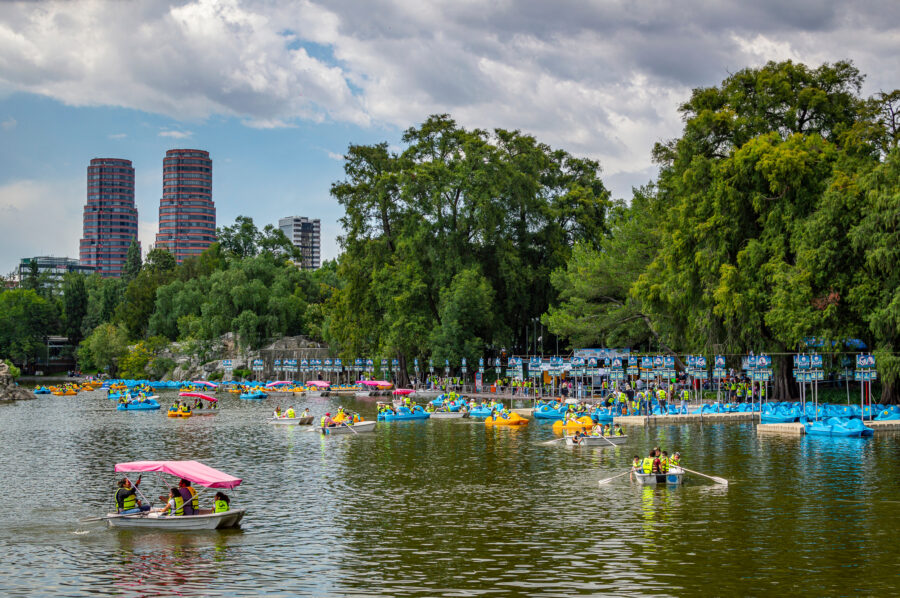
Both Mexico City and Zacatecas offer incredible tourist experiences with distinct flavors. Mexico City dazzles visitors with its metropolitan charm and historical depth, while Zacatecas captivates with its well-preserved colonial architecture and mining heritage.
Historical Sites
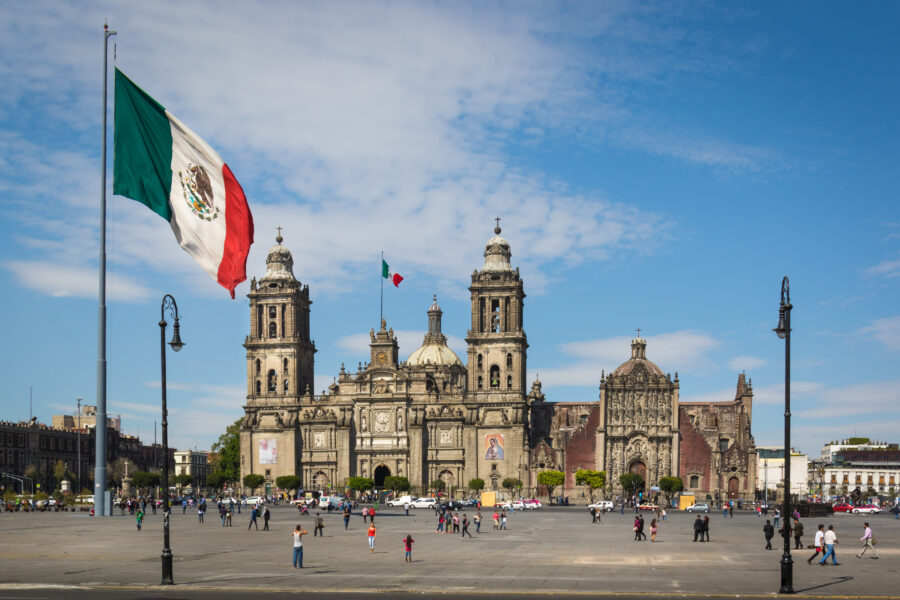
Mexico City is the hemisphere’s oldest and most historically significant urban center. At its heart lies the Zócalo, one of the world’s largest city squares, flanked by the Metropolitan Cathedral and National Palace with Diego Rivera murals. The ancient Aztec Templo Mayor ruins remind visitors of Tenochtitlan, the pre-Hispanic city beneath modern streets.
Zacatecas, a UNESCO World Heritage site, showcases some of Mexico’s finest colonial architecture. The pink limestone Cathedral dominates the cityscape with its elaborate Baroque façade dating to the 18th century. Visitors can explore El Eden Mine, once one of Mexico’s richest silver mines, now transformed into a fascinating underground tourist attraction. The Cerro de la Bufa, with its historic battle site and panoramic views, offers glimpses into the Mexican Revolution.
Natural Landscapes
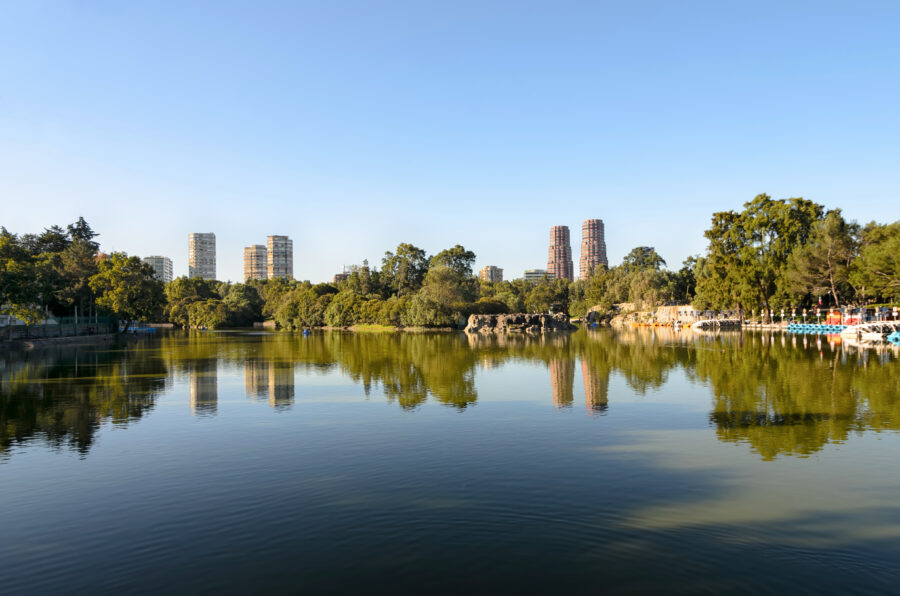
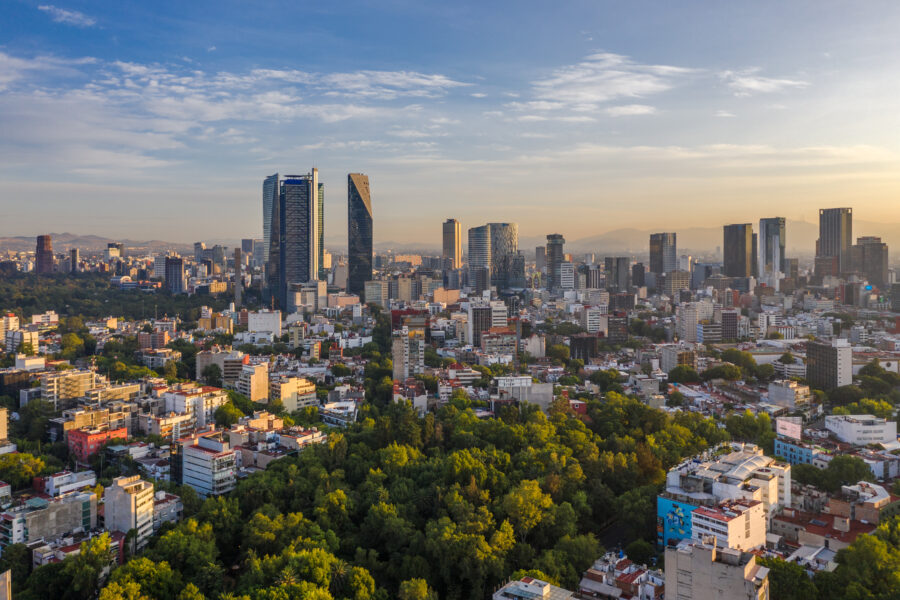
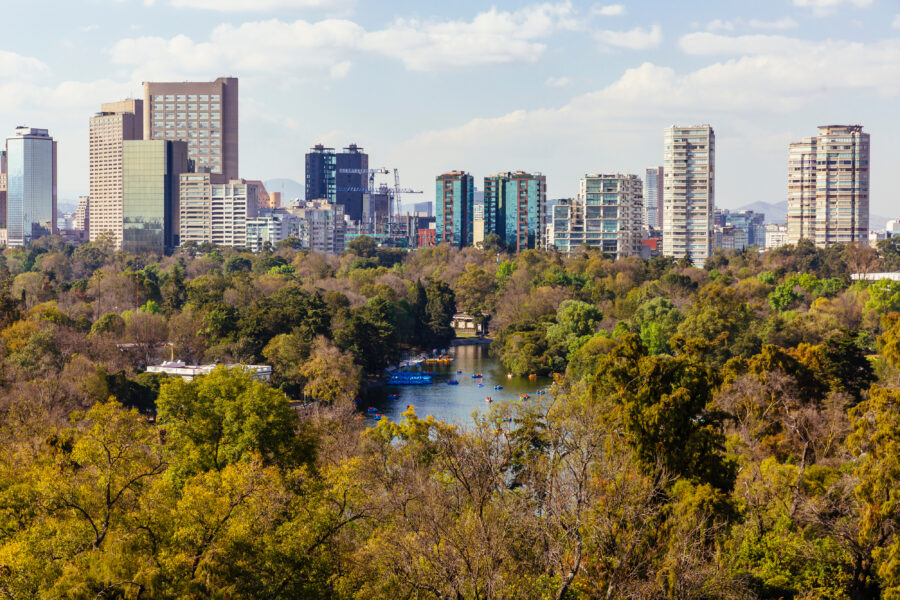
Mexico City surprises many with its natural beauty despite urban sprawl. Chapultepec Park spans over 1,600 acres, making it one of the Western Hemisphere’s largest urban parks. The ancient chinampas (floating gardens) of Xochimilco provide a glimpse into pre-Hispanic agricultural ingenuity.
Zacatecas boasts dramatic landscapes shaped by its mountainous terrain. The city sits 8,000 feet above sea level, surrounded by rugged mountains and high desert. The Teleférico (cable car) transports visitors between downtown and Cerro de la Bufa, offering breathtaking views of the city’s colorful buildings nestled among hills.
La Quemada archaeological zone, just outside the city, combines ancient ruins with striking desert vistas. The Sierra de Órganos National Park, with its unusual rock formations resembling organ pipes, provides hiking opportunities through uniquely beautiful terrain.
Museums and Art Galleries
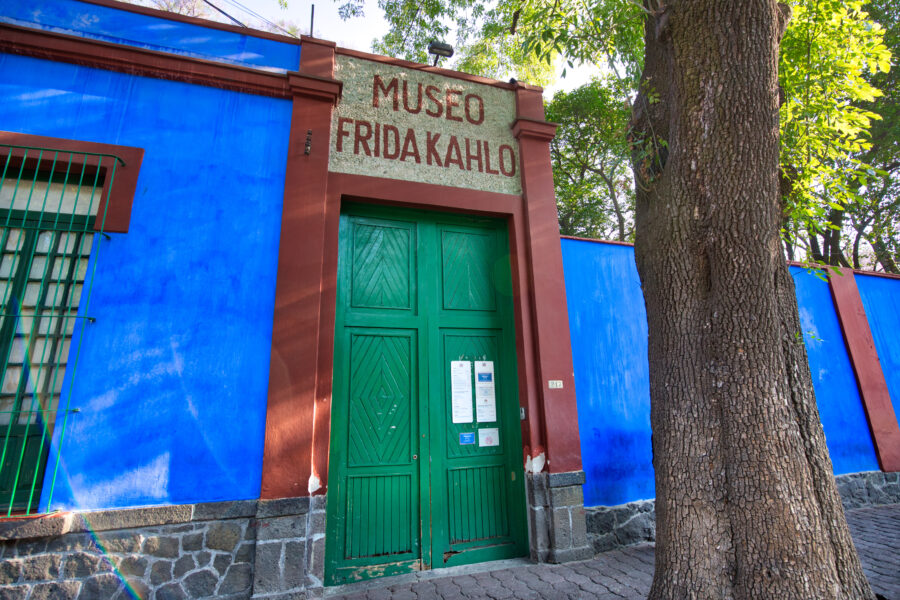
Mexico City houses world-class museums that rival global cultural capitals. The National Museum of Anthropology displays the country’s most critical pre-Hispanic artifacts, including the Aztec Calendar Stone. Frida Kahlo’s Casa Azul in Coyoacán and the modern Soumaya Museum showcase artistic treasures spanning centuries.
The capital’s thriving contemporary art scene features galleries throughout neighborhoods like Roma and Condesa. The massive Palace of Fine Arts hosts both visual arts and performances in its stunning Art Deco building.
Zacatecas punches above its weight with exceptional museums. The Rafael Coronel Museum, housed in a former monastery, houses the world’s most extensive collection of traditional Mexican masks. The Pedro Coronel Museum contains pre-Hispanic artifacts alongside works by Picasso, Dalí, and Miró.
The Abstract Art Museum occupies part of the former El Eden mine complex, creating a fascinating contrast between industrial history and contemporary expression. The Revolution Museum documents Mexico’s revolutionary period through artifacts and photographs.
See Related: Mexico City vs Todos Santos: Key Differences to Plan Your Perfect Mexican Getaway
Safety and Health Considerations
Understanding safety concerns when traveling to Mexico City or Zacatecas is essential for any visitor. Both destinations have distinct security profiles and health considerations that travelers should know before planning their trip.
Emergency Services

Mexico City has well-established emergency services with numerous hospitals and clinics that cater to international visitors. Many medical facilities in the capital offer English-speaking staff and accept international insurance. The emergency number 911 works throughout the city, and response times are generally quicker in central tourist areas.
Zacatecas has fewer medical facilities than Mexico City, but the city center has capable hospitals. Travelers with severe medical conditions might consider the limited healthcare options here. It’s smart to locate the nearest hospital to your accommodation before arriving.
Both cities have pharmacies (farmacias) where basic medications are available without prescriptions. However, it is recommended that you bring essential medicines from home and a basic first aid kit for minor issues.
Travel Advisories
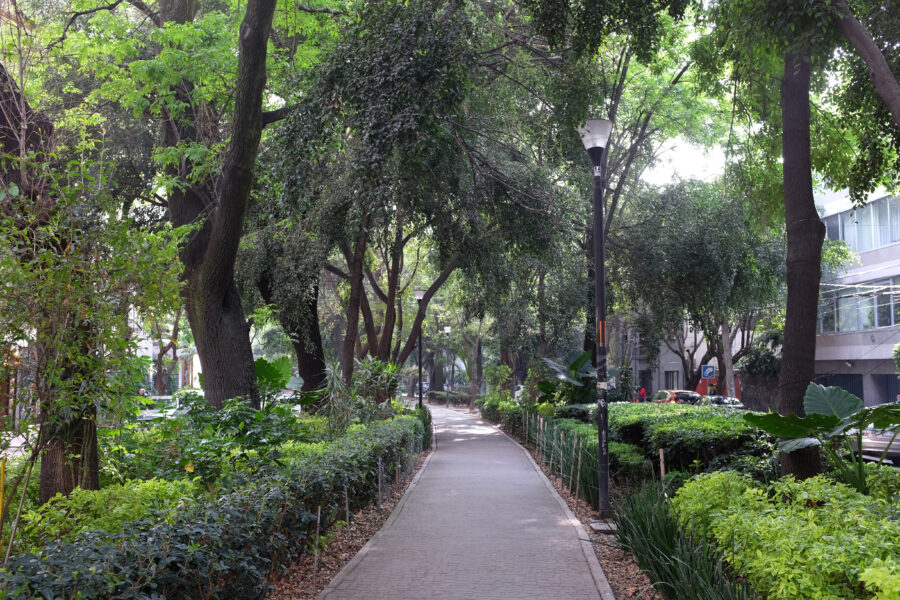
Current government travel advisories highlight different security concerns for each destination. Mexico City is generally considered moderately safe for tourists who stay in recommended areas and take standard precautions. Popular tourist zones like Condesa, Roma, and Polanco maintain a strong police presence.
Zacatecas has received more concerning travel advisories recently. According to the U.S. Department of State, “Violent crime is widespread and common in Mexico,” with Zacatecas specifically mentioned in higher-risk categories. Other sources suggest the situation is more nuanced, noting that “while petty crime is common, violent crime rates are relatively low” for tourists visiting main attractions.
For both destinations, common-sense precautions are essential:
- Use official taxis or ride-sharing services
- Keep valuables secure and out of sight
- Stay in well-traveled areas, especially at night
- Register with your embassy when traveling
Travel conditions can change quickly, so checking the most recent advisories before your trip is strongly recommended.
Accommodation and Living
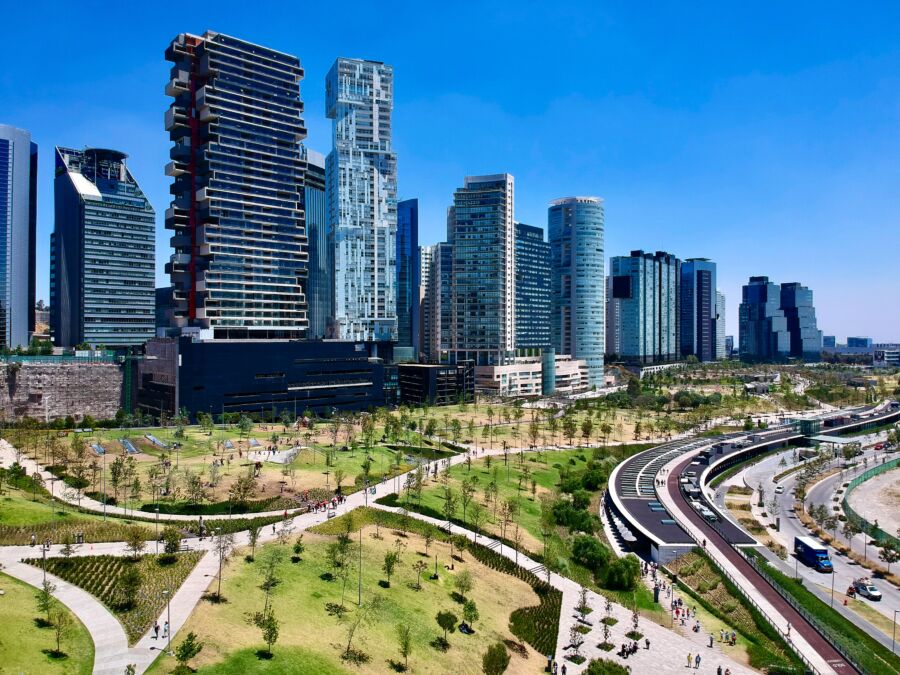
Finding the right place to stay and understanding the cost of living are key factors when comparing Mexico City and Zacatecas. Both cities offer unique living experiences with different price points and amenities.
Hotels and Lodging
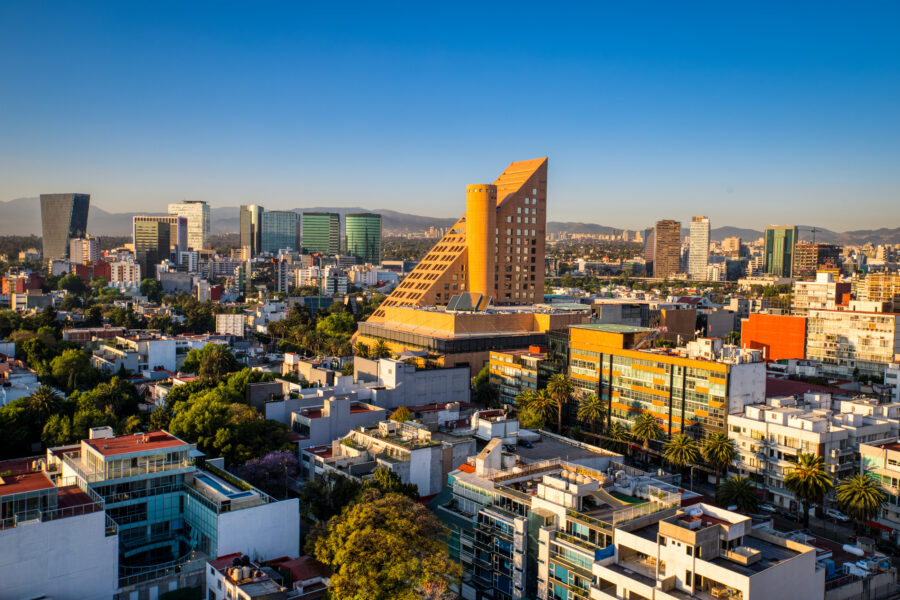
Mexico City provides an impressive range of accommodation options for every budget. Luxury hotels in Polanco and Reforma districts offer high-end amenities starting around $150-300 per night. Mid-range options in neighborhoods like Roma and Condesa typically cost $70-120, while budget-conscious travelers can find hostels and guesthouses for $20-40 per night.
Zacatecas, being smaller, has fewer options but offers charm and character. The historic center features beautiful boutique hotels housed in colonial buildings, usually priced between $50 and $100 per night. Budget accommodations start around $30.
Many visitors appreciate the personalized service in Zacatecas hotels. The city’s compact size means most accommodations are within walking distance of the main attractions. Mexico City requires more planning regarding location since the sprawling metropolis can make transportation between areas time-consuming.
Cost of Living
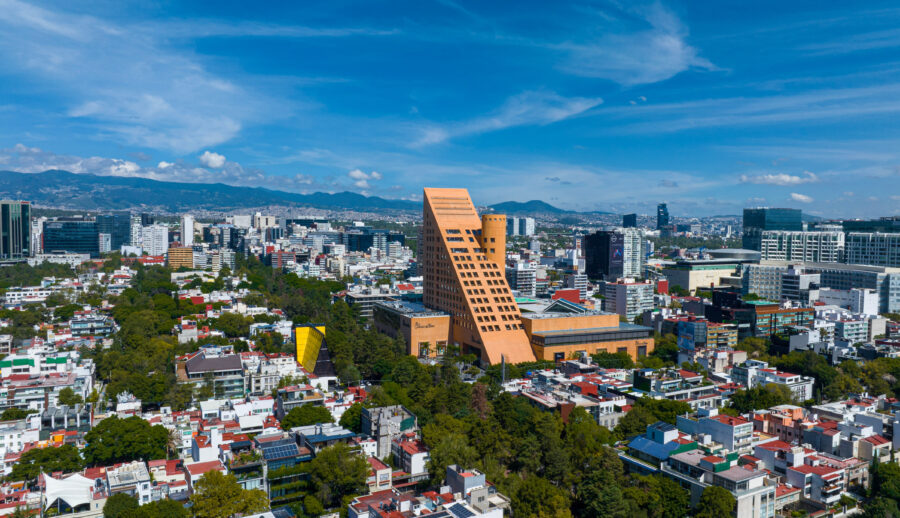
Living expenses differ significantly between these cities. According to search results, Zacatecas is approximately 12.9% cheaper than the Mexican average. Rent prices are notably lower in Zacatecas, where a one-bedroom apartment in the city center costs around $250-350 monthly compared to $500-700 in Mexico City.
Mexico City has seen recent rent increases in popular neighborhoods. Housing experts recommend not spending more than 30% of income on rent in the capital. Grocery shopping is about 15-20% more expensive in Mexico City than in Zacatecas.
Utilities (electricity, water, internet) cost roughly $70-100 monthly in Mexico City versus $60-80 in Zacatecas. Transportation expenses are higher in the capital due to its size and regular need for taxis or rideshares. A meal at an inexpensive restaurant costs about $5-7 in Zacatecas and $7-10 in Mexico City.
Educational Opportunities
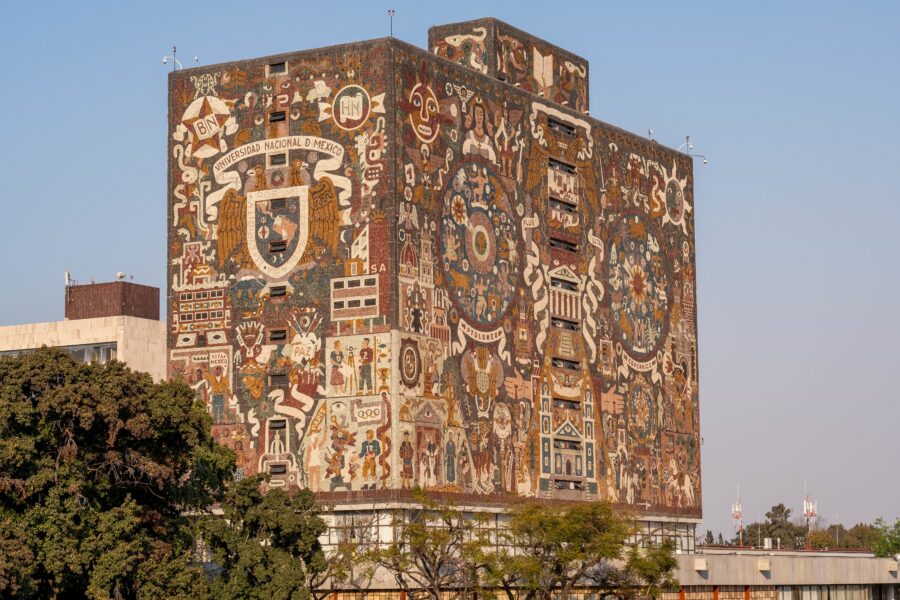
Mexico City and Zacatecas offer distinctive educational paths for both locals and foreigners. Each city provides a unique academic environment shaped by its size, history, and cultural context.
Local Schools and Universities
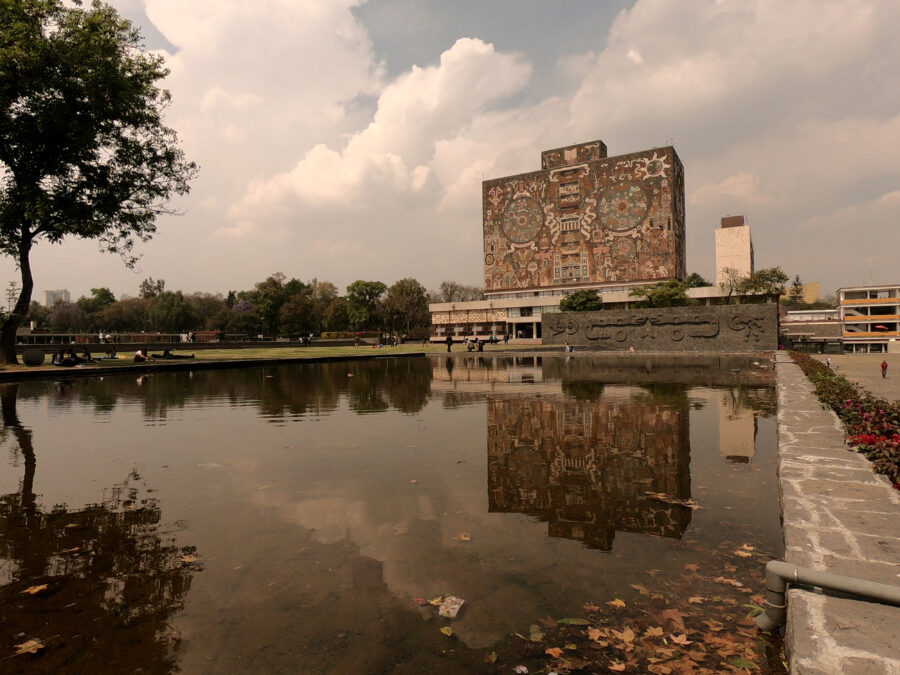
Mexico City boasts an impressive educational landscape with some of the country’s most prestigious institutions. The National Autonomous University of Mexico (UNAM) is one of Latin America’s top universities, known for its massive campus and strong research programs. The city has over 100 higher education institutions, giving students an incredible variety in academic fields.
Mexico City offers families numerous private bilingual schools alongside public education options. These schools follow the Mexican curriculum while often incorporating international teaching methods.
The educational infrastructure is robust, with libraries, research centers, and cultural institutions complementing formal education. However, quality can vary widely between neighborhoods, with better facilities typically found in wealthier areas.
International Education
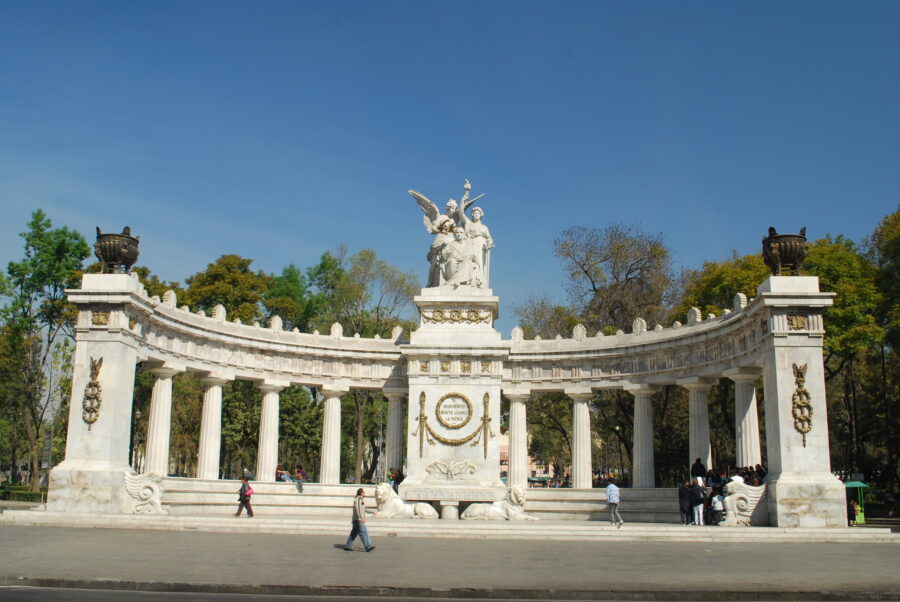
Mexico City attracts many international students and provides excellent opportunities for educational exchange. Several institutions offer programs specifically designed for foreign students, including Spanish language immersion courses and study abroad partnerships with universities worldwide.
American and European universities often connect with Mexican institutions, facilitating semester-long exchanges and research collaborations. These programs typically include cultural immersion activities alongside academic work.
While smaller, Zacatecas has also developed a growing reputation for study abroad programs. The University of Zacatecas welcomes international students and offers specialized Mexican history, culture, and language courses.
Mexico City provides more international schools for expatriate families following American, British, and other foreign curricula. These schools offer smoother transitions for children moving between countries but often come with substantial tuition costs.
Local Governance and Politics
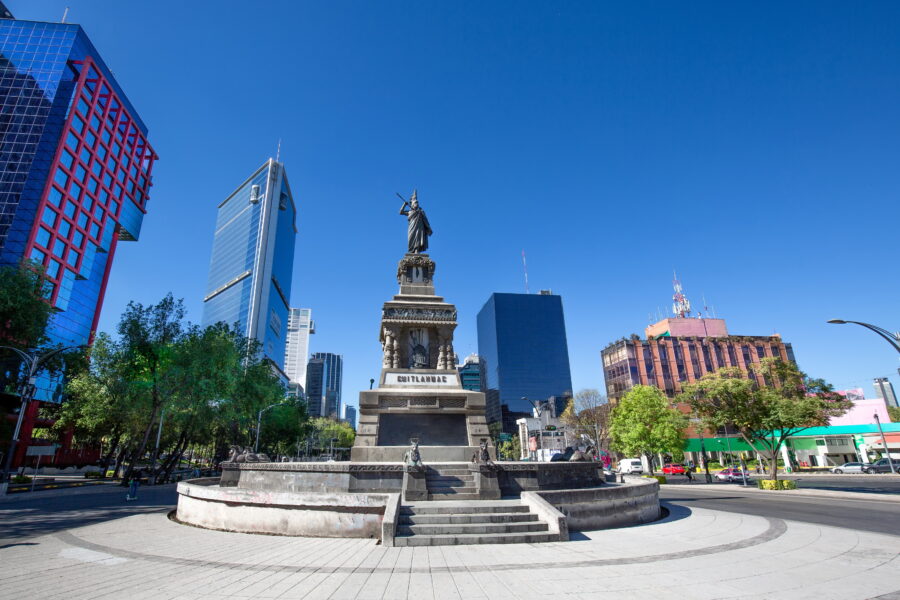
Mexico City and Zacatecas have very different political structures due to their unique positions within Mexico’s federal system.
Mexico City, as the nation’s capital, has a special status. Since 2016, it’s officially known as Ciudad de México (CDMX) and operates as a city and a state. The city is led by a Head of Government (often called Mayor) and is divided into 16 alcaldías (boroughs), each with its own elected officials.
Zacatecas, meanwhile, follows the traditional Mexican state model. It has a governor and a state congress, with the capital city (also called Zacatecas) having its municipal president (mayor) and council.
Political Climate Differences:
- Mexico City: Generally progressive, often electing left-leaning governments
- Zacatecas: More politically diverse, with traditional values more prominent
Both locations face security challenges, though the nature differs. Mexico City deals with urban crime issues, while Zacatecas has experienced more organized crime activity in recent years.
Citizen participation varies, too. CDMX has a vibrant political scene with frequent protests and demonstrations. The capital’s status as the seat of federal government means national politics are happening on residents’ doorsteps.
Local governance in both places must address unique challenges. Mexico City officials manage a massive urban environment with complex infrastructure needs. Zacatecas leaders focus more on rural development, mining industry regulations, and preserving the state’s colonial heritage.
See Related: Mexico City vs Oaxaca: Essential Differences to Know Before Your 2025 Mexican Adventure
Frequently Asked Questions
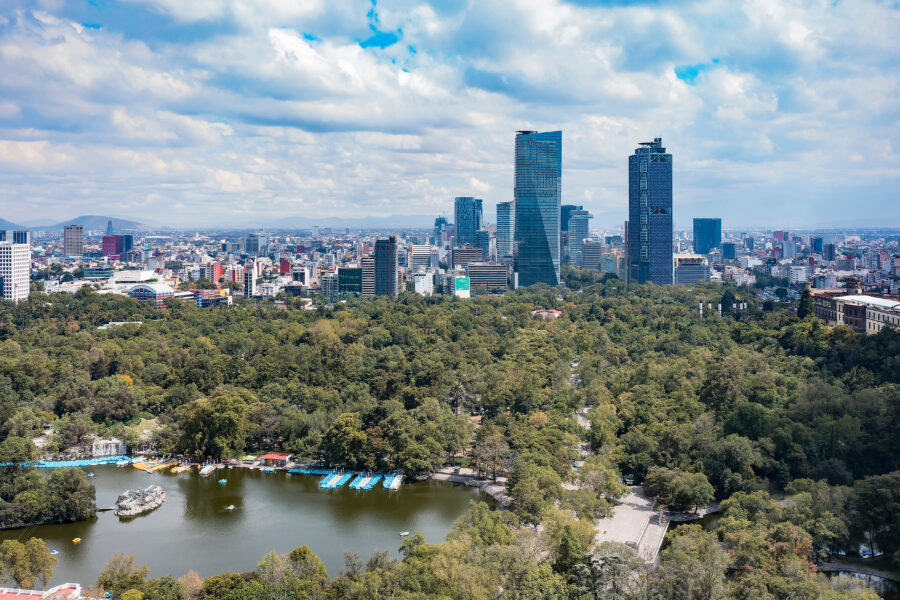
Mexico City and Zacatecas offer vastly different Mexican experiences, from cultural heritage to climate conditions. These contrasting destinations provide unique perspectives on Mexican life and history.
What cultural distinctions exist between Mexico City and Zacatecas?
Mexico City has contemporary art galleries, world-class museums, and international cultural influences. In its diverse neighborhoods, the city mixes ancient traditions with modern cosmopolitan flair.
Zacatecas, on the other hand, maintains a stronger connection to traditional Mexican culture. Its pink cantera stone buildings and quieter pace offer a more authentic glimpse into colonial-era Mexico.
The capital hosts massive cultural events year-round, while Zacatecas celebrates with more regionally focused festivals that highlight local traditions and crafts.
How does the historical significance of Mexico City differ from that of Zacatecas?
Mexico City stands on the ruins of Tenochtitlan, the ancient Aztec capital. This history includes pre-Hispanic civilizations, Spanish colonization, and its role as the nation’s political center for centuries.
Zacatecas gained importance during the colonial era primarily due to silver mining. The city’s wealth came from once one of the world’s richest silver deposits, shaping its architecture and cultural development.
While Mexico City tells the story of an entire nation, Zacatecas offers a focused narrative about colonial wealth and Mexico’s mining heritage.
What are the main geographic differences between Mexico City and Zacatecas?
Mexico City is about 7,350 feet above sea level in a valley surrounded by mountains. Its massive urban sprawl covers over 570 square miles in the heart of the country.
Zacatecas is nestled in a narrow valley between steep hills at an elevation of about 8,200 feet. The city’s dramatic terrain creates stunning vistas and characteristic winding streets that climb up and down the hillsides.
The capital’s flat central areas contrast with Zacatecas’s hilly landscape, creating very different urban experiences for visitors.
Can you explore the unique culinary experiences in Mexico City and Zacatecas?
Mexico City offers incredible dining options from street food to high-end restaurants. Visitors can sample foods from every region of Mexico alongside international cuisine. Specialties like tacos al pastor and chapulines (grasshoppers) are popular.
Zacatecas cuisine focuses on heartier, regional dishes. Local specialties include asado de boda (wedding stew), gorditas zacatecanas, and mining-influenced meals that provided sustenance for workers.
The capital’s food scene changes constantly with new trends, while Zacatecas preserves traditional recipes passed down through generations.
What are the transportation options when traveling from Zacatecas to Mexico City?
Direct flights connect Zacatecas and Mexico City, taking approximately 1 hour and 15 minutes. Airlines like Aeromexico and Volaris operate these flights several times weekly.
Bus travel between the cities takes around 8-9 hours on premium lines like ETN or Primera Plus. The buses offer comfortable seating and amenities for the long journey through central Mexico.
Renting a car gives travelers flexibility but requires navigating approximately 375 miles of highways. Road conditions vary, and travelers should research current safety information before driving.
How do the climates of Mexico City and Zacatecas differ and affect travel plans?
Mexico City enjoys a moderate climate year-round with temperatures typically between 50-75°F. The rainy season runs from May to October, with afternoon showers rarely disrupting full-day activities.
Zacatecas has a more extreme climate with colder winters and warmer summers. Temperatures can drop below freezing at night in winter, while summer days can be quite hot.
Both cities’ high elevations mean visitors should prepare for cool evenings and strong sun during the day. Sunscreen is essential in both locations, and warm layers are particularly important for Zacatecas visits.