
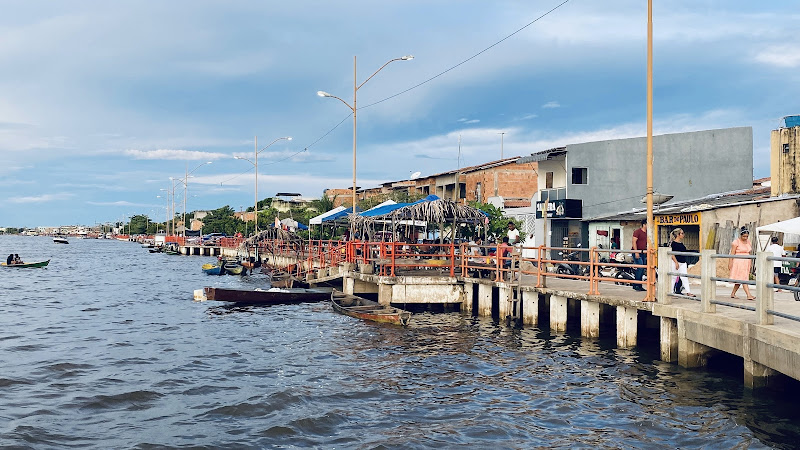
State of Pará
About State of Pará
Description
The State of Pará in northern Brazil is one of those places that leaves you a little speechless the first time you see it on a map. It’s massive—over 1.2 million square kilometers—and yet most travelers only ever hear about Belém, the capital city near the mouth of the Amazon River. But Pará is so much more than one city. It’s a land of rivers that seem endless, islands bigger than some countries, and rainforests that feel alive in every sense of the word. Amazonia National Park sits here too, protecting a huge stretch of the Amazon Rainforest, with its thousands of plant and animal species. And honestly, it’s the kind of place where you’ll hear the forest before you even see it. The calls of birds, the hum of insects, and the splash of fish in the water—it’s like nature’s own orchestra.
Belém itself has a personality that’s hard to forget. The Ver-o-Peso market, perched right on the waterfront, is a whirlwind of colors, smells, and sounds. You’ll find everything from exotic fruits you’ve probably never tried to herbal remedies that locals swear by. And then there’s the colonial architecture—faded in places, sure, but that’s part of the charm. It tells the story of centuries of trade, culture, and resilience. Traveling in Pará can be challenging at times—distances are long, the heat can be heavy, and not every road is in perfect condition. But that’s also what makes it feel real and raw, not polished or over-curated like some tourist destinations.
Key Features
- Amazonia National Park, one of the largest protected rainforest areas in Brazil
- Belém’s Ver-o-Peso market, one of the oldest and largest open-air markets in South America
- Marajó Island, the world’s largest island in a freshwater system, with water buffalo roaming freely
- Traditional cuisine blending Indigenous, African, and Portuguese influences—think açaí, maniçoba, and tacacá
- Annual Círio de Nazaré festival in Belém, one of the biggest religious gatherings in Brazil
- Countless rivers and waterways, making boat travel an adventure in itself
- Rich biodiversity with rare wildlife like pink river dolphins, giant otters, and harpy eagles
Best Time to Visit
Pará doesn’t really do “mild seasons” the way some places do. It’s tropical, which means hot, humid, and rainy—but the rhythm of the rain actually shapes life here. The rainy season runs from December to May, and that’s when huge areas flood. At first glance, you might think that makes travel harder, but actually it’s the opposite. During this time, boats can reach remote corners of the forest that are otherwise cut off. It’s surreal gliding through flooded forests where tree trunks rise straight out of the water. The drier season, from June to November, is easier for those who prefer more predictable weather and less mud underfoot. Personally, I’d say May and June are sweet spots—you get the lushness of the rains without the heaviest downpours.
How to Get There
Most travelers arrive in Pará by flying into Belém, which has an international airport with connections to major Brazilian cities like São Paulo, Rio de Janeiro, and Brasília. From Belém, you can catch boats to Marajó Island, flights deeper into the Amazon, or buses to other towns in the state. And yes, the buses can be long and bumpy, but they’re part of the adventure. If you’re the kind of traveler who loves slow journeys, taking a river boat is unforgettable. Hammocks strung up on deck, locals chatting, kids playing—it’s not luxury, but it’s authentic. Just be prepared for travel times that don’t always match the schedule. In Pará, the river decides the pace more than the clock does.
Tips for Visiting
First tip: embrace the unpredictability. Pará isn’t a place where everything runs on time or where you’ll always find English-speaking guides. But that’s part of its charm. Learn a few words of Portuguese—it goes a long way. And definitely try the local food, even if it looks unfamiliar. I still remember the first time I tried maniçoba, a stew that takes a whole week to prepare because the leaves need to be detoxified. It tasted earthy, rich, and unlike anything I’d had before. Same goes for açaí here—it’s not the sweet smoothie bowl you might know, but a thick, almost savory paste eaten with fish or tapioca flour.
Pack light but smart: breathable clothing, insect repellent, and waterproof bags are essentials. If you’re heading into the rainforest, good rubber boots will save you from a lot of muddy misery. And don’t underestimate how strong the sun can be, even when it’s cloudy. Another thing—respect the pace of life. People here don’t rush the way big city folks do, and trying to force things will just leave you frustrated. Take it slow, talk to locals, and let the state reveal itself in layers. Because that’s really how Pará works—it doesn’t give away all its secrets at once, but if you linger, you’ll carry the memories with you long after you’ve left.
Key Features
- Amazonia National Park, one of the largest protected rainforest areas in Brazil
- Belém’s Ver-o-Peso market, one of the oldest and largest open-air markets in South America
- Marajó Island, the world’s largest island in a freshwater system, with water buffalo roaming freely
- Traditional cuisine blending Indigenous, African, and Portuguese influences—think açaí, maniçoba, and tacacá
- Annual Círio de Nazaré festival in Belém, one of the biggest religious gatherings in Brazil
- Countless rivers and waterways, making boat travel an adventure in itself
- Rich biodiversity with rare wildlife like pink river dolphins, giant otters, and harpy eagles
More Details
Updated September 23, 2025
Table of Contents
Description
The State of Pará in northern Brazil is one of those places that leaves you a little speechless the first time you see it on a map. It’s massive—over 1.2 million square kilometers—and yet most travelers only ever hear about Belém, the capital city near the mouth of the Amazon River. But Pará is so much more than one city. It’s a land of rivers that seem endless, islands bigger than some countries, and rainforests that feel alive in every sense of the word. Amazonia National Park sits here too, protecting a huge stretch of the Amazon Rainforest, with its thousands of plant and animal species. And honestly, it’s the kind of place where you’ll hear the forest before you even see it. The calls of birds, the hum of insects, and the splash of fish in the water—it’s like nature’s own orchestra.
Belém itself has a personality that’s hard to forget. The Ver-o-Peso market, perched right on the waterfront, is a whirlwind of colors, smells, and sounds. You’ll find everything from exotic fruits you’ve probably never tried to herbal remedies that locals swear by. And then there’s the colonial architecture—faded in places, sure, but that’s part of the charm. It tells the story of centuries of trade, culture, and resilience. Traveling in Pará can be challenging at times—distances are long, the heat can be heavy, and not every road is in perfect condition. But that’s also what makes it feel real and raw, not polished or over-curated like some tourist destinations.
Key Features
- Amazonia National Park, one of the largest protected rainforest areas in Brazil
- Belém’s Ver-o-Peso market, one of the oldest and largest open-air markets in South America
- Marajó Island, the world’s largest island in a freshwater system, with water buffalo roaming freely
- Traditional cuisine blending Indigenous, African, and Portuguese influences—think açaí, maniçoba, and tacacá
- Annual Círio de Nazaré festival in Belém, one of the biggest religious gatherings in Brazil
- Countless rivers and waterways, making boat travel an adventure in itself
- Rich biodiversity with rare wildlife like pink river dolphins, giant otters, and harpy eagles
Best Time to Visit
Pará doesn’t really do “mild seasons” the way some places do. It’s tropical, which means hot, humid, and rainy—but the rhythm of the rain actually shapes life here. The rainy season runs from December to May, and that’s when huge areas flood. At first glance, you might think that makes travel harder, but actually it’s the opposite. During this time, boats can reach remote corners of the forest that are otherwise cut off. It’s surreal gliding through flooded forests where tree trunks rise straight out of the water. The drier season, from June to November, is easier for those who prefer more predictable weather and less mud underfoot. Personally, I’d say May and June are sweet spots—you get the lushness of the rains without the heaviest downpours.
How to Get There
Most travelers arrive in Pará by flying into Belém, which has an international airport with connections to major Brazilian cities like São Paulo, Rio de Janeiro, and Brasília. From Belém, you can catch boats to Marajó Island, flights deeper into the Amazon, or buses to other towns in the state. And yes, the buses can be long and bumpy, but they’re part of the adventure. If you’re the kind of traveler who loves slow journeys, taking a river boat is unforgettable. Hammocks strung up on deck, locals chatting, kids playing—it’s not luxury, but it’s authentic. Just be prepared for travel times that don’t always match the schedule. In Pará, the river decides the pace more than the clock does.
Tips for Visiting
First tip: embrace the unpredictability. Pará isn’t a place where everything runs on time or where you’ll always find English-speaking guides. But that’s part of its charm. Learn a few words of Portuguese—it goes a long way. And definitely try the local food, even if it looks unfamiliar. I still remember the first time I tried maniçoba, a stew that takes a whole week to prepare because the leaves need to be detoxified. It tasted earthy, rich, and unlike anything I’d had before. Same goes for açaí here—it’s not the sweet smoothie bowl you might know, but a thick, almost savory paste eaten with fish or tapioca flour.
Pack light but smart: breathable clothing, insect repellent, and waterproof bags are essentials. If you’re heading into the rainforest, good rubber boots will save you from a lot of muddy misery. And don’t underestimate how strong the sun can be, even when it’s cloudy. Another thing—respect the pace of life. People here don’t rush the way big city folks do, and trying to force things will just leave you frustrated. Take it slow, talk to locals, and let the state reveal itself in layers. Because that’s really how Pará works—it doesn’t give away all its secrets at once, but if you linger, you’ll carry the memories with you long after you’ve left.
Key Highlights
- Amazonia National Park, one of the largest protected rainforest areas in Brazil
- Belém’s Ver-o-Peso market, one of the oldest and largest open-air markets in South America
- Marajó Island, the world’s largest island in a freshwater system, with water buffalo roaming freely
- Traditional cuisine blending Indigenous, African, and Portuguese influences—think açaí, maniçoba, and tacacá
- Annual Círio de Nazaré festival in Belém, one of the biggest religious gatherings in Brazil
- Countless rivers and waterways, making boat travel an adventure in itself
- Rich biodiversity with rare wildlife like pink river dolphins, giant otters, and harpy eagles
Location
Places to Stay Near State of Pará
Find and Book a Tour
Explore More Travel Guides
No reviews found! Be the first to review!
Traveler Reviews for State of Pará
There are no reviews yet. Be the first one to write one.
Have you visited State of Pará? Help other travelers by sharing your review.
You Might Also Like
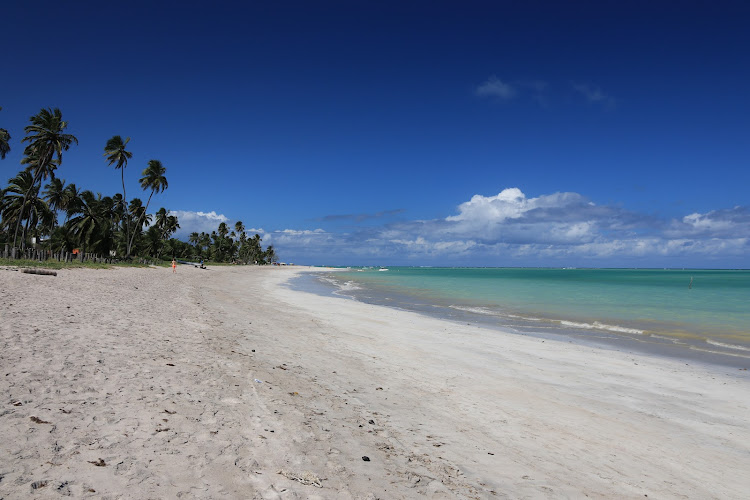
Praia Xareu
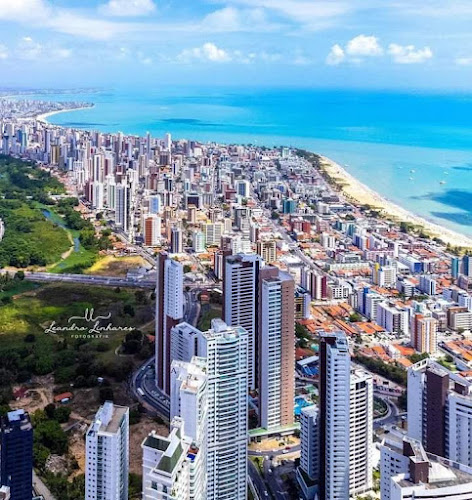
State of Paraíba
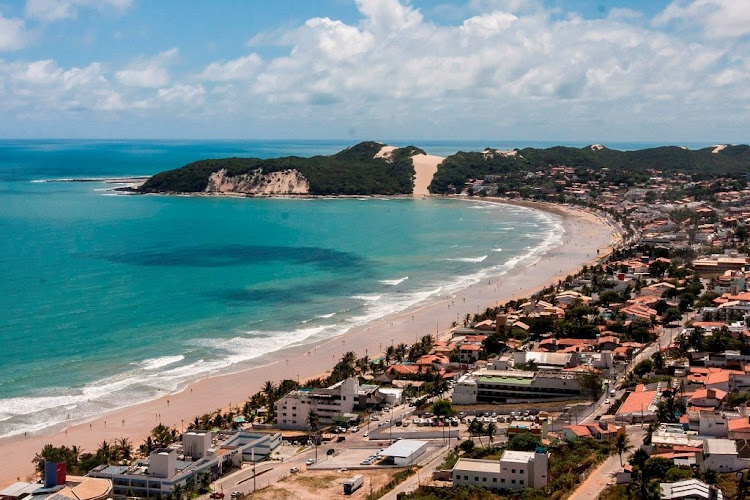
Ponta Negra
Find Accommodations Nearby
Recommended Tours & Activities
Visitor Reviews
There are no reviews yet. Be the first one to write one.
Share Your Experience
Have you visited State of Pará? Help other travelers by leaving a review.