

Orquideario del Indio Solitario
About Orquideario del Indio Solitario
Description
The Orquideario del Indio Solitario is one of those places that feels both intimate and surprising at the same time. It’s a family-run orchid nursery in Puerto Iguazú, Argentina, where travelers can wander through shaded paths lined with orchids of every shape and personality. Some are delicate and tiny, others bold and almost theatrical. It’s not a slick, polished attraction with flashing signs and modern displays—thankfully. Instead, it offers something much more authentic: the feeling of stepping into someone’s lifelong passion project. And that’s exactly what it is. The founder began cultivating orchids as a hobby, and over the years it grew into a beloved stop for both locals and visitors curious about the flora of Misiones.
When you walk through, you’ll notice the atmosphere is calm, almost meditative. Kids tend to enjoy spotting the more unusual orchids, while adults often linger to ask questions about cultivation. It’s not a massive botanical garden, so don’t expect to spend an entire day here, but it’s perfect for an hour or two of slow exploration. Some visitors rave about the warm welcome from the family who runs it, while others leave with mixed feelings, often depending on whether they arrived expecting a grand tourist attraction or a smaller, personal experience. That balance of opinions is actually what makes this place interesting—it’s not trying to be everything to everyone. It’s simply a space where orchids are cared for, displayed, and shared with those who want to see them.
Personally, I found it refreshing. I’ve been to plenty of overhyped attractions where you’re herded through like cattle, but here, you can take your time. You can chat with the caretakers, ask about the differences between epiphytic and terrestrial orchids, or just wander quietly. And yes, there are benches where you can sit, breathe, and let the jungle air wrap around you. It’s not perfect—some areas could use a little more upkeep—but that’s also part of its charm. It feels lived-in, real, and rooted in the soil of Misiones.
Key Features
- Collection of around 40 varieties of orchids, including native and introduced species
- Types include aquatic, subterranean, and epiphytic orchids
- Family-run, with a warm and personal touch in the visitor experience
- Wheelchair accessible entrance, making it inclusive for different travelers
- Accepts debit card payments for tickets or purchases
- Good for children, with easy-to-navigate paths and plenty of visual interest
- Close to the Hito Tres Fronteras landmark, making it easy to combine visits
- Shaded walking paths that provide relief from the subtropical heat
Best Time to Visit
Timing really matters here. The orchids don’t all bloom at once, so what you see depends on the season. If you want the most colorful displays, plan for spring and early summer, when many of the orchids are at their peak. That said, the nursery is open year-round, and there’s always something to admire, even if it’s not the showiest bloom. I went in late autumn once and, while the flowers were fewer, I actually enjoyed seeing the structural beauty of the plants themselves. Plus, the cooler air made for a more comfortable stroll.
Mornings are generally the best time of day to visit. The light filters in softly through the trees, which makes the orchids almost glow, and the paths are quieter before the midday rush. If you’re planning to combine it with a trip to Iguazú Falls, I’d suggest doing the falls early in the morning and saving the orchid garden for later in the day when you need something slower-paced.
How to Get There
The Orquideario is located within Puerto Iguazú itself, so you don’t need to worry about long drives or complicated transfers. From the town center, it’s just a short taxi ride, and if you’re staying nearby, you could even walk. Buses also run in the area, but honestly, a taxi or rideshare is the easiest option, especially if you’re traveling with kids or don’t feel like navigating local bus schedules.
Because it’s not far from the Hito Tres Fronteras—the point where Argentina, Brazil, and Paraguay meet—you can easily plan to see both in the same outing. I once did exactly that: visited the orchid garden in the morning, grabbed a leisurely lunch, and then walked over to the landmark in the afternoon. It made for a relaxed day without the stress of rushing between big-ticket attractions.
Tips for Visiting
Here are a few things you’ll want to keep in mind before heading over:
- Set your expectations right. This isn’t a huge botanical garden. It’s smaller, more personal, and best appreciated if you enjoy quiet, detailed experiences rather than big spectacles.
- Bring cash just in case. While debit cards are accepted, I’ve learned from traveling in Argentina that it’s always smarter to carry some pesos, as card machines can be temperamental.
- Wear comfortable shoes. The paths are easy to walk, but they’re outdoor paths, so flip-flops can sometimes be annoying if it’s rained recently.
- Talk to the caretakers. They know an incredible amount about orchids, and if you show interest, they’ll happily share stories and tips. I once got advice on how to revive a struggling orchid back home, and it actually worked.
- Combine it with nearby attractions. Since it’s close to the Tres Fronteras landmark, you can make a half-day itinerary without overloading yourself.
- Photography is worth it. The orchids are naturally photogenic, but remember to take your time. The best shots come when you slow down and notice the details—like the tiny veins on a petal or the way the light hits a cluster of blooms.
- Don’t rush. It’s easy to think you’ll be done in 15 minutes, but if you allow yourself to slow down, you’ll notice so much more. I once spent nearly an hour just looking at a single section because I kept discovering new shapes and colors I’d missed at first glance.
In the end, the Orquideario del Indio Solitario is one of those places that rewards curiosity. If you’re the kind of traveler who loves stories, details, and personal touches, you’ll probably walk away smiling. If you’re expecting a grand attraction with all the bells and whistles, you might be underwhelmed. But isn’t that the beauty of travel? Some of the best memories come from the smaller, quieter stops that weren’t on your radar until someone whispered, “Hey, you should check this out.” This orchid garden is exactly that kind of place.
Key Features
- Collection of around 40 varieties of orchids, including native and introduced species
- Types include aquatic, subterranean, and epiphytic orchids
- Family-run, with a warm and personal touch in the visitor experience
- Wheelchair accessible entrance, making it inclusive for different travelers
- Accepts debit card payments for tickets or purchases
- Good for children, with easy-to-navigate paths and plenty of visual interest
- Close to the Hito Tres Fronteras landmark, making it easy to combine visits
- Shaded walking paths that provide relief from the subtropical heat
More Details
Updated September 23, 2025
Table of Contents
Description
The Orquideario del Indio Solitario is one of those places that feels both intimate and surprising at the same time. It’s a family-run orchid nursery in Puerto Iguazú, Argentina, where travelers can wander through shaded paths lined with orchids of every shape and personality. Some are delicate and tiny, others bold and almost theatrical. It’s not a slick, polished attraction with flashing signs and modern displays—thankfully. Instead, it offers something much more authentic: the feeling of stepping into someone’s lifelong passion project. And that’s exactly what it is. The founder began cultivating orchids as a hobby, and over the years it grew into a beloved stop for both locals and visitors curious about the flora of Misiones.
When you walk through, you’ll notice the atmosphere is calm, almost meditative. Kids tend to enjoy spotting the more unusual orchids, while adults often linger to ask questions about cultivation. It’s not a massive botanical garden, so don’t expect to spend an entire day here, but it’s perfect for an hour or two of slow exploration. Some visitors rave about the warm welcome from the family who runs it, while others leave with mixed feelings, often depending on whether they arrived expecting a grand tourist attraction or a smaller, personal experience. That balance of opinions is actually what makes this place interesting—it’s not trying to be everything to everyone. It’s simply a space where orchids are cared for, displayed, and shared with those who want to see them.
Personally, I found it refreshing. I’ve been to plenty of overhyped attractions where you’re herded through like cattle, but here, you can take your time. You can chat with the caretakers, ask about the differences between epiphytic and terrestrial orchids, or just wander quietly. And yes, there are benches where you can sit, breathe, and let the jungle air wrap around you. It’s not perfect—some areas could use a little more upkeep—but that’s also part of its charm. It feels lived-in, real, and rooted in the soil of Misiones.
Key Features
- Collection of around 40 varieties of orchids, including native and introduced species
- Types include aquatic, subterranean, and epiphytic orchids
- Family-run, with a warm and personal touch in the visitor experience
- Wheelchair accessible entrance, making it inclusive for different travelers
- Accepts debit card payments for tickets or purchases
- Good for children, with easy-to-navigate paths and plenty of visual interest
- Close to the Hito Tres Fronteras landmark, making it easy to combine visits
- Shaded walking paths that provide relief from the subtropical heat
Best Time to Visit
Timing really matters here. The orchids don’t all bloom at once, so what you see depends on the season. If you want the most colorful displays, plan for spring and early summer, when many of the orchids are at their peak. That said, the nursery is open year-round, and there’s always something to admire, even if it’s not the showiest bloom. I went in late autumn once and, while the flowers were fewer, I actually enjoyed seeing the structural beauty of the plants themselves. Plus, the cooler air made for a more comfortable stroll.
Mornings are generally the best time of day to visit. The light filters in softly through the trees, which makes the orchids almost glow, and the paths are quieter before the midday rush. If you’re planning to combine it with a trip to Iguazú Falls, I’d suggest doing the falls early in the morning and saving the orchid garden for later in the day when you need something slower-paced.
How to Get There
The Orquideario is located within Puerto Iguazú itself, so you don’t need to worry about long drives or complicated transfers. From the town center, it’s just a short taxi ride, and if you’re staying nearby, you could even walk. Buses also run in the area, but honestly, a taxi or rideshare is the easiest option, especially if you’re traveling with kids or don’t feel like navigating local bus schedules.
Because it’s not far from the Hito Tres Fronteras—the point where Argentina, Brazil, and Paraguay meet—you can easily plan to see both in the same outing. I once did exactly that: visited the orchid garden in the morning, grabbed a leisurely lunch, and then walked over to the landmark in the afternoon. It made for a relaxed day without the stress of rushing between big-ticket attractions.
Tips for Visiting
Here are a few things you’ll want to keep in mind before heading over:
- Set your expectations right. This isn’t a huge botanical garden. It’s smaller, more personal, and best appreciated if you enjoy quiet, detailed experiences rather than big spectacles.
- Bring cash just in case. While debit cards are accepted, I’ve learned from traveling in Argentina that it’s always smarter to carry some pesos, as card machines can be temperamental.
- Wear comfortable shoes. The paths are easy to walk, but they’re outdoor paths, so flip-flops can sometimes be annoying if it’s rained recently.
- Talk to the caretakers. They know an incredible amount about orchids, and if you show interest, they’ll happily share stories and tips. I once got advice on how to revive a struggling orchid back home, and it actually worked.
- Combine it with nearby attractions. Since it’s close to the Tres Fronteras landmark, you can make a half-day itinerary without overloading yourself.
- Photography is worth it. The orchids are naturally photogenic, but remember to take your time. The best shots come when you slow down and notice the details—like the tiny veins on a petal or the way the light hits a cluster of blooms.
- Don’t rush. It’s easy to think you’ll be done in 15 minutes, but if you allow yourself to slow down, you’ll notice so much more. I once spent nearly an hour just looking at a single section because I kept discovering new shapes and colors I’d missed at first glance.
In the end, the Orquideario del Indio Solitario is one of those places that rewards curiosity. If you’re the kind of traveler who loves stories, details, and personal touches, you’ll probably walk away smiling. If you’re expecting a grand attraction with all the bells and whistles, you might be underwhelmed. But isn’t that the beauty of travel? Some of the best memories come from the smaller, quieter stops that weren’t on your radar until someone whispered, “Hey, you should check this out.” This orchid garden is exactly that kind of place.
Key Highlights
- Collection of around 40 varieties of orchids, including native and introduced species
- Types include aquatic, subterranean, and epiphytic orchids
- Family-run, with a warm and personal touch in the visitor experience
- Wheelchair accessible entrance, making it inclusive for different travelers
- Accepts debit card payments for tickets or purchases
- Good for children, with easy-to-navigate paths and plenty of visual interest
- Close to the Hito Tres Fronteras landmark, making it easy to combine visits
- Shaded walking paths that provide relief from the subtropical heat
Location
Places to Stay Near Orquideario del Indio Solitario
Find and Book a Tour
Explore More Travel Guides
No reviews found! Be the first to review!
Traveler Reviews for Orquideario del Indio Solitario
There are no reviews yet. Be the first one to write one.
Have you visited Orquideario del Indio Solitario? Help other travelers by sharing your review.
You Might Also Like
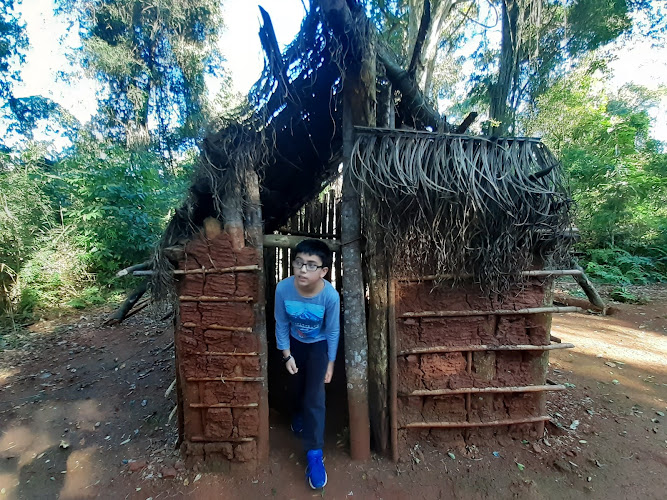
Yryapu turismo guaraní
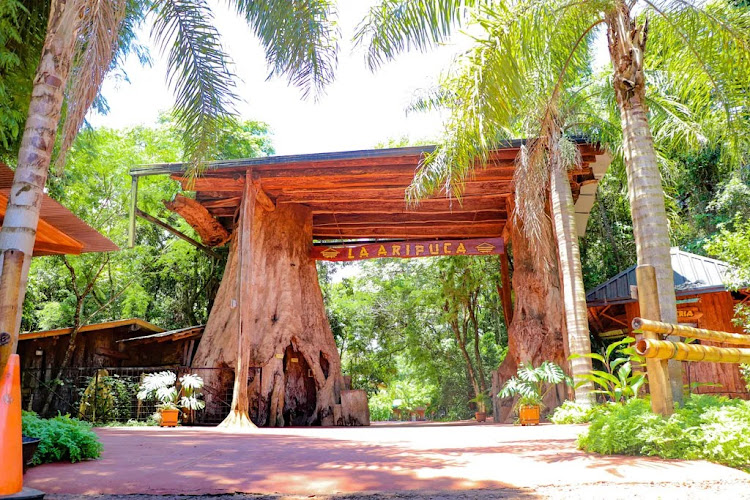
La Aripuca
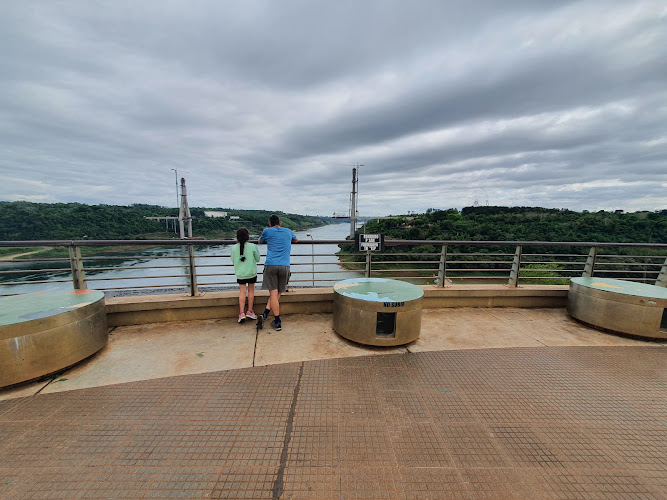
Las Tres Fronteras
Find Accommodations Nearby
Recommended Tours & Activities
Visitor Reviews
There are no reviews yet. Be the first one to write one.
Share Your Experience
Have you visited Orquideario del Indio Solitario? Help other travelers by leaving a review.