
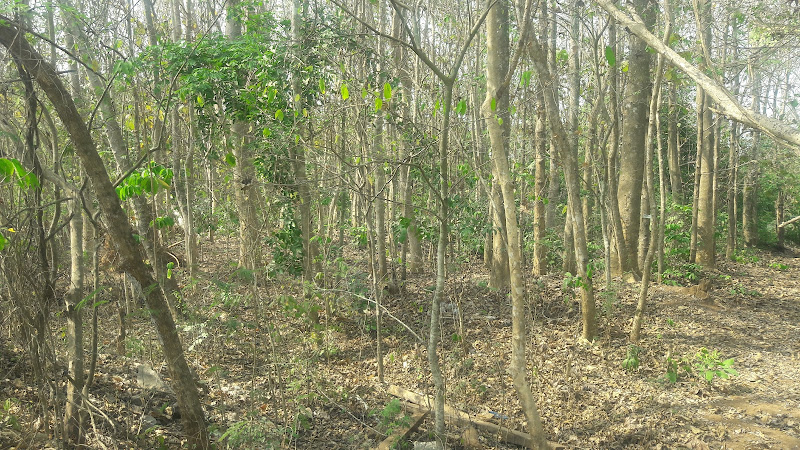
FWT PLANTATION Akure
About FWT PLANTATION Akure
Description
FWT Plantation in Akure is one of those places that feels like a quiet retreat from the usual city buzz, yet still carries a sense of liveliness that keeps it from being too still. It’s technically a botanical garden, but it’s more than just plants and trees lined up neatly. It’s a spot where families, students, and travelers alike come to catch a breath of fresh air, stretch their legs, and maybe even learn a thing or two about the natural world. Some people rave about its calm atmosphere and greenery, while others feel it could use a bit more polish in terms of upkeep. And honestly, both perspectives are fair—it depends on what you’re looking for. If you’re expecting a perfectly manicured European-style garden, you might be a little underwhelmed. But if what you want is a natural, laid-back environment with a touch of raw authenticity, this place delivers.
During my own wanderings through places like this across Nigeria, I’ve found that the real charm often lies in the imperfections. The trails aren’t always spotless, the signs might be a little faded, but that’s part of the character. You’re in nature, after all, not a showroom. Kids usually love it here because there’s space to run around freely, and parents appreciate that there are restrooms on-site (trust me, that’s a lifesaver when traveling with little ones). It’s a place that invites you to slow down, take in the trees, and maybe pack a small picnic to enjoy in the shade.
What makes FWT Plantation stand out compared to other green spaces in Nigeria is its accessibility. It’s right in Akure, so you don’t need to plan an entire expedition just to get there. And because it’s not overly commercialized, you won’t feel pressured to spend money at every corner. It’s simple, it’s straightforward, and it’s honest in what it offers: a breath of nature in the heart of the city.
Key Features
- Botanical garden with a variety of native and exotic plants
- Ample open space for walking, relaxing, or small group activities
- Restroom facilities available for visitors
- Kid-friendly environment with safe areas to explore
- Affordable entry, making it accessible to most travelers
- A calm escape from the busyness of Akure
Best Time to Visit
The best time to visit FWT Plantation depends on what you’re hoping to experience. Personally, I’d recommend the cooler months between November and February. The weather is less humid then, which makes wandering through the garden more comfortable. If you come during the rainy season, from April through October, expect lush greenery and a more dramatic landscape, but also be prepared for muddy paths and the occasional downpour. I’ve been caught in sudden tropical rain more times than I can count, and while it can be frustrating, it also adds a certain charm—if you don’t mind getting a little wet. Early mornings and late afternoons are particularly beautiful here, with softer sunlight filtering through the trees and fewer crowds.
How to Get There
Reaching FWT Plantation is straightforward if you’re already in Akure. Local taxis and motorbikes are the most common modes of transport and will get you there without much fuss. If you’re driving yourself, the plantation is fairly easy to locate thanks to its central position in the city. For travelers coming from outside Akure, the city is accessible by road from Lagos, Ibadan, and other major towns in southwestern Nigeria. The journey can be a bit long depending on traffic (and trust me, Nigerian traffic has a mind of its own), but once you arrive, the plantation is not far from the city center.
If you’re the type who likes to combine sightseeing with local experiences, hopping on an okada (motorbike taxi) is an adventure in itself. Just make sure to negotiate the fare before you hop on, and always wear a helmet if possible.
Tips for Visiting
Here are a few practical tips that can make your visit smoother and more enjoyable:
- Bring water: Staying hydrated is key, especially if you’re walking around under the sun. There aren’t always vendors on-site, so it’s better to come prepared.
- Wear comfortable shoes: The paths can be uneven, so sneakers or sandals with good grip are better than flip-flops.
- Pack light snacks: While it’s not a full-blown picnic park, a small snack or sandwich can make your visit more pleasant.
- Keep expectations balanced: Remember, this is a natural space, not a luxury resort. Embrace its simplicity and authenticity.
- Visit in groups if possible: It’s safe, but like most outdoor spots, it’s more fun when shared with friends or family.
- Bring a camera: If you’re into photography, the light filtering through the trees can create some stunning shots, especially in the golden hour.
One last thing—don’t rush your visit. The beauty of FWT Plantation lies in its ability to slow you down. Sit under a tree, listen to the rustling leaves, and let yourself just be. In today’s world, that’s a rare gift.
Key Features
- Botanical garden with a variety of native and exotic plants
- Ample open space for walking, relaxing, or small group activities
- Restroom facilities available for visitors
- Kid-friendly environment with safe areas to explore
- Affordable entry, making it accessible to most travelers
- A calm escape from the busyness of Akure
More Details
Updated September 23, 2025
Table of Contents
Description
FWT Plantation in Akure is one of those places that feels like a quiet retreat from the usual city buzz, yet still carries a sense of liveliness that keeps it from being too still. It’s technically a botanical garden, but it’s more than just plants and trees lined up neatly. It’s a spot where families, students, and travelers alike come to catch a breath of fresh air, stretch their legs, and maybe even learn a thing or two about the natural world. Some people rave about its calm atmosphere and greenery, while others feel it could use a bit more polish in terms of upkeep. And honestly, both perspectives are fair—it depends on what you’re looking for. If you’re expecting a perfectly manicured European-style garden, you might be a little underwhelmed. But if what you want is a natural, laid-back environment with a touch of raw authenticity, this place delivers.
During my own wanderings through places like this across Nigeria, I’ve found that the real charm often lies in the imperfections. The trails aren’t always spotless, the signs might be a little faded, but that’s part of the character. You’re in nature, after all, not a showroom. Kids usually love it here because there’s space to run around freely, and parents appreciate that there are restrooms on-site (trust me, that’s a lifesaver when traveling with little ones). It’s a place that invites you to slow down, take in the trees, and maybe pack a small picnic to enjoy in the shade.
What makes FWT Plantation stand out compared to other green spaces in Nigeria is its accessibility. It’s right in Akure, so you don’t need to plan an entire expedition just to get there. And because it’s not overly commercialized, you won’t feel pressured to spend money at every corner. It’s simple, it’s straightforward, and it’s honest in what it offers: a breath of nature in the heart of the city.
Key Features
- Botanical garden with a variety of native and exotic plants
- Ample open space for walking, relaxing, or small group activities
- Restroom facilities available for visitors
- Kid-friendly environment with safe areas to explore
- Affordable entry, making it accessible to most travelers
- A calm escape from the busyness of Akure
Best Time to Visit
The best time to visit FWT Plantation depends on what you’re hoping to experience. Personally, I’d recommend the cooler months between November and February. The weather is less humid then, which makes wandering through the garden more comfortable. If you come during the rainy season, from April through October, expect lush greenery and a more dramatic landscape, but also be prepared for muddy paths and the occasional downpour. I’ve been caught in sudden tropical rain more times than I can count, and while it can be frustrating, it also adds a certain charm—if you don’t mind getting a little wet. Early mornings and late afternoons are particularly beautiful here, with softer sunlight filtering through the trees and fewer crowds.
How to Get There
Reaching FWT Plantation is straightforward if you’re already in Akure. Local taxis and motorbikes are the most common modes of transport and will get you there without much fuss. If you’re driving yourself, the plantation is fairly easy to locate thanks to its central position in the city. For travelers coming from outside Akure, the city is accessible by road from Lagos, Ibadan, and other major towns in southwestern Nigeria. The journey can be a bit long depending on traffic (and trust me, Nigerian traffic has a mind of its own), but once you arrive, the plantation is not far from the city center.
If you’re the type who likes to combine sightseeing with local experiences, hopping on an okada (motorbike taxi) is an adventure in itself. Just make sure to negotiate the fare before you hop on, and always wear a helmet if possible.
Tips for Visiting
Here are a few practical tips that can make your visit smoother and more enjoyable:
- Bring water: Staying hydrated is key, especially if you’re walking around under the sun. There aren’t always vendors on-site, so it’s better to come prepared.
- Wear comfortable shoes: The paths can be uneven, so sneakers or sandals with good grip are better than flip-flops.
- Pack light snacks: While it’s not a full-blown picnic park, a small snack or sandwich can make your visit more pleasant.
- Keep expectations balanced: Remember, this is a natural space, not a luxury resort. Embrace its simplicity and authenticity.
- Visit in groups if possible: It’s safe, but like most outdoor spots, it’s more fun when shared with friends or family.
- Bring a camera: If you’re into photography, the light filtering through the trees can create some stunning shots, especially in the golden hour.
One last thing—don’t rush your visit. The beauty of FWT Plantation lies in its ability to slow you down. Sit under a tree, listen to the rustling leaves, and let yourself just be. In today’s world, that’s a rare gift.
Key Highlights
- Botanical garden with a variety of native and exotic plants
- Ample open space for walking, relaxing, or small group activities
- Restroom facilities available for visitors
- Kid-friendly environment with safe areas to explore
- Affordable entry, making it accessible to most travelers
- A calm escape from the busyness of Akure
Location
Places to Stay Near FWT PLANTATION Akure
Find and Book a Tour
Explore More Travel Guides
No reviews found! Be the first to review!
Traveler Reviews for FWT PLANTATION Akure
There are no reviews yet. Be the first one to write one.
Have you visited FWT PLANTATION Akure? Help other travelers by sharing your review.
You Might Also Like

Luminous group

Amazing Place Event Centre
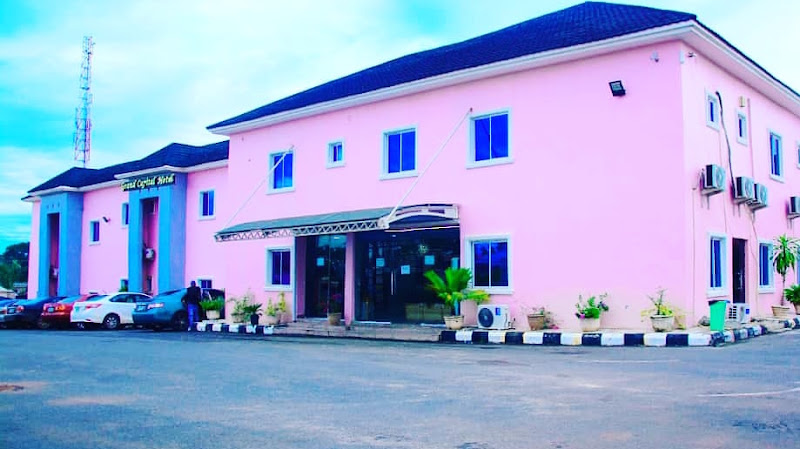
GRAND CAPITAL HOTEL
Find Accommodations Nearby
Recommended Tours & Activities
Visitor Reviews
There are no reviews yet. Be the first one to write one.
Share Your Experience
Have you visited FWT PLANTATION Akure? Help other travelers by leaving a review.