
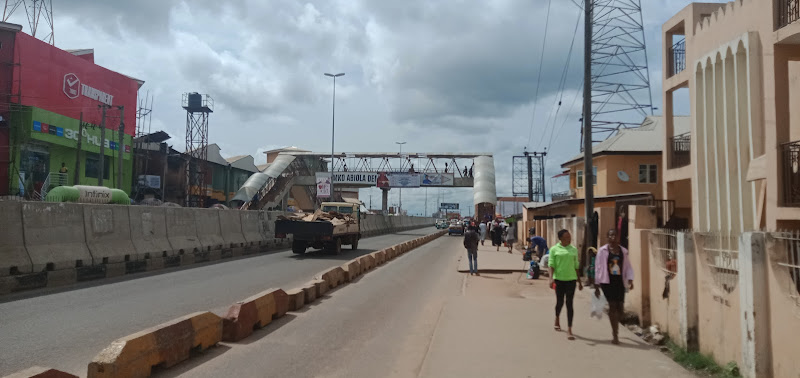
Akure
About Akure
Description
Akure, the capital of Ondo State in southwestern Nigeria, is one of those places that quietly grows on you the longer you stay. With a population now estimated at over 770,000, it’s a bustling city that still manages to hold onto its roots. The city is historically tied to the Yoruba people, and you can feel that heritage in its festivals, markets, and even in the way people tell stories about their ancestors. Unlike Lagos or Abuja, Akure isn’t trying to overwhelm you with skyscrapers and endless traffic jams (though, let’s be honest, traffic here can still test your patience). Instead, it offers a balance—modern conveniences alongside a strong cultural heartbeat.
Walking through Akure, you’ll notice how it thrives as an agricultural hub. Cassava, maize, cocoa, palm oil, and bananas are traded in large quantities, and the local markets are alive with color and chatter. I remember once stopping at Oja Oba Market, and I swear I spent more time talking with the traders about family life and politics than I did actually buying food. That’s the thing about Akure—people here are warm, curious, and genuinely interested in connecting with visitors. It’s not polished like some tourist-heavy cities, but that’s exactly why it feels authentic. And while it’s not on every traveler’s radar, those who make their way here often leave with stories worth telling.
Key Features
- Cultural Heritage: Home to the Deji of Akure’s palace, a symbol of Yoruba tradition and authority.
- Markets: Bustling trading centers like Oja Oba Market where you can find everything from fresh produce to handmade crafts.
- Natural Surroundings: Close to the Yoruba Hills and lush green landscapes, offering a scenic backdrop to city life.
- Education Hub: Hosts several institutions, including Federal University of Technology Akure, giving the city a youthful energy.
- Festivals: Traditional festivals and cultural events that showcase music, dance, and storytelling.
- Accessibility: Located at a crossroads that connects Ondo, Ado-Ekiti, Owo, and Ilesha, making it a strategic stop for travelers.
Best Time to Visit
If you’re planning a trip to Akure, timing matters more than you might think. The city has two main seasons: the rainy season (roughly April to October) and the dry season (November to March). Personally, I’d say the dry season is the sweet spot. Roads are easier to navigate, and you can explore without the constant threat of being caught in a downpour. But there’s something magical about the rainy season too—the greenery is lush, the air feels fresher, and if you don’t mind carrying an umbrella everywhere, it’s worth experiencing. I once visited in July, and while I had to sprint for cover more than once, the sight of the hills covered in mist was unforgettable.
How to Get There
Getting to Akure isn’t complicated, but it does require a bit of planning. The city has an airport, Akure Airport, which connects to Lagos and Abuja. Flights are not as frequent as you might hope, so booking early is smart. If you’re up for a road trip, Akure is accessible by well-traveled highways from Lagos (about 4-5 hours depending on traffic), Ibadan, and Benin City. The roads are generally decent, though you’ll want to be prepared for the occasional pothole or police checkpoint. Public buses and shared taxis are common, but if you want comfort, hiring a private car is the way to go. I once took a bus from Lagos to Akure, and although it was cheap, the journey stretched into eight hours thanks to heavy rain and traffic jams—it was an adventure, but not one I’d repeat in a hurry.
Tips for Visiting
Visiting Akure is rewarding if you go in with the right mindset. Here are a few things I’ve learned along the way:
- Cash is king: While ATMs exist, they can be unreliable. Carry enough naira with you, especially for markets and smaller shops.
- Respect local customs: Greetings matter in Yoruba culture. A simple “Bawo ni” (how are you) can open doors to friendlier interactions.
- Try the food: Don’t leave without tasting pounded yam with egusi soup or a plate of jollof rice. Street food here is tasty, but stick to busy vendors where the turnover is high.
- Plan for power cuts: Electricity can be inconsistent. Bring a power bank if you rely heavily on your devices.
- Stay hydrated: The weather can swing from humid to hot quickly. Bottled water is widely available and affordable.
- Explore beyond the city: If you have time, use Akure as a base to visit nearby attractions like Idanre Hills, which is just about an hour’s drive away and absolutely worth it.
At the end of the day, Akure isn’t a city that tries to impress with glitz—it wins you over with its people, its stories, and its sense of place. Whether you’re wandering through a marketplace, chatting with students, or just enjoying a quiet evening breeze, you’ll find that Akure has a way of making you feel like you belong, even if only for a short while.
Key Features
- Key Features
- Best Time to Visit
- How to Get There
- Tips for Visiting
More Details
Updated September 24, 2025
Table of Contents
Description
Akure, the capital of Ondo State in southwestern Nigeria, is one of those places that quietly grows on you the longer you stay. With a population now estimated at over 770,000, it’s a bustling city that still manages to hold onto its roots. The city is historically tied to the Yoruba people, and you can feel that heritage in its festivals, markets, and even in the way people tell stories about their ancestors. Unlike Lagos or Abuja, Akure isn’t trying to overwhelm you with skyscrapers and endless traffic jams (though, let’s be honest, traffic here can still test your patience). Instead, it offers a balance—modern conveniences alongside a strong cultural heartbeat.
Walking through Akure, you’ll notice how it thrives as an agricultural hub. Cassava, maize, cocoa, palm oil, and bananas are traded in large quantities, and the local markets are alive with color and chatter. I remember once stopping at Oja Oba Market, and I swear I spent more time talking with the traders about family life and politics than I did actually buying food. That’s the thing about Akure—people here are warm, curious, and genuinely interested in connecting with visitors. It’s not polished like some tourist-heavy cities, but that’s exactly why it feels authentic. And while it’s not on every traveler’s radar, those who make their way here often leave with stories worth telling.
Key Features
- Cultural Heritage: Home to the Deji of Akure’s palace, a symbol of Yoruba tradition and authority.
- Markets: Bustling trading centers like Oja Oba Market where you can find everything from fresh produce to handmade crafts.
- Natural Surroundings: Close to the Yoruba Hills and lush green landscapes, offering a scenic backdrop to city life.
- Education Hub: Hosts several institutions, including Federal University of Technology Akure, giving the city a youthful energy.
- Festivals: Traditional festivals and cultural events that showcase music, dance, and storytelling.
- Accessibility: Located at a crossroads that connects Ondo, Ado-Ekiti, Owo, and Ilesha, making it a strategic stop for travelers.
Best Time to Visit
If you’re planning a trip to Akure, timing matters more than you might think. The city has two main seasons: the rainy season (roughly April to October) and the dry season (November to March). Personally, I’d say the dry season is the sweet spot. Roads are easier to navigate, and you can explore without the constant threat of being caught in a downpour. But there’s something magical about the rainy season too—the greenery is lush, the air feels fresher, and if you don’t mind carrying an umbrella everywhere, it’s worth experiencing. I once visited in July, and while I had to sprint for cover more than once, the sight of the hills covered in mist was unforgettable.
How to Get There
Getting to Akure isn’t complicated, but it does require a bit of planning. The city has an airport, Akure Airport, which connects to Lagos and Abuja. Flights are not as frequent as you might hope, so booking early is smart. If you’re up for a road trip, Akure is accessible by well-traveled highways from Lagos (about 4-5 hours depending on traffic), Ibadan, and Benin City. The roads are generally decent, though you’ll want to be prepared for the occasional pothole or police checkpoint. Public buses and shared taxis are common, but if you want comfort, hiring a private car is the way to go. I once took a bus from Lagos to Akure, and although it was cheap, the journey stretched into eight hours thanks to heavy rain and traffic jams—it was an adventure, but not one I’d repeat in a hurry.
Tips for Visiting
Visiting Akure is rewarding if you go in with the right mindset. Here are a few things I’ve learned along the way:
- Cash is king: While ATMs exist, they can be unreliable. Carry enough naira with you, especially for markets and smaller shops.
- Respect local customs: Greetings matter in Yoruba culture. A simple “Bawo ni” (how are you) can open doors to friendlier interactions.
- Try the food: Don’t leave without tasting pounded yam with egusi soup or a plate of jollof rice. Street food here is tasty, but stick to busy vendors where the turnover is high.
- Plan for power cuts: Electricity can be inconsistent. Bring a power bank if you rely heavily on your devices.
- Stay hydrated: The weather can swing from humid to hot quickly. Bottled water is widely available and affordable.
- Explore beyond the city: If you have time, use Akure as a base to visit nearby attractions like Idanre Hills, which is just about an hour’s drive away and absolutely worth it.
At the end of the day, Akure isn’t a city that tries to impress with glitz—it wins you over with its people, its stories, and its sense of place. Whether you’re wandering through a marketplace, chatting with students, or just enjoying a quiet evening breeze, you’ll find that Akure has a way of making you feel like you belong, even if only for a short while.
Key Highlights
- Key Features
- Best Time to Visit
- How to Get There
- Tips for Visiting
Location
Places to Stay Near Akure
Find and Book a Tour
Explore More Travel Guides
No reviews found! Be the first to review!
Traveler Reviews for Akure
There are no reviews yet. Be the first one to write one.
Have you visited Akure? Help other travelers by sharing your review.
You Might Also Like
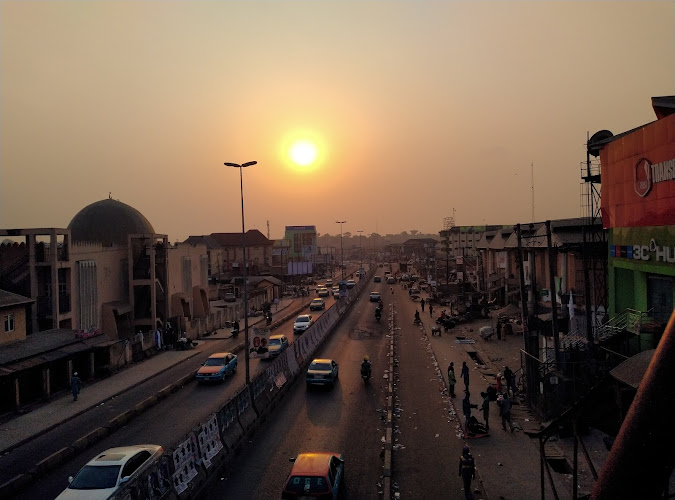
Democracy park Akure

Amazing Place Event Centre

Filmhouse Cinema Akure
Find Accommodations Nearby
Recommended Tours & Activities
Visitor Reviews
There are no reviews yet. Be the first one to write one.
Share Your Experience
Have you visited Akure? Help other travelers by leaving a review.