
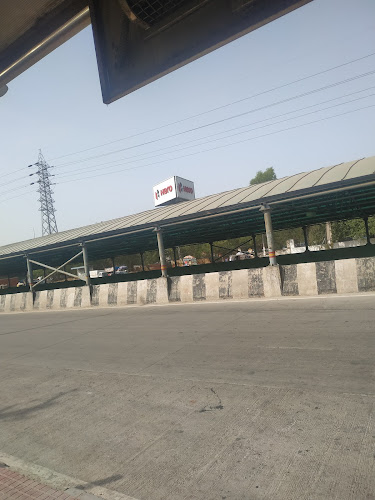
Yarkant County
About Yarkant County
Description
Yarkant County, sometimes written as Shache or Yakan, sits quietly on the southern edge of the Taklamakan Desert in Xinjiang’s Tarim Basin. It’s part of Kashgar Prefecture, but don’t let that administrative detail fool you into thinking it’s just another dusty town in western China. This place has layers upon layers of history, culture, and tradition that make it feel like stepping into a living museum. You’ll find traces of Silk Road trade, Uyghur heritage, and even echoes of royal courts from centuries past.
What struck me when I first learned about Yarkant is how it balances the harshness of its desert surroundings with the warmth of its people and traditions. It’s not polished like some tourist hubs, and honestly, that’s part of its charm. The streets carry stories, the bazaars hum with life, and the old buildings still whisper about dynasties that once ruled here. Some travelers find it a bit rough around the edges, while others fall in love with its authenticity. For me, it’s the kind of place that makes you slow down, look around, and realize how much history can live in one corner of the world.
Key Features
- Historic Yarkant Royal Mausoleum: Final resting place of Amannisa Khan, a queen who shaped Uyghur music traditions.
- Traditional Uyghur Music: The county is closely tied to the Twelve Muqam, a UNESCO-recognized musical heritage.
- Silk Road Legacy: Once an important stop for caravans traveling across the desert.
- Uyghur Markets: Bustling bazaars offering spices, dried fruits, and handmade crafts.
- Desert Proximity: Gateway to the Taklamakan Desert, with landscapes that feel otherworldly.
- Local Crafts: Woodcarving, weaving, and pottery traditions that are still alive today.
And let’s not forget the food—hand-pulled noodles, lamb kebabs, and naan baked in clay ovens. If you’re a foodie like me, Yarkant will not disappoint.
Best Time to Visit
Timing matters in Yarkant. Summers can be brutally hot, and winters are bone-chilling. The sweet spot is spring (April to June) and autumn (September to October). During these months, the desert heat is bearable, the skies are usually clear, and the markets are buzzing with fresh produce. I’d avoid July and August if you don’t like feeling like you’re baking in an oven, though some people love the intensity of summer here. Personally, I’d go in autumn—the golden leaves against the mud-brick walls of the old town are just magical.
How to Get There
Reaching Yarkant isn’t as complicated as it used to be, but it still feels like a bit of an adventure. Most travelers start from Kashgar, which is the main hub in the region. From there, it’s about a 200-kilometer drive—roughly three to four hours by car or bus. The road cuts through desert and farmland, and it’s the kind of journey where you’ll want to keep your camera handy. Trains and flights don’t go directly to Yarkant, so ground transport is your main option. If you’re the type who loves road trips, this is definitely your kind of route.
Tips for Visiting
A few practical notes can make your Yarkant trip smoother and more rewarding:
- Respect local customs: Yarkant is predominantly Uyghur Muslim, so modest dress and polite behavior go a long way.
- Cash is king: Don’t rely too heavily on cards; bring enough yuan for markets and small shops.
- Learn a few phrases: Even a couple of words in Uyghur or Mandarin can spark smiles and open doors.
- Slow down: This isn’t a place to rush. Take time to wander, sip tea in a local teahouse, and just watch life unfold.
- Pack for extremes: The desert climate means hot days and chilly nights, so layers are your friend.
- Stay curious: Ask questions, try the local snacks, and don’t be afraid to get a bit lost in the alleys.
One last thing—don’t expect Yarkant to cater to every tourist whim. That’s part of its beauty. It’s raw, real, and sometimes a little unpredictable. But if you’re the kind of traveler who values genuine experiences over polished ones, you’ll likely leave with stories you’ll tell for years. I still remember the first time I heard a street musician play the dutar here; the melody stuck with me long after I left. And that’s exactly what Yarkant does—it lingers.
Key Features
- Key Features
- Best Time to Visit
- How to Get There
- Tips for Visiting
More Details
Updated September 24, 2025
Table of Contents
Description
Yarkant County, sometimes written as Shache or Yakan, sits quietly on the southern edge of the Taklamakan Desert in Xinjiang’s Tarim Basin. It’s part of Kashgar Prefecture, but don’t let that administrative detail fool you into thinking it’s just another dusty town in western China. This place has layers upon layers of history, culture, and tradition that make it feel like stepping into a living museum. You’ll find traces of Silk Road trade, Uyghur heritage, and even echoes of royal courts from centuries past.
What struck me when I first learned about Yarkant is how it balances the harshness of its desert surroundings with the warmth of its people and traditions. It’s not polished like some tourist hubs, and honestly, that’s part of its charm. The streets carry stories, the bazaars hum with life, and the old buildings still whisper about dynasties that once ruled here. Some travelers find it a bit rough around the edges, while others fall in love with its authenticity. For me, it’s the kind of place that makes you slow down, look around, and realize how much history can live in one corner of the world.
Key Features
- Historic Yarkant Royal Mausoleum: Final resting place of Amannisa Khan, a queen who shaped Uyghur music traditions.
- Traditional Uyghur Music: The county is closely tied to the Twelve Muqam, a UNESCO-recognized musical heritage.
- Silk Road Legacy: Once an important stop for caravans traveling across the desert.
- Uyghur Markets: Bustling bazaars offering spices, dried fruits, and handmade crafts.
- Desert Proximity: Gateway to the Taklamakan Desert, with landscapes that feel otherworldly.
- Local Crafts: Woodcarving, weaving, and pottery traditions that are still alive today.
And let’s not forget the food—hand-pulled noodles, lamb kebabs, and naan baked in clay ovens. If you’re a foodie like me, Yarkant will not disappoint.
Best Time to Visit
Timing matters in Yarkant. Summers can be brutally hot, and winters are bone-chilling. The sweet spot is spring (April to June) and autumn (September to October). During these months, the desert heat is bearable, the skies are usually clear, and the markets are buzzing with fresh produce. I’d avoid July and August if you don’t like feeling like you’re baking in an oven, though some people love the intensity of summer here. Personally, I’d go in autumn—the golden leaves against the mud-brick walls of the old town are just magical.
How to Get There
Reaching Yarkant isn’t as complicated as it used to be, but it still feels like a bit of an adventure. Most travelers start from Kashgar, which is the main hub in the region. From there, it’s about a 200-kilometer drive—roughly three to four hours by car or bus. The road cuts through desert and farmland, and it’s the kind of journey where you’ll want to keep your camera handy. Trains and flights don’t go directly to Yarkant, so ground transport is your main option. If you’re the type who loves road trips, this is definitely your kind of route.
Tips for Visiting
A few practical notes can make your Yarkant trip smoother and more rewarding:
- Respect local customs: Yarkant is predominantly Uyghur Muslim, so modest dress and polite behavior go a long way.
- Cash is king: Don’t rely too heavily on cards; bring enough yuan for markets and small shops.
- Learn a few phrases: Even a couple of words in Uyghur or Mandarin can spark smiles and open doors.
- Slow down: This isn’t a place to rush. Take time to wander, sip tea in a local teahouse, and just watch life unfold.
- Pack for extremes: The desert climate means hot days and chilly nights, so layers are your friend.
- Stay curious: Ask questions, try the local snacks, and don’t be afraid to get a bit lost in the alleys.
One last thing—don’t expect Yarkant to cater to every tourist whim. That’s part of its beauty. It’s raw, real, and sometimes a little unpredictable. But if you’re the kind of traveler who values genuine experiences over polished ones, you’ll likely leave with stories you’ll tell for years. I still remember the first time I heard a street musician play the dutar here; the melody stuck with me long after I left. And that’s exactly what Yarkant does—it lingers.
Key Highlights
- Key Features
- Best Time to Visit
- How to Get There
- Tips for Visiting
Location
Places to Stay Near Yarkant County
Find and Book a Tour
Explore More Travel Guides
No reviews found! Be the first to review!
Traveler Reviews for Yarkant County
There are no reviews yet. Be the first one to write one.
Have you visited Yarkant County? Help other travelers by sharing your review.
You Might Also Like
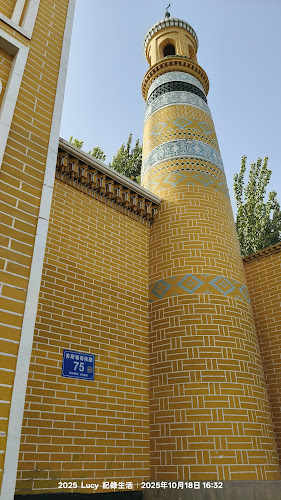
Id Kah Mosque
844001
Ou Er Da Xi Ke Lu
Find Accommodations Nearby
Recommended Tours & Activities
Visitor Reviews
There are no reviews yet. Be the first one to write one.
Share Your Experience
Have you visited Yarkant County? Help other travelers by leaving a review.