
Kaifeng City Wall
About Kaifeng City Wall
Description
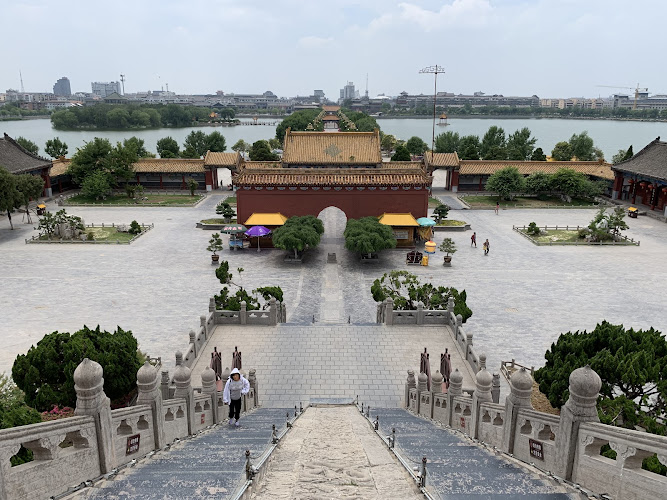
The Kaifeng City Wall is one of those places that quietly surprises you. At first glance, it’s a massive ring of bricks and earth, stretching 14.4 kilometers around the heart of Kaifeng. But once you step closer, you start to feel the weight of history pressed into every stone. This isn’t just another wall; it’s a living timeline that has survived dynasties, floods, wars, and countless restorations. You can almost picture the Yuan and Ming dynasty guards pacing along the battlements, or families gathering near the gates centuries ago. And yet today, it’s not just a relic—it’s part of the rhythm of modern Kaifeng life. Locals jog along its base, kids chase each other in the parks nearby, and travelers like you and me wander around in awe, trying to imagine what the city looked like hundreds of years ago.
What makes the Kaifeng City Wall stand out is how intact it feels compared to other ancient walls in China. Sure, it’s been restored (many times, actually, because Kaifeng has seen its fair share of flooding), but the scale and the design still reflect its original grandeur. Walking alongside it, you notice the deep gray bricks, the solid gates, and the way it frames the city like a giant protective embrace. It’s not flashy or over-commercialized, which I personally loved. It feels authentic, like you’re stepping into the past without a filter.
There’s also something about the atmosphere here. Maybe it’s the way the wall connects with Kaifeng’s reputation as one of China’s Eight Ancient Capitals. Or maybe it’s just the quiet charm of seeing locals go about their day against this monumental backdrop. Either way, the Kaifeng City Wall is more than just a tourist stop—it’s part of the city’s soul.
Key Features
- Length of about 14.4 kilometers, making it one of the longest surviving city walls in China.
- Architectural style largely reflecting the Yuan and Ming dynasties.
- Multiple city gates that once served as vital entrances to the ancient capital.
- Restored sections that allow visitors to walk or cycle along the top.
- Surrounding green spaces and small parks where locals gather and relax.
- Cultural events and festivals often held near the wall, adding a lively dimension to visits.
- Historical resilience—rebuilt after repeated floods and still standing strong today.
Best Time to Visit
If you’ve ever been to central China in the middle of summer, you know the heat can be relentless. Walking on top of a stone wall under direct sun? Not exactly fun. That’s why spring and autumn are hands-down the best times to visit Kaifeng City Wall. The weather is cooler, the air feels fresher, and if you’re lucky enough to come in late autumn, you’ll catch the famous Kaifeng Chrysanthemum Festival. Imagine the ancient wall surrounded by bursts of color—thousands of chrysanthemums in bloom. It’s a sight that sticks with you.
Winter has its charm too, especially if you enjoy fewer crowds. The wall takes on a quiet, almost solemn atmosphere when the air is crisp. But if you’re looking to explore comfortably and take your time, stick with April to early June or September to November. And don’t forget: sunsets here are underrated. Watching the light fade over the wall while the city comes alive with evening sounds is something special.
How to Get There
Kaifeng itself is pretty easy to reach thanks to Henan’s solid transportation network. If you’re coming from Zhengzhou, the provincial capital, it’s about an hour by train or bus. Once you’re in Kaifeng, the city wall is impossible to miss—it literally encircles the old city center. Taxis and local buses can drop you at one of the main gates, and from there you can choose to walk sections or even rent a bike if you’re up for it.
Personally, I’d say start at one of the larger gates, like the South Gate, and work your way around at your own pace. Don’t stress about covering the entire 14 kilometers unless you’re really determined—it’s a lot of walking. Instead, focus on a few stretches, soak in the views, and leave time to explore the neighborhoods just outside the wall. Some of the best street food stalls I stumbled across were tucked right near the gates.
Tips for Visiting
First things first: bring water. I learned the hard way on a hot May afternoon that walking even a short section of the wall can leave you parched. A hat and sunscreen are also lifesavers, especially if you’re planning to walk on top where shade is scarce.
Wear comfortable shoes—this isn’t the place for fancy sandals. The stone pathways can be uneven in spots, and you’ll thank yourself later for choosing sneakers. If you’re into photography, mornings and late afternoons are golden. The lighting softens, and you’ll capture the wall with fewer people in your shots.
Another tip: don’t rush. The Kaifeng City Wall isn’t just about the wall itself—it’s about the life happening around it. Pause to watch locals practicing tai chi in the parks, or grab a snack from a vendor nearby. I remember sitting on a bench with a skewer of grilled lamb, just watching kids ride bikes under the shadow of the wall. It’s those little moments that make the visit memorable.
Lastly, check if any cultural events are happening during your trip. The area around the wall often hosts festivals, performances, and community gatherings. Joining in—even as an observer—adds an extra layer of experience that you won’t find in guidebooks.
So whether you’re a history buff, a casual traveler, or just someone who enjoys a good walk with a view, the Kaifeng City Wall is worth your time. It’s not the most famous wall in China, but in some ways, that’s its strength. It feels personal, approachable, and deeply tied to the story of the city. And honestly, that’s what travel is all about—finding places that surprise you in the best possible way.
Key Features
- Length of about 14.4 kilometers, making it one of the longest surviving city walls in China.
- Architectural style largely reflecting the Yuan and Ming dynasties.
- Multiple city gates that once served as vital entrances to the ancient capital.
- Restored sections that allow visitors to walk or cycle along the top.
- Surrounding green spaces and small parks where locals gather and relax.
- Cultural events and festivals often held near the wall, adding a lively dimension to visits.
- Historical resilience—rebuilt after repeated floods and still standing strong today.
More Details
Updated September 24, 2025
Table of Contents
Description
The Kaifeng City Wall is one of those places that quietly surprises you. At first glance, it’s a massive ring of bricks and earth, stretching 14.4 kilometers around the heart of Kaifeng. But once you step closer, you start to feel the weight of history pressed into every stone. This isn’t just another wall; it’s a living timeline that has survived dynasties, floods, wars, and countless restorations. You can almost picture the Yuan and Ming dynasty guards pacing along the battlements, or families gathering near the gates centuries ago. And yet today, it’s not just a relic—it’s part of the rhythm of modern Kaifeng life. Locals jog along its base, kids chase each other in the parks nearby, and travelers like you and me wander around in awe, trying to imagine what the city looked like hundreds of years ago.
What makes the Kaifeng City Wall stand out is how intact it feels compared to other ancient walls in China. Sure, it’s been restored (many times, actually, because Kaifeng has seen its fair share of flooding), but the scale and the design still reflect its original grandeur. Walking alongside it, you notice the deep gray bricks, the solid gates, and the way it frames the city like a giant protective embrace. It’s not flashy or over-commercialized, which I personally loved. It feels authentic, like you’re stepping into the past without a filter.
There’s also something about the atmosphere here. Maybe it’s the way the wall connects with Kaifeng’s reputation as one of China’s Eight Ancient Capitals. Or maybe it’s just the quiet charm of seeing locals go about their day against this monumental backdrop. Either way, the Kaifeng City Wall is more than just a tourist stop—it’s part of the city’s soul.
Key Features
- Length of about 14.4 kilometers, making it one of the longest surviving city walls in China.
- Architectural style largely reflecting the Yuan and Ming dynasties.
- Multiple city gates that once served as vital entrances to the ancient capital.
- Restored sections that allow visitors to walk or cycle along the top.
- Surrounding green spaces and small parks where locals gather and relax.
- Cultural events and festivals often held near the wall, adding a lively dimension to visits.
- Historical resilience—rebuilt after repeated floods and still standing strong today.
Best Time to Visit
If you’ve ever been to central China in the middle of summer, you know the heat can be relentless. Walking on top of a stone wall under direct sun? Not exactly fun. That’s why spring and autumn are hands-down the best times to visit Kaifeng City Wall. The weather is cooler, the air feels fresher, and if you’re lucky enough to come in late autumn, you’ll catch the famous Kaifeng Chrysanthemum Festival. Imagine the ancient wall surrounded by bursts of color—thousands of chrysanthemums in bloom. It’s a sight that sticks with you.
Winter has its charm too, especially if you enjoy fewer crowds. The wall takes on a quiet, almost solemn atmosphere when the air is crisp. But if you’re looking to explore comfortably and take your time, stick with April to early June or September to November. And don’t forget: sunsets here are underrated. Watching the light fade over the wall while the city comes alive with evening sounds is something special.
How to Get There
Kaifeng itself is pretty easy to reach thanks to Henan’s solid transportation network. If you’re coming from Zhengzhou, the provincial capital, it’s about an hour by train or bus. Once you’re in Kaifeng, the city wall is impossible to miss—it literally encircles the old city center. Taxis and local buses can drop you at one of the main gates, and from there you can choose to walk sections or even rent a bike if you’re up for it.
Personally, I’d say start at one of the larger gates, like the South Gate, and work your way around at your own pace. Don’t stress about covering the entire 14 kilometers unless you’re really determined—it’s a lot of walking. Instead, focus on a few stretches, soak in the views, and leave time to explore the neighborhoods just outside the wall. Some of the best street food stalls I stumbled across were tucked right near the gates.
Tips for Visiting
First things first: bring water. I learned the hard way on a hot May afternoon that walking even a short section of the wall can leave you parched. A hat and sunscreen are also lifesavers, especially if you’re planning to walk on top where shade is scarce.
Wear comfortable shoes—this isn’t the place for fancy sandals. The stone pathways can be uneven in spots, and you’ll thank yourself later for choosing sneakers. If you’re into photography, mornings and late afternoons are golden. The lighting softens, and you’ll capture the wall with fewer people in your shots.
Another tip: don’t rush. The Kaifeng City Wall isn’t just about the wall itself—it’s about the life happening around it. Pause to watch locals practicing tai chi in the parks, or grab a snack from a vendor nearby. I remember sitting on a bench with a skewer of grilled lamb, just watching kids ride bikes under the shadow of the wall. It’s those little moments that make the visit memorable.
Lastly, check if any cultural events are happening during your trip. The area around the wall often hosts festivals, performances, and community gatherings. Joining in—even as an observer—adds an extra layer of experience that you won’t find in guidebooks.
So whether you’re a history buff, a casual traveler, or just someone who enjoys a good walk with a view, the Kaifeng City Wall is worth your time. It’s not the most famous wall in China, but in some ways, that’s its strength. It feels personal, approachable, and deeply tied to the story of the city. And honestly, that’s what travel is all about—finding places that surprise you in the best possible way.
Key Highlights
- Length of about 14.4 kilometers, making it one of the longest surviving city walls in China.
- Architectural style largely reflecting the Yuan and Ming dynasties.
- Multiple city gates that once served as vital entrances to the ancient capital.
- Restored sections that allow visitors to walk or cycle along the top.
- Surrounding green spaces and small parks where locals gather and relax.
- Cultural events and festivals often held near the wall, adding a lively dimension to visits.
- Historical resilience—rebuilt after repeated floods and still standing strong today.
Location
Places to Stay Near Kaifeng City Wall
Find and Book a Tour
Explore More Travel Guides
No reviews found! Be the first to review!
Traveler Reviews for Kaifeng City Wall
There are no reviews yet. Be the first one to write one.
Have you visited Kaifeng City Wall? Help other travelers by sharing your review.
You Might Also Like
Kaifeng Xihu Lake
Zhong Shan Lu Bei Duan
Intersection of Bianjing Road and Gongyuan Road
Find Accommodations Nearby
Recommended Tours & Activities
Visitor Reviews
There are no reviews yet. Be the first one to write one.
Share Your Experience
Have you visited Kaifeng City Wall? Help other travelers by leaving a review.