
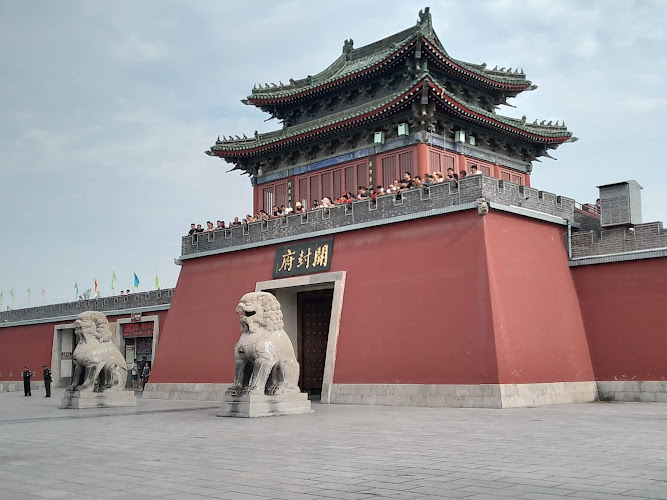
The Memorial Temple of Lord Bao Ticket Office
About The Memorial Temple of Lord Bao Ticket Office
Description
The Memorial Temple of Lord Bao is one of those places that sneaks up on you with its quiet gravity. Dedicated to Bao Zheng, the famously incorruptible judge of the Northern Song Dynasty, the temple is more than just a tourist stop—it’s a story carved into stone and wood. Walking through its courtyards, you can’t help but feel the weight of centuries of respect people have carried for Lord Bao. The halls are lined with statues, inscriptions, and relics that celebrate his unwavering sense of justice. It’s not flashy or overwhelming, but it has a steady dignity that sticks with you long after you leave.
What makes this temple stand out is that it’s not just a monument—it’s a cultural anchor in Kaifeng. Families wander through together, kids darting between the exhibits while parents point out the stories of fairness and honesty. You’ll see older visitors pausing for a long time in front of the main shrine, almost as if they’re in quiet conversation with Bao Zheng himself. The atmosphere is respectful, but not stiff. Personally, I found it refreshing compared to some of the louder, more commercialized attractions in China. It feels authentic, like you’re stepping into a living piece of history rather than a staged performance.
Now, is it perfect? Not exactly. Some of the displays could use a little more explanation in English, and a few corners of the grounds feel a bit worn. But honestly, that’s part of the charm. It doesn’t try to be polished to perfection—it just is what it is. And that makes it easier to connect with. If you’re the kind of traveler who appreciates cultural depth over glossy distractions, this temple will probably resonate with you.
Key Features
- A large ancestral hall dedicated to Bao Zheng, showcasing his life and legacy
- Traditional Song-style architecture with courtyards, pavilions, and serene walkways
- Exhibits highlighting Lord Bao’s famous cases and his reputation as a symbol of justice
- A Taoist temple within the grounds, blending religious and cultural traditions
- Peaceful setting on the west bank of Baogong Lake, offering a scenic backdrop
- Family-friendly environment where children can learn about history in an engaging way
Best Time to Visit
If you want to enjoy the temple without elbowing your way through crowds, weekdays are your best bet. Mornings tend to be quieter, and you’ll have more time to linger in the courtyards without feeling rushed. Spring and autumn are especially pleasant—the weather is mild, the trees around the lake are either blossoming or glowing with color, and the light is perfect for photos. Summer can be hot and sticky in Kaifeng, so if you’re not a fan of sweating through your shirt, maybe steer clear of July and August. Winter has its own charm though; the crisp air and fewer tourists give the temple a more contemplative atmosphere. I once visited in late November, and the stillness of the place made the whole experience feel almost meditative.
How to Get There
Reaching the Memorial Temple of Lord Bao is straightforward if you’re already in Kaifeng. Local buses stop nearby, and taxis are plentiful and affordable. If you prefer a bit more independence, cycling through the city to the temple can be a fun option—Kaifeng’s streets are relatively flat, and riding along the lake before arriving at the temple adds a nice prelude to the visit. For those coming from further afield, the temple is well-connected by Kaifeng’s public transport network, so you won’t need to stress about complicated transfers. Just make sure to bring cash or a payment app handy for the ticket office, as smaller attractions sometimes don’t accept international cards.
Tips for Visiting
Here’s the thing: you’ll get the most out of your visit if you slow down. Don’t just breeze through snapping photos—take the time to actually read the plaques and notice the details in the carvings. If you’re traveling with kids, turn it into a little storytelling adventure. Bao Zheng’s tales of justice are basically ancient detective stories, and children usually love hearing about the clever ways he solved cases.
I’d also recommend bringing a bottle of water, especially if you’re visiting in the warmer months. The temple grounds aren’t huge, but you’ll still want to stay hydrated. Comfortable shoes are a must too, since you’ll be walking over stone paths that can get uneven in spots. And if you’re into photography, visit in the late afternoon when the sunlight softens—the shadows across the courtyards are beautiful then.
One last tip: don’t rush off right after you finish touring the temple. The surrounding area near Baogong Lake is worth a wander. Grab a snack from a local vendor, sit by the water, and let yourself reflect a bit. That’s honestly when the whole experience sinks in. For me, that quiet moment by the lake ended up being just as memorable as the temple itself.
Key Features
- A large ancestral hall dedicated to Bao Zheng, showcasing his life and legacy
- Traditional Song-style architecture with courtyards, pavilions, and serene walkways
- Exhibits highlighting Lord Bao’s famous cases and his reputation as a symbol of justice
- A Taoist temple within the grounds, blending religious and cultural traditions
- Peaceful setting on the west bank of Baogong Lake, offering a scenic backdrop
- Family-friendly environment where children can learn about history in an engaging way
More Details
Updated September 24, 2025
Table of Contents
- Description
- Key Features
- Best Time to Visit
- How to Get There
- Tips for Visiting
- Key Highlights
- Location
- Places to Stay Near The Memorial Temple of Lord Bao Ticket Office
- Find and Book a Tour
- Explore More Travel Guides
- Nearby Places You Might Like
- Traveler Reviews for The Memorial Temple of Lord Bao Ticket Office
- Share Your Experience
Description
The Memorial Temple of Lord Bao is one of those places that sneaks up on you with its quiet gravity. Dedicated to Bao Zheng, the famously incorruptible judge of the Northern Song Dynasty, the temple is more than just a tourist stop—it’s a story carved into stone and wood. Walking through its courtyards, you can’t help but feel the weight of centuries of respect people have carried for Lord Bao. The halls are lined with statues, inscriptions, and relics that celebrate his unwavering sense of justice. It’s not flashy or overwhelming, but it has a steady dignity that sticks with you long after you leave.
What makes this temple stand out is that it’s not just a monument—it’s a cultural anchor in Kaifeng. Families wander through together, kids darting between the exhibits while parents point out the stories of fairness and honesty. You’ll see older visitors pausing for a long time in front of the main shrine, almost as if they’re in quiet conversation with Bao Zheng himself. The atmosphere is respectful, but not stiff. Personally, I found it refreshing compared to some of the louder, more commercialized attractions in China. It feels authentic, like you’re stepping into a living piece of history rather than a staged performance.
Now, is it perfect? Not exactly. Some of the displays could use a little more explanation in English, and a few corners of the grounds feel a bit worn. But honestly, that’s part of the charm. It doesn’t try to be polished to perfection—it just is what it is. And that makes it easier to connect with. If you’re the kind of traveler who appreciates cultural depth over glossy distractions, this temple will probably resonate with you.
Key Features
- A large ancestral hall dedicated to Bao Zheng, showcasing his life and legacy
- Traditional Song-style architecture with courtyards, pavilions, and serene walkways
- Exhibits highlighting Lord Bao’s famous cases and his reputation as a symbol of justice
- A Taoist temple within the grounds, blending religious and cultural traditions
- Peaceful setting on the west bank of Baogong Lake, offering a scenic backdrop
- Family-friendly environment where children can learn about history in an engaging way
Best Time to Visit
If you want to enjoy the temple without elbowing your way through crowds, weekdays are your best bet. Mornings tend to be quieter, and you’ll have more time to linger in the courtyards without feeling rushed. Spring and autumn are especially pleasant—the weather is mild, the trees around the lake are either blossoming or glowing with color, and the light is perfect for photos. Summer can be hot and sticky in Kaifeng, so if you’re not a fan of sweating through your shirt, maybe steer clear of July and August. Winter has its own charm though; the crisp air and fewer tourists give the temple a more contemplative atmosphere. I once visited in late November, and the stillness of the place made the whole experience feel almost meditative.
How to Get There
Reaching the Memorial Temple of Lord Bao is straightforward if you’re already in Kaifeng. Local buses stop nearby, and taxis are plentiful and affordable. If you prefer a bit more independence, cycling through the city to the temple can be a fun option—Kaifeng’s streets are relatively flat, and riding along the lake before arriving at the temple adds a nice prelude to the visit. For those coming from further afield, the temple is well-connected by Kaifeng’s public transport network, so you won’t need to stress about complicated transfers. Just make sure to bring cash or a payment app handy for the ticket office, as smaller attractions sometimes don’t accept international cards.
Tips for Visiting
Here’s the thing: you’ll get the most out of your visit if you slow down. Don’t just breeze through snapping photos—take the time to actually read the plaques and notice the details in the carvings. If you’re traveling with kids, turn it into a little storytelling adventure. Bao Zheng’s tales of justice are basically ancient detective stories, and children usually love hearing about the clever ways he solved cases.
I’d also recommend bringing a bottle of water, especially if you’re visiting in the warmer months. The temple grounds aren’t huge, but you’ll still want to stay hydrated. Comfortable shoes are a must too, since you’ll be walking over stone paths that can get uneven in spots. And if you’re into photography, visit in the late afternoon when the sunlight softens—the shadows across the courtyards are beautiful then.
One last tip: don’t rush off right after you finish touring the temple. The surrounding area near Baogong Lake is worth a wander. Grab a snack from a local vendor, sit by the water, and let yourself reflect a bit. That’s honestly when the whole experience sinks in. For me, that quiet moment by the lake ended up being just as memorable as the temple itself.
Key Highlights
- A large ancestral hall dedicated to Bao Zheng, showcasing his life and legacy
- Traditional Song-style architecture with courtyards, pavilions, and serene walkways
- Exhibits highlighting Lord Bao’s famous cases and his reputation as a symbol of justice
- A Taoist temple within the grounds, blending religious and cultural traditions
- Peaceful setting on the west bank of Baogong Lake, offering a scenic backdrop
- Family-friendly environment where children can learn about history in an engaging way
Location
Places to Stay Near The Memorial Temple of Lord Bao Ticket Office
Find and Book a Tour
Explore More Travel Guides
No reviews found! Be the first to review!
Traveler Reviews for The Memorial Temple of Lord Bao Ticket Office
There are no reviews yet. Be the first one to write one.
Have you visited The Memorial Temple of Lord Bao Ticket Office? Help other travelers by sharing your review.
Find Accommodations Nearby
Recommended Tours & Activities
Visitor Reviews
There are no reviews yet. Be the first one to write one.
Share Your Experience
Have you visited The Memorial Temple of Lord Bao Ticket Office? Help other travelers by leaving a review.