
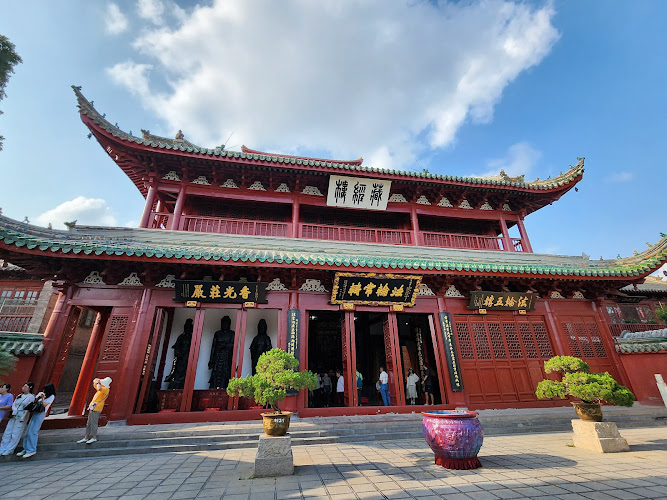
Daxiangguo Temple
About Daxiangguo Temple
Description
Daxiangguo Temple is one of those places that feels both grand and deeply personal at the same time. It has stood in Kaifeng since 555 AD, so you’re walking into more than 1,400 years of history when you pass through its gates. Originally called Jianguo Temple, it was renamed during the Tang Dynasty and later became the spiritual heart of the Northern Song capital. You can almost sense the echoes of emperors, monks, and pilgrims who once gathered here, making it not just a religious site but a living chronicle of Chinese Buddhism.
What makes this temple stand out isn’t just its size (and yes, it is vast), but the way the architecture and atmosphere pull you in. The halls are aligned in traditional Chinese symmetry, each one unfolding into the next, with the Hall of Heavenly Kings, the Mahavira Hall, and the Octagonal Glazed Hall being the main highlights. The bell tower, with its ornate carvings, adds a layer of drama to the skyline, especially when the light hits it at sunset. It’s one of those places where you can stand still and feel a mix of serenity and awe wash over you.
Now, not every traveler walks away with the same impression. Some find it breathtaking and full of spiritual energy, while others think it leans a little too much into the touristy side. Personally, I think that’s part of the charm—it’s a temple that’s alive, with chanting monks, incense smoke curling into the air, and visitors wandering around with cameras. It’s not a silent, empty ruin; it’s a place still in use, still relevant, and that’s what makes it worth seeing.
Key Features
- Historical Significance: Established in 555 AD, it became the national center of Buddhist activities during the Northern Song Dynasty.
- Architectural Layout: Traditional north-south symmetry with multiple courtyards and ornate halls.
- Mahavira Hall: The spiritual core, housing impressive Buddha statues and intricate woodwork.
- Octagonal Glazed Hall: Unique design and colorful tiles make it a photographer’s favorite.
- Bell Tower: An ornate structure that adds both visual beauty and historical depth.
- Scripture Hall: A treasure trove of Buddhist texts and cultural relics.
- Active Worship Site: Monks still chant and perform ceremonies, giving visitors a glimpse of living Buddhism.
- Accessibility: Wheelchair-friendly pathways and restrooms make it approachable for most travelers.
Best Time to Visit
If you’re like me and enjoy fewer crowds, aim for the shoulder seasons—spring (April to May) or autumn (September to October). The weather is comfortable, the gardens are either in bloom or painted in autumn colors, and you won’t be jostling for space as much. Summer can get hot and sticky, and the temple grounds don’t offer endless shade. Winter, on the other hand, has its own charm: the crisp air, fewer visitors, and a certain stillness that makes the chanting of monks feel even more profound. But if you want to see the temple at its liveliest, Chinese New Year is when it truly comes alive with festivals, lanterns, and special ceremonies.
How to Get There
Kaifeng is well connected by train and bus, so reaching the city isn’t a headache. Once you’re in Kaifeng, the temple is centrally located, and most locals will know it if you ask for directions. Taxis are inexpensive, and if you’re up for some adventure, hopping on a local bus can be a fun way to dive into everyday life here. I once took a rickety old bus that rattled so much I thought it might fall apart, but it dropped me right near the temple gate—and honestly, that ride became one of my favorite memories of the trip.
If you’re staying in the city center, walking is also an option. The streets around the temple are lined with little shops selling snacks, souvenirs, and the occasional random trinket that you never thought you needed until you saw it. So even the journey there can feel like part of the experience.
Tips for Visiting
Here’s where the little details can make your visit smoother and more enjoyable:
- Dress respectfully: It’s an active place of worship, so modest clothing is appreciated. No need for anything too formal, just avoid super short shorts or tank tops.
- Bring small cash: Donations, incense purchases, or even grabbing a snack nearby often require cash. Don’t count on cards working everywhere.
- Photography etiquette: Photos are generally allowed, but be mindful during ceremonies. Nobody likes a camera shoved in their face while they’re praying.
- Take your time: Don’t just rush through the halls. Sit for a while, listen to the chanting, or just watch the incense smoke drift upwards. That’s when the temple really speaks to you.
- Accessibility: The temple has wheelchair-accessible restrooms and pathways, but some older areas may still have steps or uneven ground.
- Hydrate: The grounds are big, and on hot days you’ll be thankful for a bottle of water in your bag.
- Go early: Morning visits are calmer, with fewer crowds and softer light for photos.
For me, the best part of visiting Daxiangguo Temple was the contrast: the grandeur of its history paired with the everyday rhythm of people lighting incense, chatting quietly, or just sitting in the courtyards. It’s one of those places where you feel like you’ve stepped into a story that’s still being written. And whether you’re a history buff, a photography enthusiast, or just someone who enjoys soaking in atmosphere, this temple has a way of leaving an imprint long after you’ve left its gates.
Key Features
- Key Features
- Best Time to Visit
- How to Get There
- Tips for Visiting
More Details
Updated September 24, 2025
Table of Contents
Description
Daxiangguo Temple is one of those places that feels both grand and deeply personal at the same time. It has stood in Kaifeng since 555 AD, so you’re walking into more than 1,400 years of history when you pass through its gates. Originally called Jianguo Temple, it was renamed during the Tang Dynasty and later became the spiritual heart of the Northern Song capital. You can almost sense the echoes of emperors, monks, and pilgrims who once gathered here, making it not just a religious site but a living chronicle of Chinese Buddhism.
What makes this temple stand out isn’t just its size (and yes, it is vast), but the way the architecture and atmosphere pull you in. The halls are aligned in traditional Chinese symmetry, each one unfolding into the next, with the Hall of Heavenly Kings, the Mahavira Hall, and the Octagonal Glazed Hall being the main highlights. The bell tower, with its ornate carvings, adds a layer of drama to the skyline, especially when the light hits it at sunset. It’s one of those places where you can stand still and feel a mix of serenity and awe wash over you.
Now, not every traveler walks away with the same impression. Some find it breathtaking and full of spiritual energy, while others think it leans a little too much into the touristy side. Personally, I think that’s part of the charm—it’s a temple that’s alive, with chanting monks, incense smoke curling into the air, and visitors wandering around with cameras. It’s not a silent, empty ruin; it’s a place still in use, still relevant, and that’s what makes it worth seeing.
Key Features
- Historical Significance: Established in 555 AD, it became the national center of Buddhist activities during the Northern Song Dynasty.
- Architectural Layout: Traditional north-south symmetry with multiple courtyards and ornate halls.
- Mahavira Hall: The spiritual core, housing impressive Buddha statues and intricate woodwork.
- Octagonal Glazed Hall: Unique design and colorful tiles make it a photographer’s favorite.
- Bell Tower: An ornate structure that adds both visual beauty and historical depth.
- Scripture Hall: A treasure trove of Buddhist texts and cultural relics.
- Active Worship Site: Monks still chant and perform ceremonies, giving visitors a glimpse of living Buddhism.
- Accessibility: Wheelchair-friendly pathways and restrooms make it approachable for most travelers.
Best Time to Visit
If you’re like me and enjoy fewer crowds, aim for the shoulder seasons—spring (April to May) or autumn (September to October). The weather is comfortable, the gardens are either in bloom or painted in autumn colors, and you won’t be jostling for space as much. Summer can get hot and sticky, and the temple grounds don’t offer endless shade. Winter, on the other hand, has its own charm: the crisp air, fewer visitors, and a certain stillness that makes the chanting of monks feel even more profound. But if you want to see the temple at its liveliest, Chinese New Year is when it truly comes alive with festivals, lanterns, and special ceremonies.
How to Get There
Kaifeng is well connected by train and bus, so reaching the city isn’t a headache. Once you’re in Kaifeng, the temple is centrally located, and most locals will know it if you ask for directions. Taxis are inexpensive, and if you’re up for some adventure, hopping on a local bus can be a fun way to dive into everyday life here. I once took a rickety old bus that rattled so much I thought it might fall apart, but it dropped me right near the temple gate—and honestly, that ride became one of my favorite memories of the trip.
If you’re staying in the city center, walking is also an option. The streets around the temple are lined with little shops selling snacks, souvenirs, and the occasional random trinket that you never thought you needed until you saw it. So even the journey there can feel like part of the experience.
Tips for Visiting
Here’s where the little details can make your visit smoother and more enjoyable:
- Dress respectfully: It’s an active place of worship, so modest clothing is appreciated. No need for anything too formal, just avoid super short shorts or tank tops.
- Bring small cash: Donations, incense purchases, or even grabbing a snack nearby often require cash. Don’t count on cards working everywhere.
- Photography etiquette: Photos are generally allowed, but be mindful during ceremonies. Nobody likes a camera shoved in their face while they’re praying.
- Take your time: Don’t just rush through the halls. Sit for a while, listen to the chanting, or just watch the incense smoke drift upwards. That’s when the temple really speaks to you.
- Accessibility: The temple has wheelchair-accessible restrooms and pathways, but some older areas may still have steps or uneven ground.
- Hydrate: The grounds are big, and on hot days you’ll be thankful for a bottle of water in your bag.
- Go early: Morning visits are calmer, with fewer crowds and softer light for photos.
For me, the best part of visiting Daxiangguo Temple was the contrast: the grandeur of its history paired with the everyday rhythm of people lighting incense, chatting quietly, or just sitting in the courtyards. It’s one of those places where you feel like you’ve stepped into a story that’s still being written. And whether you’re a history buff, a photography enthusiast, or just someone who enjoys soaking in atmosphere, this temple has a way of leaving an imprint long after you’ve left its gates.
Key Highlights
- Key Features
- Best Time to Visit
- How to Get There
- Tips for Visiting
Location
Places to Stay Near Daxiangguo Temple
Find and Book a Tour
Explore More Travel Guides
No reviews found! Be the first to review!
Traveler Reviews for Daxiangguo Temple
There are no reviews yet. Be the first one to write one.
Have you visited Daxiangguo Temple? Help other travelers by sharing your review.
You Might Also Like
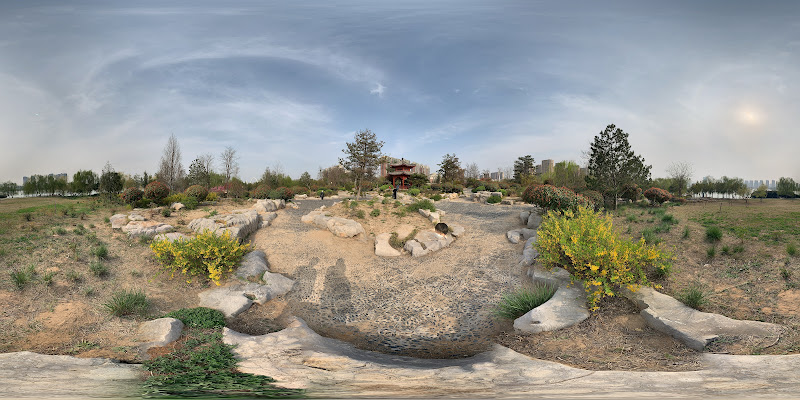
Kaifeng New Area Yechang Lianzheng Culture Courtyard
Kaifeng Xihu Lake
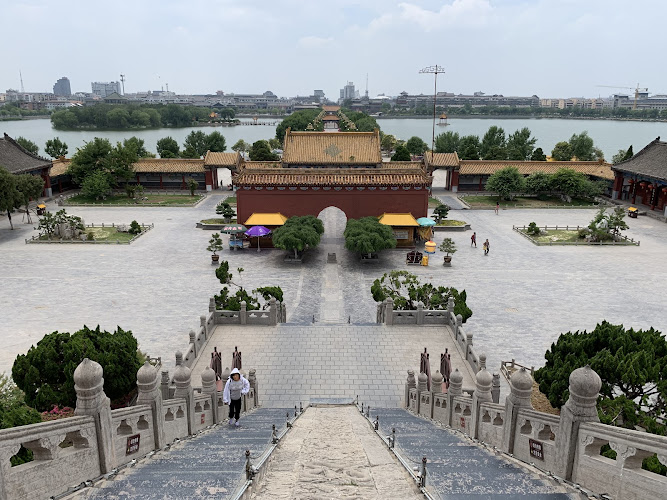
Zhong Shan Lu Bei Duan
Find Accommodations Nearby
Recommended Tours & Activities
Visitor Reviews
There are no reviews yet. Be the first one to write one.
Share Your Experience
Have you visited Daxiangguo Temple? Help other travelers by leaving a review.