
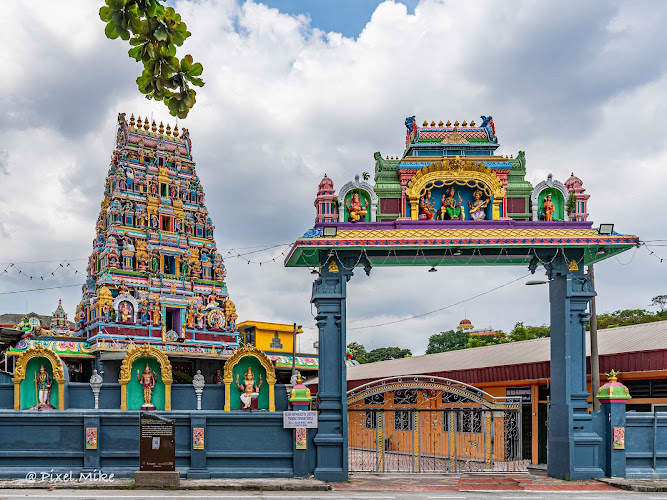
Sri Nagara Thandayuthapani Temple
About Sri Nagara Thandayuthapani Temple
Description
The Sri Nagara Thandayuthapani Temple in Klang is one of those places that quietly carries centuries of tradition while still feeling alive and relevant today. Dedicated to Lord Murugan, the South Indian deity of war and victory, the temple is considered the oldest and most significant Hindu temple in Klang. It’s not just a religious landmark—it’s a cultural anchor for the Tamil Hindu community, and honestly, even if you’re not Hindu, stepping into its grounds feels like being invited into a living story. The architecture alone, with its soaring gopuram and intricate carvings, is enough to make you pause and stare for a while. And if you’re lucky enough to catch it during a festival, the colors, sounds, and energy can be overwhelming in the best possible way.
What I personally love about this temple is that it manages to balance its sacredness with being welcoming. You’ll see families coming for prayer, travelers with cameras in hand, and local kids running around the courtyard. It has undergone renovations over the years, so while it maintains its historic roots, the place feels well-kept and accessible. Some visitors might say it can get crowded or that it’s not as polished as some of the bigger temples in Kuala Lumpur, but that’s part of its charm—it feels authentic, lived-in, and deeply tied to the community. If you’re curious about Tamil culture in Malaysia, this temple is one of the best places to start.
Key Features
- Dravidian-style architecture with a tall, elaborately decorated gopuram (gateway tower)
- Dedicated to Lord Murugan, a highly revered deity in South Indian Hinduism
- Central role in Klang’s annual Thaipusam celebrations, drawing thousands of devotees
- Renovated interiors and shrines that blend tradition with modern upkeep
- A spacious hall within the compound often used for weddings and community events
- Peaceful courtyards where visitors can pause, reflect, or simply soak in the atmosphere
Best Time to Visit
If you’re planning to visit, timing makes a huge difference. Thaipusam is the big one—this festival usually falls in late January or early February and transforms the temple into a hub of devotion and spectacle. It’s loud, it’s crowded, and it’s unforgettable. But if you’re not a fan of squeezing shoulder-to-shoulder with thousands of people, you might want to come on a regular weekday morning. That’s when the temple feels calmest, with soft chants in the background and the smell of incense drifting through the air. I once popped by on a Tuesday morning and ended up chatting with a temple caretaker who told me stories about the temple’s role in Klang’s history—it was one of those unexpected travel gems that stick with you.
Evenings are another good option, especially if you enjoy the golden light of sunset reflecting off the temple tower. Just keep in mind that weekends can get busy with families and visitors, so plan accordingly. And if you’re sensitive to heat, mornings are definitely kinder than the blazing Malaysian afternoons.
How to Get There
Getting to the temple isn’t too complicated, but it does depend on how you’re traveling. If you’re already in Klang, you can easily walk from the Little India area—it’s only a short distance. That’s actually how I first found it: wandering around, following the sound of temple bells, and suddenly there it was. If you’re coming from Kuala Lumpur, the KTM Komuter train is probably your best bet. Hop off at Klang station, and from there it’s a quick drive or a manageable walk if you don’t mind the heat. Taxis and ride-hailing apps like Grab are widely available, and they’ll drop you right at the entrance.
Driving is also an option, and there’s parking near the temple, though it can fill up fast during festivals. Personally, I’d avoid driving during Thaipusam unless you enjoy the thrill of hunting for a parking spot in a sea of devotees—it’s not for the faint of heart.
Tips for Visiting
There are a few things to keep in mind that will make your visit smoother and more respectful. First and foremost, dress modestly. This is a functioning temple, not just a tourist attraction. Cover your shoulders and knees, and if you’re unsure, bring a scarf or shawl. Shoes have to come off before entering the inner areas, so wear something easy to slip on and off. I made the rookie mistake of wearing lace-up boots once—never again.
Photography is generally allowed in the outer areas, but always check before snapping pictures inside. Some spaces are meant for prayer only, and it’s best to be discreet. If you’re visiting during a festival, be prepared for crowds and loud music. It can be intense, but also deeply moving if you let yourself just go with the flow. Bring water, stay hydrated, and maybe a small towel because yes, you will sweat. Klang’s humidity doesn’t show mercy.
Another tip: talk to the locals. Don’t be shy. Many are more than happy to share stories about the temple and its significance. On one visit, I ended up being offered prasadam (a blessed sweet) after a prayer ceremony, and it felt like such a warm, genuine gesture. Experiences like that are what make travel memorable, and they don’t happen if you’re just rushing through with your camera.
Finally, give yourself time. Don’t just pop in for five minutes and tick it off your list. Sit in the courtyard, watch the rituals, listen to the bells, and let the atmosphere sink in. The Sri Nagara Thandayuthapani Temple isn’t just about what you see—it’s about what you feel when you’re there. And if you’re open to it, you might just walk away with more than a few good photos—you’ll carry a little piece of Klang’s soul with you.
Key Features
- Dravidian-style architecture with a tall, elaborately decorated gopuram (gateway tower)
- Dedicated to Lord Murugan, a highly revered deity in South Indian Hinduism
- Central role in Klang’s annual Thaipusam celebrations, drawing thousands of devotees
- Renovated interiors and shrines that blend tradition with modern upkeep
- A spacious hall within the compound often used for weddings and community events
- Peaceful courtyards where visitors can pause, reflect, or simply soak in the atmosphere
More Details
Updated September 24, 2025
Table of Contents
Description
The Sri Nagara Thandayuthapani Temple in Klang is one of those places that quietly carries centuries of tradition while still feeling alive and relevant today. Dedicated to Lord Murugan, the South Indian deity of war and victory, the temple is considered the oldest and most significant Hindu temple in Klang. It’s not just a religious landmark—it’s a cultural anchor for the Tamil Hindu community, and honestly, even if you’re not Hindu, stepping into its grounds feels like being invited into a living story. The architecture alone, with its soaring gopuram and intricate carvings, is enough to make you pause and stare for a while. And if you’re lucky enough to catch it during a festival, the colors, sounds, and energy can be overwhelming in the best possible way.
What I personally love about this temple is that it manages to balance its sacredness with being welcoming. You’ll see families coming for prayer, travelers with cameras in hand, and local kids running around the courtyard. It has undergone renovations over the years, so while it maintains its historic roots, the place feels well-kept and accessible. Some visitors might say it can get crowded or that it’s not as polished as some of the bigger temples in Kuala Lumpur, but that’s part of its charm—it feels authentic, lived-in, and deeply tied to the community. If you’re curious about Tamil culture in Malaysia, this temple is one of the best places to start.
Key Features
- Dravidian-style architecture with a tall, elaborately decorated gopuram (gateway tower)
- Dedicated to Lord Murugan, a highly revered deity in South Indian Hinduism
- Central role in Klang’s annual Thaipusam celebrations, drawing thousands of devotees
- Renovated interiors and shrines that blend tradition with modern upkeep
- A spacious hall within the compound often used for weddings and community events
- Peaceful courtyards where visitors can pause, reflect, or simply soak in the atmosphere
Best Time to Visit
If you’re planning to visit, timing makes a huge difference. Thaipusam is the big one—this festival usually falls in late January or early February and transforms the temple into a hub of devotion and spectacle. It’s loud, it’s crowded, and it’s unforgettable. But if you’re not a fan of squeezing shoulder-to-shoulder with thousands of people, you might want to come on a regular weekday morning. That’s when the temple feels calmest, with soft chants in the background and the smell of incense drifting through the air. I once popped by on a Tuesday morning and ended up chatting with a temple caretaker who told me stories about the temple’s role in Klang’s history—it was one of those unexpected travel gems that stick with you.
Evenings are another good option, especially if you enjoy the golden light of sunset reflecting off the temple tower. Just keep in mind that weekends can get busy with families and visitors, so plan accordingly. And if you’re sensitive to heat, mornings are definitely kinder than the blazing Malaysian afternoons.
How to Get There
Getting to the temple isn’t too complicated, but it does depend on how you’re traveling. If you’re already in Klang, you can easily walk from the Little India area—it’s only a short distance. That’s actually how I first found it: wandering around, following the sound of temple bells, and suddenly there it was. If you’re coming from Kuala Lumpur, the KTM Komuter train is probably your best bet. Hop off at Klang station, and from there it’s a quick drive or a manageable walk if you don’t mind the heat. Taxis and ride-hailing apps like Grab are widely available, and they’ll drop you right at the entrance.
Driving is also an option, and there’s parking near the temple, though it can fill up fast during festivals. Personally, I’d avoid driving during Thaipusam unless you enjoy the thrill of hunting for a parking spot in a sea of devotees—it’s not for the faint of heart.
Tips for Visiting
There are a few things to keep in mind that will make your visit smoother and more respectful. First and foremost, dress modestly. This is a functioning temple, not just a tourist attraction. Cover your shoulders and knees, and if you’re unsure, bring a scarf or shawl. Shoes have to come off before entering the inner areas, so wear something easy to slip on and off. I made the rookie mistake of wearing lace-up boots once—never again.
Photography is generally allowed in the outer areas, but always check before snapping pictures inside. Some spaces are meant for prayer only, and it’s best to be discreet. If you’re visiting during a festival, be prepared for crowds and loud music. It can be intense, but also deeply moving if you let yourself just go with the flow. Bring water, stay hydrated, and maybe a small towel because yes, you will sweat. Klang’s humidity doesn’t show mercy.
Another tip: talk to the locals. Don’t be shy. Many are more than happy to share stories about the temple and its significance. On one visit, I ended up being offered prasadam (a blessed sweet) after a prayer ceremony, and it felt like such a warm, genuine gesture. Experiences like that are what make travel memorable, and they don’t happen if you’re just rushing through with your camera.
Finally, give yourself time. Don’t just pop in for five minutes and tick it off your list. Sit in the courtyard, watch the rituals, listen to the bells, and let the atmosphere sink in. The Sri Nagara Thandayuthapani Temple isn’t just about what you see—it’s about what you feel when you’re there. And if you’re open to it, you might just walk away with more than a few good photos—you’ll carry a little piece of Klang’s soul with you.
Key Highlights
- Dravidian-style architecture with a tall, elaborately decorated gopuram (gateway tower)
- Dedicated to Lord Murugan, a highly revered deity in South Indian Hinduism
- Central role in Klang’s annual Thaipusam celebrations, drawing thousands of devotees
- Renovated interiors and shrines that blend tradition with modern upkeep
- A spacious hall within the compound often used for weddings and community events
- Peaceful courtyards where visitors can pause, reflect, or simply soak in the atmosphere
Location
Places to Stay Near Sri Nagara Thandayuthapani Temple
Find and Book a Tour
Explore More Travel Guides
No reviews found! Be the first to review!
Traveler Reviews for Sri Nagara Thandayuthapani Temple
There are no reviews yet. Be the first one to write one.
Have you visited Sri Nagara Thandayuthapani Temple? Help other travelers by sharing your review.
You Might Also Like
Klang Art Street (Safari Jejak Warisan)
Pasar Malam Taman Chi Liung - Rabu
Sultan Suleiman Royal Mosque
Find Accommodations Nearby
Recommended Tours & Activities
Visitor Reviews
There are no reviews yet. Be the first one to write one.
Share Your Experience
Have you visited Sri Nagara Thandayuthapani Temple? Help other travelers by leaving a review.