
Ponta Negra
About Ponta Negra
Description
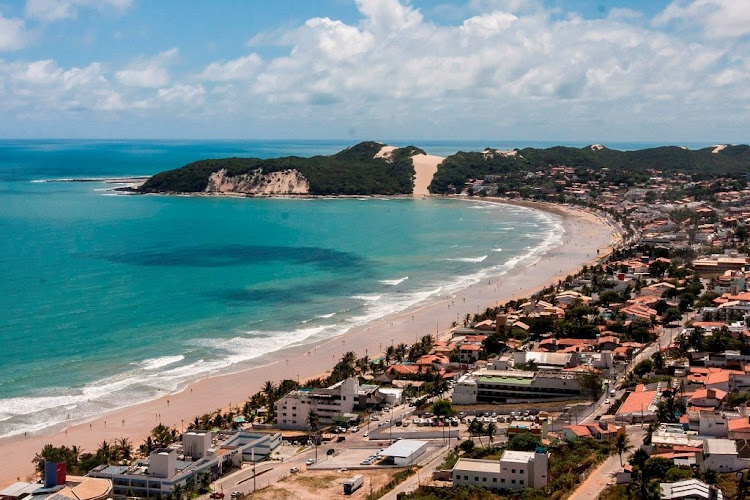
Ponta Negra is the kind of beach that sticks in your memory long after you’ve left. Located in the state of Rio Grande do Norte, Brazil, it’s best known for its sweeping shoreline and the iconic Morro do Careca dune that dominates the southern end. The beach stretches out in a gentle curve, with soft golden sand and warm Atlantic waters that invite you to stay longer than you planned. There are plenty of beach huts serving fresh seafood, icy beers, and tropical juices, and it’s easy to find a spot where you can watch the waves while enjoying local flavors. The area is lined with hotels, guesthouses, and restaurants, which makes it convenient for travelers who like having everything within walking distance. Of course, like any popular destination, it has its busy moments, and not every corner is spotless, but the overall atmosphere is lively and welcoming. Some people come for the sun and sea, others for the nightlife, and many simply for the view of that massive dune, which has become a postcard symbol of Natal.
Key Features
- Famous Morro do Careca dune, a natural landmark that defines the beach’s skyline
- Plenty of beachside huts serving local food, snacks, and drinks
- Hotels, resorts, and guesthouses located just steps from the sand
- Opportunities for water sports like stand-up paddleboarding and jet skiing
- Lively nightlife scene with bars, live music, and dance spots nearby
- Easy access to local markets and shops selling souvenirs and crafts
- Family-friendly areas with calmer waters in certain sections
- Frequent cultural events and festivals along the beachfront
Best Time to Visit
The beach is enjoyable year-round, but the best months tend to be between September and March when the weather is dry and sunny. During this period, the skies are clear, and the sea is calm enough for swimming. If you’re not a fan of crowds, avoid major holidays like New Year’s and Carnival, because the beach fills up quickly with both locals and tourists. I personally found the shoulder months, like late October or early March, more relaxed. The evenings are cooler then, and you can actually hear the waves without the constant buzz of music from every direction. Rainy season usually runs from April to July, and while it doesn’t rain all day, the showers can be heavy and unpredictable, which might put a damper on your beach plans.
How to Get There
Getting to Ponta Negra is fairly straightforward. Most travelers arrive in Natal first, since that’s the closest major city, and from there it’s about a 20-minute drive to the beach. Taxis, ride-hailing apps, and local buses all make the trip, so you don’t necessarily need to rent a car unless you want to explore further along the coast. I once took the local bus, and while it wasn’t the fastest option, it gave me a chance to see a slice of everyday life in the city. If you’re carrying luggage or traveling with family, a taxi or app-based ride is definitely the easier choice. Parking near the beach is possible, but it can be tricky during peak hours when everyone seems to have the same idea of hitting the sand.
Tips for Visiting
A few small things can really make your visit smoother. First, bring cash. While many places accept cards, the small beach huts and vendors often prefer cash, and it saves you from awkward moments when the card machine decides not to work. Second, sunscreen is non-negotiable. The sun here is strong, and even if you think you’re fine, you’ll probably end up with a burn if you’re not careful. I learned that the hard way after spending just a couple of hours without reapplying. Also, don’t miss trying the local dishes — grilled shrimp skewers and tapioca pancakes are beach staples. If you enjoy nightlife, plan to stay into the evening; the area comes alive with music and dancing, and it’s a whole different vibe compared to the daytime. For families, mornings are usually calmer, with fewer crowds and gentler waves. And one last thing: resist the temptation to climb the Morro do Careca dune. It’s strictly off-limits to protect the environment, and the fines are not worth the photo. You’ll get a better shot of it from the opposite side of the beach anyway.
Key Features
- Famous Morro do Careca dune, a natural landmark that defines the beach’s skyline
- Plenty of beachside huts serving local food, snacks, and drinks
- Hotels, resorts, and guesthouses located just steps from the sand
- Opportunities for water sports like stand-up paddleboarding and jet skiing
- Lively nightlife scene with bars, live music, and dance spots nearby
- Easy access to local markets and shops selling souvenirs and crafts
- Family-friendly areas with calmer waters in certain sections
- Frequent cultural events and festivals along the beachfront
More Details
Updated September 24, 2025
Table of Contents
Description
Ponta Negra is the kind of beach that sticks in your memory long after you’ve left. Located in the state of Rio Grande do Norte, Brazil, it’s best known for its sweeping shoreline and the iconic Morro do Careca dune that dominates the southern end. The beach stretches out in a gentle curve, with soft golden sand and warm Atlantic waters that invite you to stay longer than you planned. There are plenty of beach huts serving fresh seafood, icy beers, and tropical juices, and it’s easy to find a spot where you can watch the waves while enjoying local flavors. The area is lined with hotels, guesthouses, and restaurants, which makes it convenient for travelers who like having everything within walking distance. Of course, like any popular destination, it has its busy moments, and not every corner is spotless, but the overall atmosphere is lively and welcoming. Some people come for the sun and sea, others for the nightlife, and many simply for the view of that massive dune, which has become a postcard symbol of Natal.
Key Features
- Famous Morro do Careca dune, a natural landmark that defines the beach’s skyline
- Plenty of beachside huts serving local food, snacks, and drinks
- Hotels, resorts, and guesthouses located just steps from the sand
- Opportunities for water sports like stand-up paddleboarding and jet skiing
- Lively nightlife scene with bars, live music, and dance spots nearby
- Easy access to local markets and shops selling souvenirs and crafts
- Family-friendly areas with calmer waters in certain sections
- Frequent cultural events and festivals along the beachfront
Best Time to Visit
The beach is enjoyable year-round, but the best months tend to be between September and March when the weather is dry and sunny. During this period, the skies are clear, and the sea is calm enough for swimming. If you’re not a fan of crowds, avoid major holidays like New Year’s and Carnival, because the beach fills up quickly with both locals and tourists. I personally found the shoulder months, like late October or early March, more relaxed. The evenings are cooler then, and you can actually hear the waves without the constant buzz of music from every direction. Rainy season usually runs from April to July, and while it doesn’t rain all day, the showers can be heavy and unpredictable, which might put a damper on your beach plans.
How to Get There
Getting to Ponta Negra is fairly straightforward. Most travelers arrive in Natal first, since that’s the closest major city, and from there it’s about a 20-minute drive to the beach. Taxis, ride-hailing apps, and local buses all make the trip, so you don’t necessarily need to rent a car unless you want to explore further along the coast. I once took the local bus, and while it wasn’t the fastest option, it gave me a chance to see a slice of everyday life in the city. If you’re carrying luggage or traveling with family, a taxi or app-based ride is definitely the easier choice. Parking near the beach is possible, but it can be tricky during peak hours when everyone seems to have the same idea of hitting the sand.
Tips for Visiting
A few small things can really make your visit smoother. First, bring cash. While many places accept cards, the small beach huts and vendors often prefer cash, and it saves you from awkward moments when the card machine decides not to work. Second, sunscreen is non-negotiable. The sun here is strong, and even if you think you’re fine, you’ll probably end up with a burn if you’re not careful. I learned that the hard way after spending just a couple of hours without reapplying. Also, don’t miss trying the local dishes — grilled shrimp skewers and tapioca pancakes are beach staples. If you enjoy nightlife, plan to stay into the evening; the area comes alive with music and dancing, and it’s a whole different vibe compared to the daytime. For families, mornings are usually calmer, with fewer crowds and gentler waves. And one last thing: resist the temptation to climb the Morro do Careca dune. It’s strictly off-limits to protect the environment, and the fines are not worth the photo. You’ll get a better shot of it from the opposite side of the beach anyway.
Key Highlights
- Famous Morro do Careca dune, a natural landmark that defines the beach’s skyline
- Plenty of beachside huts serving local food, snacks, and drinks
- Hotels, resorts, and guesthouses located just steps from the sand
- Opportunities for water sports like stand-up paddleboarding and jet skiing
- Lively nightlife scene with bars, live music, and dance spots nearby
- Easy access to local markets and shops selling souvenirs and crafts
- Family-friendly areas with calmer waters in certain sections
- Frequent cultural events and festivals along the beachfront
Location
Places to Stay Near Ponta Negra
Find and Book a Tour
Explore More Travel Guides
No reviews found! Be the first to review!
Traveler Reviews for Ponta Negra
There are no reviews yet. Be the first one to write one.
Have you visited Ponta Negra? Help other travelers by sharing your review.
You Might Also Like
Redinha beach
Imboassica Lake
State of Paraíba
Find Accommodations Nearby
Recommended Tours & Activities
Visitor Reviews
There are no reviews yet. Be the first one to write one.
Share Your Experience
Have you visited Ponta Negra? Help other travelers by leaving a review.