
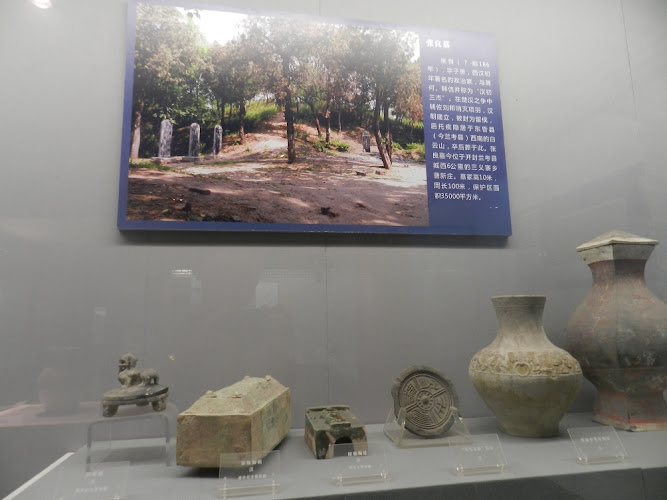
Kaifeng Museum
About Kaifeng Museum
Description
The Kaifeng Museum is one of those places that feels more like a journey than just a building filled with artifacts. It tells the story of Kaifeng, a city that once stood as the capital of several dynasties, and you can almost sense the weight of history as you step into its halls. The museum is modern in its layout, spacious, and thoughtfully designed, but what really makes it stand out is how it balances the grandeur of ancient Chinese history with approachable, family-friendly exhibits. It’s not the kind of museum where kids get bored after five minutes—there are interactive displays and vivid reconstructions that keep younger visitors engaged, which is a huge plus if you’re traveling as a family.
Walking through the different sections, you’ll see how Kaifeng evolved from its early days into a bustling cultural hub. The city section, in particular, doesn’t just stop at the past—it also lays out visions for the city’s future, which is a refreshing twist you don’t often see in museums. It’s as if the curators wanted to remind visitors that history is still alive, still unfolding. And honestly, that perspective stuck with me long after I left. Unlike some museums that can feel overwhelming with too much information crammed into every corner, the Kaifeng Museum manages to be informative without exhausting you, which makes it a lot more enjoyable to spend a couple of hours wandering around.
Even if you’re not a big “museum person,” there’s something here that can grab your attention. The building itself is impressive, with wide corridors and natural light filtering in, giving you space to breathe as you take in centuries of culture. I’ve been to plenty of museums where I felt rushed or boxed in, but here, you actually feel encouraged to slow down and take your time. That alone makes it worth a visit if you’re exploring Kaifeng.
Key Features
- Extensive exhibits covering Kaifeng’s role as a capital city during multiple dynasties
- A dedicated city section that highlights both the historical development and future plans of Kaifeng
- Family-friendly displays and interactive elements that make it engaging for children
- Spacious, modern architecture with natural light that enhances the viewing experience
- Rotating special exhibitions that bring in fresh perspectives on Chinese culture and history
- Artifacts ranging from ancient ceramics and calligraphy to everyday objects that tell personal stories
Best Time to Visit
If you’re planning a trip, the sweet spot is spring or autumn. The weather in Kaifeng can be pretty intense in summer—hot and humid enough to make you want to skip anything indoors without air conditioning. The museum is comfortable year-round, but pairing your visit with a stroll around the city is much nicer when the air is crisp and the skies are clear. Personally, I’d say late October is magical, because Kaifeng hosts its famous Chrysanthemum Festival around that time, and you can combine a cultural deep dive at the museum with a colorful outdoor experience. Winter is quieter, which means fewer crowds, but it can get chilly, so bundle up if you’re planning to explore beyond the museum walls.
How to Get There
Getting to the museum is straightforward if you’re already in Kaifeng. The city is well connected by train from Zhengzhou, which is the nearest major hub, and from there you can take a taxi or a local bus to the museum. Taxis are affordable, and drivers usually know the museum well since it’s a major landmark. If you’re the kind of traveler who likes to figure things out on your own, the bus system is reliable, though it might take a bit of patience if you don’t speak Mandarin. I remember hopping on a local bus and, while I got a few curious stares, it was a fun way to soak in the everyday rhythm of the city before arriving at the museum. For those who prefer convenience, ride-hailing apps also work in Kaifeng, making the trip even easier.
Tips for Visiting
First and foremost, give yourself at least two hours here. You might think you’ll breeze through, but the exhibits have a way of pulling you in deeper than expected. Wear comfortable shoes because there’s more walking than you’d guess at first glance. And don’t be shy about taking breaks—the museum has resting areas where you can sit and just let everything sink in.
If you’re traveling with kids, this is one of the more forgiving stops in Kaifeng. The interactive displays make it a lot easier to keep them engaged, and the open layout means you don’t feel like you’re constantly shushing them. Another tip: go early in the day. Not only will you avoid the bigger crowds, but the lighting is better for photos in the morning. I made the mistake of arriving late afternoon once, and while it was still enjoyable, I found myself rushing through the last sections before closing time.
Language-wise, not every sign is translated into English, though many are. If you’re really keen on getting the full story behind the artifacts, consider hiring a local guide or downloading a translation app ahead of time. And here’s a small but handy detail—bring some water with you. While the museum is comfortable, walking around for a couple of hours can still leave you parched, and it’s better to have a bottle on hand than to hunt for one later.
Finally, don’t just treat the museum as a standalone attraction. Think of it as a starting point to understand Kaifeng before you explore the rest of the city. Once you’ve seen the ancient calligraphy and city plans, walking through Kaifeng’s old streets feels entirely different—you notice details you might have missed otherwise. That’s the real beauty of the Kaifeng Museum: it doesn’t just show you history, it changes the way you see the living city outside its doors.
Key Features
- Extensive exhibits covering Kaifeng’s role as a capital city during multiple dynasties
- A dedicated city section that highlights both the historical development and future plans of Kaifeng
- Family-friendly displays and interactive elements that make it engaging for children
- Spacious, modern architecture with natural light that enhances the viewing experience
- Rotating special exhibitions that bring in fresh perspectives on Chinese culture and history
- Artifacts ranging from ancient ceramics and calligraphy to everyday objects that tell personal stories
More Details
Updated September 30, 2025
Table of Contents
Description
The Kaifeng Museum is one of those places that feels more like a journey than just a building filled with artifacts. It tells the story of Kaifeng, a city that once stood as the capital of several dynasties, and you can almost sense the weight of history as you step into its halls. The museum is modern in its layout, spacious, and thoughtfully designed, but what really makes it stand out is how it balances the grandeur of ancient Chinese history with approachable, family-friendly exhibits. It’s not the kind of museum where kids get bored after five minutes—there are interactive displays and vivid reconstructions that keep younger visitors engaged, which is a huge plus if you’re traveling as a family.
Walking through the different sections, you’ll see how Kaifeng evolved from its early days into a bustling cultural hub. The city section, in particular, doesn’t just stop at the past—it also lays out visions for the city’s future, which is a refreshing twist you don’t often see in museums. It’s as if the curators wanted to remind visitors that history is still alive, still unfolding. And honestly, that perspective stuck with me long after I left. Unlike some museums that can feel overwhelming with too much information crammed into every corner, the Kaifeng Museum manages to be informative without exhausting you, which makes it a lot more enjoyable to spend a couple of hours wandering around.
Even if you’re not a big “museum person,” there’s something here that can grab your attention. The building itself is impressive, with wide corridors and natural light filtering in, giving you space to breathe as you take in centuries of culture. I’ve been to plenty of museums where I felt rushed or boxed in, but here, you actually feel encouraged to slow down and take your time. That alone makes it worth a visit if you’re exploring Kaifeng.
Key Features
- Extensive exhibits covering Kaifeng’s role as a capital city during multiple dynasties
- A dedicated city section that highlights both the historical development and future plans of Kaifeng
- Family-friendly displays and interactive elements that make it engaging for children
- Spacious, modern architecture with natural light that enhances the viewing experience
- Rotating special exhibitions that bring in fresh perspectives on Chinese culture and history
- Artifacts ranging from ancient ceramics and calligraphy to everyday objects that tell personal stories
Best Time to Visit
If you’re planning a trip, the sweet spot is spring or autumn. The weather in Kaifeng can be pretty intense in summer—hot and humid enough to make you want to skip anything indoors without air conditioning. The museum is comfortable year-round, but pairing your visit with a stroll around the city is much nicer when the air is crisp and the skies are clear. Personally, I’d say late October is magical, because Kaifeng hosts its famous Chrysanthemum Festival around that time, and you can combine a cultural deep dive at the museum with a colorful outdoor experience. Winter is quieter, which means fewer crowds, but it can get chilly, so bundle up if you’re planning to explore beyond the museum walls.
How to Get There
Getting to the museum is straightforward if you’re already in Kaifeng. The city is well connected by train from Zhengzhou, which is the nearest major hub, and from there you can take a taxi or a local bus to the museum. Taxis are affordable, and drivers usually know the museum well since it’s a major landmark. If you’re the kind of traveler who likes to figure things out on your own, the bus system is reliable, though it might take a bit of patience if you don’t speak Mandarin. I remember hopping on a local bus and, while I got a few curious stares, it was a fun way to soak in the everyday rhythm of the city before arriving at the museum. For those who prefer convenience, ride-hailing apps also work in Kaifeng, making the trip even easier.
Tips for Visiting
First and foremost, give yourself at least two hours here. You might think you’ll breeze through, but the exhibits have a way of pulling you in deeper than expected. Wear comfortable shoes because there’s more walking than you’d guess at first glance. And don’t be shy about taking breaks—the museum has resting areas where you can sit and just let everything sink in.
If you’re traveling with kids, this is one of the more forgiving stops in Kaifeng. The interactive displays make it a lot easier to keep them engaged, and the open layout means you don’t feel like you’re constantly shushing them. Another tip: go early in the day. Not only will you avoid the bigger crowds, but the lighting is better for photos in the morning. I made the mistake of arriving late afternoon once, and while it was still enjoyable, I found myself rushing through the last sections before closing time.
Language-wise, not every sign is translated into English, though many are. If you’re really keen on getting the full story behind the artifacts, consider hiring a local guide or downloading a translation app ahead of time. And here’s a small but handy detail—bring some water with you. While the museum is comfortable, walking around for a couple of hours can still leave you parched, and it’s better to have a bottle on hand than to hunt for one later.
Finally, don’t just treat the museum as a standalone attraction. Think of it as a starting point to understand Kaifeng before you explore the rest of the city. Once you’ve seen the ancient calligraphy and city plans, walking through Kaifeng’s old streets feels entirely different—you notice details you might have missed otherwise. That’s the real beauty of the Kaifeng Museum: it doesn’t just show you history, it changes the way you see the living city outside its doors.
Key Highlights
- Extensive exhibits covering Kaifeng’s role as a capital city during multiple dynasties
- A dedicated city section that highlights both the historical development and future plans of Kaifeng
- Family-friendly displays and interactive elements that make it engaging for children
- Spacious, modern architecture with natural light that enhances the viewing experience
- Rotating special exhibitions that bring in fresh perspectives on Chinese culture and history
- Artifacts ranging from ancient ceramics and calligraphy to everyday objects that tell personal stories
Location
Places to Stay Near Kaifeng Museum
Find and Book a Tour
Explore More Travel Guides
No reviews found! Be the first to review!
Traveler Reviews for Kaifeng Museum
There are no reviews yet. Be the first one to write one.
Have you visited Kaifeng Museum? Help other travelers by sharing your review.
You Might Also Like
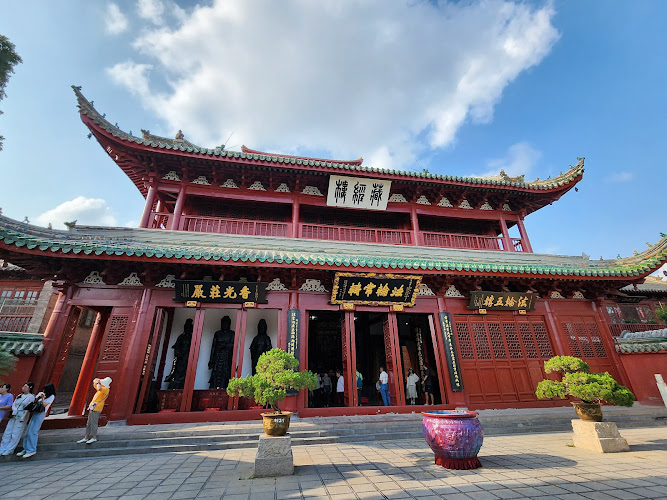
Daxiangguo Temple
Kaifeng City Wall

Yinji Water World
Find Accommodations Nearby
Recommended Tours & Activities
Visitor Reviews
There are no reviews yet. Be the first one to write one.
Share Your Experience
Have you visited Kaifeng Museum? Help other travelers by leaving a review.