
Shangli Ancient Town
About Shangli Ancient Town
Description
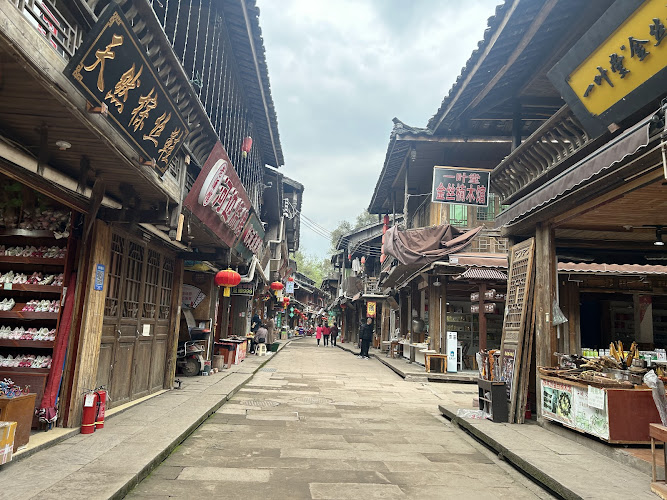
Shangli Ancient Town in Sichuan feels like stepping into a living painting. Wooden houses lean gently over cobblestone alleys, and a quiet river winds right through the heart of the town. The place has a kind of unpolished charm—some corners are beautifully preserved, others a bit worn down, but that’s what makes it real. It’s not one of those overly polished tourist sites where everything looks brand new. Instead, it gives you a glimpse of how daily life might have looked centuries ago, with shopkeepers selling handmade crafts, noodle stalls steaming up the streets, and old bridges that still carry the weight of countless footsteps.
The town has a layered history, once serving as a stop on the Tea Horse Road and even a point along the Red Army’s Long March. That’s probably why it carries this air of resilience. It’s not just about the architecture—it’s about the stories hidden in the beams of the old houses and the stones of the bridges. Some visitors find it almost too quiet or touristy in places, but if you slow down and wander away from the busiest spots, you’ll discover corners that feel untouched. Personally, I loved watching elderly locals play cards by the riverside, completely unfazed by the trickle of visitors passing by.
It’s also surprisingly family-friendly. Kids run around chasing dragonflies, and there are plenty of spots to grab a snack or rest. Accessibility is better than you might expect for such an old town, with restrooms and even wheelchair-friendly facilities in some areas. It’s not perfect, but it’s a thoughtful touch that makes the visit more comfortable for different kinds of travelers.
Key Features
- Traditional wooden houses and stilted architecture that reflect centuries of Sichuan design
- Stone bridges crossing a small river, creating postcard-worthy views
- Historic role as a hub on the Tea Horse Road and a stop during the Long March
- Local crafts such as bamboo weaving, embroidery, and paper-cutting sold in small family shops
- Temples and shrines tucked into side streets, often still used by locals
- Plenty of casual eateries offering Sichuan snacks and hand-pulled noodles
- A slower pace of life that contrasts with the bustle of nearby Chengdu
Best Time to Visit
Spring and autumn are the sweet spots for visiting Shangli. In spring, the air feels fresh, flowers bloom along the riverbanks, and the weather is mild enough for long walks. Autumn, on the other hand, brings crisp air and golden leaves that make the wooden houses look even more striking. Summer can be humid and crowded, especially during school holidays, while winter tends to be damp and a bit chilly—but if you don’t mind bundling up, you’ll likely have the town almost to yourself. I once visited in late October and found it perfect: not too busy, not too hot, and the light had this golden glow that made the whole town look like a painting.
How to Get There
From Chengdu, it’s roughly a two-hour drive to Shangli Ancient Town, making it a popular day trip or overnight escape. Travelers can catch a bus to Ya’an city first, then transfer to a local bus or taxi that takes you directly to the town. For those who prefer more flexibility, hiring a private car or joining a small tour group is straightforward and gives you the freedom to stop along the way. The road winds through some pretty countryside, so the journey itself is part of the experience. Just keep in mind that weekends and holidays can mean heavier traffic, so plan accordingly.
Tips for Visiting
One of the best ways to enjoy Shangli is to slow down. Don’t rush through the main street snapping photos—wander into the quieter alleys, cross the smaller bridges, and peek into the courtyards where locals are drying herbs or playing mahjong. If you’re into photography, mornings and late afternoons are magic hours when the light softens and the crowds thin out.
Bring comfortable shoes, because the cobblestones can be uneven and a little slippery after rain. Cash is still king here, though mobile payments are becoming more common. If you’re traveling with kids, they’ll love feeding the fish in the river or trying local sweets from the street vendors. And if you’re into history, look up the town’s role in the Tea Horse Road before you go—it makes wandering the streets feel more meaningful when you understand the trade routes that once passed through here.
Lastly, don’t expect perfection. Some buildings are restored, others are crumbling, and a few stalls might feel a bit touristy. But that mix of old and new is part of what makes Shangli interesting. It’s not a museum piece—it’s a living town, with all the quirks and contradictions that come with it. If you go in with that mindset, you’ll walk away with a much richer experience.
Key Features
- Traditional wooden houses and stilted architecture that reflect centuries of Sichuan design
- Stone bridges crossing a small river, creating postcard-worthy views
- Historic role as a hub on the Tea Horse Road and a stop during the Long March
- Local crafts such as bamboo weaving, embroidery, and paper-cutting sold in small family shops
- Temples and shrines tucked into side streets, often still used by locals
- Plenty of casual eateries offering Sichuan snacks and hand-pulled noodles
- A slower pace of life that contrasts with the bustle of nearby Chengdu
More Details
Updated September 30, 2025
Table of Contents
Description
Shangli Ancient Town in Sichuan feels like stepping into a living painting. Wooden houses lean gently over cobblestone alleys, and a quiet river winds right through the heart of the town. The place has a kind of unpolished charm—some corners are beautifully preserved, others a bit worn down, but that’s what makes it real. It’s not one of those overly polished tourist sites where everything looks brand new. Instead, it gives you a glimpse of how daily life might have looked centuries ago, with shopkeepers selling handmade crafts, noodle stalls steaming up the streets, and old bridges that still carry the weight of countless footsteps.
The town has a layered history, once serving as a stop on the Tea Horse Road and even a point along the Red Army’s Long March. That’s probably why it carries this air of resilience. It’s not just about the architecture—it’s about the stories hidden in the beams of the old houses and the stones of the bridges. Some visitors find it almost too quiet or touristy in places, but if you slow down and wander away from the busiest spots, you’ll discover corners that feel untouched. Personally, I loved watching elderly locals play cards by the riverside, completely unfazed by the trickle of visitors passing by.
It’s also surprisingly family-friendly. Kids run around chasing dragonflies, and there are plenty of spots to grab a snack or rest. Accessibility is better than you might expect for such an old town, with restrooms and even wheelchair-friendly facilities in some areas. It’s not perfect, but it’s a thoughtful touch that makes the visit more comfortable for different kinds of travelers.
Key Features
- Traditional wooden houses and stilted architecture that reflect centuries of Sichuan design
- Stone bridges crossing a small river, creating postcard-worthy views
- Historic role as a hub on the Tea Horse Road and a stop during the Long March
- Local crafts such as bamboo weaving, embroidery, and paper-cutting sold in small family shops
- Temples and shrines tucked into side streets, often still used by locals
- Plenty of casual eateries offering Sichuan snacks and hand-pulled noodles
- A slower pace of life that contrasts with the bustle of nearby Chengdu
Best Time to Visit
Spring and autumn are the sweet spots for visiting Shangli. In spring, the air feels fresh, flowers bloom along the riverbanks, and the weather is mild enough for long walks. Autumn, on the other hand, brings crisp air and golden leaves that make the wooden houses look even more striking. Summer can be humid and crowded, especially during school holidays, while winter tends to be damp and a bit chilly—but if you don’t mind bundling up, you’ll likely have the town almost to yourself. I once visited in late October and found it perfect: not too busy, not too hot, and the light had this golden glow that made the whole town look like a painting.
How to Get There
From Chengdu, it’s roughly a two-hour drive to Shangli Ancient Town, making it a popular day trip or overnight escape. Travelers can catch a bus to Ya’an city first, then transfer to a local bus or taxi that takes you directly to the town. For those who prefer more flexibility, hiring a private car or joining a small tour group is straightforward and gives you the freedom to stop along the way. The road winds through some pretty countryside, so the journey itself is part of the experience. Just keep in mind that weekends and holidays can mean heavier traffic, so plan accordingly.
Tips for Visiting
One of the best ways to enjoy Shangli is to slow down. Don’t rush through the main street snapping photos—wander into the quieter alleys, cross the smaller bridges, and peek into the courtyards where locals are drying herbs or playing mahjong. If you’re into photography, mornings and late afternoons are magic hours when the light softens and the crowds thin out.
Bring comfortable shoes, because the cobblestones can be uneven and a little slippery after rain. Cash is still king here, though mobile payments are becoming more common. If you’re traveling with kids, they’ll love feeding the fish in the river or trying local sweets from the street vendors. And if you’re into history, look up the town’s role in the Tea Horse Road before you go—it makes wandering the streets feel more meaningful when you understand the trade routes that once passed through here.
Lastly, don’t expect perfection. Some buildings are restored, others are crumbling, and a few stalls might feel a bit touristy. But that mix of old and new is part of what makes Shangli interesting. It’s not a museum piece—it’s a living town, with all the quirks and contradictions that come with it. If you go in with that mindset, you’ll walk away with a much richer experience.
Key Highlights
- Traditional wooden houses and stilted architecture that reflect centuries of Sichuan design
- Stone bridges crossing a small river, creating postcard-worthy views
- Historic role as a hub on the Tea Horse Road and a stop during the Long March
- Local crafts such as bamboo weaving, embroidery, and paper-cutting sold in small family shops
- Temples and shrines tucked into side streets, often still used by locals
- Plenty of casual eateries offering Sichuan snacks and hand-pulled noodles
- A slower pace of life that contrasts with the bustle of nearby Chengdu
Location
Places to Stay Near Shangli Ancient Town
Find and Book a Tour
Explore More Travel Guides
No reviews found! Be the first to review!
Traveler Reviews for Shangli Ancient Town
There are no reviews yet. Be the first one to write one.
Have you visited Shangli Ancient Town? Help other travelers by sharing your review.
You Might Also Like
Find Accommodations Nearby
Recommended Tours & Activities
Visitor Reviews
There are no reviews yet. Be the first one to write one.
Share Your Experience
Have you visited Shangli Ancient Town? Help other travelers by leaving a review.