
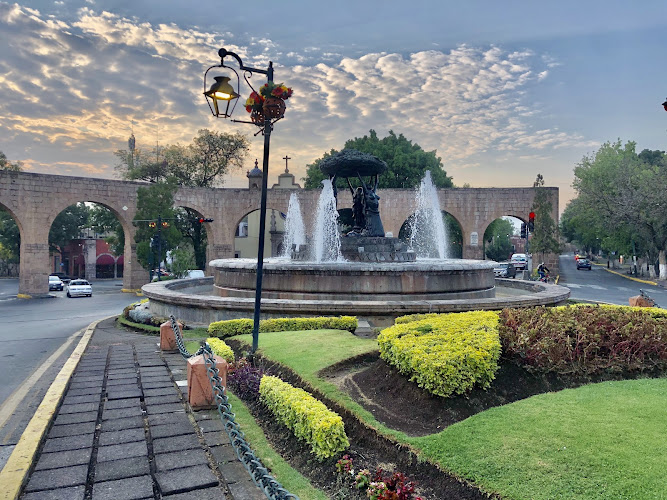
Fuente de las Tarascas
About Fuente de las Tarascas
Description
The Fuente de las Tarascas is one of those landmarks that you don’t just pass by—you stop, stare, maybe snap a photo or two, and let your mind wander a bit. This bronze fountain, sculpted by José Luis Padilla Retana in 1984, shows three women holding up a large fruit bowl. It’s not just a piece of art; it’s a symbol that locals and visitors alike recognize instantly. The figures represent Purépecha women, paying homage to the indigenous heritage of Michoacán, and the overflowing bowl of fruit is often seen as a nod to the region’s agricultural richness.
Now, not everyone falls in love with it at first sight. Some people think it’s a little too simple, others find it mesmerizing in its elegance. Personally, I think that’s what makes it great—it sparks conversation. And if you’ve ever been to Morelia, you’ll know that this fountain isn’t just a sculpture standing alone; it’s part of the city’s rhythm. Locals meet here, tourists pause here, and it’s practically impossible to walk through the historic center without crossing its path.
Key Features
- Bronze fountain created in 1984 by José Luis Padilla Retana
- Depicts three Purépecha women holding up a fruit bowl
- Symbol of Morelia’s cultural identity and heritage
- Often used as a meeting point in the city’s historic center
- Child-friendly and allows dogs, making it a casual stop for families
- Wheelchair access is limited, especially in the surrounding area
Best Time to Visit
If you want to see the Fuente de las Tarascas at its most photogenic, early morning or late afternoon is your sweet spot. The light hits just right, casting warm tones on the bronze figures. I once visited around sunrise, and the fountain was practically glowing while the city was still quiet—it felt like I had Morelia to myself. On the flip side, evenings bring their own charm. The fountain is illuminated, and the surrounding streets buzz with people heading to dinner or just strolling.
Weekends tend to be busier, which can either add to the fun or make it a bit crowded, depending on your travel style. If you’re someone who prefers space to reflect and snap photos without a dozen heads in your frame, weekdays are a safer bet. But if you like energy and don’t mind weaving through others, Saturday nights here can feel like a little festival in itself.
How to Get There
Getting to the fountain is straightforward since it’s right in the heart of Morelia’s historic center. If you’re staying nearby, you can easily walk—honestly, that’s the best way because you get to soak in the colonial streets along the way. If you’re coming from farther out, taxis and rideshare apps are reliable and inexpensive. Public buses also pass through the area, though they can be a bit tricky if you’re not familiar with the routes.
One thing to keep in mind: parking around the historic center can be a headache. Streets are narrow, spots fill up quickly, and you might end up circling longer than you’d like. If you’re driving, I’d suggest leaving your car at a secure lot a few blocks away and walking in. That way, you avoid the stress and get a more relaxed approach to the fountain.
Tips for Visiting
Here’s where a few personal lessons come in handy. First off, bring water if you’re visiting midday—it can get hot, and shade is limited around the fountain. And don’t be surprised if you find vendors nearby selling snacks or souvenirs. Some of them can be a little persistent, but most are friendly and worth chatting with. I once bought a handmade bracelet here that I still wear when traveling—it’s a small reminder of Morelia every time I look at it.
If you’re traveling with kids, the fountain is a good spot to let them stretch their legs, though you’ll want to keep an eye out since traffic flows close by. Dog owners will be glad to know pets are welcome, but again, a leash is a must. For those with mobility needs, note that while the fountain itself is accessible to view, the surrounding area isn’t perfectly designed for wheelchairs, so a bit of planning helps.
And here’s a little tip I wish someone had told me: stick around for a while. Don’t just snap a photo and leave. Sit on a nearby bench, watch the locals go about their day, and let the fountain become more than just a landmark—it becomes part of your memory of Morelia. Sometimes the best travel moments aren’t the flashy ones, but the quiet pauses where you feel connected to a place.
All in all, the Fuente de las Tarascas is one of those attractions that might not blow your mind instantly, but it grows on you. It’s a piece of art, a cultural symbol, and a gathering spot all rolled into one. And if you give it a little time, you’ll see why it has become such an enduring icon of Morelia.
Key Features
- Bronze fountain created in 1984 by José Luis Padilla Retana
- Depicts three Purépecha women holding up a fruit bowl
- Symbol of Morelia’s cultural identity and heritage
- Often used as a meeting point in the city’s historic center
- Child-friendly and allows dogs, making it a casual stop for families
- Wheelchair access is limited, especially in the surrounding area
More Details
Updated October 1, 2025
Table of Contents
Description
The Fuente de las Tarascas is one of those landmarks that you don’t just pass by—you stop, stare, maybe snap a photo or two, and let your mind wander a bit. This bronze fountain, sculpted by José Luis Padilla Retana in 1984, shows three women holding up a large fruit bowl. It’s not just a piece of art; it’s a symbol that locals and visitors alike recognize instantly. The figures represent Purépecha women, paying homage to the indigenous heritage of Michoacán, and the overflowing bowl of fruit is often seen as a nod to the region’s agricultural richness.
Now, not everyone falls in love with it at first sight. Some people think it’s a little too simple, others find it mesmerizing in its elegance. Personally, I think that’s what makes it great—it sparks conversation. And if you’ve ever been to Morelia, you’ll know that this fountain isn’t just a sculpture standing alone; it’s part of the city’s rhythm. Locals meet here, tourists pause here, and it’s practically impossible to walk through the historic center without crossing its path.
Key Features
- Bronze fountain created in 1984 by José Luis Padilla Retana
- Depicts three Purépecha women holding up a fruit bowl
- Symbol of Morelia’s cultural identity and heritage
- Often used as a meeting point in the city’s historic center
- Child-friendly and allows dogs, making it a casual stop for families
- Wheelchair access is limited, especially in the surrounding area
Best Time to Visit
If you want to see the Fuente de las Tarascas at its most photogenic, early morning or late afternoon is your sweet spot. The light hits just right, casting warm tones on the bronze figures. I once visited around sunrise, and the fountain was practically glowing while the city was still quiet—it felt like I had Morelia to myself. On the flip side, evenings bring their own charm. The fountain is illuminated, and the surrounding streets buzz with people heading to dinner or just strolling.
Weekends tend to be busier, which can either add to the fun or make it a bit crowded, depending on your travel style. If you’re someone who prefers space to reflect and snap photos without a dozen heads in your frame, weekdays are a safer bet. But if you like energy and don’t mind weaving through others, Saturday nights here can feel like a little festival in itself.
How to Get There
Getting to the fountain is straightforward since it’s right in the heart of Morelia’s historic center. If you’re staying nearby, you can easily walk—honestly, that’s the best way because you get to soak in the colonial streets along the way. If you’re coming from farther out, taxis and rideshare apps are reliable and inexpensive. Public buses also pass through the area, though they can be a bit tricky if you’re not familiar with the routes.
One thing to keep in mind: parking around the historic center can be a headache. Streets are narrow, spots fill up quickly, and you might end up circling longer than you’d like. If you’re driving, I’d suggest leaving your car at a secure lot a few blocks away and walking in. That way, you avoid the stress and get a more relaxed approach to the fountain.
Tips for Visiting
Here’s where a few personal lessons come in handy. First off, bring water if you’re visiting midday—it can get hot, and shade is limited around the fountain. And don’t be surprised if you find vendors nearby selling snacks or souvenirs. Some of them can be a little persistent, but most are friendly and worth chatting with. I once bought a handmade bracelet here that I still wear when traveling—it’s a small reminder of Morelia every time I look at it.
If you’re traveling with kids, the fountain is a good spot to let them stretch their legs, though you’ll want to keep an eye out since traffic flows close by. Dog owners will be glad to know pets are welcome, but again, a leash is a must. For those with mobility needs, note that while the fountain itself is accessible to view, the surrounding area isn’t perfectly designed for wheelchairs, so a bit of planning helps.
And here’s a little tip I wish someone had told me: stick around for a while. Don’t just snap a photo and leave. Sit on a nearby bench, watch the locals go about their day, and let the fountain become more than just a landmark—it becomes part of your memory of Morelia. Sometimes the best travel moments aren’t the flashy ones, but the quiet pauses where you feel connected to a place.
All in all, the Fuente de las Tarascas is one of those attractions that might not blow your mind instantly, but it grows on you. It’s a piece of art, a cultural symbol, and a gathering spot all rolled into one. And if you give it a little time, you’ll see why it has become such an enduring icon of Morelia.
Key Highlights
- Bronze fountain created in 1984 by José Luis Padilla Retana
- Depicts three Purépecha women holding up a fruit bowl
- Symbol of Morelia’s cultural identity and heritage
- Often used as a meeting point in the city’s historic center
- Child-friendly and allows dogs, making it a casual stop for families
- Wheelchair access is limited, especially in the surrounding area
Location
Places to Stay Near Fuente de las Tarascas
Find and Book a Tour
Explore More Travel Guides
No reviews found! Be the first to review!
Traveler Reviews for Fuente de las Tarascas
There are no reviews yet. Be the first one to write one.
Have you visited Fuente de las Tarascas? Help other travelers by sharing your review.
You Might Also Like
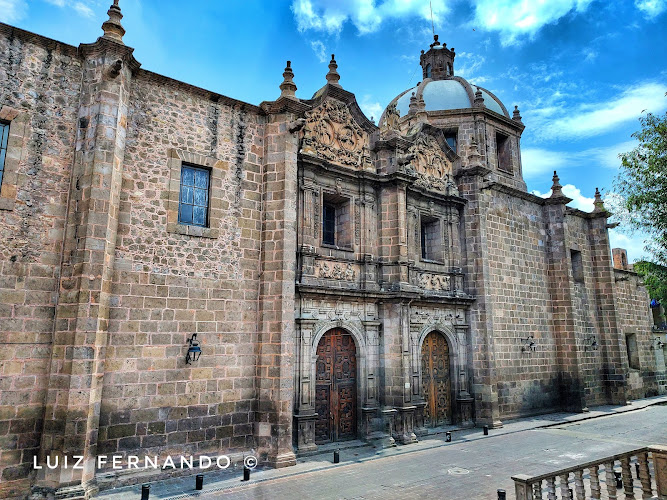
Templo de Santa Rosa de Lima

Planetario de Morelia
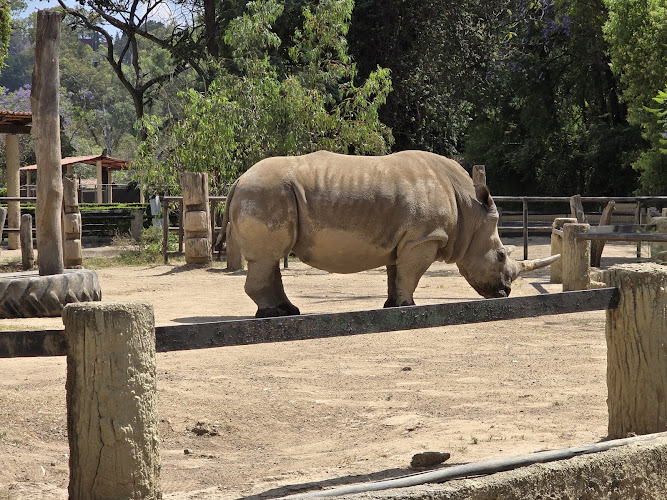
Zoológico de Morelia Tirolesa
Find Accommodations Nearby
Recommended Tours & Activities
Visitor Reviews
There are no reviews yet. Be the first one to write one.
Share Your Experience
Have you visited Fuente de las Tarascas? Help other travelers by leaving a review.