
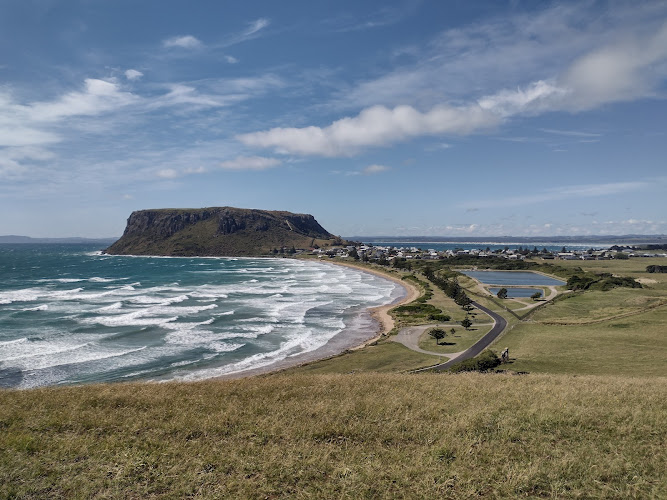
The Nut State Reserve
About The Nut State Reserve
Description
The Nut State Reserve is one of those places that feels a bit surreal when you first see it. Rising abruptly from the small coastal town of Stanley in Tasmania, this flat-topped volcanic plug is like nature’s version of a fortress. It’s not just its unique shape that makes it special—it’s the way the landscape changes as you climb, from coastal scrub to grassy summit, with sweeping views that stretch out over Bass Strait. Travelers often describe it as one of the most distinctive natural landmarks in Tasmania, and honestly, it’s hard to argue with that.
What’s refreshing is that the reserve manages to balance accessibility with raw natural beauty. You can take the challenging walking track if you’re up for a bit of a workout, or you can ride the chairlift if you’d rather save your legs for exploring the summit. Families with kids, older visitors, and even those with mobility challenges will find ways to enjoy it. And yes, it’s the kind of place where you can bring a picnic, let the kids run around, and not feel rushed. The amenities are practical—picnic tables, restrooms, and accessible parking—so you don’t have to overthink the logistics.
Of course, not every visitor walks away completely blown away. Some people find the climb tougher than expected, or they arrive on a foggy day when the views are hidden. But the overwhelming sentiment is positive. The summit views are often described as breathtaking, and the wildlife—think wallabies, pademelons, and plenty of seabirds—adds that extra bit of magic. If you’ve got even a passing interest in geology, you’ll find it fascinating to stand on a 13-million-year-old volcanic plug that’s become a natural icon.
Key Features
- Distinctive flat-topped volcanic plug with panoramic coastal views
- Two options for reaching the summit: a steep walking track or a scenic chairlift
- Kid-friendly hikes and open spaces for families
- Wheelchair accessible entrance and parking areas
- Picnic areas with tables for a relaxed day out
- Public restrooms available on-site
- Frequent wildlife sightings, including wallabies and seabirds
- Perfect spot for photography, especially at sunrise or sunset
Best Time to Visit
Honestly, there isn’t really a bad time to visit The Nut State Reserve, but the experience does change with the seasons. Summer (December to February) is when most travelers arrive, and the weather is usually warm and clear, making the views from the summit spectacular. It can feel busier during this time, but the wide-open spaces at the top mean you’ll still find a quiet corner to soak it all in.
Autumn is probably my personal favorite. The air is crisp, the light is softer, and the crowds thin out a little. It’s the kind of season where you can take your time wandering the summit circuit without feeling rushed. Winter can be chilly, windy even, but if you don’t mind bundling up, you might just have the place to yourself. There’s something special about standing up there with the sea mist rolling in. Spring brings wildflowers and more wildlife activity, which is a delight if you’re into nature photography.
One thing to keep in mind: the weather in Tasmania can be unpredictable. Even in summer, it’s smart to bring a jacket because the wind at the top can be surprisingly fierce. And if you’re hoping for those postcard-worthy views, try to time your visit for a clear day.
How to Get There
Getting to The Nut State Reserve is part of the fun. Most visitors arrive in Stanley, a charming little fishing village that feels like it’s been frozen in time. If you’re driving from Burnie, it’s about an hour and a half along the Bass Highway, and the trip itself is scenic, with plenty of rolling hills and coastline to admire. From Launceston, it’s closer to three hours, so it might be worth planning an overnight stay in Stanley to make the most of it.
Once you’re in Stanley, you literally can’t miss The Nut—it dominates the skyline. Parking is available at the base, right near the chairlift station and the walking track entrance. If you’re relying on public transport, buses do run to Stanley, but schedules can be limited, so it’s best to plan ahead. Honestly, having a car gives you much more flexibility, especially if you want to explore other nearby attractions like Highfield Historic Site or the Tarkine Drive.
Tips for Visiting
Here’s where the little details can make or break your trip. First off, decide how you want to get to the top. The walking track is steep and can leave you puffing, but it only takes about 15–20 minutes if you’re reasonably fit. The chairlift is a more relaxed option, and it gives you a different perspective of The Nut as you rise above the slope. I’ve done both, and honestly, I’d recommend walking up and taking the chairlift down—it’s a nice balance.
Footwear matters more than you might think. The track can be slippery after rain, so sturdy shoes are a must. Bring water, especially in summer, because there’s none available at the summit. And don’t forget your camera—the views really are worth capturing. If you’re traveling with kids, the summit circuit is flat and easy enough for them to handle, and they’ll love spotting wildlife along the way.
Another tip: go early in the morning or late in the afternoon if you can. The light is softer, the crowds are fewer, and the atmosphere feels more peaceful. Plus, if you’re into photography, those golden hours are unbeatable. And if you’re planning a picnic, pack something simple but hearty—you’ll want to linger once you’re up there.
Finally, be mindful of the weather. It can change quickly on the coast, so bring layers. On windy days, hold onto your hat (literally). And take a moment to just stop and listen while you’re up there. Between the seabirds calling and the waves crashing below, it’s one of those rare places where nature feels both powerful and calming at the same time.
Key Features
- Distinctive flat-topped volcanic plug with panoramic coastal views
- Two options for reaching the summit: a steep walking track or a scenic chairlift
- Kid-friendly hikes and open spaces for families
- Wheelchair accessible entrance and parking areas
- Picnic areas with tables for a relaxed day out
- Public restrooms available on-site
- Frequent wildlife sightings, including wallabies and seabirds
- Perfect spot for photography, especially at sunrise or sunset
More Details
Updated October 2, 2025
Description
The Nut State Reserve is one of those places that feels a bit surreal when you first see it. Rising abruptly from the small coastal town of Stanley in Tasmania, this flat-topped volcanic plug is like nature’s version of a fortress. It’s not just its unique shape that makes it special—it’s the way the landscape changes as you climb, from coastal scrub to grassy summit, with sweeping views that stretch out over Bass Strait. Travelers often describe it as one of the most distinctive natural landmarks in Tasmania, and honestly, it’s hard to argue with that.
What’s refreshing is that the reserve manages to balance accessibility with raw natural beauty. You can take the challenging walking track if you’re up for a bit of a workout, or you can ride the chairlift if you’d rather save your legs for exploring the summit. Families with kids, older visitors, and even those with mobility challenges will find ways to enjoy it. And yes, it’s the kind of place where you can bring a picnic, let the kids run around, and not feel rushed. The amenities are practical—picnic tables, restrooms, and accessible parking—so you don’t have to overthink the logistics.
Of course, not every visitor walks away completely blown away. Some people find the climb tougher than expected, or they arrive on a foggy day when the views are hidden. But the overwhelming sentiment is positive. The summit views are often described as breathtaking, and the wildlife—think wallabies, pademelons, and plenty of seabirds—adds that extra bit of magic. If you’ve got even a passing interest in geology, you’ll find it fascinating to stand on a 13-million-year-old volcanic plug that’s become a natural icon.
Key Features
- Distinctive flat-topped volcanic plug with panoramic coastal views
- Two options for reaching the summit: a steep walking track or a scenic chairlift
- Kid-friendly hikes and open spaces for families
- Wheelchair accessible entrance and parking areas
- Picnic areas with tables for a relaxed day out
- Public restrooms available on-site
- Frequent wildlife sightings, including wallabies and seabirds
- Perfect spot for photography, especially at sunrise or sunset
Best Time to Visit
Honestly, there isn’t really a bad time to visit The Nut State Reserve, but the experience does change with the seasons. Summer (December to February) is when most travelers arrive, and the weather is usually warm and clear, making the views from the summit spectacular. It can feel busier during this time, but the wide-open spaces at the top mean you’ll still find a quiet corner to soak it all in.
Autumn is probably my personal favorite. The air is crisp, the light is softer, and the crowds thin out a little. It’s the kind of season where you can take your time wandering the summit circuit without feeling rushed. Winter can be chilly, windy even, but if you don’t mind bundling up, you might just have the place to yourself. There’s something special about standing up there with the sea mist rolling in. Spring brings wildflowers and more wildlife activity, which is a delight if you’re into nature photography.
One thing to keep in mind: the weather in Tasmania can be unpredictable. Even in summer, it’s smart to bring a jacket because the wind at the top can be surprisingly fierce. And if you’re hoping for those postcard-worthy views, try to time your visit for a clear day.
How to Get There
Getting to The Nut State Reserve is part of the fun. Most visitors arrive in Stanley, a charming little fishing village that feels like it’s been frozen in time. If you’re driving from Burnie, it’s about an hour and a half along the Bass Highway, and the trip itself is scenic, with plenty of rolling hills and coastline to admire. From Launceston, it’s closer to three hours, so it might be worth planning an overnight stay in Stanley to make the most of it.
Once you’re in Stanley, you literally can’t miss The Nut—it dominates the skyline. Parking is available at the base, right near the chairlift station and the walking track entrance. If you’re relying on public transport, buses do run to Stanley, but schedules can be limited, so it’s best to plan ahead. Honestly, having a car gives you much more flexibility, especially if you want to explore other nearby attractions like Highfield Historic Site or the Tarkine Drive.
Tips for Visiting
Here’s where the little details can make or break your trip. First off, decide how you want to get to the top. The walking track is steep and can leave you puffing, but it only takes about 15–20 minutes if you’re reasonably fit. The chairlift is a more relaxed option, and it gives you a different perspective of The Nut as you rise above the slope. I’ve done both, and honestly, I’d recommend walking up and taking the chairlift down—it’s a nice balance.
Footwear matters more than you might think. The track can be slippery after rain, so sturdy shoes are a must. Bring water, especially in summer, because there’s none available at the summit. And don’t forget your camera—the views really are worth capturing. If you’re traveling with kids, the summit circuit is flat and easy enough for them to handle, and they’ll love spotting wildlife along the way.
Another tip: go early in the morning or late in the afternoon if you can. The light is softer, the crowds are fewer, and the atmosphere feels more peaceful. Plus, if you’re into photography, those golden hours are unbeatable. And if you’re planning a picnic, pack something simple but hearty—you’ll want to linger once you’re up there.
Finally, be mindful of the weather. It can change quickly on the coast, so bring layers. On windy days, hold onto your hat (literally). And take a moment to just stop and listen while you’re up there. Between the seabirds calling and the waves crashing below, it’s one of those rare places where nature feels both powerful and calming at the same time.
Key Highlights
- Distinctive flat-topped volcanic plug with panoramic coastal views
- Two options for reaching the summit: a steep walking track or a scenic chairlift
- Kid-friendly hikes and open spaces for families
- Wheelchair accessible entrance and parking areas
- Picnic areas with tables for a relaxed day out
- Public restrooms available on-site
- Frequent wildlife sightings, including wallabies and seabirds
- Perfect spot for photography, especially at sunrise or sunset
Location
Places to Stay Near The Nut State Reserve
Find and Book a Tour
Explore More Travel Guides
No reviews found! Be the first to review!
Traveler Reviews for The Nut State Reserve
There are no reviews yet. Be the first one to write one.
Have you visited The Nut State Reserve? Help other travelers by sharing your review.
You Might Also Like
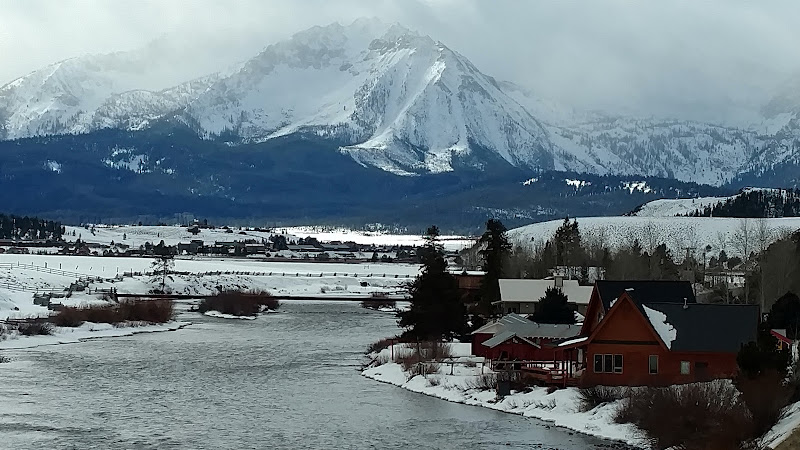
Stanley
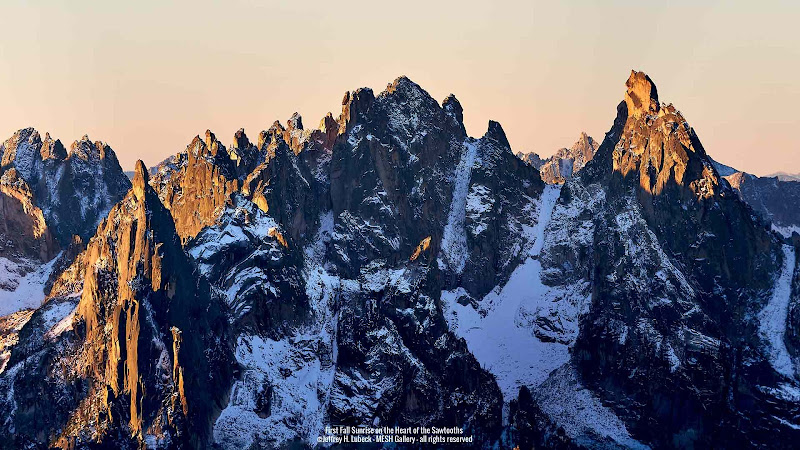
Sawtooth Mountain Guides
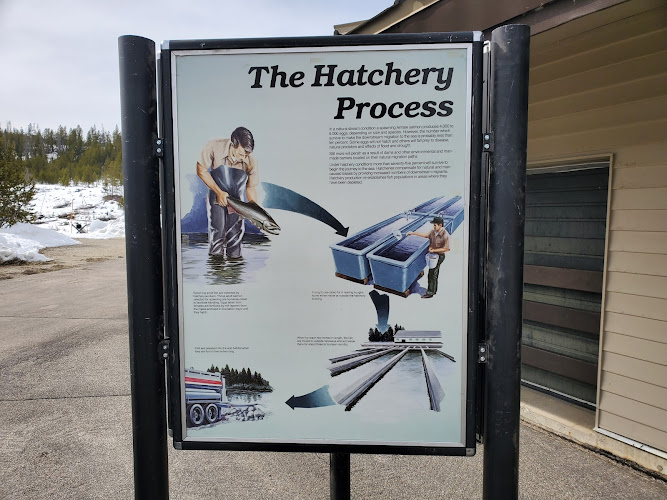
Sawtooth Main Fish Hatchery
Find Accommodations Nearby
Recommended Tours & Activities
Visitor Reviews
There are no reviews yet. Be the first one to write one.
Share Your Experience
Have you visited The Nut State Reserve? Help other travelers by leaving a review.