
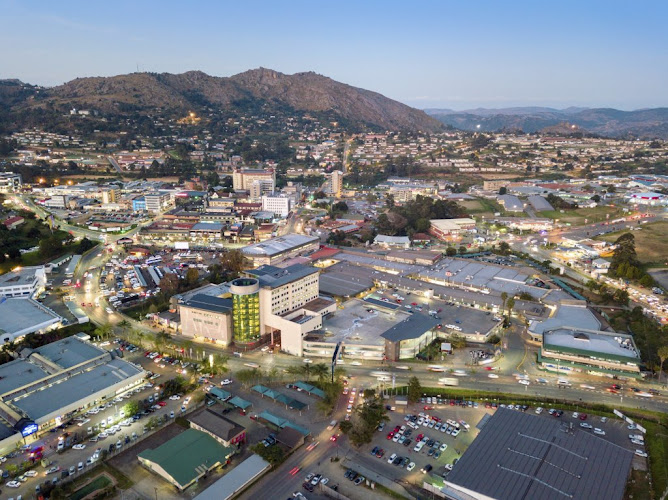
Mbabane
About Mbabane
Description
Mbabane, the executive capital of Eswatini, sits quietly among the green ridges of the Mdzimba Mountains, where mist rolls down the slopes in the early mornings and the air feels cooler than you’d expect in southern Africa. It’s not a huge city by global standards—around 95,000 people call it home—but it feels alive in a way that’s hard to explain until you’ve wandered its streets. The city’s rhythm is steady, not rushed, and that’s part of its charm. The Mbabane River winds through the valley, and locals will tell you that life here flows just like that river—peaceful but full of hidden currents.
There’s something about Mbabane that makes travelers slow down. Maybe it’s the mountain air, maybe it’s the people (who are genuinely some of the friendliest you’ll meet), or maybe it’s the way modern life and traditional culture coexist so naturally. You’ll find government buildings and banks sitting beside craft markets where artisans sell handwoven baskets and colorful fabrics. And if you listen closely, you’ll hear both English and siSwati floating through the air, sometimes in the same conversation.
What struck me most when I first visited was how clean and orderly the city felt compared to many other African capitals. It’s small enough to walk around, yet big enough to offer good coffee shops, restaurants, and even a few cozy boutique hotels. Mbabane doesn’t try to impress you with grandeur—it wins you over quietly, with authenticity and warmth. It’s a city that doesn’t shout; it hums.
Key Features
- Scenic Mountain Location: Mbabane is surrounded by the Mdzimba Mountains, offering sweeping views and hiking opportunities just minutes from the city center.
- Cultural Markets: The Swazi Plaza and local craft markets showcase handmade goods, from woven baskets to traditional beadwork.
- Cool Climate: Thanks to its elevation, the city enjoys mild temperatures year-round, making it comfortable for outdoor exploration.
- Gateway to Nature: Close proximity to Sibebe Rock, one of the largest exposed granite domes in the world, and Mlilwane Wildlife Sanctuary.
- Local Cuisine: Restaurants serve a mix of traditional Swazi dishes and international fare, often with locally sourced ingredients.
- Friendly Locals: Mbabane’s residents are known for their hospitality and willingness to share stories about Eswatini’s traditions.
Best Time to Visit
If you’re planning a trip, the best time to visit Mbabane is between May and September—the dry season. The skies are clear, the air crisp, and the mountain views are at their best. I remember hiking up near Sibebe Rock one August morning, and the light was so sharp it made every blade of grass shimmer. It’s also the perfect time for exploring outdoor attractions without worrying about sudden downpours.
That said, the rainy season (October to April) has its own appeal. The hills turn a deeper shade of green, and the rivers swell, giving the landscape a lush, almost tropical feel. Just be prepared for afternoon showers. If you don’t mind a bit of rain, you’ll see a side of Mbabane that’s quieter and more introspective. Bring a light jacket either way—the evenings can get chilly, especially in winter.
How to Get There
Getting to Mbabane is fairly straightforward. The main entry point is King Mswati III International Airport, located about 90 minutes away by car. From there, you can hire a taxi, arrange a private shuttle, or rent a car. The drive itself is part of the adventure—rolling hills, small villages, and occasional roadside stalls selling fresh fruit and roasted corn. If you’re coming from South Africa, the Oshoek Border Post is the most common crossing, and the road from Johannesburg takes roughly four to five hours depending on traffic.
Public transport exists, mostly in the form of minibuses, but they can be a bit unpredictable for first-time visitors. I’d recommend renting a car if you want the freedom to explore the countryside. The roads are generally in good shape, though a few mountain routes can get twisty. And yes, they drive on the left here, so keep that in mind if you’re not used to it!
Tips for Visiting
First things first—take it slow. Mbabane isn’t a city to rush through. Spend time at the markets, chat with the vendors, and try a plate of sishwala (a maize porridge) with beef stew. If you’re into hiking, set aside a day for Sibebe Rock—it’s a challenge, but the view from the top is worth every step. Wear sturdy shoes; the granite can get slippery after rain.
Money-wise, the local currency is the lilangeni (plural: emalangeni), but the South African rand is accepted almost everywhere. ATMs are easy to find in the city, though it’s smart to carry some cash when heading into rural areas. Internet connectivity is decent, with most hotels and cafes offering Wi-Fi, though it can be spotty in the mountains.
Safety-wise, Mbabane is one of the calmer capitals in Africa. Of course, the usual travel sense applies—don’t flash valuables, and stick to well-lit areas at night. But honestly, I’ve walked around after dark more than once and felt completely at ease. The locals are quick to help if you ever look lost or need directions.
One thing that often surprises visitors is how environmentally conscious Eswatini is becoming. You’ll see recycling bins in public spaces and community initiatives aimed at preserving the surrounding forests. It’s a small country with a big heart for nature. And if you’re lucky enough to visit during one of the cultural festivals—like the Umhlanga Reed Dance—you’ll witness traditions that go back centuries, still practiced with pride today.
Finally, don’t forget to look up. The night skies over Mbabane are something else entirely—clear, deep, and full of stars. I remember sitting on a guesthouse balcony one night, wrapped in a blanket, sipping hot tea, and thinking, “This is exactly what peace feels like.” It’s moments like that which make Mbabane more than just another stop on a travel itinerary. It’s a place that stays with you long after you’ve left.
So, if you’re craving a destination that blends culture, nature, and calm in equal measure, Mbabane might just surprise you. It’s not flashy or loud, but it has a quiet confidence that draws you in. And once you’ve been, you’ll understand why so many travelers end up staying longer than planned.
Key Features
- Key Features
- Best Time to Visit
- How to Get There
- Tips for Visiting
More Details
Updated October 8, 2025
Table of Contents
Description
Mbabane, the executive capital of Eswatini, sits quietly among the green ridges of the Mdzimba Mountains, where mist rolls down the slopes in the early mornings and the air feels cooler than you’d expect in southern Africa. It’s not a huge city by global standards—around 95,000 people call it home—but it feels alive in a way that’s hard to explain until you’ve wandered its streets. The city’s rhythm is steady, not rushed, and that’s part of its charm. The Mbabane River winds through the valley, and locals will tell you that life here flows just like that river—peaceful but full of hidden currents.
There’s something about Mbabane that makes travelers slow down. Maybe it’s the mountain air, maybe it’s the people (who are genuinely some of the friendliest you’ll meet), or maybe it’s the way modern life and traditional culture coexist so naturally. You’ll find government buildings and banks sitting beside craft markets where artisans sell handwoven baskets and colorful fabrics. And if you listen closely, you’ll hear both English and siSwati floating through the air, sometimes in the same conversation.
What struck me most when I first visited was how clean and orderly the city felt compared to many other African capitals. It’s small enough to walk around, yet big enough to offer good coffee shops, restaurants, and even a few cozy boutique hotels. Mbabane doesn’t try to impress you with grandeur—it wins you over quietly, with authenticity and warmth. It’s a city that doesn’t shout; it hums.
Key Features
- Scenic Mountain Location: Mbabane is surrounded by the Mdzimba Mountains, offering sweeping views and hiking opportunities just minutes from the city center.
- Cultural Markets: The Swazi Plaza and local craft markets showcase handmade goods, from woven baskets to traditional beadwork.
- Cool Climate: Thanks to its elevation, the city enjoys mild temperatures year-round, making it comfortable for outdoor exploration.
- Gateway to Nature: Close proximity to Sibebe Rock, one of the largest exposed granite domes in the world, and Mlilwane Wildlife Sanctuary.
- Local Cuisine: Restaurants serve a mix of traditional Swazi dishes and international fare, often with locally sourced ingredients.
- Friendly Locals: Mbabane’s residents are known for their hospitality and willingness to share stories about Eswatini’s traditions.
Best Time to Visit
If you’re planning a trip, the best time to visit Mbabane is between May and September—the dry season. The skies are clear, the air crisp, and the mountain views are at their best. I remember hiking up near Sibebe Rock one August morning, and the light was so sharp it made every blade of grass shimmer. It’s also the perfect time for exploring outdoor attractions without worrying about sudden downpours.
That said, the rainy season (October to April) has its own appeal. The hills turn a deeper shade of green, and the rivers swell, giving the landscape a lush, almost tropical feel. Just be prepared for afternoon showers. If you don’t mind a bit of rain, you’ll see a side of Mbabane that’s quieter and more introspective. Bring a light jacket either way—the evenings can get chilly, especially in winter.
How to Get There
Getting to Mbabane is fairly straightforward. The main entry point is King Mswati III International Airport, located about 90 minutes away by car. From there, you can hire a taxi, arrange a private shuttle, or rent a car. The drive itself is part of the adventure—rolling hills, small villages, and occasional roadside stalls selling fresh fruit and roasted corn. If you’re coming from South Africa, the Oshoek Border Post is the most common crossing, and the road from Johannesburg takes roughly four to five hours depending on traffic.
Public transport exists, mostly in the form of minibuses, but they can be a bit unpredictable for first-time visitors. I’d recommend renting a car if you want the freedom to explore the countryside. The roads are generally in good shape, though a few mountain routes can get twisty. And yes, they drive on the left here, so keep that in mind if you’re not used to it!
Tips for Visiting
First things first—take it slow. Mbabane isn’t a city to rush through. Spend time at the markets, chat with the vendors, and try a plate of sishwala (a maize porridge) with beef stew. If you’re into hiking, set aside a day for Sibebe Rock—it’s a challenge, but the view from the top is worth every step. Wear sturdy shoes; the granite can get slippery after rain.
Money-wise, the local currency is the lilangeni (plural: emalangeni), but the South African rand is accepted almost everywhere. ATMs are easy to find in the city, though it’s smart to carry some cash when heading into rural areas. Internet connectivity is decent, with most hotels and cafes offering Wi-Fi, though it can be spotty in the mountains.
Safety-wise, Mbabane is one of the calmer capitals in Africa. Of course, the usual travel sense applies—don’t flash valuables, and stick to well-lit areas at night. But honestly, I’ve walked around after dark more than once and felt completely at ease. The locals are quick to help if you ever look lost or need directions.
One thing that often surprises visitors is how environmentally conscious Eswatini is becoming. You’ll see recycling bins in public spaces and community initiatives aimed at preserving the surrounding forests. It’s a small country with a big heart for nature. And if you’re lucky enough to visit during one of the cultural festivals—like the Umhlanga Reed Dance—you’ll witness traditions that go back centuries, still practiced with pride today.
Finally, don’t forget to look up. The night skies over Mbabane are something else entirely—clear, deep, and full of stars. I remember sitting on a guesthouse balcony one night, wrapped in a blanket, sipping hot tea, and thinking, “This is exactly what peace feels like.” It’s moments like that which make Mbabane more than just another stop on a travel itinerary. It’s a place that stays with you long after you’ve left.
So, if you’re craving a destination that blends culture, nature, and calm in equal measure, Mbabane might just surprise you. It’s not flashy or loud, but it has a quiet confidence that draws you in. And once you’ve been, you’ll understand why so many travelers end up staying longer than planned.
Key Highlights
- Key Features
- Best Time to Visit
- How to Get There
- Tips for Visiting
Location
Places to Stay Near Mbabane
Find and Book a Tour
Explore More Travel Guides
No reviews found! Be the first to review!
Traveler Reviews for Mbabane
There are no reviews yet. Be the first one to write one.
Have you visited Mbabane? Help other travelers by sharing your review.
You Might Also Like

Maswati ll square
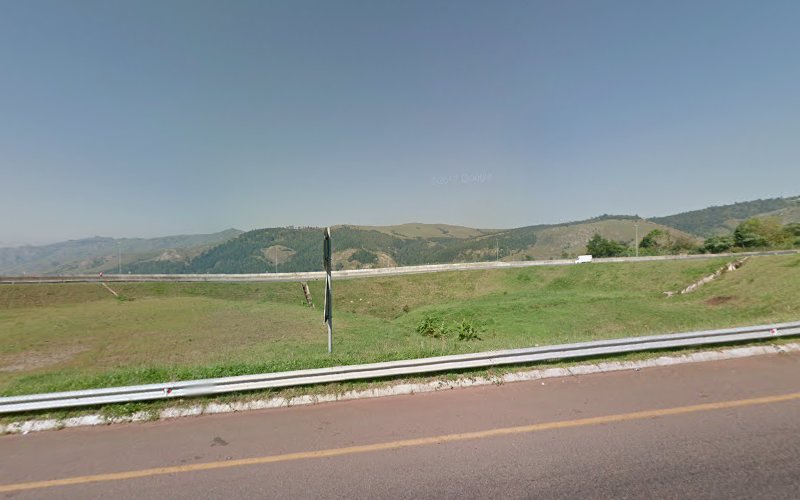
Maswati lll circle
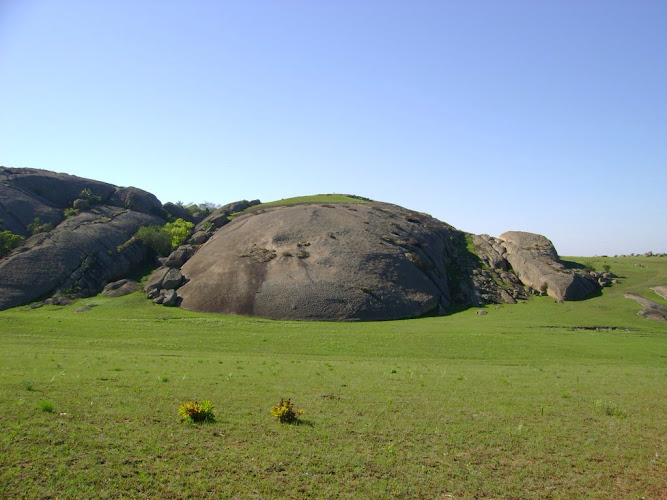
Sibebe Rock
Find Accommodations Nearby
Recommended Tours & Activities
Visitor Reviews
There are no reviews yet. Be the first one to write one.
Share Your Experience
Have you visited Mbabane? Help other travelers by leaving a review.