
The Sugarcane Museum
About The Sugarcane Museum
Description
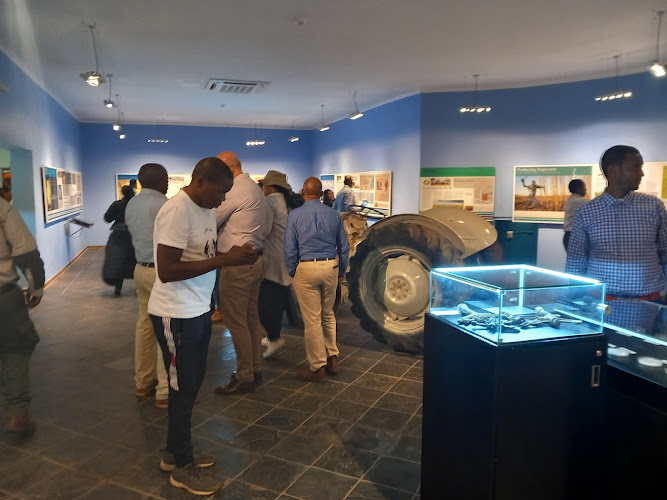
The Sugarcane Museum is one of those places that quietly surprises you — not with flashy exhibits or high-tech displays, but with the warmth of its storytelling and the richness of its history. Tucked away in the rolling green landscapes of Eswatini, this museum celebrates the country’s deep-rooted relationship with sugarcane — a crop that has shaped its economy, culture, and even its identity. It’s not a massive building with endless halls, but rather an intimate space where each display feels personal, almost handcrafted. The museum’s charm lies in its authenticity — you can sense that the people who run it genuinely care about preserving this piece of history.
Walking through the exhibits, you’ll find yourself tracing the journey of sugarcane from humble seed to sweet crystal. There’s something deeply satisfying about seeing the old tools used in harvesting, the photos of early plantations, and the stories of the workers who helped build an industry from the ground up. And yes, the smell — that faint, earthy sweetness that seems to linger in the air — is oddly comforting. I remember thinking, “This is what history should feel like: alive, tangible, and a little sticky with sugar dust.”
This museum is more than just a collection of artifacts; it’s an education center that invites visitors — especially students and travelers curious about Eswatini’s agricultural backbone — to understand how sugarcane shaped the nation’s development. The staff here are approachable and genuinely enthusiastic. They’ll happily share anecdotes about the early days of sugar production, or how local farmers adapted to new technologies over the years. You can tell they’ve lived this story, not just read about it.
Accessibility is another strong point. The entrance, parking lot, and restrooms are all wheelchair accessible, which is still not something you find everywhere in this part of the world. Families will appreciate that it’s kid-friendly too — children can learn while having fun, and there’s enough open space for them to move around without feeling confined. It’s a small touch, but it makes a big difference for travelers exploring with little ones.
Now, it’s not perfect. Some displays could use a refresh, and the signage might feel a bit dated in places. But honestly, that’s part of its charm. It feels real. You won’t find glossy museum polish here — instead, you get sincerity, and that’s worth a lot. Visitors often leave feeling they’ve discovered something genuine, a slice of Eswatini’s story that doesn’t try too hard to impress. If you’re the kind of traveler who enjoys learning about local industries and how they shaped communities, this museum will absolutely speak to you.
Key Features
- Interactive displays showcasing the evolution of sugarcane cultivation and processing
- Educational exhibits detailing Eswatini’s agricultural and economic history
- Wheelchair-accessible facilities, including restrooms and parking
- Guided tours led by knowledgeable local staff
- Family-friendly environment suitable for children and school groups
- On-site educational sessions and workshops for visitors interested in sustainable farming
- Small gift area offering locally made sugar-based crafts and souvenirs
What really stands out here is the personal touch — you might even find yourself chatting with one of the museum guides about their own experience working in the sugar industry. It’s those moments that make the visit memorable. You’re not just looking at history; you’re hearing it straight from the people who lived it.
Best Time to Visit
If you ask me, the best time to visit The Sugarcane Museum is during the dry season, typically between May and September. The weather is mild, the roads are easier to navigate, and the surrounding fields are often golden with ripening cane. It’s also the season when local festivals and agricultural fairs take place, so you might catch a glimpse of Eswatini’s vibrant rural life in full swing. That said, if you visit during harvest time — usually around late October to early December — you’ll get to see the sugarcane trucks rumbling down the roads, which adds a certain authenticity to the experience.
Morning visits are ideal. The light filters beautifully through the museum windows, and the air is cool enough for a leisurely stroll through the exhibits. Plus, you’ll likely have more time to chat with the staff before the afternoon crowd trickles in. If you’re planning a family trip, mornings tend to be quieter and more relaxed, which is perfect for kids who like to explore without feeling rushed.
How to Get There
Reaching The Sugarcane Museum is relatively straightforward, especially if you’re already exploring the central region of Eswatini. The roads are well-maintained, though a few stretches can get bumpy — typical for the area. If you’re driving, you’ll find clear signposts leading to the museum, and there’s a small but convenient parking area on-site. Public transportation options like minibuses and taxis can also get you close, though it’s best to confirm routes beforehand since schedules can be unpredictable. I’d recommend hiring a local driver if you’re not familiar with the area; not only will it save you time, but you’ll also get some great local insights along the way.
For travelers coming from nearby towns, it’s an easy day trip. You can easily pair your visit with a stop at a nearby market or nature reserve. And if you’re the adventurous type (like me), take the scenic route — the drive through the countryside is dotted with sugarcane fields that shimmer under the sun, creating a view that’s almost cinematic. Just remember to keep your camera handy; you’ll want to capture that endless green horizon.
Tips for Visiting
Here’s the thing: a visit to The Sugarcane Museum isn’t just about walking through exhibits — it’s about soaking in the story of a nation’s growth through its most iconic crop. To make the most of your trip, here are a few tips I’ve learned the hard way (and wish someone had told me earlier):
- Take your time: Don’t rush through. The exhibits might seem small at first glance, but they’re packed with fascinating details. Give yourself at least an hour or two to really absorb it all.
- Talk to the staff: They’re a treasure trove of stories. Ask questions — you’ll walk away with insights that you won’t find on any display board.
- Bring a hat and water: Especially if you plan to explore the outdoor areas or nearby fields. The sun can be relentless, even in the cooler months.
- Visit during weekdays: It’s usually quieter, giving you more space and time to explore at your own pace.
- Combine your visit: Pair the museum trip with a local sugar estate tour or a nearby cultural site to get a fuller picture of Eswatini’s heritage.
- Support local: Check out the small gift area — the handmade sugar-based products make for meaningful souvenirs and help support local artisans.
And one more thing — don’t forget to look out the window before you leave. There’s this view of the surrounding cane fields that somehow ties everything together. It’s a gentle reminder of how something as simple as a plant can shape a country’s destiny. The Sugarcane Museum may not be the flashiest attraction in Eswatini, but it’s one of the most heartfelt. It tells a story worth hearing — one that’s sweet, a little gritty, and entirely human.
Key Features
- Interactive displays showcasing the evolution of sugarcane cultivation and processing
- Educational exhibits detailing Eswatini’s agricultural and economic history
- Wheelchair-accessible facilities, including restrooms and parking
- Guided tours led by knowledgeable local staff
- Family-friendly environment suitable for children and school groups
- On-site educational sessions and workshops for visitors interested in sustainable farming
- Small gift area offering locally made sugar-based crafts and souvenirs
More Details
Updated October 8, 2025
Table of Contents The Sugarcane Museum is one of those places that quietly surprises you — not with flashy exhibits or high-tech displays, but with the warmth of its storytelling and the richness of its history. Tucked away in the rolling green landscapes of Eswatini, this museum celebrates the country’s deep-rooted relationship with sugarcane — a crop that has shaped its economy, culture, and even its identity. It’s not a massive building with endless halls, but rather an intimate space where each display feels personal, almost handcrafted. The museum’s charm lies in its authenticity — you can sense that the people who run it genuinely care about preserving this piece of history. Walking through the exhibits, you’ll find yourself tracing the journey of sugarcane from humble seed to sweet crystal. There’s something deeply satisfying about seeing the old tools used in harvesting, the photos of early plantations, and the stories of the workers who helped build an industry from the ground up. And yes, the smell — that faint, earthy sweetness that seems to linger in the air — is oddly comforting. I remember thinking, “This is what history should feel like: alive, tangible, and a little sticky with sugar dust.” This museum is more than just a collection of artifacts; it’s an education center that invites visitors — especially students and travelers curious about Eswatini’s agricultural backbone — to understand how sugarcane shaped the nation’s development. The staff here are approachable and genuinely enthusiastic. They’ll happily share anecdotes about the early days of sugar production, or how local farmers adapted to new technologies over the years. You can tell they’ve lived this story, not just read about it. Accessibility is another strong point. The entrance, parking lot, and restrooms are all wheelchair accessible, which is still not something you find everywhere in this part of the world. Families will appreciate that it’s kid-friendly too — children can learn while having fun, and there’s enough open space for them to move around without feeling confined. It’s a small touch, but it makes a big difference for travelers exploring with little ones. Now, it’s not perfect. Some displays could use a refresh, and the signage might feel a bit dated in places. But honestly, that’s part of its charm. It feels real. You won’t find glossy museum polish here — instead, you get sincerity, and that’s worth a lot. Visitors often leave feeling they’ve discovered something genuine, a slice of Eswatini’s story that doesn’t try too hard to impress. If you’re the kind of traveler who enjoys learning about local industries and how they shaped communities, this museum will absolutely speak to you. What really stands out here is the personal touch — you might even find yourself chatting with one of the museum guides about their own experience working in the sugar industry. It’s those moments that make the visit memorable. You’re not just looking at history; you’re hearing it straight from the people who lived it. If you ask me, the best time to visit The Sugarcane Museum is during the dry season, typically between May and September. The weather is mild, the roads are easier to navigate, and the surrounding fields are often golden with ripening cane. It’s also the season when local festivals and agricultural fairs take place, so you might catch a glimpse of Eswatini’s vibrant rural life in full swing. That said, if you visit during harvest time — usually around late October to early December — you’ll get to see the sugarcane trucks rumbling down the roads, which adds a certain authenticity to the experience. Morning visits are ideal. The light filters beautifully through the museum windows, and the air is cool enough for a leisurely stroll through the exhibits. Plus, you’ll likely have more time to chat with the staff before the afternoon crowd trickles in. If you’re planning a family trip, mornings tend to be quieter and more relaxed, which is perfect for kids who like to explore without feeling rushed. Reaching The Sugarcane Museum is relatively straightforward, especially if you’re already exploring the central region of Eswatini. The roads are well-maintained, though a few stretches can get bumpy — typical for the area. If you’re driving, you’ll find clear signposts leading to the museum, and there’s a small but convenient parking area on-site. Public transportation options like minibuses and taxis can also get you close, though it’s best to confirm routes beforehand since schedules can be unpredictable. I’d recommend hiring a local driver if you’re not familiar with the area; not only will it save you time, but you’ll also get some great local insights along the way. For travelers coming from nearby towns, it’s an easy day trip. You can easily pair your visit with a stop at a nearby market or nature reserve. And if you’re the adventurous type (like me), take the scenic route — the drive through the countryside is dotted with sugarcane fields that shimmer under the sun, creating a view that’s almost cinematic. Just remember to keep your camera handy; you’ll want to capture that endless green horizon. Here’s the thing: a visit to The Sugarcane Museum isn’t just about walking through exhibits — it’s about soaking in the story of a nation’s growth through its most iconic crop. To make the most of your trip, here are a few tips I’ve learned the hard way (and wish someone had told me earlier): And one more thing — don’t forget to look out the window before you leave. There’s this view of the surrounding cane fields that somehow ties everything together. It’s a gentle reminder of how something as simple as a plant can shape a country’s destiny. The Sugarcane Museum may not be the flashiest attraction in Eswatini, but it’s one of the most heartfelt. It tells a story worth hearing — one that’s sweet, a little gritty, and entirely human.Description
Key Features
Best Time to Visit
How to Get There
Tips for Visiting
Key Highlights
- Interactive displays showcasing the evolution of sugarcane cultivation and processing
- Educational exhibits detailing Eswatini’s agricultural and economic history
- Wheelchair-accessible facilities, including restrooms and parking
- Guided tours led by knowledgeable local staff
- Family-friendly environment suitable for children and school groups
- On-site educational sessions and workshops for visitors interested in sustainable farming
- Small gift area offering locally made sugar-based crafts and souvenirs
Location
Places to Stay Near The Sugarcane Museum
Find and Book a Tour
Explore More Travel Guides
No reviews found! Be the first to review!
Traveler Reviews for The Sugarcane Museum
There are no reviews yet. Be the first one to write one.
Have you visited The Sugarcane Museum? Help other travelers by sharing your review.
You Might Also Like
Carters Garden Centre
Omakhelwane Sanctuary The Boardroom
Emlembe
Find Accommodations Nearby
Recommended Tours & Activities
Visitor Reviews
There are no reviews yet. Be the first one to write one.
Share Your Experience
Have you visited The Sugarcane Museum? Help other travelers by leaving a review.