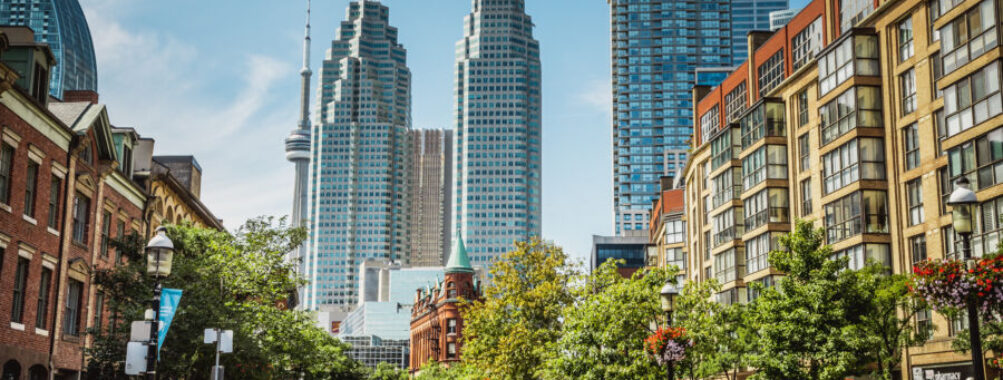
Discovering Toronto: An American Tourist’s Weekend Adventure
Updated May 26, 2026
Planning a Toronto itinerary? This guide maps out exactly how to spend one to three days in Canada’s largest city — from the best neighborhoods and food markets to must-see attractions, green space, and transit tips. Use it to build a Toronto trip that fits your schedule and your budget.
Table of Contents
- Planning Your Toronto Itinerary: What to Know Before You Go
- Arriving in Toronto & First Impressions
- A Friendly, Walkable Welcome
- From the Airport to Downtown
- Where to Eat in Toronto: Markets & Global Cuisine
- A World of Flavors in One City
- Toronto’s Best Food Markets
- Best Neighborhoods to Add to Your Toronto Itinerary
- Kensington Market: Bohemian Vibes & Vintage Shops
- The Distillery District: History Meets Modernity
- Queen Street West: Toronto’s Art & Music Hub
- Top Cultural Attractions & Landmarks in Toronto
- Museums & Galleries Worth Your Time
- Theatre & Live Performance
- Parks, Beaches & Green Spaces in Toronto
- Parks & Gardens
- Waterfront & Beaches
- Getting Around Toronto: TTC Transit Tips
- Subways, Streetcars & Buses: Navigating the Network
- Transit Tips to Save Time & Money
- Is Toronto Safe & Clean? What Visitors Should Know
- A Clean, Well-Kept City
- Safety for First-Time Visitors
- Sample Toronto Itinerary: How to Spend 1, 2 or 3 Days
- One Day in Toronto
- Two to Three Days in Toronto
- Final Thoughts on Your Toronto Trip
- Toronto Itinerary FAQs
- How many days do you need for a Toronto itinerary?
- What is the best time to visit Toronto?
- Do I need a car to visit Toronto?
- Is Toronto safe for tourists?
- What are the must-visit neighborhoods in Toronto?
- What are the top cultural attractions in Toronto?
- What are the best food markets in Toronto?
- What are the best parks and green spaces in Toronto?
- Book Your Dream Experience
- More Travel Guides
Planning Your Toronto Itinerary: What to Know Before You Go
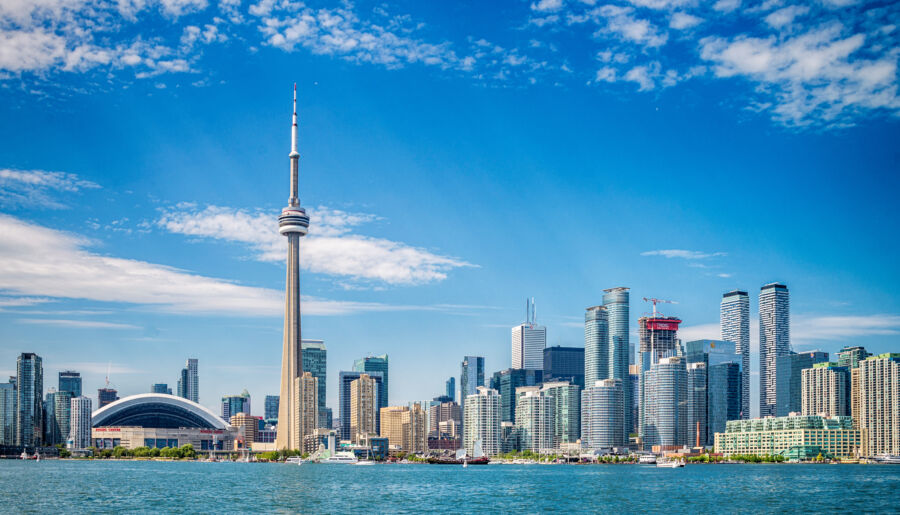
Toronto is Canada’s largest city and one of the most multicultural places on Earth, with roughly half of its residents born outside the country. A well-rounded Toronto itinerary blends downtown landmarks, globally diverse food, walkable neighborhoods, and a surprising amount of waterfront green space.
Two to three days is enough to cover the highlights. The best time to visit Toronto is late spring through early fall (May to October), when the patios, festivals, and Toronto Islands ferry are all in full swing. The sections below break the city down by theme so you can drop the stops you like into your own day-by-day plan.
Arriving in Toronto & First Impressions
A Friendly, Walkable Welcome
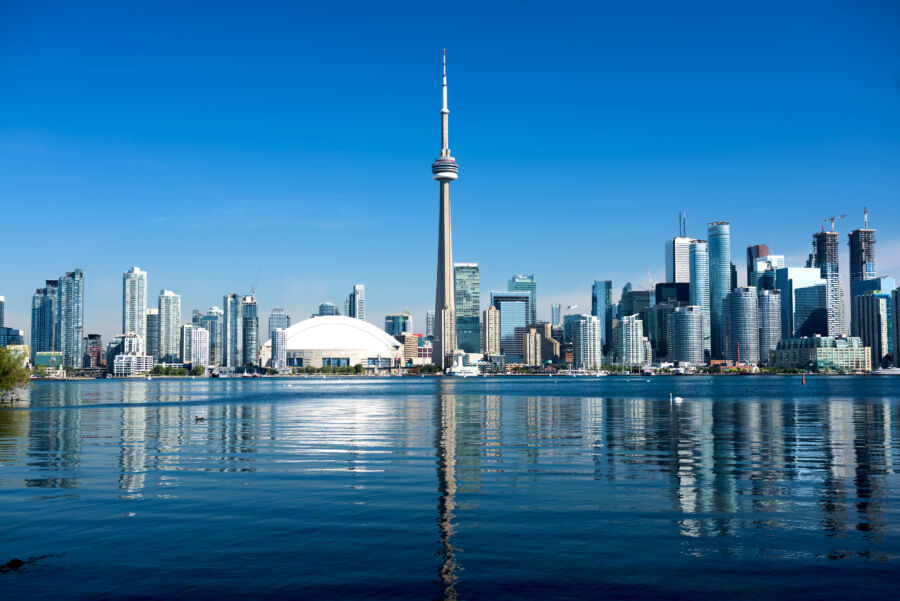
Toronto greets visitors with an easygoing, friendly energy. Locals are quick to give directions, and the downtown core is compact enough to explore much of it on foot. That walkability is what makes a tight Toronto itinerary possible — you can string together neighborhoods, restaurants, and landmarks in a single day.
From the Airport to Downtown

Most visitors arrive at Toronto Pearson International Airport. The fastest route into the city is the Union Pearson (UP) Express train, which reaches Union Station downtown in about 25 minutes. From there, the TTC subway, streetcars, and buses connect to everything else on your Toronto itinerary — no rental car required.
Where to Eat in Toronto: Markets & Global Cuisine
A World of Flavors in One City
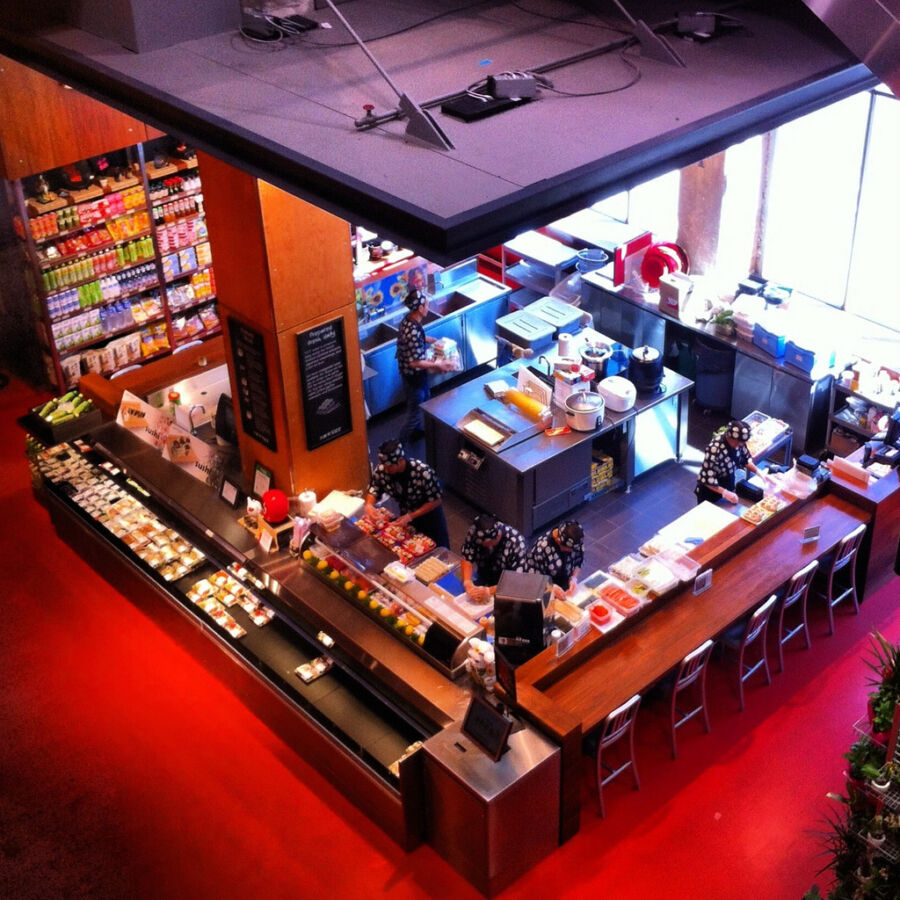
Toronto’s food scene reflects its diversity, with authentic cuisine from nearly every corner of the world. In a single day you can go from dim sum to Italian pasta to Ethiopian injera without ever leaving the city — which is exactly why food deserves a spot on every Toronto itinerary.
Below are the cuisines and two historic markets worth building your eating plan around.
Asian Delicacies: From Sushi to Dim Sum

Toronto’s Asian food scene is a highlight of any itinerary. Chinatown along Spadina Avenue and the dense restaurant strips north of the city serve standout sushi, ramen, dim sum, Korean barbecue, and Thai dishes — much of it open late and easy on the wallet.
European Treats: Italian, French & Beyond
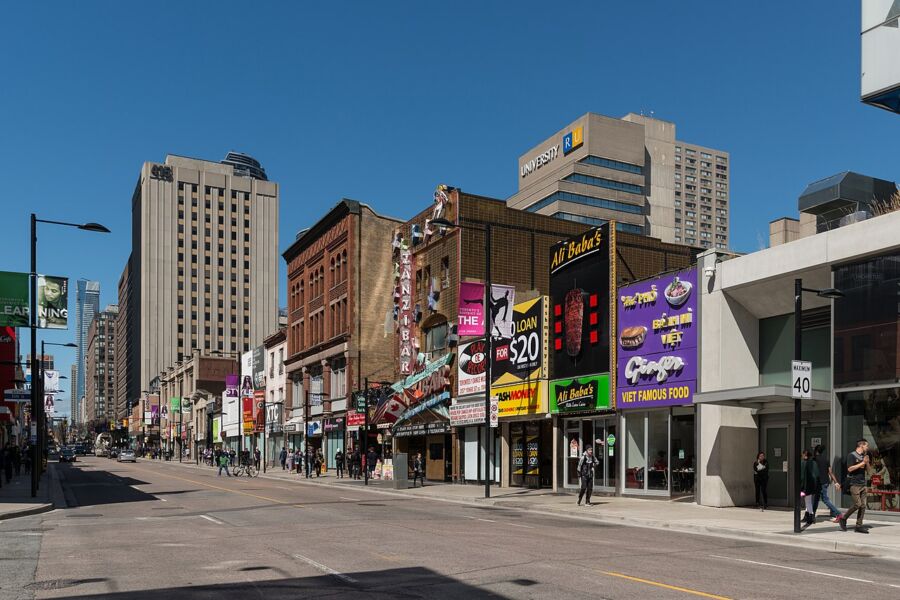
For European flavors, head to Little Italy and the cafes along Yonge Street. Expect fresh pasta, wood-fired pizza, proper espresso, and buttery French pastries. It’s an easy lunch or coffee stop to slot between neighborhoods.
Middle Eastern & African Flavors
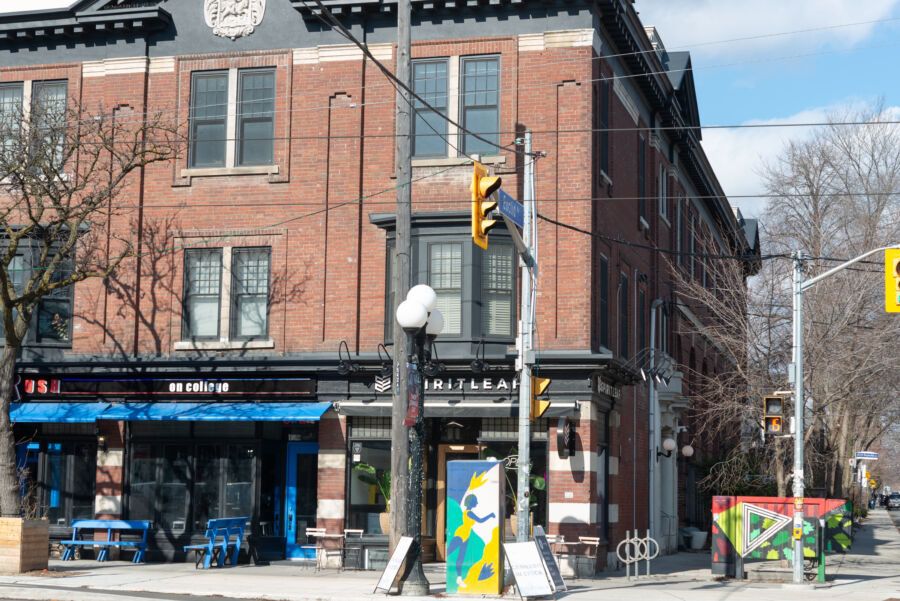
Toronto’s Middle Eastern and African restaurants round out the city’s global menu. Dishes like shawarma, falafel, and Ethiopian injera are widely available and affordable, adding another layer to a food-focused day.
Toronto’s Best Food Markets
Kensington Market: A Foodie’s Dream
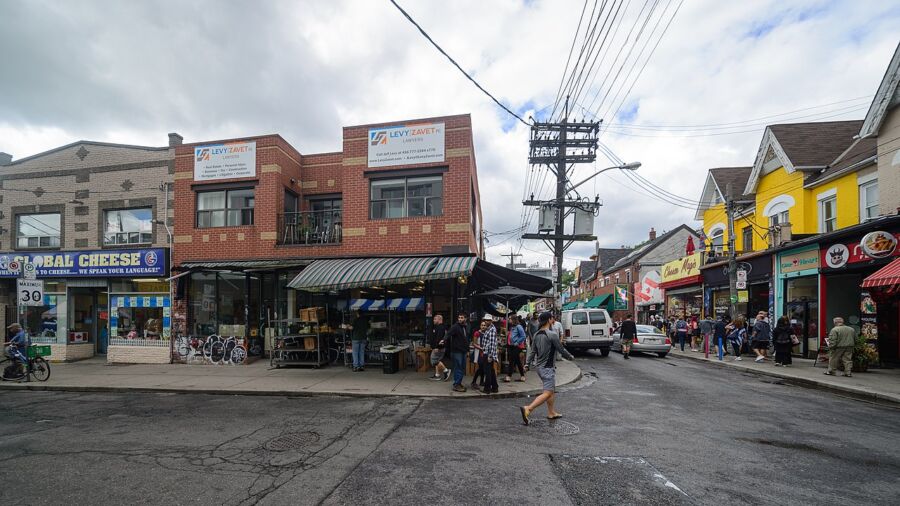
Kensington Market is one of the best food stops on any Toronto itinerary. This walkable neighborhood packs food stalls and global eats — tacos, empanadas, fresh produce, cheese, and coffee — into just a few blocks. Come hungry and graze your way through.
St. Lawrence Market: A Taste of History
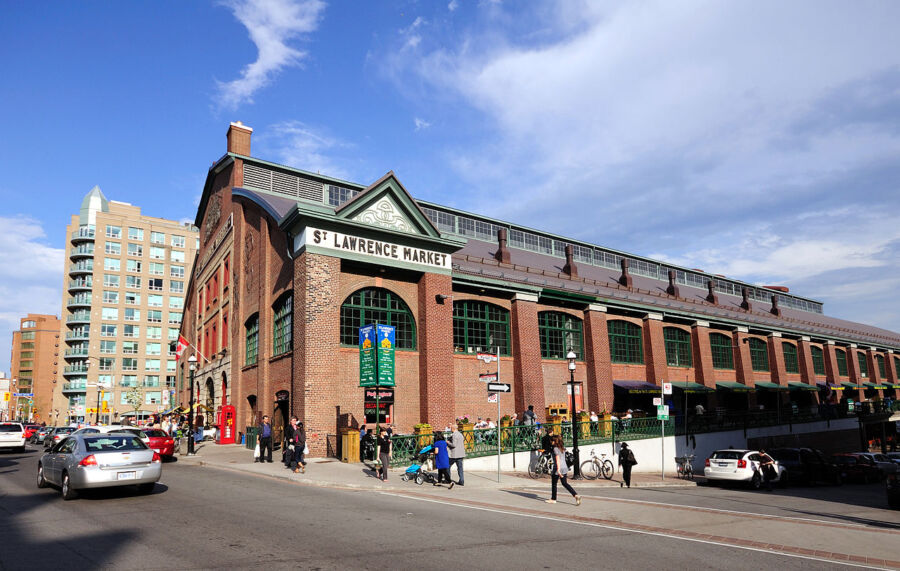
St. Lawrence Market, named the world’s best food market by National Geographic in 2012, is a must-visit. The historic hall is famous for its peameal bacon sandwiches, fresh seafood, and artisanal cheeses — making it an ideal lunch stop on a downtown day.
See Related: Ultimate Road Trip Guide for America’s 250th Birthday: Explore Historic Routes, Hidden Gems & Events
Best Neighborhoods to Add to Your Toronto Itinerary
Kensington Market: Bohemian Vibes & Vintage Shops
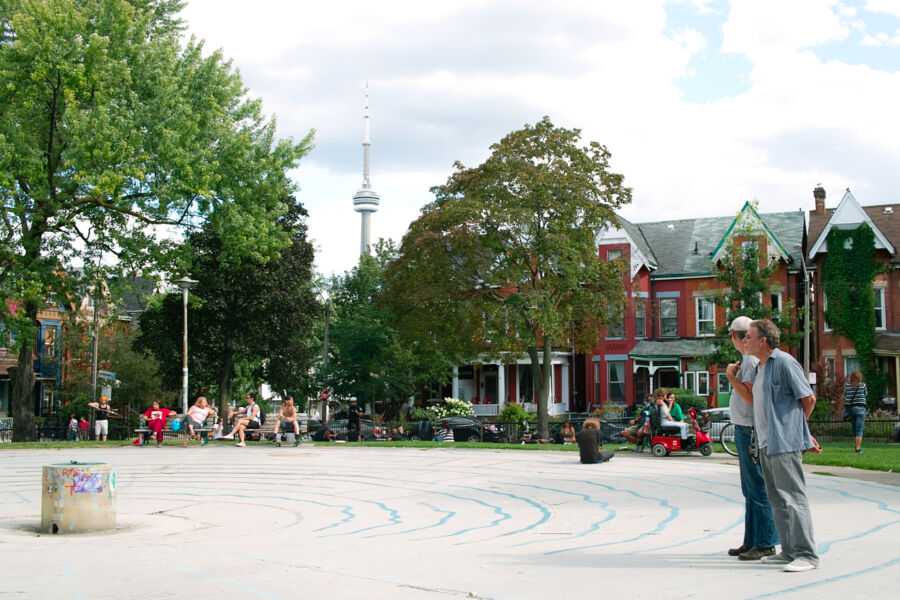
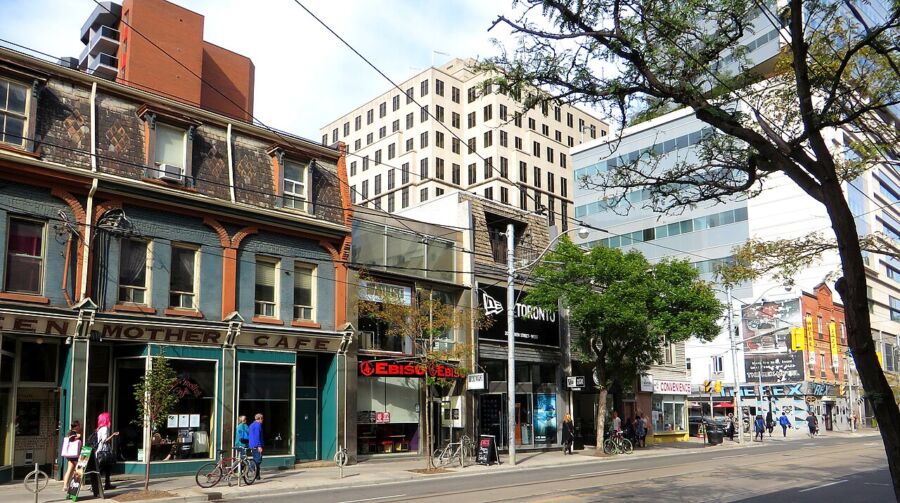
Beyond its food, Kensington Market is a bohemian neighborhood of vintage shops, indie boutiques, cafes, and colorful street art — an easy add to any walking itinerary and one of the most photogenic corners of the city.
Street Art & Vintage Finds
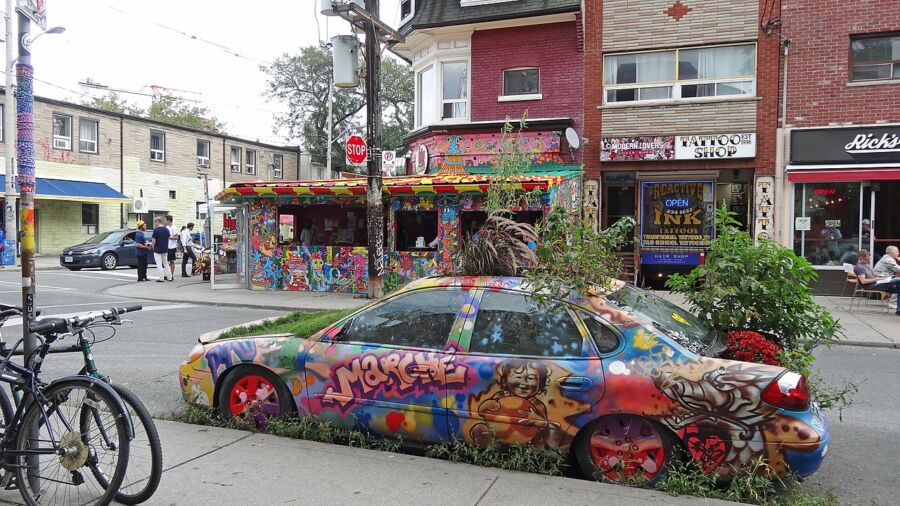
The murals and graffiti-covered storefronts make Kensington one of Toronto’s most photogenic streets. Browse the vintage shops for one-of-a-kind clothing, vinyl records, and retro finds you won’t see anywhere else.
Local Cafes & Boutiques
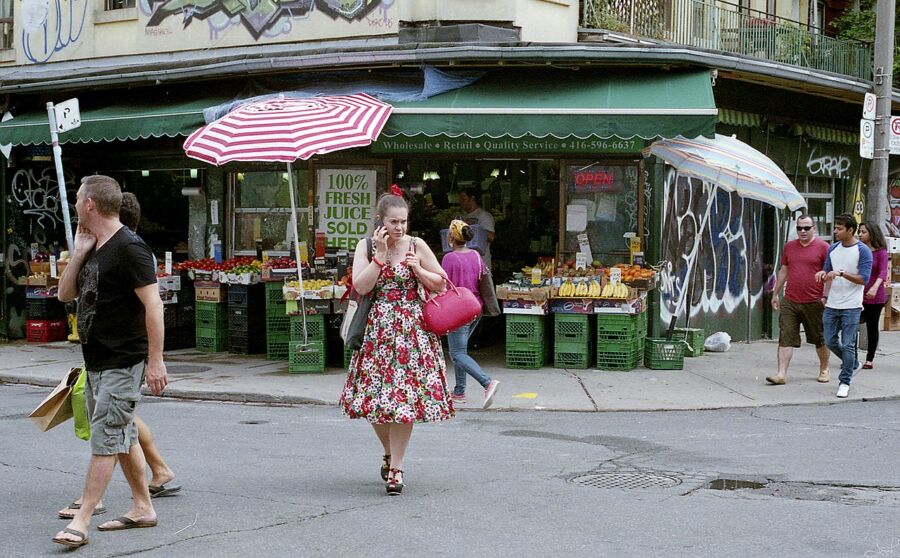
Independent cafes and handmade-goods boutiques line the streets, making Kensington a great spot to slow down, grab a coffee, and pick up souvenirs before moving on to your next stop.
The Distillery District: History Meets Modernity
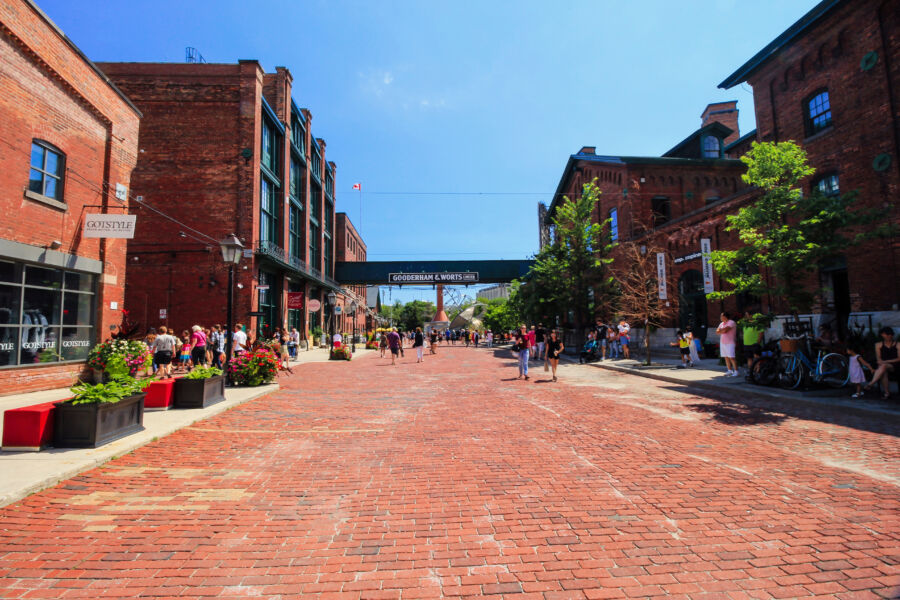
The Distillery District is a pedestrian-only neighborhood of restored Victorian industrial buildings, now home to galleries, boutiques, restaurants, and craft breweries. Its lanes are car-free, so it’s a relaxed, photo-friendly stop on your itinerary — and the site of Toronto’s beloved Christmas Market in winter.
Cobblestone Streets & Art Galleries
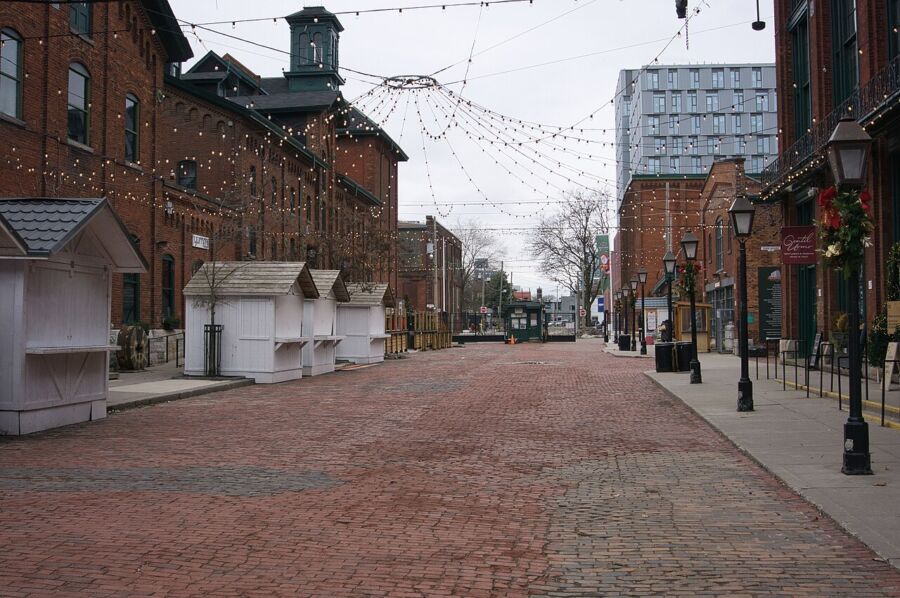
The preserved cobblestone streets and dozens of art galleries make the Distillery District one of Toronto’s most atmospheric areas. Wander the lanes, pop into studios, and grab a patio table when the weather cooperates.
Breweries & Distilleries: A Taste of Local Craft
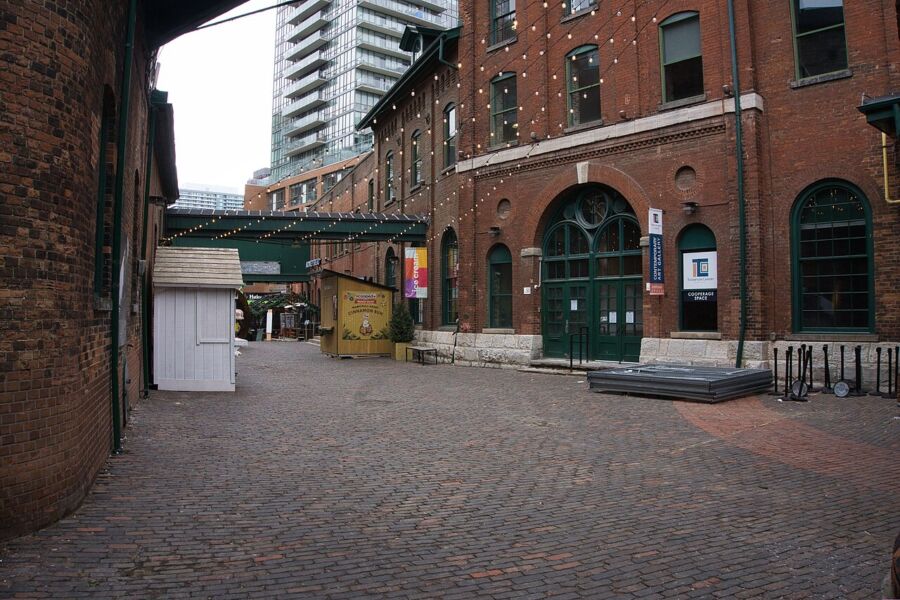
Craft breweries and distilleries in and around the district let you sample local beers and spirits made right in the city. It’s an easy way to cap off an afternoon of gallery-hopping before dinner.
Queen Street West: Toronto’s Art & Music Hub
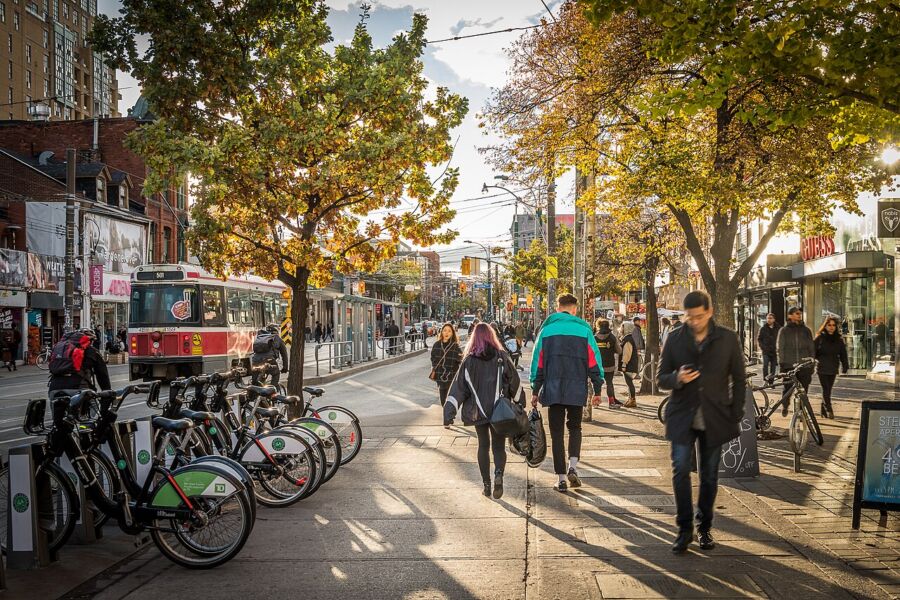
Queen Street West is the heartbeat of Toronto’s creative scene, packed with independent shops, galleries, and live-music venues. West Queen West is often ranked among the world’s coolest neighborhoods, and it’s an easy stretch to explore on foot.
Independent Shops & Art Studios
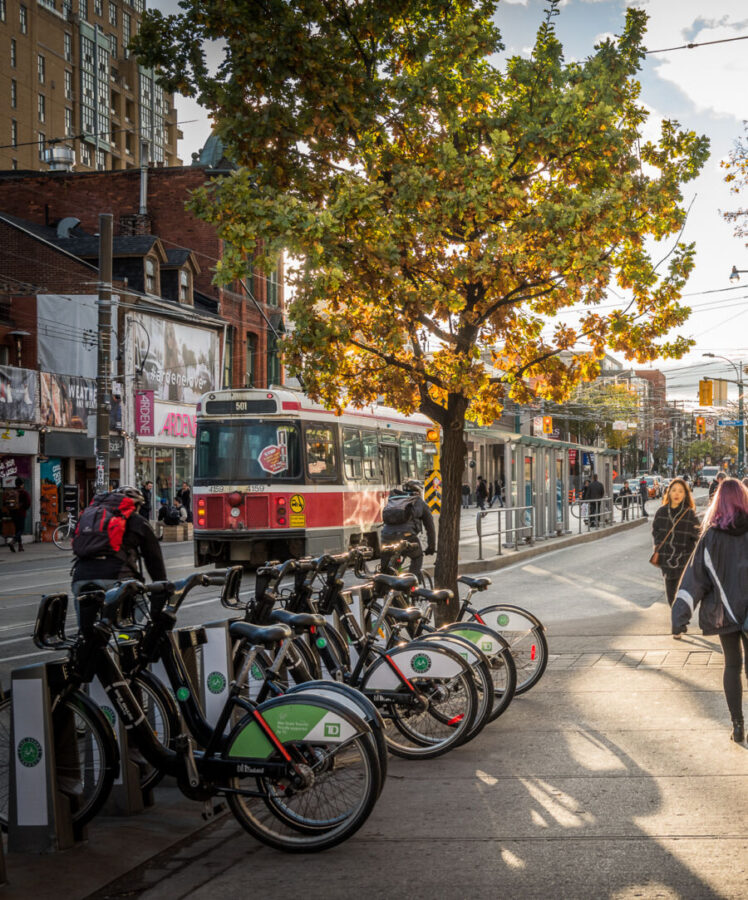
The independent shops and art studios along Queen Street West showcase the creativity of Toronto’s makers. Browse for unique fashion, design, and one-of-a-kind pieces between coffee stops.
Nightlife & Live Music Venues

After dark, Queen Street West comes alive with bars, clubs, and live-music venues. Build an evening here into your itinerary to catch an up-and-coming band or settle into a low-key cocktail bar.
Top Cultural Attractions & Landmarks in Toronto
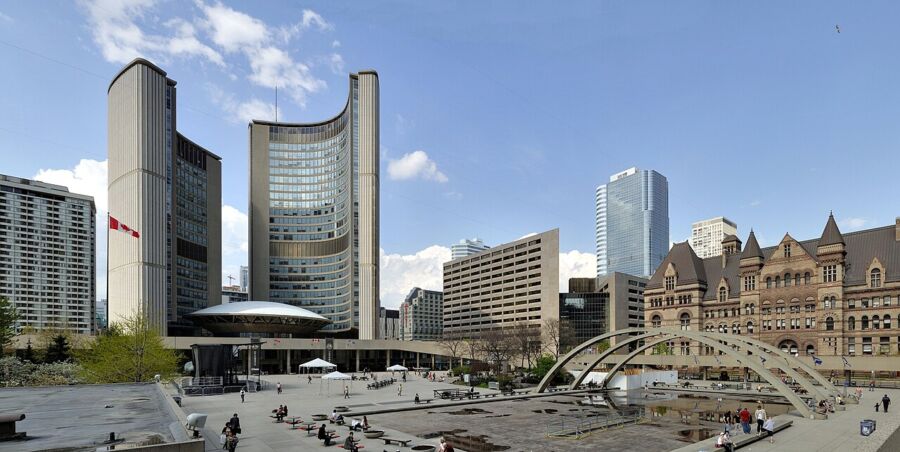
No Toronto itinerary is complete without its landmarks. The CN Tower — at 553 metres (1,815 ft), once the world’s tallest free-standing structure — defines the skyline and offers sweeping views of Lake Ontario from its observation deck and glass floor. Just north, snap the classic photo at the 3D Toronto sign in Nathan Phillips Square, in front of City Hall. Pair these with the city’s world-class museums and galleries.
Museums & Galleries Worth Your Time
Toronto’s museums offer a deep dive into art, history, and culture — and make the perfect rainy-day activity or slower afternoon on a longer itinerary.
The Royal Ontario Museum: A World of Wonders
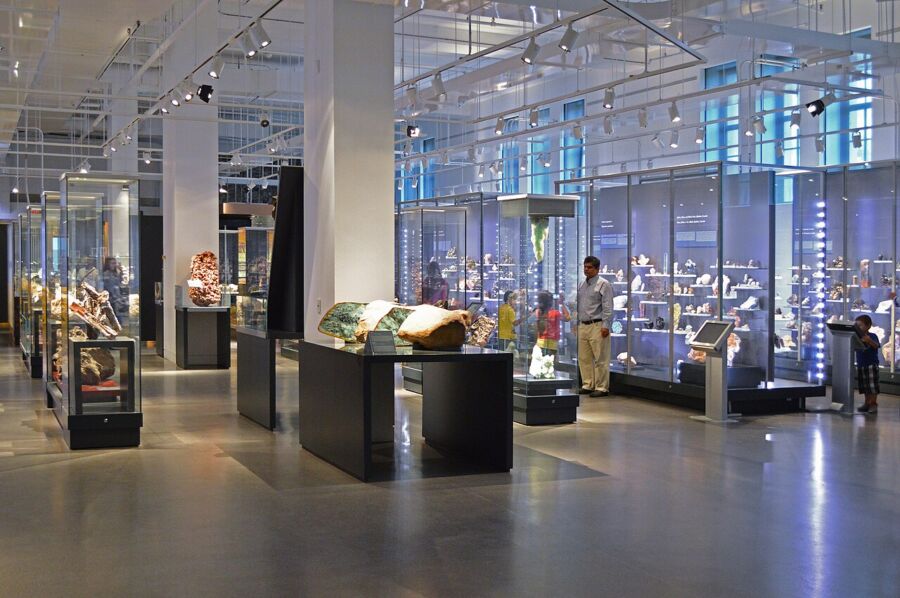
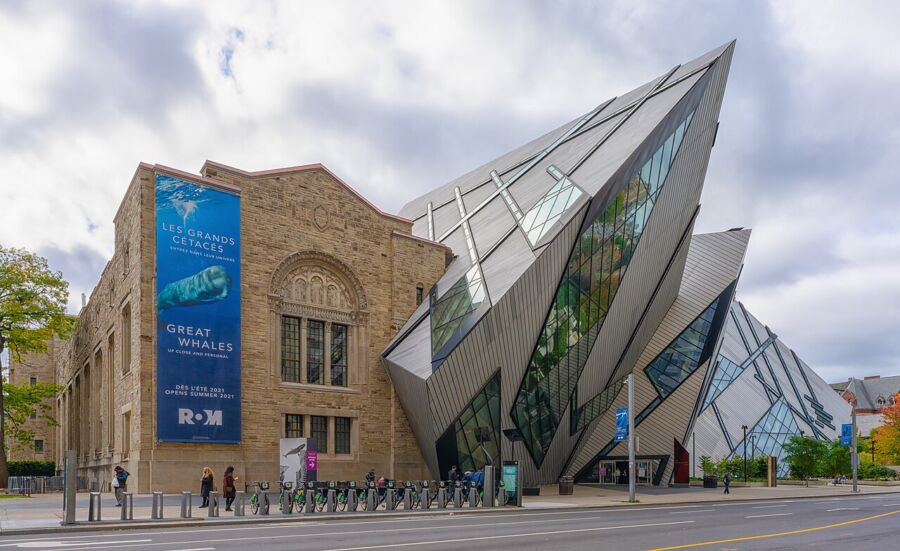
The Royal Ontario Museum (ROM) is the largest museum in Canada, with collections spanning natural history, world cultures, and dinosaurs. Its crystalline glass addition is a landmark in itself — plan two to three hours if you want to see the highlights.
The Art Gallery of Ontario: Masterpieces and Modern Art
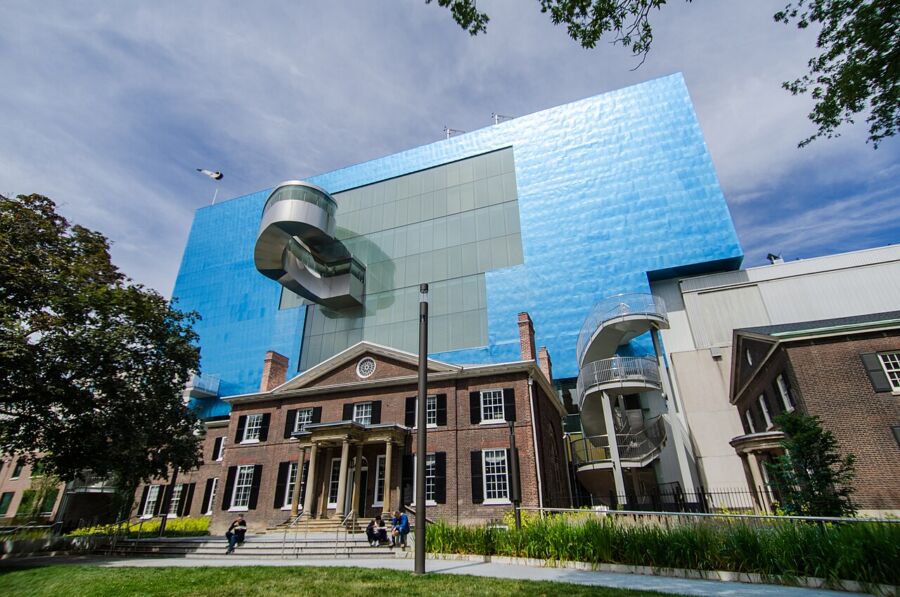
The Art Gallery of Ontario (AGO) holds one of North America’s most distinguished collections, including major Canadian works and a building partly redesigned by Frank Gehry. It’s a short walk from Chinatown and Kensington Market, so it pairs naturally with a west-end day.
Theatre & Live Performance
Toronto has one of the largest English-language theatre scenes in the world, after New York and London — a strong option for an evening on your itinerary. The Entertainment District downtown is the easiest place to catch a show.
The Toronto Theatre District: Broadway North
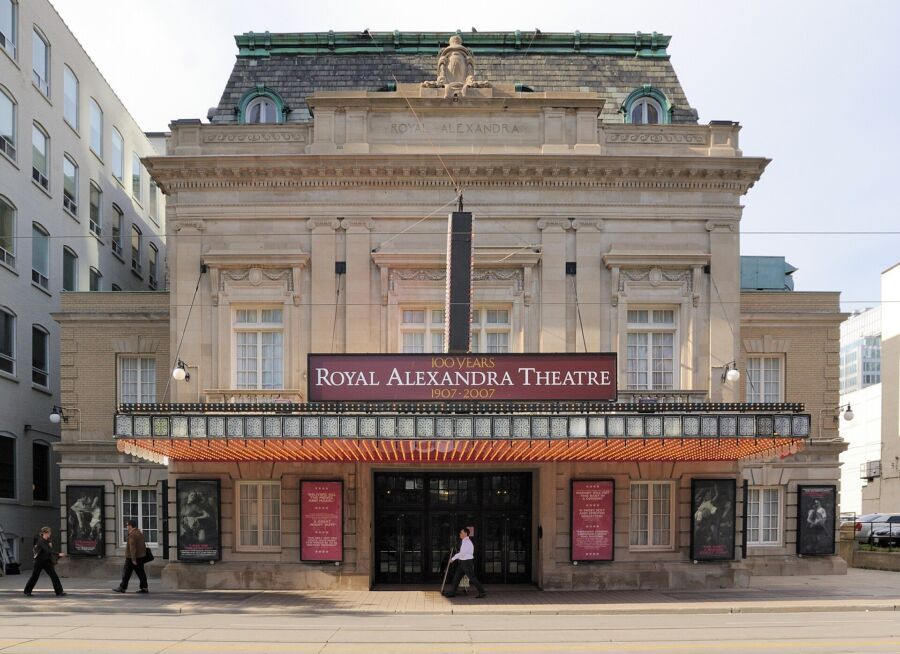
Nicknamed “Broadway North,” the Toronto Theatre District stages everything from touring Broadway musicals to classic plays at historic venues like the Royal Alexandra and Princess of Wales theatres. Book ahead for popular runs.
Local Theatres & Indie Performances
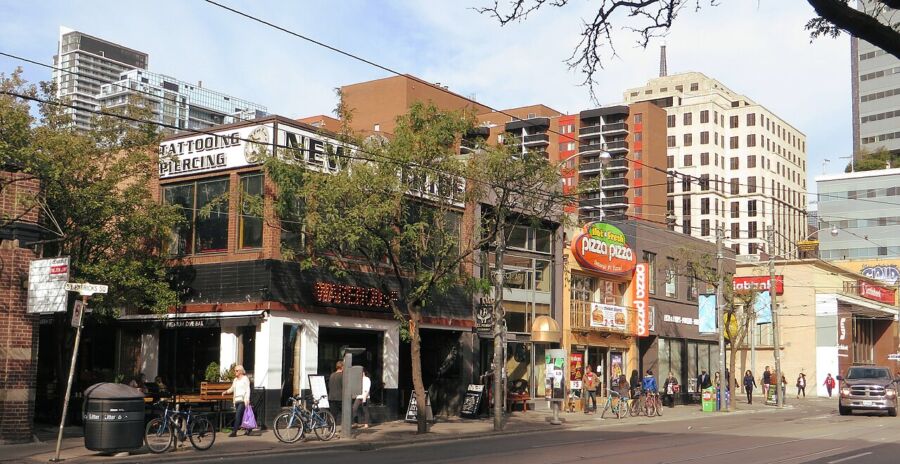
For something more intimate, the city’s smaller theatres and indie stages run experimental plays, comedy, and fringe performances — a fun, lower-cost alternative to the big musicals.
See Related: State Road Trip Cost: Affordable Adventure Under $5000
Parks, Beaches & Green Spaces in Toronto
Parks & Gardens
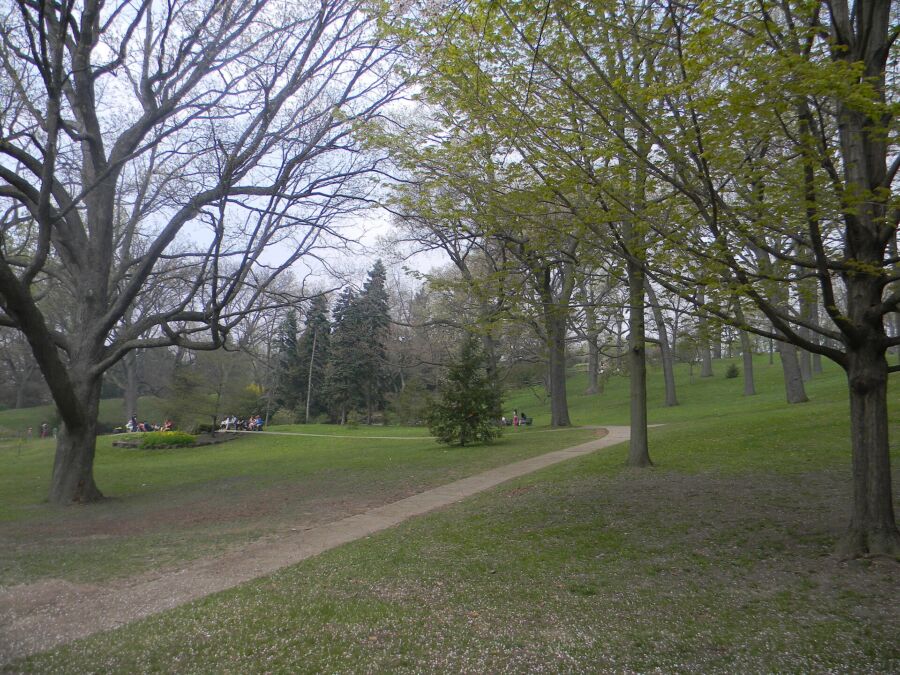
Toronto’s parks and waterfront are an easy way to balance a busy itinerary with some downtime — and most are reachable by transit in under 30 minutes.
High Park: Toronto’s Largest Park

High Park is Toronto’s largest public park, with walking trails, gardens, a small free zoo, and famous cherry blossoms each spring. It’s a relaxed half-day stop, especially if you’re visiting in late April or May.
Toronto Islands: A Quick Ferry Ride Away
A short ferry ride from downtown, the car-free Toronto Islands deliver the best skyline views in the city, plus beaches, bike paths, and picnic spots. The ferry leaves from the Jack Layton Ferry Terminal and is an easy half-day on any itinerary, especially in summer.
Waterfront & Beaches

Toronto’s Lake Ontario waterfront adds a touch of sun, sand, and serenity to any trip. Two beaches are especially easy to reach by transit.
Sugar Beach: A Downtown Escape

Sugar Beach, with its candy-pink umbrellas and Muskoka chairs, is a quirky urban beach steps from downtown on the harbourfront. It’s a quick, free stop to rest your feet between sights.
Woodbine Beach: A Local Favorite
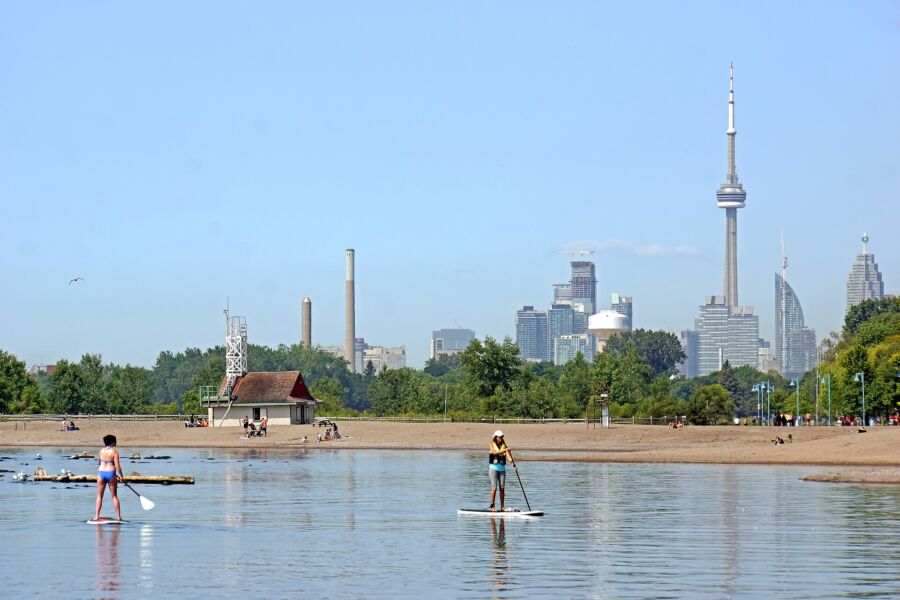
Woodbine Beach, in the laid-back Beaches neighborhood, is a Blue Flag beach popular for swimming, volleyball, and boardwalk strolls in summer. Pair it with a meal along Queen Street East.
Getting Around Toronto: TTC Transit Tips

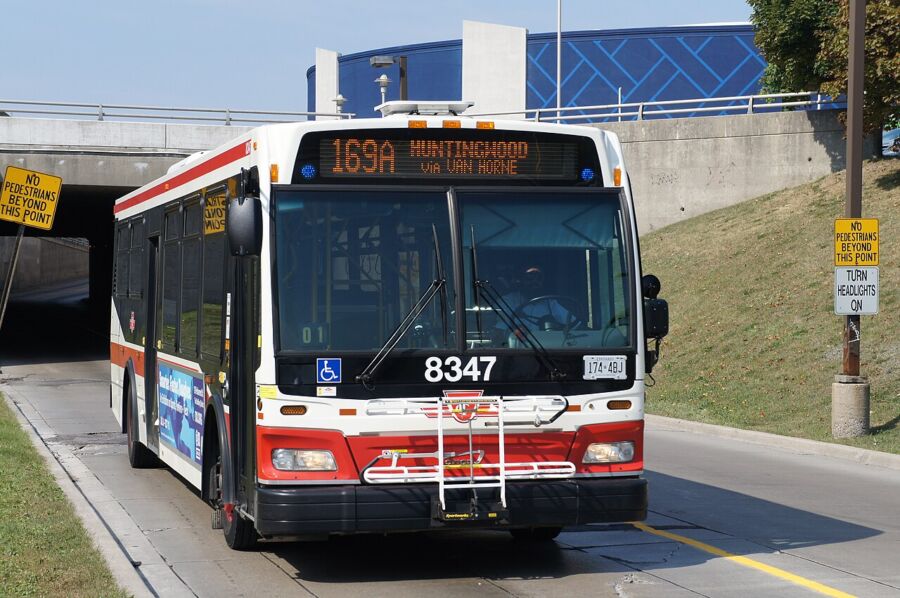
Toronto’s public transit, run by the TTC, is the easiest way to follow this itinerary without a car. Subways, streetcars, and buses all use a single fare system, so one trip across the network costs the same whether you transfer once or three times.
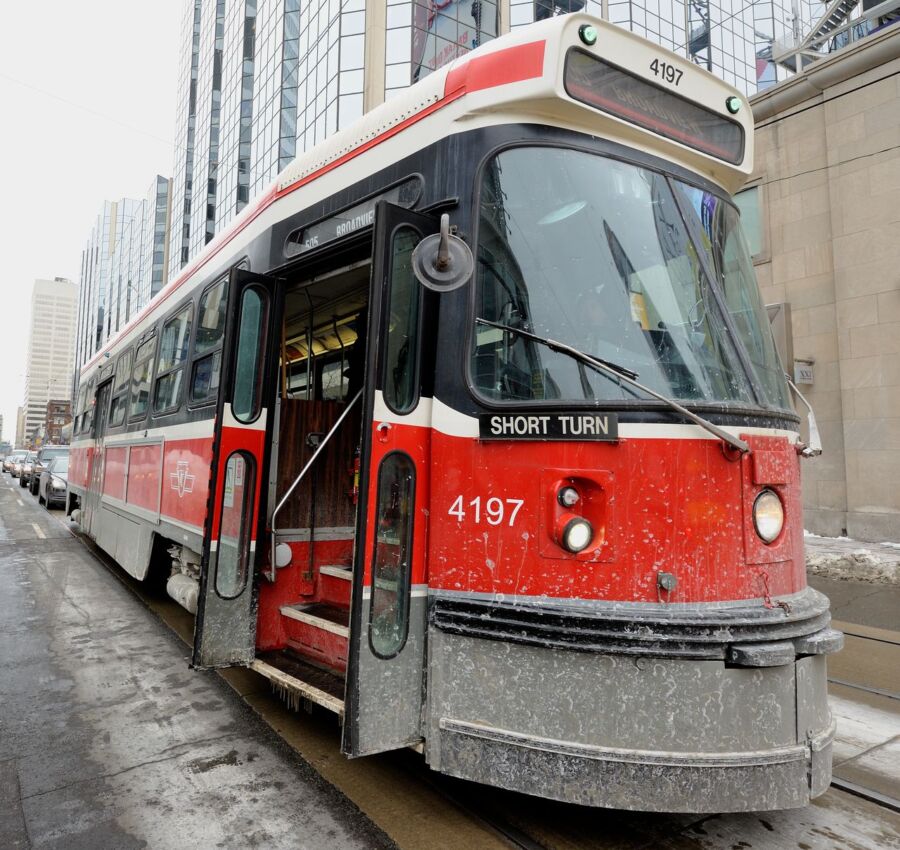
Two main subway lines cover most of downtown: Line 1 (Yonge–University) runs north–south, and Line 2 (Bloor–Danforth) runs east–west. The city’s iconic red streetcars handle major surface routes along Queen, King, and Dundas, so you’re rarely far from a stop.
Transit Tips to Save Time & Money
Grab a PRESTO card or a day pass for unlimited rides — it’s cheaper than paying per trip if you’re sightseeing all day. Transfers between subway, streetcar, and bus are free within a two-hour window, and Google Maps gives reliable real-time TTC directions for planning each leg of your itinerary.
Is Toronto Safe & Clean? What Visitors Should Know
A Clean, Well-Kept City

Toronto is known for being clean and well-kept, with tidy public spaces, abundant parks, and a city-wide Bike Share program that makes short hops easy. Visitors regularly note how livable and orderly the downtown core feels.
Safety for First-Time Visitors
Toronto is consistently ranked among the safest large cities in North America, which makes it especially welcoming for first-time and solo travelers. Use normal big-city common sense — keep an eye on your belongings and stick to well-lit areas at night — and you’ll feel comfortable exploring day or evening.
See Related: Best Winter Destinations in the US: Snowy Escapes You Can’t Miss
Sample Toronto Itinerary: How to Spend 1, 2 or 3 Days
Short on time? Here’s how to structure a Toronto itinerary depending on how many days you have. Mix and match the stops above to match your pace.
| Day | Morning | Afternoon | Evening |
|---|---|---|---|
| Day 1 | CN Tower & Harbourfront | St. Lawrence Market lunch + Distillery District | Dinner & nightlife on Queen Street West |
| Day 2 | Royal Ontario Museum (ROM) | Kensington Market + Chinatown + AGO | Show in the Theatre District |
| Day 3 | Ferry to the Toronto Islands | High Park or the Beaches | Optional day trip to Niagara Falls |
One Day in Toronto
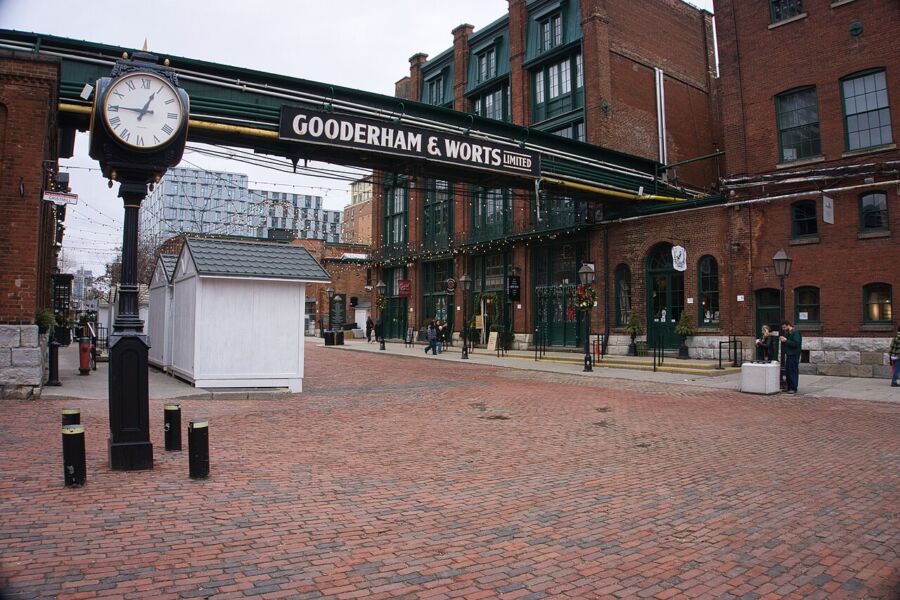
With one day in Toronto, focus on downtown. Start with the CN Tower for skyline views, walk to St. Lawrence Market for lunch, then spend the afternoon wandering the cobblestone lanes of the Distillery District before dinner on Queen Street West.
Two to Three Days in Toronto
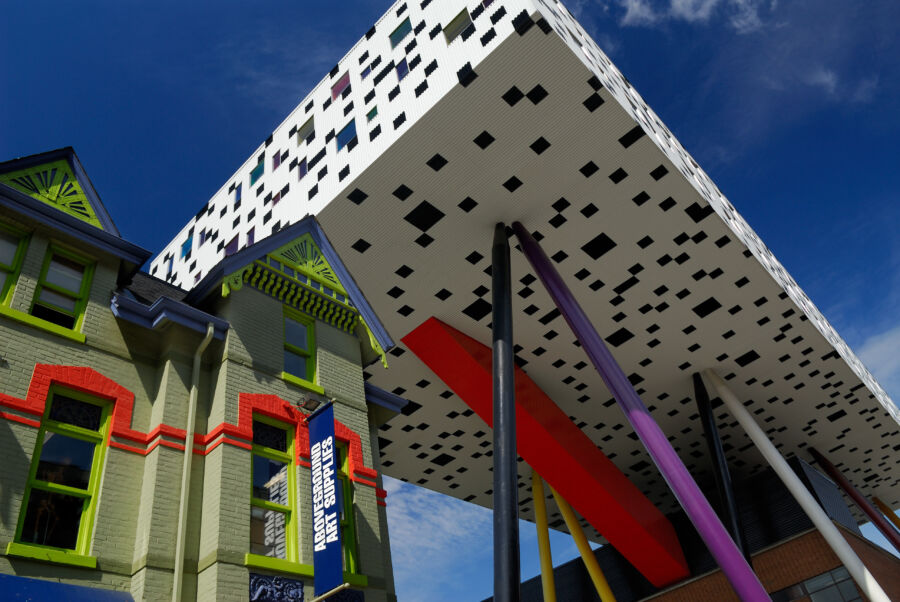
With two or three days, add Kensington Market and Queen Street West, a museum like the ROM or AGO, and a ferry to the Toronto Islands. A third day leaves room for a day trip to Niagara Falls, about 90 minutes away. If you have extra time, work in Casa Loma, the Hockey Hall of Fame, Ripley’s Aquarium, or a Blue Jays game at Rogers Centre.
Final Thoughts on Your Toronto Trip
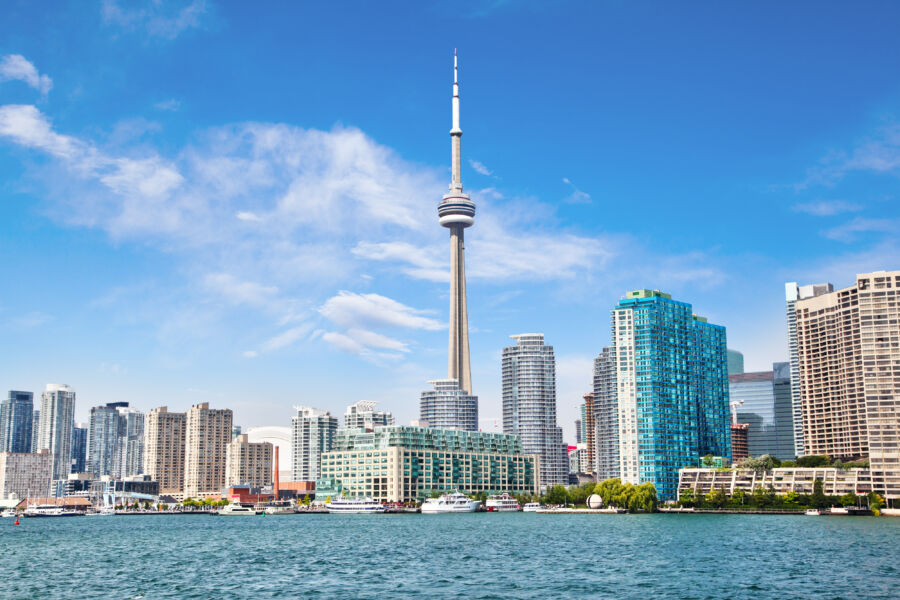
Toronto rewards travelers who mix its big landmarks with its neighborhoods, markets, and waterfront. Whether you have a single day or a long weekend, this Toronto itinerary gives you a flexible framework to build the trip you want — heavy on food, culture, or the outdoors depending on your taste.
Pack comfortable walking shoes, grab a PRESTO card, and you’ll be ready to explore one of North America’s most diverse and welcoming cities.
Toronto Itinerary FAQs
How many days do you need for a Toronto itinerary?
Two to three days is enough to see Toronto’s highlights. One day covers downtown landmarks like the CN Tower, St. Lawrence Market, and the Distillery District, while a second and third day add the neighborhoods, museums, the Toronto Islands, and an optional day trip to Niagara Falls.
What is the best time to visit Toronto?
The best time to visit Toronto is late spring through early fall (May to October), when the weather is warm, patios and festivals are in full swing, and the Toronto Islands ferry is running. Spring brings cherry blossoms in High Park, while winter offers the Distillery District Christmas Market.
Do I need a car to visit Toronto?
No. The TTC public transit system—including subways, streetcars, and buses—makes it very easy to navigate the city without a rental car. The Union Pearson Express also connects the airport to downtown in about 25 minutes.
Is Toronto safe for tourists?
Yes. Toronto is consistently ranked among the safest major cities in North America, which makes it very welcoming for first-time and solo travelers. Standard big-city precautions—watching your belongings and sticking to well-lit areas at night—are all you need.
What are the must-visit neighborhoods in Toronto?
Must-visit neighborhoods in Toronto include Kensington Market, the Distillery District, and Queen Street West. Each offers a unique blend of culture, food, art, and history, and all are easy to reach by transit or on foot.
What are the top cultural attractions in Toronto?
Top cultural attractions in Toronto include the CN Tower, the Royal Ontario Museum (ROM), the Art Gallery of Ontario (AGO), and the Toronto Theatre District. Together they cover the city’s landmarks, art, history, and live performance.
What are the best food markets in Toronto?
The best food markets in Toronto are Kensington Market and St. Lawrence Market. St. Lawrence Market was named the world’s best food market by National Geographic in 2012, while Kensington Market offers global street food across a few walkable blocks.
What are the best parks and green spaces in Toronto?
The best parks and green spaces in Toronto include High Park (the city’s largest park), the car-free Toronto Islands, and waterfront spots like Sugar Beach and Woodbine Beach. All offer a peaceful break from the downtown core.