
Fish Market
About Fish Market
Description
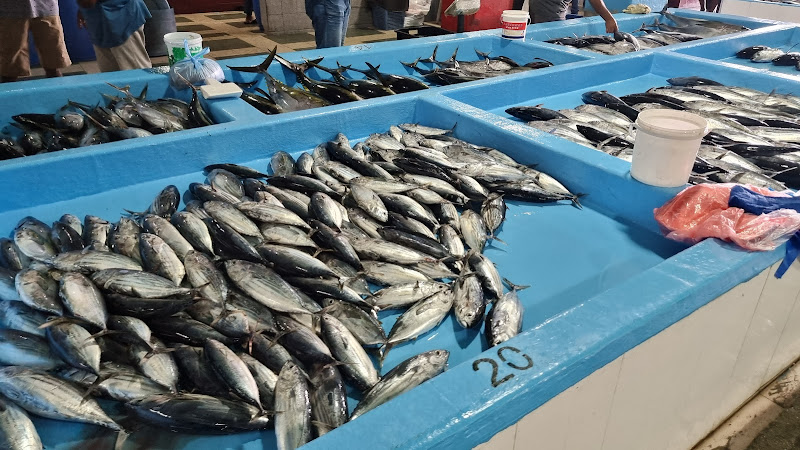
The Fish Market in Malé is one of those places that feels alive in every sense of the word. It’s not polished or fancy, and that’s exactly what makes it so fascinating. Here, fishermen haul in their daily catch—gleaming tuna, reef fish, and the occasional surprise from the deep—laying them out on cool, tiled floors that have seen decades of trade and chatter. The air hums with the rhythm of bargaining, laughter, and the occasional splash of seawater. It’s a raw, authentic slice of island life that tells you more about the Maldives than any postcard ever could.
Walking through the market, you’ll notice how time seems to move differently. There’s no rush, no pretense—just honest work and community. The smell of salt and fresh fish mingles with the faint aroma of spice from nearby stalls. Locals move with purpose, inspecting the catch, chatting in Dhivehi, and occasionally flashing a grin at curious travelers. It’s not uncommon to see a fisherman proudly holding up a massive tuna, explaining how it was caught just hours ago. I still remember the first time I saw that—it made me realize how deeply the sea shapes life here.
Now, it’s not a place for everyone. If you’re squeamish about fish or strong smells, you might hesitate at first. But if you’re curious, if you want to see the Maldives beyond its resorts and turquoise lagoons, this market is pure gold. It’s gritty, real, and full of stories. And honestly, that’s what travel should be about—getting a little out of your comfort zone and discovering something genuine.
Key Features
- Authentic local experience: Watch fishermen bring in their fresh catches straight from the sea, often still glistening with saltwater.
- Fresh seafood selection: Tuna, snapper, grouper, and more—some of the freshest fish you’ll ever see, often caught just hours before.
- Traditional trading atmosphere: Observe locals negotiating prices and sharing stories, a cultural exchange that’s been happening for generations.
- Onsite services: Fish cleaning and preparation available right at the stalls, making it easy to take your purchase to nearby eateries for cooking.
- Payment convenience: Accepts debit cards and NFC mobile payments, which is a pleasant surprise in such a traditional setting.
- Cultural insight: A perfect spot for photographers and culture enthusiasts wanting to capture everyday Maldivian life.
Best Time to Visit
The best time to visit the Fish Market is in the late morning, just after the fishermen return from their early trips. Around 10 or 11 a.m., the market is in full swing—stalls are piled high with fresh catches, and the energy is contagious. If you go too early, you might catch the setup; too late, and the best fish will already be gone. I’ve been there both times, and trust me, mid-morning is the sweet spot.
Weather-wise, the dry season (from November to April) makes for a more comfortable experience—the humidity is lower, and the sea breeze feels amazing. But there’s something oddly charming about visiting during the monsoon months too. The rain pattering on the tin roof, the fishermen laughing through the drizzle—it’s all part of the experience. Just bring a light raincoat if you go then.
How to Get There
Getting to the Fish Market is quite straightforward if you’re staying in Malé or nearby islands. Most travelers arrive by ferry or speedboat from the airport or resort islands. Once you’re in the city, the market is within walking distance of the main jetty area and other local attractions. You’ll probably smell the sea before you even see the market—it’s that close to the harbor.
If you’re not up for walking, taxis are easy to find and reasonably priced. Just tell the driver you’re heading to the Fish Market; everyone knows it. For the more adventurous, renting a bicycle can be a fun way to explore the narrow streets of Malé, though traffic can be a bit chaotic at times. Personally, I prefer walking—it gives you a chance to stumble upon small tea shops and chat with locals along the way.
Tips for Visiting
Visiting the Fish Market can be a sensory overload, but in the best way possible. Here are a few tips to make your experience smoother—and a little more memorable:
- Go early or mid-morning: That’s when the freshest catches arrive, and you’ll see the market at its liveliest.
- Dress comfortably: It can get warm and a bit slippery on the tiled floors, so wear light clothing and non-slip shoes.
- Ask before taking photos: Most vendors are friendly, but it’s polite to ask first. A smile goes a long way here.
- Bring small cash: Even though cards are accepted, smaller stalls often prefer cash for quick transactions.
- Stay open-minded: The market isn’t spotless, but that’s part of its charm. You’re witnessing real life, not a staged attraction.
- Try the nearby eateries: Some local restaurants will cook your chosen fish for a small fee—fresh doesn’t get fresher than that.
- Mind your step: The floors can be wet, especially near the cleaning areas, so walk carefully.
- Engage with locals: Don’t be shy. Ask about the fish, their names, or how they’re cooked. You might even get a recipe or two out of it.
And here’s a little personal tip—if you’re into photography, bring your camera but skip the flash. The natural light filtering through the open roof gives everything a soft glow that’s almost cinematic. I once spent an hour just capturing the reflections of fish scales on the wet tiles. Sounds odd, I know, but it was oddly beautiful.
For travelers who often stick to beaches and resorts, the Fish Market offers a refreshing change of pace. It’s one of those places that reminds you that the Maldives isn’t just about luxury—it’s about people, tradition, and the sea that sustains them. Whether you stay for ten minutes or an hour, you’ll walk away with a deeper appreciation of the island’s heartbeat.
In the end, the Fish Market isn’t trying to impress anyone—it just exists, doing what it’s always done. And maybe that’s what makes it so special. It’s a reminder that authenticity doesn’t need polish; it just needs to be real.
Key Features
- Key Features
- Best Time to Visit
- How to Get There
- Tips for Visiting
More Details
Updated October 8, 2025
Table of Contents
Description
The Fish Market in Malé is one of those places that feels alive in every sense of the word. It’s not polished or fancy, and that’s exactly what makes it so fascinating. Here, fishermen haul in their daily catch—gleaming tuna, reef fish, and the occasional surprise from the deep—laying them out on cool, tiled floors that have seen decades of trade and chatter. The air hums with the rhythm of bargaining, laughter, and the occasional splash of seawater. It’s a raw, authentic slice of island life that tells you more about the Maldives than any postcard ever could.
Walking through the market, you’ll notice how time seems to move differently. There’s no rush, no pretense—just honest work and community. The smell of salt and fresh fish mingles with the faint aroma of spice from nearby stalls. Locals move with purpose, inspecting the catch, chatting in Dhivehi, and occasionally flashing a grin at curious travelers. It’s not uncommon to see a fisherman proudly holding up a massive tuna, explaining how it was caught just hours ago. I still remember the first time I saw that—it made me realize how deeply the sea shapes life here.
Now, it’s not a place for everyone. If you’re squeamish about fish or strong smells, you might hesitate at first. But if you’re curious, if you want to see the Maldives beyond its resorts and turquoise lagoons, this market is pure gold. It’s gritty, real, and full of stories. And honestly, that’s what travel should be about—getting a little out of your comfort zone and discovering something genuine.
Key Features
- Authentic local experience: Watch fishermen bring in their fresh catches straight from the sea, often still glistening with saltwater.
- Fresh seafood selection: Tuna, snapper, grouper, and more—some of the freshest fish you’ll ever see, often caught just hours before.
- Traditional trading atmosphere: Observe locals negotiating prices and sharing stories, a cultural exchange that’s been happening for generations.
- Onsite services: Fish cleaning and preparation available right at the stalls, making it easy to take your purchase to nearby eateries for cooking.
- Payment convenience: Accepts debit cards and NFC mobile payments, which is a pleasant surprise in such a traditional setting.
- Cultural insight: A perfect spot for photographers and culture enthusiasts wanting to capture everyday Maldivian life.
Best Time to Visit
The best time to visit the Fish Market is in the late morning, just after the fishermen return from their early trips. Around 10 or 11 a.m., the market is in full swing—stalls are piled high with fresh catches, and the energy is contagious. If you go too early, you might catch the setup; too late, and the best fish will already be gone. I’ve been there both times, and trust me, mid-morning is the sweet spot.
Weather-wise, the dry season (from November to April) makes for a more comfortable experience—the humidity is lower, and the sea breeze feels amazing. But there’s something oddly charming about visiting during the monsoon months too. The rain pattering on the tin roof, the fishermen laughing through the drizzle—it’s all part of the experience. Just bring a light raincoat if you go then.
How to Get There
Getting to the Fish Market is quite straightforward if you’re staying in Malé or nearby islands. Most travelers arrive by ferry or speedboat from the airport or resort islands. Once you’re in the city, the market is within walking distance of the main jetty area and other local attractions. You’ll probably smell the sea before you even see the market—it’s that close to the harbor.
If you’re not up for walking, taxis are easy to find and reasonably priced. Just tell the driver you’re heading to the Fish Market; everyone knows it. For the more adventurous, renting a bicycle can be a fun way to explore the narrow streets of Malé, though traffic can be a bit chaotic at times. Personally, I prefer walking—it gives you a chance to stumble upon small tea shops and chat with locals along the way.
Tips for Visiting
Visiting the Fish Market can be a sensory overload, but in the best way possible. Here are a few tips to make your experience smoother—and a little more memorable:
- Go early or mid-morning: That’s when the freshest catches arrive, and you’ll see the market at its liveliest.
- Dress comfortably: It can get warm and a bit slippery on the tiled floors, so wear light clothing and non-slip shoes.
- Ask before taking photos: Most vendors are friendly, but it’s polite to ask first. A smile goes a long way here.
- Bring small cash: Even though cards are accepted, smaller stalls often prefer cash for quick transactions.
- Stay open-minded: The market isn’t spotless, but that’s part of its charm. You’re witnessing real life, not a staged attraction.
- Try the nearby eateries: Some local restaurants will cook your chosen fish for a small fee—fresh doesn’t get fresher than that.
- Mind your step: The floors can be wet, especially near the cleaning areas, so walk carefully.
- Engage with locals: Don’t be shy. Ask about the fish, their names, or how they’re cooked. You might even get a recipe or two out of it.
And here’s a little personal tip—if you’re into photography, bring your camera but skip the flash. The natural light filtering through the open roof gives everything a soft glow that’s almost cinematic. I once spent an hour just capturing the reflections of fish scales on the wet tiles. Sounds odd, I know, but it was oddly beautiful.
For travelers who often stick to beaches and resorts, the Fish Market offers a refreshing change of pace. It’s one of those places that reminds you that the Maldives isn’t just about luxury—it’s about people, tradition, and the sea that sustains them. Whether you stay for ten minutes or an hour, you’ll walk away with a deeper appreciation of the island’s heartbeat.
In the end, the Fish Market isn’t trying to impress anyone—it just exists, doing what it’s always done. And maybe that’s what makes it so special. It’s a reminder that authenticity doesn’t need polish; it just needs to be real.
Key Highlights
- Key Features
- Best Time to Visit
- How to Get There
- Tips for Visiting
Location
Places to Stay Near Fish Market
Find and Book a Tour
Explore More Travel Guides
No reviews found! Be the first to review!
Traveler Reviews for Fish Market
There are no reviews yet. Be the first one to write one.
Have you visited Fish Market? Help other travelers by sharing your review.
You Might Also Like
Lonuziyaaraiy Park
Rasfannu

Malé
Find Accommodations Nearby
Recommended Tours & Activities
Visitor Reviews
There are no reviews yet. Be the first one to write one.
Share Your Experience
Have you visited Fish Market? Help other travelers by leaving a review.