
Maseru West
About Maseru West
Description
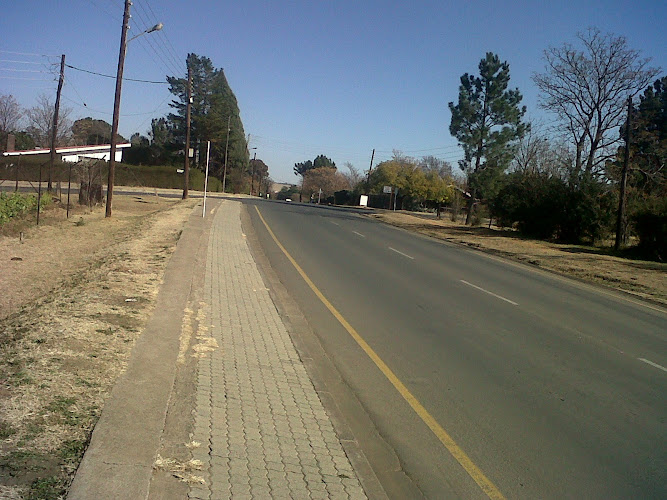
Maseru West, a charming suburb of Lesotho’s capital city, Maseru, blends modern city life with a calm, almost laid-back residential feel. It’s the kind of place that sneaks up on you — not flashy or loud, but quietly confident. The streets are lined with tidy homes, small local shops, and a few cozy restaurants where you can grab a hearty Basotho meal or a good cup of coffee. It’s one of those neighborhoods that feels both lived-in and welcoming, where locals greet you with a nod and a smile, and you start to feel like part of the rhythm after just a day or two.
I remember the first time I wandered through Maseru West on a lazy Sunday afternoon — the air smelled faintly of grilled meat from a nearby braai spot, and kids were playing soccer in the dusty open lot near the main road. It felt real, authentic, and somehow grounding. You won’t find the chaos of big tourist hubs here, but that’s exactly what makes it special. It’s a slice of everyday Lesotho life, with a few surprises tucked away if you take the time to look.
The suburb is also known for being relatively safe and organized compared to some busier parts of the city. You’ll find embassies, government offices, and a few upscale guesthouses scattered around, giving it a slightly more polished edge. But don’t expect glitz — Maseru West is all about balance. It’s where business travelers and curious wanderers cross paths, both drawn by the area’s understated charm and accessibility.
Key Features
- Local Dining: Small restaurants and cafés serving traditional Basotho dishes, South African favorites, and international cuisine.
- Shopping Spots: A mix of local markets and modern stores where you can pick up handmade crafts, clothing, and souvenirs.
- Accessibility: Close to Maseru’s central business district, making it easy to get around without much hassle.
- Accommodation: A range of guesthouses and boutique hotels offering comfort and local hospitality.
- Community Feel: Friendly residents and a safe environment that make it easy to explore on foot.
- Proximity to Attractions: Just a short drive from Thaba-Bosiu National Monument, the Royal Palace, and the Basotho Hat craft center.
What I personally love about Maseru West is how it feels almost like a bridge between old and new. You can sip a cappuccino at a modern café in the morning and then walk a few blocks to find a local market selling woven baskets and hand-carved walking sticks. It’s that mix — the collision of the contemporary and the traditional — that gives the suburb its quiet character.
Best Time to Visit
If you’re planning a trip to Maseru West, timing matters more than you might think. The best time to visit is during the dry months, roughly from April to September. The weather is mild, the skies are clear, and you can wander comfortably without worrying about sudden downpours. I’ve been in Maseru during the rainy season — let’s just say the streets can get a little muddy, and those afternoon storms roll in fast.
Winter (June to August) in Lesotho can be surprisingly chilly, especially in the evenings, but it’s also when the air feels crisp and clean. It’s perfect for long walks or quiet evenings at a guesthouse terrace with a warm drink. On the other hand, if you enjoy a bit of green scenery and don’t mind occasional rain, the summer months (October to March) bring lush landscapes and vibrant local markets bursting with fresh produce.
And here’s a tip — if you happen to visit around Independence Day in October, Maseru West becomes livelier than usual. You’ll see flags, parades, and people celebrating in the streets. It’s a great time to experience local pride and community spirit up close.
How to Get There
Getting to Maseru West is pretty straightforward. The suburb sits just west of Maseru’s city center, so you won’t need to travel far. From Moshoeshoe I International Airport, it’s about a 30-minute drive depending on traffic. Taxis are readily available, though I’d recommend arranging one through your accommodation for convenience and safety.
If you’re coming from South Africa, the Maseru Bridge border post is your entry point. Once you cross, it’s only a short drive to Maseru West — maybe 10 minutes on a good day. The roads are in decent shape, though you’ll want to keep an eye out for pedestrians and the occasional wandering goat (yes, really).
Public transport exists, but it’s not always the easiest option for travelers unfamiliar with local routes. Minibus taxis run frequently, but they can be crowded. If you’re the adventurous type, though, hopping on one can be a fun way to experience daily life and chat with locals. Just remember, things move at their own pace here — no one’s in a rush, and that’s part of the charm.
Tips for Visiting
Visiting Maseru West isn’t complicated, but a few local insights can make your stay smoother and more enjoyable. First off, cash is still king. While some hotels and restaurants accept cards, smaller shops and local eateries often don’t. Keep some Lesotho loti or South African rand on hand — both are widely accepted.
Dress comfortably and modestly, especially if you plan to explore beyond the main streets. The weather can shift from warm afternoons to cool evenings quickly, so layering is your best friend. And don’t forget sunscreen — the altitude here means the sun can be deceptively strong.
If you enjoy meeting locals, strike up conversations. Basotho people are warm and curious, and they often appreciate visitors taking interest in their culture. I once ended up being invited to a family lunch after chatting with a shopkeeper about traditional blankets — one of those spontaneous travel moments that stick with you forever.
For photographers, early mornings and late afternoons are golden. The light hits the surrounding hills just right, casting long shadows and a soft glow that makes even the simplest scenes — like laundry fluttering on a line — look poetic. And if you’re into local crafts, make sure to visit a few small artisan stalls. You’ll find beautifully woven baskets, intricate beadwork, and handmade pottery that tell stories of Lesotho’s heritage.
Another practical tip: Wi-Fi can be spotty in some areas, so download maps or information ahead of time. And while Maseru West is generally safe, it’s wise to take the usual precautions — avoid walking alone late at night and keep valuables out of sight.
Finally, don’t rush your visit. Maseru West isn’t a place you “do” in a day; it’s a place you ease into. Spend time people-watching at a café, stroll through the quiet streets, or simply sit back and soak in the sense of everyday life unfolding around you. It’s in those small, unplanned moments that the heart of Lesotho really reveals itself.
In the end, Maseru West isn’t about ticking off tourist attractions — it’s about connection, observation, and slowing down. It’s where the hum of the city meets the calm of the hills, and where every corner has a story if you’re willing to listen. Whether you’re here for business, a stopover, or just curiosity, it’s a corner of Maseru that leaves you with a quiet appreciation for the beauty of simplicity — and maybe, just maybe, a reason to come back.
Key Features
- Key Features
- Best Time to Visit
- How to Get There
- Tips for Visiting
More Details
Updated October 8, 2025
Table of Contents
Description
Maseru West, a charming suburb of Lesotho’s capital city, Maseru, blends modern city life with a calm, almost laid-back residential feel. It’s the kind of place that sneaks up on you — not flashy or loud, but quietly confident. The streets are lined with tidy homes, small local shops, and a few cozy restaurants where you can grab a hearty Basotho meal or a good cup of coffee. It’s one of those neighborhoods that feels both lived-in and welcoming, where locals greet you with a nod and a smile, and you start to feel like part of the rhythm after just a day or two.
I remember the first time I wandered through Maseru West on a lazy Sunday afternoon — the air smelled faintly of grilled meat from a nearby braai spot, and kids were playing soccer in the dusty open lot near the main road. It felt real, authentic, and somehow grounding. You won’t find the chaos of big tourist hubs here, but that’s exactly what makes it special. It’s a slice of everyday Lesotho life, with a few surprises tucked away if you take the time to look.
The suburb is also known for being relatively safe and organized compared to some busier parts of the city. You’ll find embassies, government offices, and a few upscale guesthouses scattered around, giving it a slightly more polished edge. But don’t expect glitz — Maseru West is all about balance. It’s where business travelers and curious wanderers cross paths, both drawn by the area’s understated charm and accessibility.
Key Features
- Local Dining: Small restaurants and cafés serving traditional Basotho dishes, South African favorites, and international cuisine.
- Shopping Spots: A mix of local markets and modern stores where you can pick up handmade crafts, clothing, and souvenirs.
- Accessibility: Close to Maseru’s central business district, making it easy to get around without much hassle.
- Accommodation: A range of guesthouses and boutique hotels offering comfort and local hospitality.
- Community Feel: Friendly residents and a safe environment that make it easy to explore on foot.
- Proximity to Attractions: Just a short drive from Thaba-Bosiu National Monument, the Royal Palace, and the Basotho Hat craft center.
What I personally love about Maseru West is how it feels almost like a bridge between old and new. You can sip a cappuccino at a modern café in the morning and then walk a few blocks to find a local market selling woven baskets and hand-carved walking sticks. It’s that mix — the collision of the contemporary and the traditional — that gives the suburb its quiet character.
Best Time to Visit
If you’re planning a trip to Maseru West, timing matters more than you might think. The best time to visit is during the dry months, roughly from April to September. The weather is mild, the skies are clear, and you can wander comfortably without worrying about sudden downpours. I’ve been in Maseru during the rainy season — let’s just say the streets can get a little muddy, and those afternoon storms roll in fast.
Winter (June to August) in Lesotho can be surprisingly chilly, especially in the evenings, but it’s also when the air feels crisp and clean. It’s perfect for long walks or quiet evenings at a guesthouse terrace with a warm drink. On the other hand, if you enjoy a bit of green scenery and don’t mind occasional rain, the summer months (October to March) bring lush landscapes and vibrant local markets bursting with fresh produce.
And here’s a tip — if you happen to visit around Independence Day in October, Maseru West becomes livelier than usual. You’ll see flags, parades, and people celebrating in the streets. It’s a great time to experience local pride and community spirit up close.
How to Get There
Getting to Maseru West is pretty straightforward. The suburb sits just west of Maseru’s city center, so you won’t need to travel far. From Moshoeshoe I International Airport, it’s about a 30-minute drive depending on traffic. Taxis are readily available, though I’d recommend arranging one through your accommodation for convenience and safety.
If you’re coming from South Africa, the Maseru Bridge border post is your entry point. Once you cross, it’s only a short drive to Maseru West — maybe 10 minutes on a good day. The roads are in decent shape, though you’ll want to keep an eye out for pedestrians and the occasional wandering goat (yes, really).
Public transport exists, but it’s not always the easiest option for travelers unfamiliar with local routes. Minibus taxis run frequently, but they can be crowded. If you’re the adventurous type, though, hopping on one can be a fun way to experience daily life and chat with locals. Just remember, things move at their own pace here — no one’s in a rush, and that’s part of the charm.
Tips for Visiting
Visiting Maseru West isn’t complicated, but a few local insights can make your stay smoother and more enjoyable. First off, cash is still king. While some hotels and restaurants accept cards, smaller shops and local eateries often don’t. Keep some Lesotho loti or South African rand on hand — both are widely accepted.
Dress comfortably and modestly, especially if you plan to explore beyond the main streets. The weather can shift from warm afternoons to cool evenings quickly, so layering is your best friend. And don’t forget sunscreen — the altitude here means the sun can be deceptively strong.
If you enjoy meeting locals, strike up conversations. Basotho people are warm and curious, and they often appreciate visitors taking interest in their culture. I once ended up being invited to a family lunch after chatting with a shopkeeper about traditional blankets — one of those spontaneous travel moments that stick with you forever.
For photographers, early mornings and late afternoons are golden. The light hits the surrounding hills just right, casting long shadows and a soft glow that makes even the simplest scenes — like laundry fluttering on a line — look poetic. And if you’re into local crafts, make sure to visit a few small artisan stalls. You’ll find beautifully woven baskets, intricate beadwork, and handmade pottery that tell stories of Lesotho’s heritage.
Another practical tip: Wi-Fi can be spotty in some areas, so download maps or information ahead of time. And while Maseru West is generally safe, it’s wise to take the usual precautions — avoid walking alone late at night and keep valuables out of sight.
Finally, don’t rush your visit. Maseru West isn’t a place you “do” in a day; it’s a place you ease into. Spend time people-watching at a café, stroll through the quiet streets, or simply sit back and soak in the sense of everyday life unfolding around you. It’s in those small, unplanned moments that the heart of Lesotho really reveals itself.
In the end, Maseru West isn’t about ticking off tourist attractions — it’s about connection, observation, and slowing down. It’s where the hum of the city meets the calm of the hills, and where every corner has a story if you’re willing to listen. Whether you’re here for business, a stopover, or just curiosity, it’s a corner of Maseru that leaves you with a quiet appreciation for the beauty of simplicity — and maybe, just maybe, a reason to come back.
Key Highlights
- Key Features
- Best Time to Visit
- How to Get There
- Tips for Visiting
Location
Places to Stay Near Maseru West
Find and Book a Tour
Explore More Travel Guides
No reviews found! Be the first to review!
Traveler Reviews for Maseru West
There are no reviews yet. Be the first one to write one.
Have you visited Maseru West? Help other travelers by sharing your review.
You Might Also Like

King Moshoeshoe I Royal Graves at Thaba Bosiu
Basotho Hat

Banesa Gardens
Find Accommodations Nearby
Recommended Tours & Activities
Visitor Reviews
There are no reviews yet. Be the first one to write one.
Share Your Experience
Have you visited Maseru West? Help other travelers by leaving a review.