
Maseru
About Maseru
Description
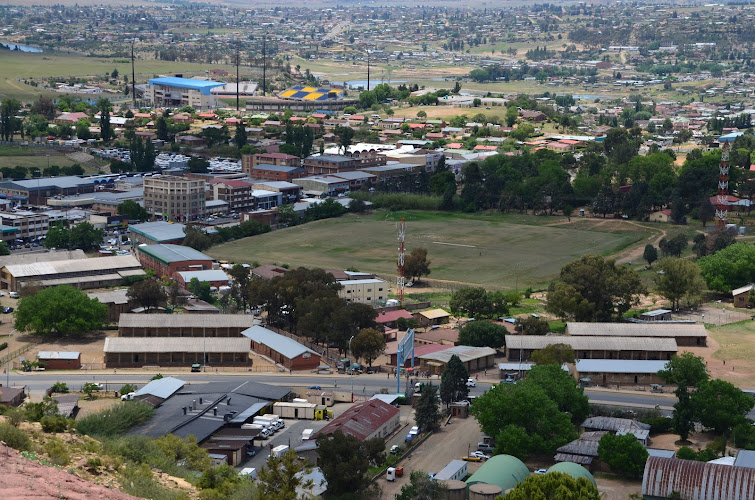
Maseru, the capital of Lesotho, sits quietly along the Caledon River, wrapped by the rolling highlands that give the country its nickname—the “Kingdom in the Sky.” It’s not one of those cities that tries too hard to impress you; instead, it grows on you slowly, like a story that unfolds with every walk through its streets. The first time I arrived, I remember stepping off the bus and feeling that crisp mountain air hit me—it’s thinner, cleaner, and somehow feels more honest than in most cities. There’s a mix of modern life and deep-rooted tradition here that you don’t often find side by side.
You’ll spot locals wearing the distinctive Basotho blanket, a proud symbol of national identity, even while chatting on smartphones or sipping coffee in a small café. The Basotho Hat building, shaped like the traditional woven hat known as the mokorotlo, is one of those spots you can’t miss—it’s part souvenir shop, part cultural hub, and part photo opportunity. But beyond that, Maseru is a gateway to the soul of Lesotho. Just a short drive east, the Thaba Bosiu plateau rises with quiet authority. This is where King Moshoeshoe I once stood to defend his people in the 19th century. The ruins there whisper stories of resilience and unity, and if you catch the sunset from the top, the view over Mount Qiloane is pure poetry.
Now, I’ll be honest—Maseru isn’t the kind of city where you’ll find glittering skyscrapers or wild nightlife on every corner. It’s a place that rewards curiosity. You’ll find small craft markets where artisans sell handwoven baskets and intricate beadwork. You’ll hear the rhythm of Sesotho songs drifting from passing taxis. And if you’re lucky enough to visit during a local festival, you’ll see the city come alive in a way that’s hard to describe—colorful, proud, and deeply connected to its roots.
Key Features
- Capital and largest city of Lesotho, located along the Caledon River
- Home to the iconic Basotho Hat building, a cultural and craft center
- Close to Thaba Bosiu plateau, the historic stronghold of King Moshoeshoe I
- Overlooks Mount Qiloane, a national symbol of Lesotho
- Blend of traditional Basotho culture and emerging modern lifestyle
- Local markets offering handmade crafts and authentic Basotho textiles
- Gateway to Lesotho’s mountain adventures and rural villages
Best Time to Visit
If you ask me, the best time to visit Maseru is during the dry months—from April to October. The weather is mild, and the skies are often that deep, endless blue that makes you want to stay outside all day. During winter (June to August), mornings can be chilly, especially with the altitude, but the days warm up nicely. I once visited in July and found myself sipping hot tea on a guesthouse balcony, watching the city slowly wake up under a golden sunrise—it’s a memory that sticks.
Summer (November to March) brings rain. Not constant downpours, but those dramatic afternoon storms that roll in fast, wash the dust away, and leave the air smelling fresh. If you’re into photography, this season can be magic—the clouds, the light, the contrast of green hills against the city’s earthy tones. Just pack a light rain jacket and good shoes because the streets can get muddy in some parts.
How to Get There
Getting to Maseru is relatively straightforward, though it does depend on where you’re coming from. Most travelers arrive through South Africa, usually from Bloemfontein or Johannesburg. The Maseru Bridge border post connects directly to South Africa, and it’s a short hop across the Caledon River into the city. If you’re flying, Moshoeshoe I International Airport sits about 18 kilometers from the center—small but efficient, with a few regional flights.
Buses and minibuses are the most common way to travel in and out. I’ve taken the bus from Bloemfontein before—it’s a few hours of winding roads and mountain views that honestly make the journey part of the adventure. If you’re driving, the roads leading into Maseru are generally in good shape, though traffic near the border can get slow, especially during holidays. And remember, in Lesotho, they drive on the left—something that took me a couple of days to get used to!
Tips for Visiting
Traveling to Maseru isn’t complicated, but a few small things can make your trip smoother—and more enjoyable. First, bring some cash. While ATMs are available, smaller shops and markets often prefer cash payments. The local currency, the Lesotho loti, is pegged to the South African rand, and both are accepted everywhere.
Second, take time to learn a few Sesotho phrases. Even a simple “Kea leboha” (thank you) goes a long way. I found that locals really appreciate the effort—it’s a great icebreaker and often leads to warm conversations. And if you’re planning to explore beyond the city, make sure your vehicle is ready for mountain driving. Some rural roads can be steep and unpaved, but the views are absolutely worth it.
Safety-wise, Maseru is generally calm, though like any capital, it’s wise to stay aware of your surroundings. Avoid walking alone late at night, and keep your belongings close in crowded areas. I once left my camera bag unattended for a minute at a café—thankfully, it was still there when I came back, but I wouldn’t test my luck again!
When it comes to food, try the local dishes. You’ll find papa (maize meal), stewed meats, and fresh vegetables at traditional eateries. There’s also a growing café culture—some spots serve excellent coffee and pastries that rival those in bigger cities. And if you enjoy a good beer, don’t miss trying Maluti Beer, brewed right in Lesotho. It’s crisp, refreshing, and somehow tastes better when you’re watching the sunset over the hills.
For accommodation, Maseru offers a mix of small guesthouses, boutique hotels, and a few international chains. Personally, I prefer the smaller lodges—they have that personal touch, and the hosts often share stories about the city that you won’t find in any guidebook. One host even took me to a local craft market where I found a handmade blanket that I still keep at home—it’s one of my favorite souvenirs ever.
Lastly, don’t rush through. Maseru might not shout for your attention, but it rewards those who slow down and listen. Spend an afternoon watching the world go by from a café terrace, explore the backstreets where kids play soccer, or take a short trip to Thaba Bosiu to feel the heartbeat of Lesotho’s history. The city has a quiet confidence that stays with you long after you’ve left.
So if you’re the kind of traveler who values authenticity over gloss, who enjoys stories more than attractions, Maseru will surprise you. It’s a place that invites you in, not with grandeur, but with warmth. And honestly, that’s what makes it special.
Key Features
- Capital and largest city of Lesotho, located along the Caledon River
- Home to the iconic Basotho Hat building, a cultural and craft center
- Close to Thaba Bosiu plateau, the historic stronghold of King Moshoeshoe I
- Overlooks Mount Qiloane, a national symbol of Lesotho
- Blend of traditional Basotho culture and emerging modern lifestyle
- Local markets offering handmade crafts and authentic Basotho textiles
- Gateway to Lesotho’s mountain adventures and rural villages
More Details
Updated October 8, 2025
Table of Contents
Description
Maseru, the capital of Lesotho, sits quietly along the Caledon River, wrapped by the rolling highlands that give the country its nickname—the “Kingdom in the Sky.” It’s not one of those cities that tries too hard to impress you; instead, it grows on you slowly, like a story that unfolds with every walk through its streets. The first time I arrived, I remember stepping off the bus and feeling that crisp mountain air hit me—it’s thinner, cleaner, and somehow feels more honest than in most cities. There’s a mix of modern life and deep-rooted tradition here that you don’t often find side by side.
You’ll spot locals wearing the distinctive Basotho blanket, a proud symbol of national identity, even while chatting on smartphones or sipping coffee in a small café. The Basotho Hat building, shaped like the traditional woven hat known as the mokorotlo, is one of those spots you can’t miss—it’s part souvenir shop, part cultural hub, and part photo opportunity. But beyond that, Maseru is a gateway to the soul of Lesotho. Just a short drive east, the Thaba Bosiu plateau rises with quiet authority. This is where King Moshoeshoe I once stood to defend his people in the 19th century. The ruins there whisper stories of resilience and unity, and if you catch the sunset from the top, the view over Mount Qiloane is pure poetry.
Now, I’ll be honest—Maseru isn’t the kind of city where you’ll find glittering skyscrapers or wild nightlife on every corner. It’s a place that rewards curiosity. You’ll find small craft markets where artisans sell handwoven baskets and intricate beadwork. You’ll hear the rhythm of Sesotho songs drifting from passing taxis. And if you’re lucky enough to visit during a local festival, you’ll see the city come alive in a way that’s hard to describe—colorful, proud, and deeply connected to its roots.
Key Features
- Capital and largest city of Lesotho, located along the Caledon River
- Home to the iconic Basotho Hat building, a cultural and craft center
- Close to Thaba Bosiu plateau, the historic stronghold of King Moshoeshoe I
- Overlooks Mount Qiloane, a national symbol of Lesotho
- Blend of traditional Basotho culture and emerging modern lifestyle
- Local markets offering handmade crafts and authentic Basotho textiles
- Gateway to Lesotho’s mountain adventures and rural villages
Best Time to Visit
If you ask me, the best time to visit Maseru is during the dry months—from April to October. The weather is mild, and the skies are often that deep, endless blue that makes you want to stay outside all day. During winter (June to August), mornings can be chilly, especially with the altitude, but the days warm up nicely. I once visited in July and found myself sipping hot tea on a guesthouse balcony, watching the city slowly wake up under a golden sunrise—it’s a memory that sticks.
Summer (November to March) brings rain. Not constant downpours, but those dramatic afternoon storms that roll in fast, wash the dust away, and leave the air smelling fresh. If you’re into photography, this season can be magic—the clouds, the light, the contrast of green hills against the city’s earthy tones. Just pack a light rain jacket and good shoes because the streets can get muddy in some parts.
How to Get There
Getting to Maseru is relatively straightforward, though it does depend on where you’re coming from. Most travelers arrive through South Africa, usually from Bloemfontein or Johannesburg. The Maseru Bridge border post connects directly to South Africa, and it’s a short hop across the Caledon River into the city. If you’re flying, Moshoeshoe I International Airport sits about 18 kilometers from the center—small but efficient, with a few regional flights.
Buses and minibuses are the most common way to travel in and out. I’ve taken the bus from Bloemfontein before—it’s a few hours of winding roads and mountain views that honestly make the journey part of the adventure. If you’re driving, the roads leading into Maseru are generally in good shape, though traffic near the border can get slow, especially during holidays. And remember, in Lesotho, they drive on the left—something that took me a couple of days to get used to!
Tips for Visiting
Traveling to Maseru isn’t complicated, but a few small things can make your trip smoother—and more enjoyable. First, bring some cash. While ATMs are available, smaller shops and markets often prefer cash payments. The local currency, the Lesotho loti, is pegged to the South African rand, and both are accepted everywhere.
Second, take time to learn a few Sesotho phrases. Even a simple “Kea leboha” (thank you) goes a long way. I found that locals really appreciate the effort—it’s a great icebreaker and often leads to warm conversations. And if you’re planning to explore beyond the city, make sure your vehicle is ready for mountain driving. Some rural roads can be steep and unpaved, but the views are absolutely worth it.
Safety-wise, Maseru is generally calm, though like any capital, it’s wise to stay aware of your surroundings. Avoid walking alone late at night, and keep your belongings close in crowded areas. I once left my camera bag unattended for a minute at a café—thankfully, it was still there when I came back, but I wouldn’t test my luck again!
When it comes to food, try the local dishes. You’ll find papa (maize meal), stewed meats, and fresh vegetables at traditional eateries. There’s also a growing café culture—some spots serve excellent coffee and pastries that rival those in bigger cities. And if you enjoy a good beer, don’t miss trying Maluti Beer, brewed right in Lesotho. It’s crisp, refreshing, and somehow tastes better when you’re watching the sunset over the hills.
For accommodation, Maseru offers a mix of small guesthouses, boutique hotels, and a few international chains. Personally, I prefer the smaller lodges—they have that personal touch, and the hosts often share stories about the city that you won’t find in any guidebook. One host even took me to a local craft market where I found a handmade blanket that I still keep at home—it’s one of my favorite souvenirs ever.
Lastly, don’t rush through. Maseru might not shout for your attention, but it rewards those who slow down and listen. Spend an afternoon watching the world go by from a café terrace, explore the backstreets where kids play soccer, or take a short trip to Thaba Bosiu to feel the heartbeat of Lesotho’s history. The city has a quiet confidence that stays with you long after you’ve left.
So if you’re the kind of traveler who values authenticity over gloss, who enjoys stories more than attractions, Maseru will surprise you. It’s a place that invites you in, not with grandeur, but with warmth. And honestly, that’s what makes it special.
Key Highlights
- Capital and largest city of Lesotho, located along the Caledon River
- Home to the iconic Basotho Hat building, a cultural and craft center
- Close to Thaba Bosiu plateau, the historic stronghold of King Moshoeshoe I
- Overlooks Mount Qiloane, a national symbol of Lesotho
- Blend of traditional Basotho culture and emerging modern lifestyle
- Local markets offering handmade crafts and authentic Basotho textiles
- Gateway to Lesotho’s mountain adventures and rural villages
Location
Places to Stay Near Maseru
Find and Book a Tour
Explore More Travel Guides
No reviews found! Be the first to review!
Traveler Reviews for Maseru
There are no reviews yet. Be the first one to write one.
Have you visited Maseru? Help other travelers by sharing your review.
You Might Also Like

Pioneer Mall
Sekoere's
Basotho Hat
Find Accommodations Nearby
Recommended Tours & Activities
Visitor Reviews
There are no reviews yet. Be the first one to write one.
Share Your Experience
Have you visited Maseru? Help other travelers by leaving a review.