
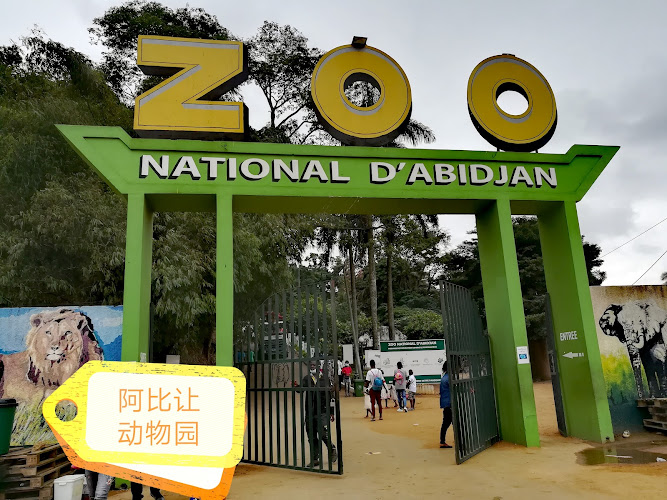
Zoo d’Abidjan
About Zoo d’Abidjan
The Zoo d’Abidjan is one of those places that quietly surprises you. It’s not the flashiest or the biggest zoo in Africa, but it has a kind of charm that sneaks up on you as you wander through its shaded paths. Spread across roughly four hectares, this zoo is home to more than 350 animals — from majestic lions and playful monkeys to colorful birds that seem to have their own personalities. There’s something deeply local and authentic about it, a sense that you’re stepping into a space that’s part of the city’s heartbeat rather than a polished tourist showpiece.
I remember my first visit here — the air was warm, the kind that sticks to your skin, and the sound of parrots echoed through the trees. Kids were laughing near the playground, and parents leaned lazily against the shaded benches, chatting in French and Dioula. It felt like a community gathering spot as much as a tourist attraction. And that’s really what makes it special: it’s not just for travelers; it’s for Abidjan itself.
The zoo has come a long way over the years. Once criticized for its conditions, it’s now steadily improving, with better care for the animals and more educational displays that help visitors understand the wildlife of West Africa. You can tell the staff genuinely care — there’s a warmth in how they talk about the animals, a pride in showing you around. It’s not perfect, but it’s honest, and that honesty gives it soul.
Key Features
- Home to more than 350 animals representing various African species, including crocodiles, lions, chimpanzees, and exotic birds.
- Set within a four-hectare green space that provides shaded walking paths and picnic areas.
- Wheelchair-accessible entrances and parking areas, making it inclusive for all visitors.
- Family-friendly amenities such as a playground, birthday party options, and educational exhibits for children.
- Free parking available both in the lot and on nearby streets.
- Accepts credit cards, debit cards, and contactless mobile payments for convenience.
- Local food stalls and vendors often set up near the entrance, offering snacks and refreshing drinks.
- Occasional guided tours and school programs that highlight conservation and environmental awareness.
One of the most interesting parts of the zoo is the reptile section — it’s always a hit with kids and anyone who enjoys a little thrill. You’ll also find a few lesser-known species that even frequent zoo-goers might not expect, like the rare West African dwarf crocodile. And if you’re lucky, you might catch a feeding session, which is both fascinating and a bit wild (in the best way).
Best Time to Visit
If you’re planning a visit, timing matters more than you’d think. The best time to go is early in the morning or late in the afternoon when the heat isn’t too intense and the animals are most active. During midday, they tend to retreat into the shade — honestly, I can’t blame them, Abidjan’s sun doesn’t play around.
Weather-wise, the dry season (roughly November to March) is ideal. The paths are easier to walk, and you won’t have to worry about sudden tropical showers. But if you don’t mind a bit of humidity, the rainy season can be quite beautiful too — the greenery becomes lush, the air smells fresh, and there’s something magical about hearing raindrops tapping on the enclosures while flamingos preen nearby.
Weekdays are generally quieter, making them perfect for a more relaxed experience. Weekends, on the other hand, bring in families and school groups, adding a lively local energy to the place. Personally, I like visiting on a Sunday morning — there’s a calmness before the midday buzz sets in, and you can take your time exploring without feeling rushed.
How to Get There
Getting to the Zoo d’Abidjan is relatively straightforward, especially if you’re staying in the Cocody district. The zoo sits along the main route that’s well-known to taxi drivers and ride-share apps, so you won’t have trouble finding it. Public transportation is an option too — local minibuses (known as “gbakas”) and shared taxis regularly pass nearby, though they can be a bit of an adventure if you’re not used to the local system.
If you’re driving, you’ll be happy to know there’s free parking available both in the designated lot and along nearby streets. The entrance is easy to spot, often marked by a small crowd of visitors and the sound of chatter and laughter drifting out. For those who prefer walking, it’s also close enough to some of Cocody’s other attractions, so you can easily make a day of it — maybe pair your zoo visit with a stop at a nearby café or art gallery.
And here’s a little tip from experience: if you’re using a navigation app, make sure to double-check your route before heading out. Sometimes the GPS can be a bit finicky with local roads. Also, keep some small change handy for local vendors or street snacks — because trust me, you’ll want to grab a cold bissap or coconut water after walking around in the heat.
Tips for Visiting
Visiting the Zoo d’Abidjan is pretty straightforward, but a few small things can make your trip much smoother (and more enjoyable). First off, wear comfortable shoes. The zoo isn’t huge, but you’ll still be walking quite a bit, and some paths can get uneven. Bring a hat, sunscreen, and a bottle of water — the tropical sun can sneak up on you faster than you’d expect.
If you’re traveling with kids, set aside a little extra time for the playground area. It’s a nice break between exhibits, and the kids love it. The zoo also offers birthday packages and group activities, which can be a fun way to celebrate if you’re in town for a special occasion.
Photography enthusiasts will find plenty to capture here — from the vibrant plumage of the birds to the quiet dignity of the larger animals. Just be mindful not to use flash near the enclosures; it can startle the animals. And while you’re at it, take a moment to chat with the staff. They often share fascinating tidbits about the animals — stories you won’t find on any signboard.
Another thing I’ve learned: patience pays off. Some animals might be hiding when you first walk by, but if you linger a bit or circle back later, you’ll often catch them in action. I once spent nearly twenty minutes waiting for a chimpanzee to come out, and when he finally did, he started clapping along with a group of school kids. It was one of those small, joyful moments that stick with you long after you leave.
Lastly, remember that this zoo represents more than just a tourist stop — it’s part of a larger effort to preserve West African wildlife and educate future generations. Supporting it, even through a simple visit, helps keep that mission alive. So go in with an open mind and a sense of curiosity. You’ll come away not just with photos, but with a deeper appreciation for the life and energy that make Abidjan such a fascinating city.
The Zoo d’Abidjan may not be a polished safari park, but it’s real, it’s evolving, and it’s full of heart. Whether you’re a traveler passing through or a local rediscovering your city, it’s a place worth spending a few hours — to breathe, to learn, and to feel connected to something wild and wonderful.
Key Features
- Home to more than 350 animals representing various African species, including crocodiles, lions, chimpanzees, and exotic birds.
- Set within a four-hectare green space that provides shaded walking paths and picnic areas.
- Wheelchair-accessible entrances and parking areas, making it inclusive for all visitors.
- Family-friendly amenities such as a playground, birthday party options, and educational exhibits for children.
- Free parking available both in the lot and on nearby streets.
- Accepts credit cards, debit cards, and contactless mobile payments for convenience.
- Local food stalls and vendors often set up near the entrance, offering snacks and refreshing drinks.
- Occasional guided tours and school programs that highlight conservation and environmental awareness.
Tours & Activities
GetYourGuide provides this tour inventory. We may earn a commission if you book through it; verify current availability, prices, and terms with the provider.
Visitor Reviews
There are no reviews yet. Be the first one to write one.
Share Your Experience
Have you visited Zoo d’Abidjan? Help other travelers by leaving a review.