
Museum of Occupations and Freedom Fights
About Museum of Occupations and Freedom Fights
Description
The Museum of Occupations and Freedom Fights in Vilnius is one of those places that quietly humbles you. Housed inside the former KGB headquarters, this building witnessed some of the darkest chapters in Lithuania’s modern history. It’s not a cheerful stop — and honestly, it shouldn’t be. The walls here whisper stories of resistance, fear, and courage that shaped a nation’s identity during decades of Soviet and Nazi occupations. When you walk through its corridors, you don’t just see history displayed — you feel it pressing in around you.
What’s particularly striking is how ordinary the building looks from the outside. You might pass it without realizing it once held interrogation rooms, prison cells, and even execution chambers. But step inside, and the atmosphere changes instantly. The air feels heavier, the lighting dimmer. It’s as if the building itself remembers. And maybe it does. Artifacts, personal letters, uniforms, and photographs fill the rooms, each one a reminder of Lithuania’s long struggle for freedom. It’s not an easy museum to visit, but it’s an essential one.
Some visitors describe the experience as chilling; others call it deeply moving. Both are true. It’s one of those museums where silence feels appropriate — not because it’s expected, but because words often fail. The curators have done a remarkable job of balancing historical documentation with emotional storytelling. You’ll leave with more questions than answers, but that’s part of the point. This museum doesn’t just tell you what happened; it asks you to think about what freedom really means.
Key Features
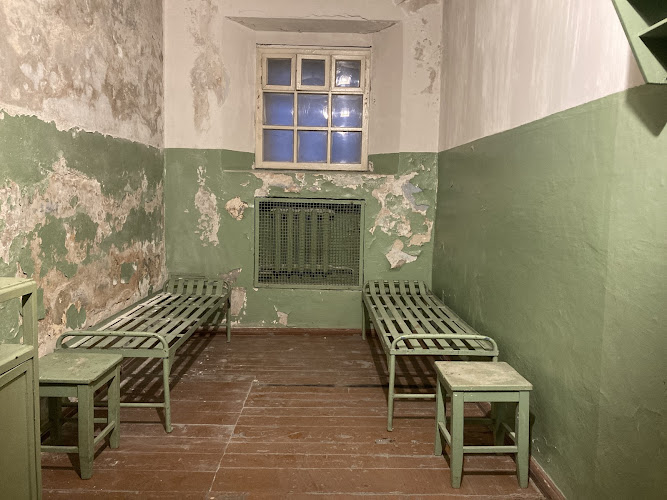
- Former KGB Prison: Visitors can explore the original prison cells where political prisoners were held, interrogated, and, tragically, executed. The authenticity of the preserved areas makes it one of the most haunting museum experiences in Europe.
- Execution Room: Perhaps the most sobering part of the museum, this room has been left largely as it was found, a stark reminder of the brutal repression that occurred within these walls.
- Exhibits on Soviet and Nazi Occupations: Artifacts, documents, and multimedia displays trace Lithuania’s occupation history from 1940 through 1991, offering a comprehensive look at the country’s resilience.
- Deportation and Gulag Displays: The second floor focuses on the deportations of Lithuanians to Siberia and the harsh realities of life in the gulags, with personal stories that humanize this grim history.
- Memorial Hall: Dedicated to those who lost their lives fighting for Lithuania’s independence, this space invites quiet reflection and remembrance.
- Educational Programs: The museum regularly hosts lectures, guided tours, and temporary exhibitions that deepen understanding of 20th-century Lithuanian history.
I remember my own visit — I thought I’d just “pop in” for an hour. Three hours later, I was still wandering, reading every caption, staring at photos of people whose lives were torn apart. It’s not a museum you rush through. You owe it to the place, and to the people it represents, to take your time.
Best Time to Visit
If you’re planning a trip, the best time to visit is during spring or early autumn. The weather in Vilnius is mild then, perfect for exploring the city before or after your museum visit. Winter has its own appeal — fewer tourists, quieter galleries, and a certain somber atmosphere that somehow fits the tone of the museum. Summer, on the other hand, can get busy, especially with tour groups. If you prefer a more reflective experience, go early in the morning or late in the afternoon when the crowds thin out.
I went on a rainy afternoon, and honestly, it felt right. The gray sky outside mirrored the mood inside. But don’t let the heaviness deter you. The museum isn’t meant to depress — it’s meant to remind. And walking out into Vilnius afterward, seeing the sunlight hit the old buildings, you can’t help but feel a deeper appreciation for the freedom and beauty of the city today.
How to Get There
Reaching the museum is straightforward if you’re staying in central Vilnius. It’s within walking distance from the main Old Town area — about a 15- to 20-minute stroll, depending on where you start. You can also hop on a city bus or take a taxi if you prefer. Public transportation in Vilnius is reliable, and there are clear signs guiding visitors to major landmarks like this one.
If you’re driving, parking can be a bit tricky near the museum, especially during peak hours. I’d recommend leaving your car elsewhere and enjoying the walk through the city streets — Vilnius is compact and full of hidden gems you might otherwise miss. Plus, walking gives you a little time to mentally prepare before stepping into such an emotionally charged space.
Tips for Visiting
- Take a guided tour: The museum offers guided tours in multiple languages, and it’s absolutely worth it. The guides often share personal stories and insights you won’t get from the display text alone.
- Allow enough time: Set aside at least two hours, maybe more. The exhibits are dense and emotionally heavy — rushing through would feel almost disrespectful.
- Prepare emotionally: This isn’t a lighthearted museum. Some rooms, particularly the basement prison cells, can be distressing. If you’re sensitive to such environments, pace yourself and take breaks.
- Photography: Limited photography is allowed, but always check signage. Some areas, especially the execution room, may have restrictions out of respect for the victims.
- Accessibility: The museum has wheelchair-accessible restrooms, though the entrance itself may not be fully accessible due to the building’s historical structure. If accessibility is a concern, it’s best to contact the museum in advance.
- Combine with nearby attractions: After your visit, you might want to explore nearby sites like Gediminas Castle Tower or the Old Town cafés — a good way to decompress and reflect.
One thing I wish I’d done differently was bring a notebook. There’s so much to absorb that by the time you leave, details start to blur. Jotting down thoughts or names helps keep the experience vivid. And if you’re traveling with kids or teens, I’d suggest a bit of preparation — explain the historical context beforehand so they understand the gravity of what they’ll see.
What makes this museum stand out isn’t just its collection — it’s the fact that it occupies the very space where history unfolded. You’re not looking at replicas or reconstructions. You’re standing where ordinary Lithuanians once stood, where they fought, resisted, and, in many cases, suffered for their beliefs. That proximity to real events gives the museum a power that’s hard to describe.
And yet, despite its heavy subject matter, there’s something hopeful about it. The story it tells isn’t just one of oppression, but of resilience. Lithuania’s path to independence was long and painful, but it’s also proof that even in the darkest times, the human spirit doesn’t break easily. The Museum of Occupations and Freedom Fights captures that truth beautifully — and visiting it, you can’t help but carry a piece of that spirit with you when you leave.
So, if you find yourself in Vilnius, make time for this place. It’s not your typical tourist stop, but it’s one that will stay with you long after you’ve gone. And maybe that’s the best kind of travel experience — the kind that changes how you see the world.
Key Features
- Key Features
- Best Time to Visit
- How to Get There
- Tips for Visiting
More Details
Updated October 8, 2025
Table of Contents
- Description
- Key Features
- Best Time to Visit
- How to Get There
- Tips for Visiting
- Key Highlights
- Location
- Places to Stay Near Museum of Occupations and Freedom Fights
- Find and Book a Tour
- Explore More Travel Guides
- Nearby Places You Might Like
- Traveler Reviews for Museum of Occupations and Freedom Fights
- Share Your Experience
Description
The Museum of Occupations and Freedom Fights in Vilnius is one of those places that quietly humbles you. Housed inside the former KGB headquarters, this building witnessed some of the darkest chapters in Lithuania’s modern history. It’s not a cheerful stop — and honestly, it shouldn’t be. The walls here whisper stories of resistance, fear, and courage that shaped a nation’s identity during decades of Soviet and Nazi occupations. When you walk through its corridors, you don’t just see history displayed — you feel it pressing in around you.
What’s particularly striking is how ordinary the building looks from the outside. You might pass it without realizing it once held interrogation rooms, prison cells, and even execution chambers. But step inside, and the atmosphere changes instantly. The air feels heavier, the lighting dimmer. It’s as if the building itself remembers. And maybe it does. Artifacts, personal letters, uniforms, and photographs fill the rooms, each one a reminder of Lithuania’s long struggle for freedom. It’s not an easy museum to visit, but it’s an essential one.
Some visitors describe the experience as chilling; others call it deeply moving. Both are true. It’s one of those museums where silence feels appropriate — not because it’s expected, but because words often fail. The curators have done a remarkable job of balancing historical documentation with emotional storytelling. You’ll leave with more questions than answers, but that’s part of the point. This museum doesn’t just tell you what happened; it asks you to think about what freedom really means.
Key Features
- Former KGB Prison: Visitors can explore the original prison cells where political prisoners were held, interrogated, and, tragically, executed. The authenticity of the preserved areas makes it one of the most haunting museum experiences in Europe.
- Execution Room: Perhaps the most sobering part of the museum, this room has been left largely as it was found, a stark reminder of the brutal repression that occurred within these walls.
- Exhibits on Soviet and Nazi Occupations: Artifacts, documents, and multimedia displays trace Lithuania’s occupation history from 1940 through 1991, offering a comprehensive look at the country’s resilience.
- Deportation and Gulag Displays: The second floor focuses on the deportations of Lithuanians to Siberia and the harsh realities of life in the gulags, with personal stories that humanize this grim history.
- Memorial Hall: Dedicated to those who lost their lives fighting for Lithuania’s independence, this space invites quiet reflection and remembrance.
- Educational Programs: The museum regularly hosts lectures, guided tours, and temporary exhibitions that deepen understanding of 20th-century Lithuanian history.
I remember my own visit — I thought I’d just “pop in” for an hour. Three hours later, I was still wandering, reading every caption, staring at photos of people whose lives were torn apart. It’s not a museum you rush through. You owe it to the place, and to the people it represents, to take your time.
Best Time to Visit
If you’re planning a trip, the best time to visit is during spring or early autumn. The weather in Vilnius is mild then, perfect for exploring the city before or after your museum visit. Winter has its own appeal — fewer tourists, quieter galleries, and a certain somber atmosphere that somehow fits the tone of the museum. Summer, on the other hand, can get busy, especially with tour groups. If you prefer a more reflective experience, go early in the morning or late in the afternoon when the crowds thin out.
I went on a rainy afternoon, and honestly, it felt right. The gray sky outside mirrored the mood inside. But don’t let the heaviness deter you. The museum isn’t meant to depress — it’s meant to remind. And walking out into Vilnius afterward, seeing the sunlight hit the old buildings, you can’t help but feel a deeper appreciation for the freedom and beauty of the city today.
How to Get There
Reaching the museum is straightforward if you’re staying in central Vilnius. It’s within walking distance from the main Old Town area — about a 15- to 20-minute stroll, depending on where you start. You can also hop on a city bus or take a taxi if you prefer. Public transportation in Vilnius is reliable, and there are clear signs guiding visitors to major landmarks like this one.
If you’re driving, parking can be a bit tricky near the museum, especially during peak hours. I’d recommend leaving your car elsewhere and enjoying the walk through the city streets — Vilnius is compact and full of hidden gems you might otherwise miss. Plus, walking gives you a little time to mentally prepare before stepping into such an emotionally charged space.
Tips for Visiting
- Take a guided tour: The museum offers guided tours in multiple languages, and it’s absolutely worth it. The guides often share personal stories and insights you won’t get from the display text alone.
- Allow enough time: Set aside at least two hours, maybe more. The exhibits are dense and emotionally heavy — rushing through would feel almost disrespectful.
- Prepare emotionally: This isn’t a lighthearted museum. Some rooms, particularly the basement prison cells, can be distressing. If you’re sensitive to such environments, pace yourself and take breaks.
- Photography: Limited photography is allowed, but always check signage. Some areas, especially the execution room, may have restrictions out of respect for the victims.
- Accessibility: The museum has wheelchair-accessible restrooms, though the entrance itself may not be fully accessible due to the building’s historical structure. If accessibility is a concern, it’s best to contact the museum in advance.
- Combine with nearby attractions: After your visit, you might want to explore nearby sites like Gediminas Castle Tower or the Old Town cafés — a good way to decompress and reflect.
One thing I wish I’d done differently was bring a notebook. There’s so much to absorb that by the time you leave, details start to blur. Jotting down thoughts or names helps keep the experience vivid. And if you’re traveling with kids or teens, I’d suggest a bit of preparation — explain the historical context beforehand so they understand the gravity of what they’ll see.
What makes this museum stand out isn’t just its collection — it’s the fact that it occupies the very space where history unfolded. You’re not looking at replicas or reconstructions. You’re standing where ordinary Lithuanians once stood, where they fought, resisted, and, in many cases, suffered for their beliefs. That proximity to real events gives the museum a power that’s hard to describe.
And yet, despite its heavy subject matter, there’s something hopeful about it. The story it tells isn’t just one of oppression, but of resilience. Lithuania’s path to independence was long and painful, but it’s also proof that even in the darkest times, the human spirit doesn’t break easily. The Museum of Occupations and Freedom Fights captures that truth beautifully — and visiting it, you can’t help but carry a piece of that spirit with you when you leave.
So, if you find yourself in Vilnius, make time for this place. It’s not your typical tourist stop, but it’s one that will stay with you long after you’ve gone. And maybe that’s the best kind of travel experience — the kind that changes how you see the world.
Key Highlights
- Key Features
- Best Time to Visit
- How to Get There
- Tips for Visiting
Location
Places to Stay Near Museum of Occupations and Freedom Fights
Find and Book a Tour
Explore More Travel Guides
No reviews found! Be the first to review!
Traveler Reviews for Museum of Occupations and Freedom Fights
There are no reviews yet. Be the first one to write one.
Have you visited Museum of Occupations and Freedom Fights? Help other travelers by sharing your review.
You Might Also Like
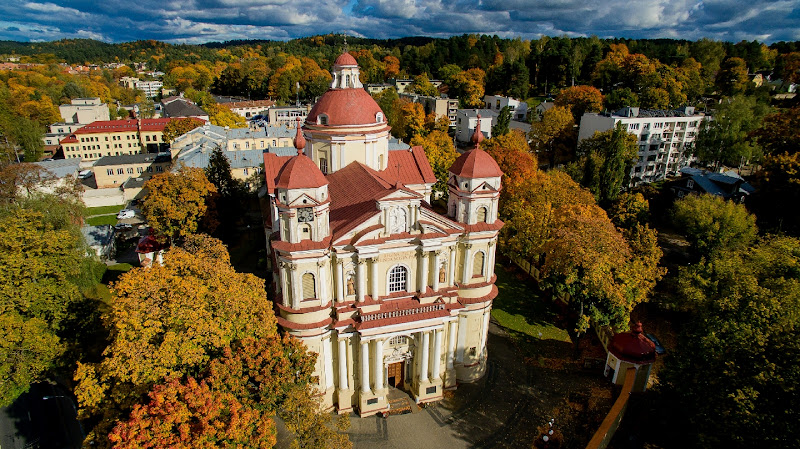
Church of Sts. Peter and Paul
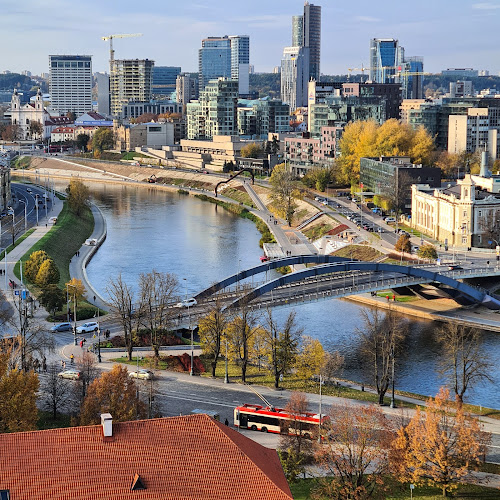
Vilnius

Užupio Katinas
Find Accommodations Nearby
Recommended Tours & Activities
Visitor Reviews
There are no reviews yet. Be the first one to write one.
Share Your Experience
Have you visited Museum of Occupations and Freedom Fights? Help other travelers by leaving a review.